Top 10 Healthy Recipes That Inspire an Elegant Dining Experience at Home
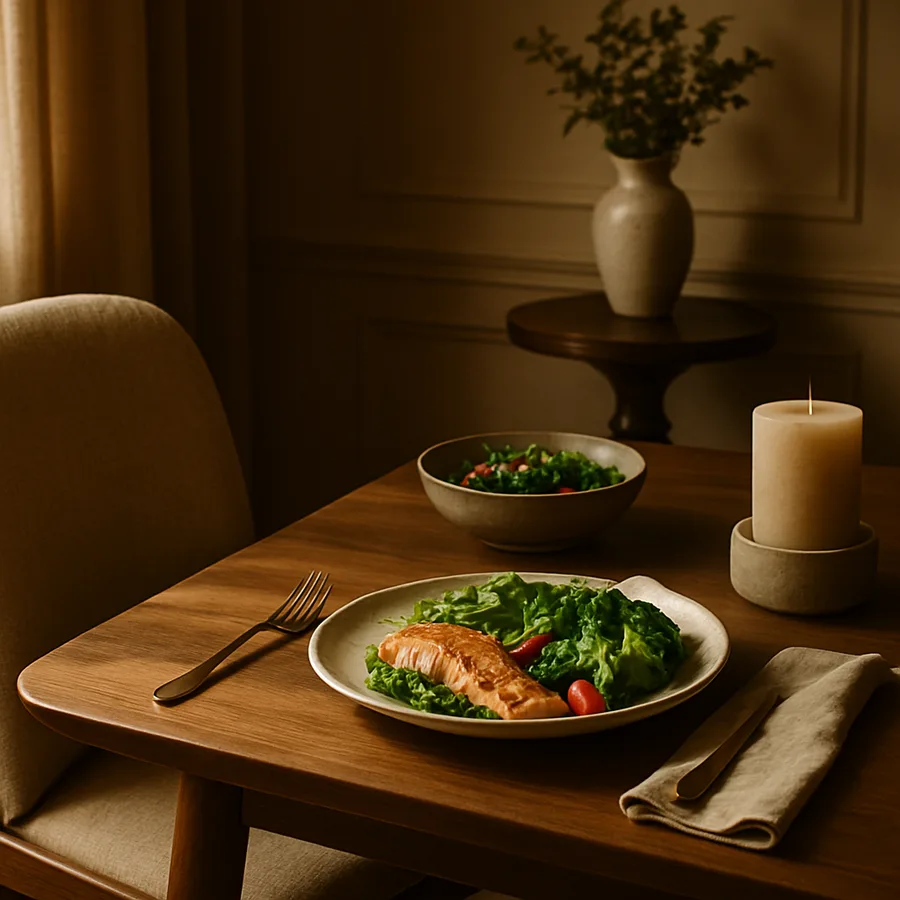
Why Elegant Dining Spaces Elevate Healthy Eating Habits
The dining room has experienced a remarkable renaissance in recent interior design conversations, driven by a growing understanding that where you eat is nearly as important as what you eat. According to the American Society of Interior Designers (ASID), homeowners who invest in a dedicated, well-designed dining space report eating at the table 62% more frequently than those who rely on kitchen counters or living room couches. This shift from casual grazing to intentional, seated dining has profound implications for nutritional health, as mindful eating at a proper table leads to better portion control, improved digestion, and a deeper appreciation for the flavors and textures of wholesome food. When you sit down at a beautifully set table, you naturally slow down, savor each bite, and make more deliberate food choices.
The connection between elegant interiors and healthy eating is not merely anecdotal. Behavioral research from the Cornell Food and Brand Lab has demonstrated that environmental cues, including table settings, lighting, and ambient atmosphere, directly influence how much people eat and how satisfied they feel afterward. Participants who ate identical meals in a fine-dining atmosphere consumed 18% fewer calories while reporting higher satisfaction than those who ate in a casual cafeteria setting. This finding suggests that investing in your dining environment is not an indulgence but a practical strategy for healthier eating. Interior designers affiliated with the International Interior Design Association (IIDA) have embraced this research, developing dining room concepts that combine aesthetic beauty with wellness-promoting design principles.
Creating an elegant dining experience at home does not require a massive budget or a dedicated formal dining room. It requires intentionality, a willingness to curate your eating environment with the same care you bring to selecting fresh ingredients. A well-chosen tablecloth, quality dinnerware, a simple floral arrangement, and appropriate lighting can transform even a modest kitchen table into a space that feels special and worthy of a thoughtfully prepared healthy meal. The ten recipes and design pairings explored in this article demonstrate how the intersection of culinary creativity and interior design can elevate everyday healthy eating into something genuinely luxurious and deeply satisfying.
Mediterranean-Inspired Dishes and Warm Coastal Dining Aesthetics
Mediterranean cuisine, consistently ranked among the healthiest dietary patterns in the world, pairs naturally with warm, coastal-inspired dining aesthetics. Think herb-crusted salmon with roasted vegetables, vibrant grain bowls topped with hummus and tahini, or a classic Nicoise salad arranged with artistic precision on a large platter. These dishes, rich in omega-3 fatty acids, fiber, and antioxidants, are as beautiful as they are nutritious. The colors of Mediterranean food, the deep greens of fresh herbs, the ruby red of roasted tomatoes, the golden hue of olive oil, demand a table setting that complements rather than competes with their natural vibrancy. Neutral ceramics in warm whites, soft creams, and pale terracotta provide the perfect backdrop for these colorful plates.
Houzz design experts recommend building a Mediterranean-inspired dining aesthetic around natural materials and earthy textures. A rustic wooden dining table, whether reclaimed oak or weathered teak, anchors the space with warmth and authenticity. Linen table runners in sand or oatmeal tones add softness without fussiness, while hand-thrown ceramic serving bowls and plates introduce artisanal character that mass-produced dinnerware cannot match. The key is to create an atmosphere that feels both refined and relaxed, elegant enough to honor the care you put into preparing healthy food, yet comfortable enough to encourage lingering conversation and slow, mindful eating. Woven rattan placemats, olive wood serving boards, and simple glass carafes for water infused with lemon and herbs complete the tableau.
The lighting in a Mediterranean-themed dining space should evoke the warm glow of a seaside evening. Pendant lights with amber or warm-white LED bulbs hung at the appropriate height above the table create intimate illumination without harsh shadows. Candles remain the ultimate tool for creating dining atmosphere, and their flickering light has been shown to reduce cortisol levels and promote relaxation, both of which support better digestion and more mindful eating. ASID designers specializing in dining spaces consistently recommend dimmable lighting systems that allow homeowners to adjust the ambiance from bright and energizing for weeknight family dinners to soft and intimate for weekend entertaining. This flexibility ensures the space serves you well regardless of the occasion or the meal.
Plant-Based Recipes Paired with Biophilic Dining Design
Plant-based eating has moved firmly into the mainstream, and the interior design world has responded with biophilic design principles that bring the natural world into dining spaces. Dishes like roasted cauliflower steaks with chimichurri, black bean and sweet potato enchiladas with cashew crema, or a towering Buddha bowl layered with every color of the rainbow deserve a dining environment that celebrates their plant-forward philosophy. Biophilic design, a concept championed by the IIDA and supported by extensive research, involves incorporating natural elements such as living plants, natural light, organic materials, and nature-inspired textures into interior spaces to improve wellbeing and create a deeper connection to the natural world.
A dining room designed with biophilic principles might feature a living wall or vertical garden as a backdrop, a wooden table with a live edge that preserves the natural form of the tree, and chairs upholstered in organic cotton or linen in earthy greens and warm browns. Hanging planters with trailing pothos or string of pearls add vertical interest and soften the transition between wall and ceiling. The NCIDQ recommends that designers incorporate at least three distinct natural elements into any dining space to achieve measurable biophilic benefits. Even something as simple as a potted herb centerpiece serves double duty, providing both visual beauty and fresh garnishes for your plant-based meals. Imagine reaching across the table to snip fresh basil directly onto your pasta or tearing mint leaves over a fruit salad as you plate dessert.
The color palette for a biophilic dining space naturally gravitates toward greens, warm woods, and stone tones, with accents of the vibrant colors found in plant-based ingredients. Terracotta pots, woven jute placemats, and stoneware plates in matte finishes create a grounded, organic aesthetic that makes plant-based meals feel at home. Natural light is paramount in these spaces; if your dining area lacks windows, consider a solar tube skylight or full-spectrum LED panels that mimic natural daylight. Have you ever noticed how a salad photographed in natural light looks infinitely more appetizing than one under fluorescent bulbs? The same principle applies to your dining experience. Natural light enhances the visual appeal of food, making those vibrant vegetables and grains look as delicious as they taste.
Asian Fusion Cuisine and Minimalist Japanese-Inspired Interiors
The clean, balanced flavors of Asian fusion cuisine find their perfect design counterpart in minimalist Japanese-inspired dining spaces. Miso-glazed cod with steamed bok choy, fresh vegetable sushi rolls with brown rice, or a warming bowl of pho loaded with herbs and bean sprouts all embody the principles of balance, simplicity, and respect for ingredients that define Japanese culinary philosophy. These dishes, naturally light, nutrient-dense, and visually striking, deserve a dining environment that shares their commitment to intentional simplicity. Japanese interior design, or "wabi-sabi," embraces the beauty of imperfection, natural materials, and empty space, creating dining environments that feel calm, focused, and deeply peaceful.
The foundation of a Japanese-inspired dining space is restraint. A low dining table in natural wood, clean-lined chairs or floor cushions, and a minimal palette of warm neutrals, soft grays, and natural wood tones create a backdrop that lets the food take center stage. Houzz interior design surveys indicate that Japanese minimalist dining spaces are among the most desired aesthetic categories for homeowners seeking to create a healthier home environment. The deliberate absence of clutter and decoration is not emptiness but rather a conscious choice to create space for mindfulness and presence. When every visual element in your dining environment has been carefully considered and serves a clear purpose, your attention naturally focuses on the meal in front of you and the people sharing it with you.
Serving vessels play an outsized role in Japanese dining aesthetics, and investing in quality ceramics transforms the presentation of healthy Asian-inspired dishes. Hand-thrown ramen bowls in deep indigo or celadon, small ceramic dishes for condiments and pickled vegetables, lacquerware for miso soup, and wooden chopstick rests all contribute to a dining experience that feels ceremonial and special. ASID designers note that the Japanese concept of "ichi-go ichi-e," meaning "one time, one meeting," encourages treating every meal as a unique, unrepeatable occasion worthy of beauty and attention. When you plate a simple steamed fish with ginger and scallions on a beautiful ceramic dish and present it on a carefully set table, you elevate a weeknight dinner into something memorable and meaningful.
Farm-to-Table Freshness Meets Rustic Modern Dining Rooms
The farm-to-table movement has profoundly influenced both how we cook and how we design the spaces where we eat. Recipes built around seasonal, locally sourced ingredients, such as a roasted beet and goat cheese salad with candied walnuts, grilled chicken paillard with garden herb salad, or a rustic vegetable tart with flaky whole-grain pastry, embody the values of freshness, simplicity, and connection to the land. These dishes, which celebrate ingredients at their peak of flavor and nutrition, are best enjoyed in dining spaces that reflect the same values. Rustic modern design, sometimes called "modern farmhouse," combines the warmth and character of traditional rural aesthetics with the clean lines and functionality of contemporary design.
A rustic modern dining room typically features a substantial farmhouse table, often in reclaimed or distressed wood, surrounded by a mix of seating that might include Windsor chairs, upholstered end chairs, and even a bench along one side. The imperfect patina of aged wood, the visible grain patterns, and the occasional knot or nail hole tell a story of history and craftsmanship that factory-produced furniture cannot replicate. The IIDA has recognized rustic modern design as one of the fastest-growing residential design trends, noting that it appeals to homeowners who want warmth and character without the heaviness of fully traditional interiors. Industrial-style pendant lights in matte black or brushed brass provide both illumination and visual interest above the table.
Table styling in a rustic modern dining space should feel abundant yet unforced. A wooden cutting board placed in the center of the table as a serving platform for artisanal bread, a cluster of mason jars filled with wildflowers, and simple white or cream dinnerware that lets the food's natural colors shine all contribute to an atmosphere of generous hospitality. Linen napkins in natural or muted tones replace paper alternatives, signaling that this is a meal worth savoring. What would it feel like to gather your family around a beautiful table, serve a healthy meal made from ingredients picked up that morning at the farmers market, and simply enjoy the moment together? Rustic modern design creates exactly that feeling, a sense of groundedness, authenticity, and connection that transforms healthy eating from a discipline into a celebration.
Superfood Desserts and the Art of After-Dinner Ambiance
Healthy eating does not end with the main course, and neither should thoughtful interior design. The after-dinner experience, that period of lingering at the table over a light dessert and conversation, is one of the most psychologically important parts of a meal. Superfood desserts like dark chocolate avocado mousse, chia seed pudding with passion fruit and toasted coconut, or a berry compote served over Greek yogurt with a drizzle of raw honey offer sweetness and satisfaction without the inflammatory sugar spikes of traditional desserts. These elegant, nutrient-dense finales deserve an equally refined presentation and environment.
The transition from dinner to dessert offers an opportunity to subtly shift the dining ambiance. Dimming the overhead lights, lighting additional candles, and perhaps introducing a small, beautiful dessert service, delicate plates, espresso cups, and polished dessert spoons, signals that the evening has entered a new, more intimate phase. NCIDQ-certified designers recommend creating what they call a "second-act setting" for after-dinner moments. This might involve clearing the main dinner plates and laying out a smaller, more refined arrangement that includes a centerpiece of fresh fruit, a selection of herbal teas displayed in a handsome wooden box, and dessert plates in a contrasting but complementary pattern to the dinner service. The effect is one of gracious hospitality that extends the dining experience and encourages guests to remain at the table rather than dispersing to separate rooms.
The sensory environment during dessert matters as much as the visual one. Soft background music, the warmth of candlelight reflected in glassware, and the aroma of herbal tea or freshly brewed coffee all contribute to a multisensory experience that enhances the enjoyment of healthy desserts. Houzz research indicates that dining rooms designed with multiple "mood settings," achieved through layered lighting, dimmable fixtures, and flexible furniture arrangements, are used 40% more frequently than single-purpose dining rooms. By designing your space to gracefully transition from bright, convivial dinner gathering to soft, intimate dessert conversation, you create a room that serves you well throughout the entire arc of an evening, making healthy entertaining at home feel effortless and deeply rewarding.
Practical Steps to Unite Healthy Cuisine with Elegant Interior Design
Bringing together the worlds of healthy cooking and elegant dining design does not require a complete home renovation or a professional chef's training. It begins with small, intentional changes that compound over time into a fundamentally different relationship with food and your home environment. Start with your table. If your current dining table is buried under mail, laptops, and miscellaneous clutter, reclaim it. Clear the surface completely, give it a thorough cleaning, and set it with simple placemats, cloth napkins, and a small centerpiece. This single act of reclamation sends a powerful message to yourself and your household: this table is for dining, and dining deserves respect and attention.
Next, invest in a set of quality dinnerware that you genuinely love. ASID professionals consistently report that clients who invest in beautiful, everyday tableware eat at the table more frequently and take more care in plating their food. You do not need expensive fine china; artisanal stoneware, quality porcelain, or even well-designed melamine in appealing colors and shapes can elevate daily meals. Choose pieces that complement the foods you most enjoy cooking. If you gravitate toward colorful salads and grain bowls, neutral plates in white, cream, or soft gray will provide the best backdrop. If your cooking tends toward rustic stews and hearty soups, deeper bowls in earthy tones might better suit your style. The point is to create a personal dining aesthetic that feels like an extension of your culinary values.
Finally, consider the broader dining environment. Can you add a dimmer switch to your dining room light fixture? Can you designate a drawer or basket for candles, matches, and napkin rings that make it easy to set a beautiful table on any weeknight? Can you create a small playlist of background music that sets the tone for relaxed, enjoyable meals? These small environmental investments, none of which require significant expense or expertise, collectively transform the act of eating a healthy dinner into a daily ritual of beauty, mindfulness, and connection. The recipes you choose and the spaces you create are partners in the same mission: a life that is both healthy and deeply, genuinely beautiful.
Conclusion: Where Culinary Wellness Meets Design Excellence
The ten healthy recipes explored throughout this article are more than mere instructions for nutritious meals; they are invitations to reimagine your entire dining experience. When you pair a vibrant Mediterranean grain bowl with a warm, coastal-inspired table setting, or serve a plant-based feast in a dining room alive with greenery and natural light, you create something greater than the sum of its parts. You create a lifestyle in which healthy eating is not an obligation but a pleasure, not a sacrifice but a celebration. The research from ASID, IIDA, NCIDQ, and Houzz consistently confirms what intuition already suggests: beautiful spaces inspire beautiful habits.
The journey toward a healthier, more elegant dining life begins with a single meal and a single design decision. Perhaps tonight you will clear your table, light a candle, plate your dinner on your best dishes, and sit down to eat with full attention and genuine appreciation. Perhaps this weekend you will visit a local ceramics studio and choose a set of handmade bowls that make your morning smoothie feel like a work of art. Perhaps next month you will paint your dining room wall a warm, inviting shade of sage green and notice how the space begins to draw you in rather than remain an afterthought. Each of these small acts is a step toward a life where health and beauty are not separate pursuits but one unified, deeply satisfying practice.
Take the first step today by choosing one recipe from this guide and one design element to pair with it. Cook the meal with care, set your table with intention, and notice how the combination of nourishing food and beautiful surroundings changes the quality of your evening. Then share your experience with someone you love. The most elegant dining experiences, after all, are not defined by expensive tableware or professional-grade cooking, but by the presence of good food, beautiful surroundings, and the people who matter most.
More Articles You May Like



Comments
Post a Comment