The Ultimate Guide to Sustainable Home Interior Design
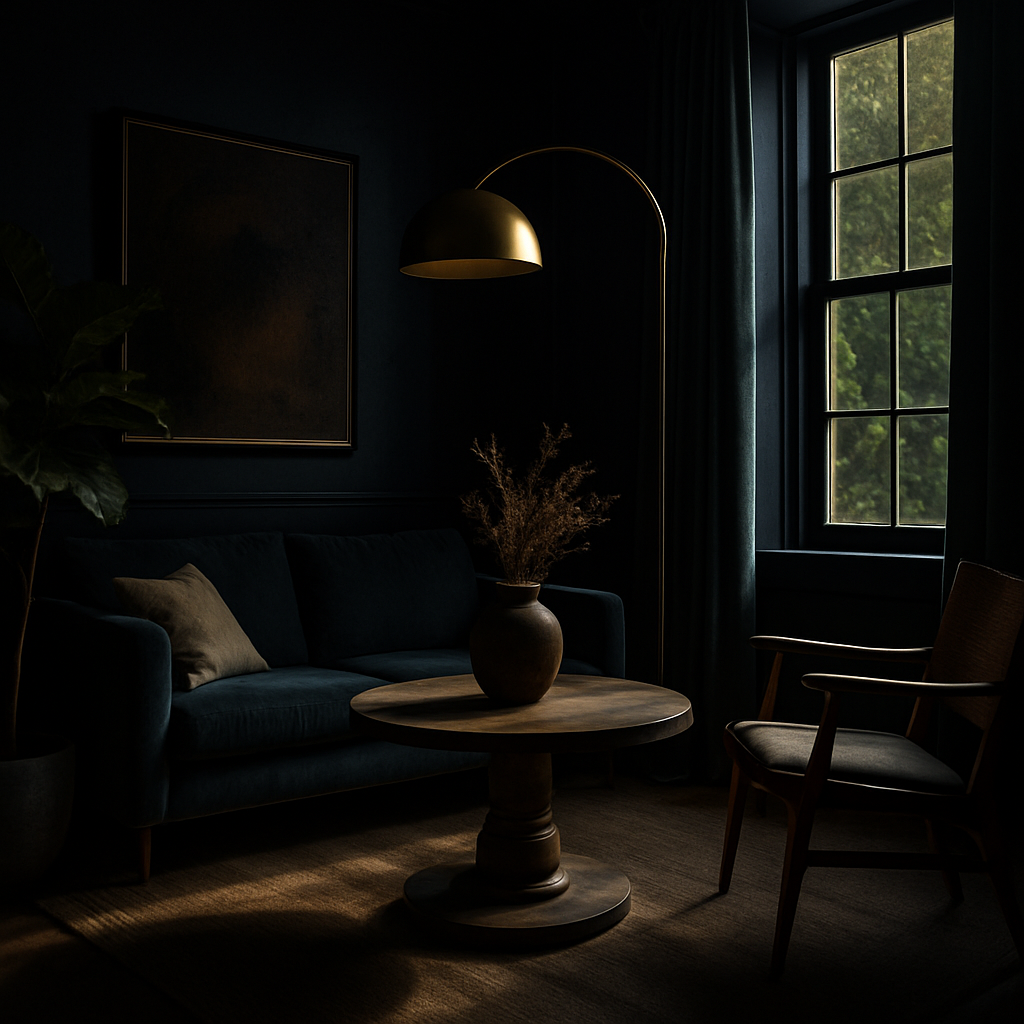
Sustainable interior design has matured from a niche concern into a central priority for homeowners, designers, and the broader building industry. The shift reflects growing awareness that interior environments account for a significant portion of material consumption, energy use, and waste generation in residential construction. Professional designers certified by NCIDQ (National Council for Interior Design Qualification) and members of ASID (American Society of Interior Designers) are increasingly expected to demonstrate fluency in sustainable practices as a baseline professional competency rather than an optional specialization. For homeowners investing ,000 to ,000 per room in their interiors, sustainability considerations now influence material selection, vendor relationships, and long-term maintenance planning in ways that directly affect both environmental impact and financial return. This guide provides a comprehensive framework for understanding and implementing sustainable design principles at every scale, from a single-room refresh to a whole-home transformation. What does it actually mean to create an interior that is both beautiful and genuinely responsible?
Defining Sustainability in Interior Design Context
Sustainability in interior design encompasses far more than selecting products labeled eco-friendly or green. A truly sustainable approach considers the complete lifecycle of every material, fixture, and furnishing that enters a space, from raw material extraction through manufacturing, transportation, installation, use, maintenance, and eventual disposal or recycling. IIDA (International Interior Design Association) has published lifecycle assessment guidelines that help designers evaluate the true environmental cost of their specifications, often revealing that the most visually appealing sustainable choice is not always the most environmentally beneficial one when full lifecycle impacts are considered. This nuanced understanding separates professional sustainable design from well-intentioned but superficial green washing.
The three pillars of sustainable interior design are material health, resource efficiency, and occupant wellbeing. Material health concerns the chemical composition of interior products and their impact on indoor air quality. Many conventional materials release volatile organic compounds, formaldehyde, and other toxins that compromise respiratory health and cognitive function. Resource efficiency addresses the consumption of raw materials, energy, and water throughout a product's lifecycle. Occupant wellbeing encompasses the physiological and psychological effects of the designed environment on the people who inhabit it. Designers charging to per hour for their sustainable design expertise evaluate every specification against all three pillars, recognizing that a product that excels in one dimension but fails in another represents an incomplete solution.
The financial dimension of sustainable design deserves honest examination. Sustainable materials sometimes carry a price premium at the point of purchase, though this gap has narrowed considerably as demand has increased and manufacturing processes have matured. However, lifecycle cost analysis frequently reveals that sustainable choices deliver superior long-term value. Durable hardwood flooring that lasts fifty years costs less per year of service than engineered alternatives that require replacement every fifteen years. Low-VOC paints maintain their finish quality longer than conventional formulations, reducing repainting frequency. Energy-efficient lighting fixtures recover their higher purchase price through reduced electricity consumption within the first two years of operation. AD PRO has published several detailed cost analyses demonstrating that sustainable interiors typically achieve financial break-even within three to seven years, after which they deliver ongoing savings. Understanding these economic realities prepares us to examine the specific material categories where sustainable alternatives offer the strongest combination of environmental benefit and design quality.
Sustainable Flooring and Wall Treatments
Flooring represents the largest material surface in most interiors, making it the single most impactful sustainability decision in any design project. Responsibly harvested hardwood from FSC-certified forests remains one of the strongest sustainable flooring options, offering exceptional durability, natural beauty, and the ability to be refinished multiple times over a lifespan that can exceed a century. Bamboo, technically a grass that regenerates rapidly after harvesting, provides a hardwood alternative with comparable durability and a distinctive grain pattern that works particularly well in Japandi-inspired interiors. Cork flooring, harvested from the bark of cork oak trees without harming the tree, offers natural warmth, sound absorption, and cushioning underfoot that makes it especially suitable for bedrooms and home offices.
Reclaimed wood flooring occupies a special position in sustainable design because it combines environmental responsibility with aesthetic qualities that cannot be replicated through new production. Wood salvaged from decommissioned barns, industrial buildings, and shipping structures carries decades or centuries of natural aging that produce patinas, nail holes, and surface character unavailable in any new product. Houzz consistently reports that reclaimed wood flooring is among the most-saved material choices on its platform, reflecting strong consumer desire for authentic, storied materials. Designers should work with reputable reclaimed wood suppliers who verify sourcing, provide species identification, and test for chemical contamination from previous industrial uses. The premium cost of verified reclaimed wood, typically twenty to forty percent above comparable new hardwood, is justified by both its environmental credentials and its unique aesthetic contribution.
Wall treatments offer equally significant sustainability opportunities. Natural clay plaster, lime wash, and mineral-based paints provide zero-VOC alternatives to conventional wall finishes while delivering textural depth and color complexity that flat synthetic paints cannot match. A clay-plastered feature wall introduces subtle surface variation that catches light differently throughout the day, creating visual interest without additional decoration. Recycled content wallcoverings, including papers made from post-consumer waste and textiles woven from reclaimed fibers, expand the palette of sustainable wall options beyond paint. ASID sustainable design guidelines recommend specifying wall treatments that can be maintained through spot repair rather than full replacement, extending their useful life and reducing material consumption over time. These foundational surfaces establish the environmental character of a space, which extends naturally into the furnishing decisions that complete the design.
Furniture Selection and the Circular Economy
Sustainable furniture selection requires evaluating construction quality, material sourcing, manufacturing practices, and end-of-life scenarios with equal rigor. The most sustainable piece of furniture is often the one that already exists. Vintage and antique furniture, whether sourced from estate sales, specialty dealers, or family collections, carries zero new material cost and often provides construction quality that surpasses contemporary mass-market alternatives. A mid-century solid walnut credenza that has already served fifty years of daily use demonstrates proven durability that no new product can claim. Designers working with project percentages of ten to twenty percent find that incorporating significant vintage pieces into their specifications actually improves profitability, as the sourcing process requires expertise that clients value and are willing to compensate.
When new furniture is required, the circular economy model guides sustainable selection. Circular design principles prioritize products that use mono-materials or easily separable components, enabling straightforward recycling or composting at end of life. A dining chair constructed entirely from solid wood with mechanical joinery and no adhesives can be disassembled and its components recycled or repurposed individually. A sofa built with a replaceable slipcover over a durable frame can be refreshed multiple times without discarding the structural investment. Several manufacturers recognized by IIDA sustainability awards now offer take-back programs that accept their products at end of life, refurbish viable components, and recycle the remainder. These programs transform the traditional linear model of buy-use-discard into a closed loop that dramatically reduces waste.
Upholstery materials present specific sustainability challenges that deserve careful attention. Conventional synthetic fabrics shed microplastic fibers during cleaning and off-gas chemical compounds throughout their service life. Natural fiber alternatives, including organic cotton, linen, hemp, and wool, avoid these issues while providing superior breathability, moisture management, and aesthetic character. The quiet luxury movement has elevated natural textiles by demonstrating that their inherent texture, drape, and aging characteristics convey sophistication more convincingly than any synthetic imitation. Certified organic cotton canvas, undyed linen in natural tones, and lanolin-rich wool bouclé offer tactile richness that improves with use rather than degrading, embodying the sustainable principle that the best materials grow more beautiful over time. This philosophy of aging gracefully applies not only to furniture but to every element of a sustainable interior, including the lighting and technology systems that support daily life within it.
Energy-Efficient Lighting and Sustainable Technology
Lighting accounts for a substantial portion of residential energy consumption, making it one of the most impactful areas for sustainable intervention. Modern LED technology has resolved the early criticism that energy-efficient lighting produced harsh, clinical illumination. Current LED fixtures achieve warm, nuanced light quality indistinguishable from traditional incandescent sources while consuming eighty percent less energy and lasting twenty to thirty times longer. NCIDQ continuing education modules now emphasize lighting design as a core sustainability competency, recognizing that thoughtful fixture selection, placement, and control can reduce a home's lighting energy consumption by fifty to seventy percent without any sacrifice in visual comfort or aesthetic quality.
Smart lighting controls amplify the energy savings of efficient fixtures by ensuring that light is provided only where, when, and at the intensity needed. Occupancy sensors eliminate wasted energy in unoccupied rooms. Daylight harvesting systems automatically dim artificial fixtures when natural light provides sufficient illumination, seamlessly adjusting throughout the day as solar conditions change. Programmable scenes allow a single space to serve different functions at different lighting levels, from bright task illumination for cooking to ambient warmth for dining, without the energy waste of maintaining full output continuously. Designers billing at to per hour typically include smart lighting specification in their standard scope of services, recognizing that this infrastructure delivers both sustainability benefits and the enhanced livability that clients increasingly expect.
Beyond lighting, sustainable technology integration extends to climate management, water conservation, and material monitoring. Smart thermostats that learn household patterns reduce heating and cooling energy by optimizing schedules based on actual occupancy rather than fixed timers. Low-flow fixtures with pressure-compensating aerators reduce water consumption by thirty to fifty percent while maintaining the satisfying flow rates that occupants expect. Smart home integration that monitors indoor air quality can alert occupants to elevated VOC levels, prompting ventilation adjustments that protect health while minimizing unnecessary energy expenditure. AR/VR visualization tools also play a sustainability role by allowing designers and clients to evaluate material and layout options virtually before ordering physical samples, reducing the material waste associated with traditional sample-and-return processes. How much energy could your home save if every system operated at its optimal efficiency rather than its current default settings? These technology-enabled efficiencies complement the broader sustainability strategy, which must also address the biological dimension of healthy interiors.
Biophilic Strategies for Sustainable Wellbeing
Biophilic design and sustainability share a philosophical foundation in the recognition that human health depends on the health of the natural systems that support us. Implementing biophilic elements in sustainable interiors creates a positive feedback loop: natural materials reduce chemical exposure, living plants improve air quality, daylight optimization reduces energy consumption, and the combined effect supports occupant wellbeing in ways that reduce healthcare costs and improve quality of life. ASID research partnerships have documented measurable improvements in sleep quality, cognitive performance, and stress recovery among occupants of biophilically designed homes compared to conventional interiors, providing empirical support for design strategies that many professionals have long advocated based on intuitive understanding.
Indoor planting strategies range from simple potted arrangements to sophisticated living wall systems that function as biological air purification infrastructure. Species selection should prioritize plants with demonstrated air-filtering capabilities, appropriate light requirements for their intended location, and minimal maintenance demands that ensure long-term viability. Snake plants, pothos, and peace lilies thrive in low-light conditions common to interior spaces while effectively removing formaldehyde, benzene, and other common indoor pollutants. More ambitious installations might include a kitchen herb wall that combines biophilic benefit with practical culinary function, or a bathroom featuring tropical humidity-loving species that flourish in the warm, moist environment. Houzz project galleries consistently show that well-maintained indoor planting installations generate strong engagement from viewers who appreciate the visual warmth and ecological integrity these features represent.
Natural material selection for biophilic effect extends beyond living elements to encompass the geological, botanical, and hydrological references that ground a space in the natural world. Visible stone surfaces with geological strata connect occupants to deep time and geological processes. Wood with visible grain patterns maintains a living quality that reminds us of the forests from which it originated. Water features, even modest tabletop fountains, introduce the sound and movement of flowing water that environmental psychology research identifies as one of the most universally calming natural stimuli. Designers who integrate these biophilic layers within a sustainable material framework create interiors that are simultaneously restorative, responsible, and aesthetically distinguished. This integrated approach represents the highest expression of sustainable design philosophy and leads us to consider how to maintain these principled interiors over their extended lifetimes.
Maintaining and Evolving a Sustainable Interior
The sustainability of an interior extends far beyond the initial design and installation. How a space is maintained, updated, and eventually decommissioned determines its true environmental impact over time. Sustainable maintenance practices emphasize non-toxic cleaning products, repair-first approaches to wear and damage, and seasonal adjustments that respond to changing conditions rather than wholesale replacements. IIDA guidelines recommend that designers provide their clients with a sustainable maintenance manual upon project completion, detailing recommended cleaning products, seasonal care schedules, and repair resources for every specified material. This documentation ensures that the sustainability intentions embedded in the original design are honored throughout the space's operational life.
The concept of designed evolution addresses the reality that occupant needs, family compositions, and aesthetic preferences change over time. Rather than designing static environments that must be entirely replaced when they no longer suit, sustainable designers create adaptable frameworks that accommodate change through targeted updates. Modular furniture systems allow reconfiguration without replacement. Neutral foundational surfaces accept new accessory palettes without requiring structural renovation. Built-in storage systems with adjustable components can be reconfigured as the objects they house change over the years. Designers who charge project fees in the ,000 to ,000 per room range often include an evolution plan as part of their deliverables, identifying which elements are permanent investments and which are intentionally designed for periodic refresh.
End-of-life planning for interior materials is the least glamorous but potentially most impactful dimension of sustainable design practice. Specifying materials with clear recycling pathways, selecting products from manufacturers with take-back programs, and maintaining documentation of material compositions all facilitate responsible disposal or recycling when the time comes. A designer who specifies solid brass hardware knows that this material retains its value indefinitely and can be recycled without quality degradation. Solid wood furniture can be refinished, repurposed, or ultimately composted. Natural fiber textiles biodegrade completely, unlike synthetic alternatives that persist in landfills for centuries. Do you know what will happen to the materials in your current home when they eventually reach the end of their useful life? Asking this question at the design stage rather than the disposal stage is what separates genuinely sustainable practice from superficial green gestures, and it represents the kind of forward thinking that defines responsible design stewardship.
Conclusion
Sustainable home interior design is a comprehensive practice that addresses material health, resource efficiency, occupant wellbeing, and long-term environmental responsibility through every design decision. The approaches outlined in this guide, from lifecycle-aware material selection through biophilic integration, energy-efficient technology, and designed evolution, provide a practical framework for homeowners and designers who are committed to reducing their environmental impact without compromising aesthetic quality or functional comfort. The economic case for sustainable design grows stronger each year as material options improve, lifecycle cost advantages compound, and market demand increases the resale value of sustainably designed homes. Whether you are working with a designer charging per hour for targeted sustainability consultation or investing in a comprehensive whole-home transformation, the principles remain consistent: choose materials with integrity, design for durability and adaptability, integrate technology for efficiency, and maintain your space with the same care that went into its creation. Begin by auditing one room in your current home, identifying the three materials or systems with the highest environmental impact, and researching sustainable alternatives that match or exceed the performance of what you currently have. Then reach out to an ASID or NCIDQ-certified designer who specializes in sustainable practice and bring your audit findings to the first consultation. That single step transforms concern into action and sets you on a path toward a home that reflects your values as completely as it serves your daily needs.
More Articles You May Like



Comments
Post a Comment