What is Interior Design? Unlocking the Secrets Behind Stunning Spaces
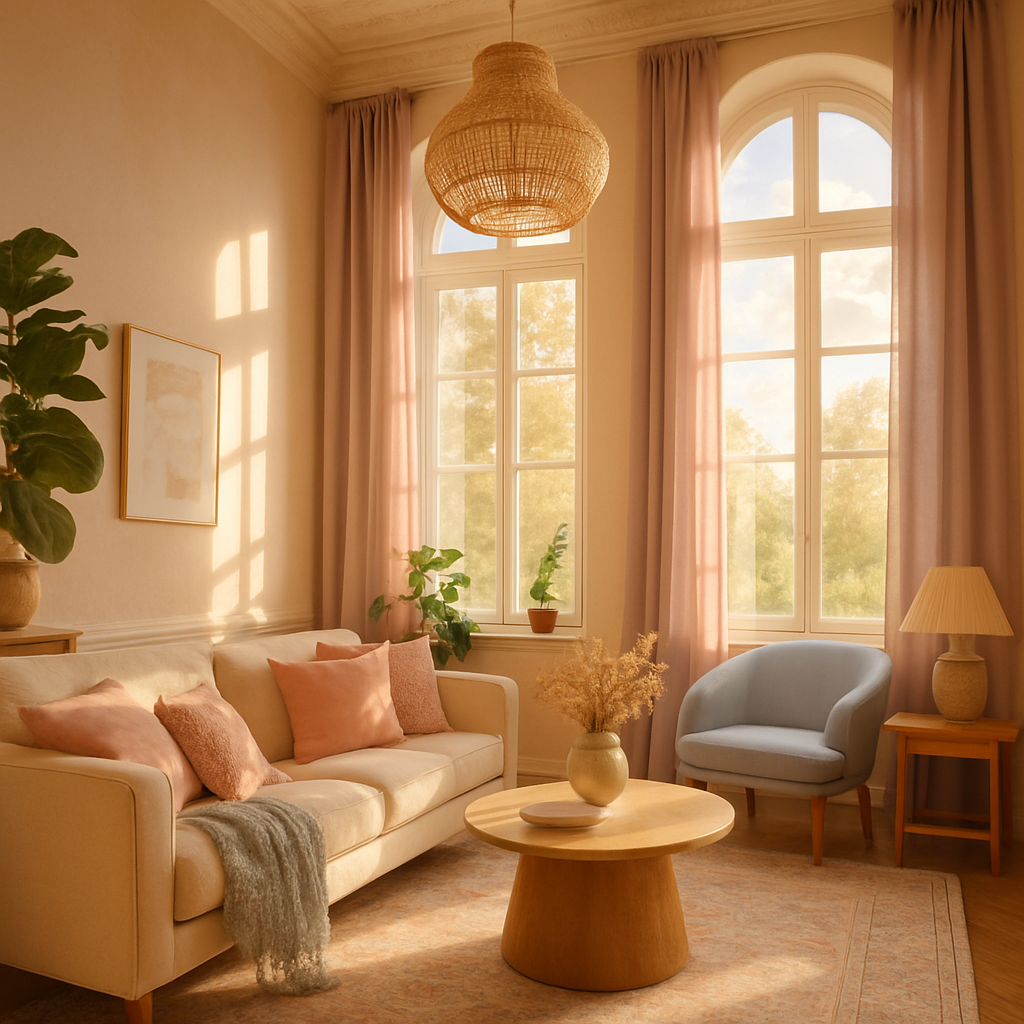
Imagine walking into a room that instantly makes you feel at ease, the colors and lighting perfectly complementing each other, the furniture thoughtfully placed to encourage conversation and relaxation. This is the power of interior design, an art and science that transforms spaces into stunning environments. For those eager to understand the secrets behind these captivating spaces, this article will guide you through foundational concepts, delve into design strategies, and provide expert insights to unlock the potential of your own home.
Understanding the Basics of Interior Design
Interior design is far more than just decoration; it encompasses a comprehensive approach to creating functional and aesthetically pleasing environments. At its core, it involves the careful planning and execution of spatial layouts, color schemes, lighting, and furniture. According to the American Society of Interior Designers (ASID), a well-designed space can enhance mood, improve productivity, and foster a sense of well-being. This holistic approach ensures that every element within a room works in harmony, creating spaces that are not only beautiful but also practical.
One key element of interior design is understanding the distinction between a certified interior designer and a decorator. Designers often possess formal education and credentials such as the NCIDQ (National Council for Interior Design Qualification) certification, indicating their proficiency in creating safe, accessible, and code-compliant spaces. Decorators, on the other hand, focus primarily on aesthetics without the technical expertise. This distinction is crucial when hiring a professional to ensure your project meets both functional and visual goals.
Furthermore, good interior design is tailored to the specific needs of a space's inhabitants. This requires a deep understanding of the users' lifestyle, preferences, and daily routines. For instance, a family room might prioritize comfort and durability, whereas a professional home office demands efficient organization and ergonomic furniture. By focusing on these individual needs, interior designers create spaces that truly enhance the quality of life for their users.
The Impact of Design: Analyzing Data and Trends
Design trends play a significant role in defining the aesthetics of a space. Currently, biophilic design, which incorporates natural elements like plants and sustainable materials, is gaining popularity. According to a survey by Houzz, homeowners are increasingly investing in greenery and organic materials to improve indoor air quality and create a calming atmosphere. This trend highlights a growing awareness of the impact of the built environment on mental and physical health.
Another trend shaping modern interiors is the integration of smart home technologies. From automated lighting systems to climate control, these innovations contribute to both the functionality and energy-efficiency of a home. A study by the International Interior Design Association (IIDA) found that smart home features can increase a property's value by up to 5%, making them a worthwhile investment for future-proofing your living spaces.
However, not all trends are suitable for every home. Experienced professionals often note the importance of aligning trends with the home's architectural style and the client's personal taste. For example, the minimalist elegance of Japandi design, which blends Japanese and Scandinavian aesthetics, may not suit a Victorian-style home. Thus, the challenge lies in discerning which trends enhance your space without compromising its unique character.
Actionable Strategies for Beautiful Interiors
Creating stunning spaces requires more than just an eye for design; it demands a strategic approach to planning and execution. One effective strategy is to start with a clear vision. This involves defining the purpose of each room and identifying key elements that support this purpose. For instance, if you're redesigning your living room, consider how you use the space: Is it for entertaining guests or relaxing after a long day? This clarity will guide your design decisions and ensure cohesiveness.
Next, focus on developing a balanced color palette. Colors have a profound effect on mood and perception, so selecting the right hues can transform a room's ambiance. A well-balanced palette often includes a mix of neutrals and accent colors, providing both harmony and visual interest. For beginners, the 60-30-10 rule is a helpful guideline: 60% of the room should be a dominant color, 30% a secondary color, and 10% an accent color.
Lighting is another crucial component that can dramatically alter a space. Layered lighting, which combines ambient, task, and accent lights, adds depth and dimension to a room. Consider incorporating dimmable lights and strategically placed fixtures to create versatile lighting scenarios. By understanding and applying these strategies, you can create interiors that are not only visually appealing but also functional and comfortable.
Expert Insights: What Professionals Recommend
Professionals in the interior design industry emphasize the importance of quality over quantity. Investing in a few high-quality pieces can make a significant impact, especially in key areas such as furniture and lighting. According to the Architectural Digest's AD PRO network, durable and timeless pieces not only enhance the aesthetic appeal but also reduce the need for frequent replacements, offering long-term value.
Additionally, experts advise integrating personal elements into your design. This could be through artwork, family heirlooms, or travel souvenirs that add character and tell a story. Personalization ensures that the space reflects the inhabitant's personality, making it truly unique. As a result, each room becomes a canvas for self-expression, resonating with those who inhabit it.
Moreover, professionals stress the importance of collaboration with skilled tradespeople, especially for complex projects. Engaging with certified architects and builders, particularly those affiliated with local AIA (American Institute of Architects) chapters, can ensure that renovations meet structural and safety standards. This collaborative approach not only enhances the quality of the finished space but also streamlines the project from conception to completion.
Delving Deeper: Advanced Concepts in Interior Design
For those looking to dive deeper into interior design, understanding spatial flow and proportion is essential. Spatial flow refers to how people move through a space, while proportion deals with the relationship between objects within a room. Achieving an intuitive flow and harmonious proportions can transform the usability of a space, making it feel both spacious and cozy.
Another advanced concept is the use of texture to add interest and depth. Textures can be incorporated through various elements such as fabrics, wall finishes, and accessories. For instance, combining smooth, shiny surfaces like glass or metal with soft, tactile materials such as wool or linen creates a rich sensory experience. This careful layering of textures can elevate a design from ordinary to extraordinary.
Moreover, experienced designers often utilize AR/VR room visualization tools to preview design concepts with clients. These technologies allow homeowners to experience proposed changes in a virtual space, offering a realistic sense of the final outcome. This not only enhances client satisfaction but also minimizes costly changes during the installation phase, ensuring a smoother design process.
The Final Touch: Bringing It All Together
When all elements come together, the result is a cohesive and stunning space that meets both functional and aesthetic goals. Remember that interior design is a dynamic process, one that evolves with trends, technologies, and personal preferences. Staying informed and adaptable is key to maintaining a space that feels fresh and inviting.
Ultimately, the goal of interior design is to create environments that support the well-being and lifestyle of their inhabitants. Whether through the integration of smart technologies, sustainable materials, or personalized touches, the possibilities are endless. Do you feel inspired to transform your living space? Reflect on the strategies and insights discussed here to begin your journey.
Conclusion: Your Next Steps in Interior Design
Interior design unlocks the potential of spaces, turning them into stunning environments that reflect personal taste and enhance daily life. From foundational concepts to advanced strategies, understanding this field empowers you to create rooms that are both beautiful and functional. As you embark on your design journey, consider the insights shared by experts and remember that each decision should align with your vision and lifestyle.
Ready to take the next step? Start by browsing portfolios on platforms like Houzz and Instagram to gather inspiration and identify styles you resonate with. Even 20 minutes of research can sharpen your eye for what you want. With these tools and strategies at hand, you're well-equipped to transform your living space into a stunning masterpiece.



Comments
Post a Comment