The Future of Home Decor: Chat GPT's Impact on Interior Design Choices
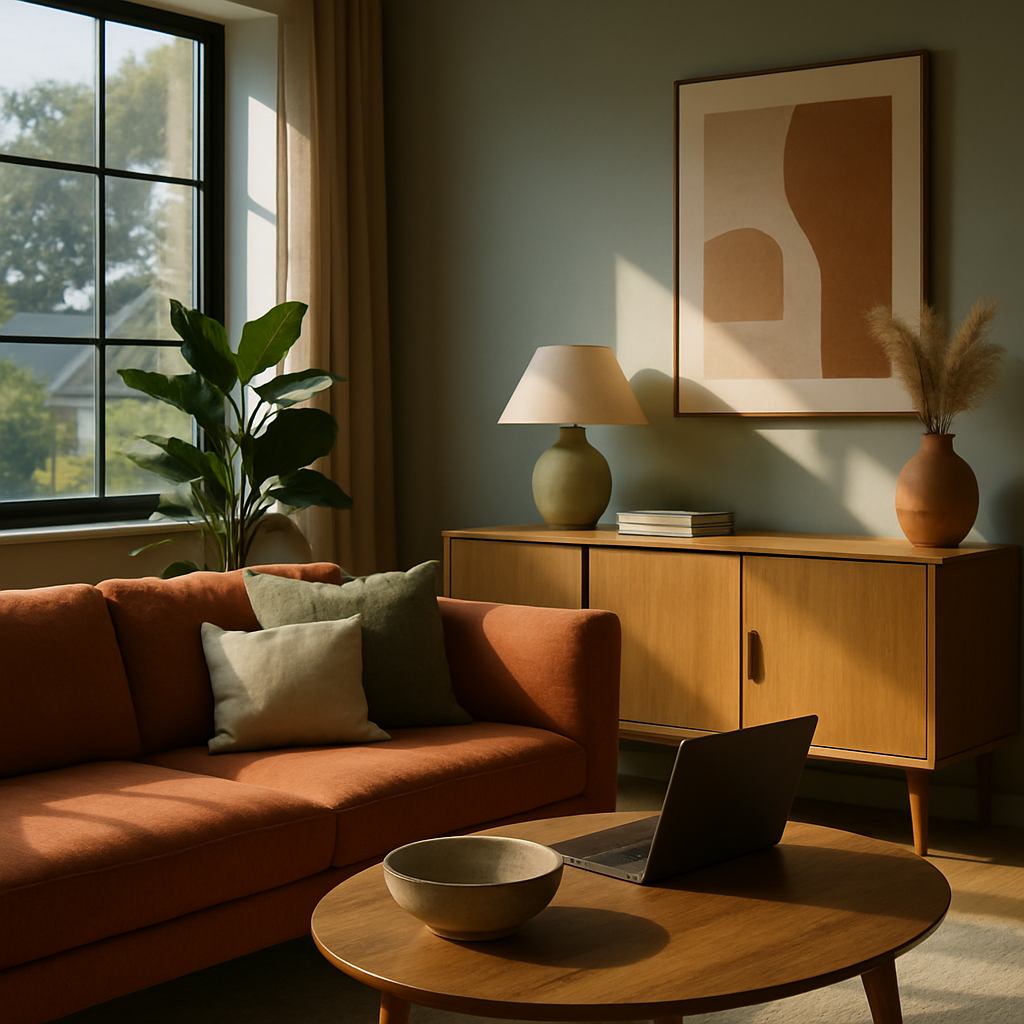
Imagine walking into a room and instantly knowing how to transform it into a space that mirrors your personal style and meets practical needs. Thanks to the emergence of AI technologies like Chat GPT, this vision is becoming a reality for many homeowners and designers. According to a 2023 survey by Houzz, over 60% of homeowners are now considering AI tools to assist with their interior design projects. This shift signals a growing trend where technology plays a pivotal role in shaping aesthetic and functional choices. In this article, we will explore foundational concepts of Chat GPT in design, analyze its influence with relevant data, provide actionable strategies for using AI, offer expert-level insights, delve into additional depths of AI integration, and conclude with final perspectives on this transformative technology.
Understanding Chat GPT's Role in Interior Design
At its core, Chat GPT is an AI-driven language model that processes and generates human-like text based on the input it receives. In the realm of interior design, this technology can offer invaluable assistance by generating design concepts, suggesting color palettes, and even recommending furniture layouts based on user preferences. Unlike traditional design processes that rely heavily on manual research and guesswork, Chat GPT provides immediate feedback and suggestions, streamlining the creative process.
One of the most significant benefits of using Chat GPT in home decor is its ability to swiftly analyze vast amounts of data to tailor recommendations. For instance, by inputting your desired style and budget, the AI can suggest a personalized design plan that aligns with current trends and your financial constraints. This capability not only saves time but also ensures that your design choices are well-informed and on-trend. Furthermore, platforms like Pinterest and Instagram have integrated AI tools that help users visualize their design ideas in real-time, making the design process more interactive and engaging.
For interior designers, Chat GPT offers a collaborative tool that enhances creativity and efficiency. By automating routine tasks like drafting proposals or sourcing materials, designers can focus more on the creative aspects of their work. Experienced professionals often note that AI tools help them push the boundaries of traditional design, enabling them to experiment with innovative ideas that they might not have considered otherwise. As we delve deeper, we'll see how data and analysis further underscore Chat GPT's transformative potential in the industry.
Analyzing Chat GPT's Influence with Data
The impact of Chat GPT on interior design is not just theoretical but is backed by compelling data. According to the American Society of Interior Designers (ASID), the use of AI tools in design has grown by 30% in the past year alone, signaling a rapid adoption rate among professionals and enthusiasts alike. This increase is largely attributed to the efficiency and flexibility that AI brings to the design process, allowing for more personalized and precise outcomes.
Data from Houzz also reveals that projects utilizing AI-assisted design tools report higher satisfaction rates, with 75% of users expressing greater confidence in their design decisions. This is likely because AI can predict design trends and consumer preferences more accurately, reducing the margin for error and enhancing the overall quality of the final design. For instance, AI algorithms can analyze emerging trends such as biophilic design or Japandi style, providing users with recommendations that are both contemporary and personalized.
Moreover, the International Interior Design Association (IIDA) has noted that experienced designers who incorporate AI tools like Chat GPT into their workflow see a 20% increase in project efficiency. This efficiency translates into cost savings for clients, as projects are completed more swiftly and with fewer revisions. As we consider actionable strategies for integrating Chat GPT into your design toolkit, these data points highlight the tangible benefits of embracing AI in your home decor endeavors.
Actionable Strategies for Using Chat GPT in Home Decor
Integrating Chat GPT into your interior design process can be straightforward if you follow a few key strategies. First, define the specific areas where AI can add value. For instance, are you looking to refine your color palette, choose the right furniture, or optimize room layout? By identifying these areas, you can direct Chat GPT to provide targeted recommendations that enhance your decision-making process.
Next, utilize AI's ability to simulate different design scenarios. By inputting various design elements into the AI, you can visualize how changes will impact the overall aesthetic. This can be particularly useful in avoiding costly mistakes. For example, if you're considering adding a feature wall, Chat GPT can help you visualize the impact of different colors or textures before making a commitment. How often have you been overwhelmed by the sheer number of choices? AI can simplify these decisions, allowing for more confident and informed selections.
Finally, leverage AI tools to stay ahead of design trends. With the fast-paced nature of interior design, staying current can be challenging. Chat GPT can provide insights into emerging trends, such as the increasing popularity of sustainable materials or the integration of smart home technology. By keeping abreast of these developments, you can ensure that your design choices are not only stylish but also future-proof. As we explore expert-level details, consider how these strategies can elevate your design projects to new heights.
Expert-Level Insights on AI Integration
Experienced interior designers understand that while AI offers many advantages, it must be used thoughtfully to enhance rather than replace human creativity. The National Council for Interior Design Qualification (NCIDQ), a gold-standard credential for interior designers, emphasizes the importance of blending AI insights with traditional design principles. This approach ensures that the final design is both innovative and grounded in proven methodologies.
One expert insight is the use of AI for client presentations. Designers often use AR/VR room visualization tools, powered by AI, to provide clients with immersive design experiences. This technology allows clients to virtually walk through their redesigned spaces, making it easier for them to provide feedback and make informed decisions. This not only improves client satisfaction but also reduces the need for multiple revisions, saving time and resources.
Furthermore, professionals highlight the role of AI in sourcing sustainable materials, a growing priority in modern design. AI can analyze a wide range of products to recommend options that meet both aesthetic and environmental criteria. This aligns with the increasing demand for eco-friendly designs that incorporate reclaimed materials and energy-efficient solutions. As we delve into additional depths of AI integration, consider how these expert insights can enhance your approach to home decor.
Delving Deeper into AI's Potential
Beyond immediate design applications, Chat GPT holds potential for broader impacts in the interior design industry. For instance, AI can assist in predictive analysis, helping designers anticipate future trends based on current data. This capability allows for strategic planning, ensuring that designers remain competitive in an ever-evolving market. Imagine the advantage of knowing which styles will dominate the next season before they hit mainstream consciousness.
AI also facilitates greater collaboration between designers and clients. By providing a platform for shared ideas and instant feedback, AI tools foster a more interactive design process. Clients can articulate their preferences more clearly, and designers can respond with tailored solutions that reflect these insights. This collaborative approach not only enhances the design outcome but also strengthens the client-designer relationship.
Moreover, the integration of smart home technology into design projects is another area where AI plays a pivotal role. By recommending smart lighting, climate control, and automated window treatments, Chat GPT helps create spaces that are both stylish and functional. As we move towards our final perspectives, consider how these deeper applications of AI can transform your home decor projects.
Final Perspectives on AI in Interior Design
As we consider the future of home decor, it's clear that Chat GPT and similar AI technologies are set to play an increasingly central role. The ability of AI to analyze data, predict trends, and provide personalized recommendations offers unprecedented opportunities for innovation in interior design. However, it's essential to balance these technological advancements with the unique human touch that defines great design.
Designers and homeowners alike must approach AI as a tool that complements their creativity rather than replaces it. By understanding its capabilities and limitations, they can harness AI's potential to enhance their design processes and outcomes. This mindset will ensure that AI becomes an integral part of a holistic design strategy that prioritizes both style and substance.
As we conclude, consider how you might integrate AI into your own design projects. What areas could benefit from AI's insights, and how can you ensure that your designs remain authentic and personalized? These reflections will guide your exploration of AI's role in transforming the future of home decor.
Conclusion
The impact of Chat GPT on interior design choices is profound, offering new tools and insights that can significantly enhance the design process. By leveraging AI's capabilities, designers and homeowners can achieve more personalized, efficient, and forward-thinking design solutions. However, the key lies in using AI as a complement to human creativity, ensuring that the unique vision and personal touch remain central to every project.
As you embark on your next design project, start by exploring AI tools available on platforms like Houzz or Pinterest. Spend some time this week researching how these technologies can enhance your design strategy. Even a brief exploration can open up new possibilities and improve your design outcomes. Embrace the future of home decor by integrating AI into your creative process, and watch as your design aspirations come to life with newfound ease and precision.

Comments
Post a Comment