Enhancing Your Space: Practical AI Applications in Interior Design Today
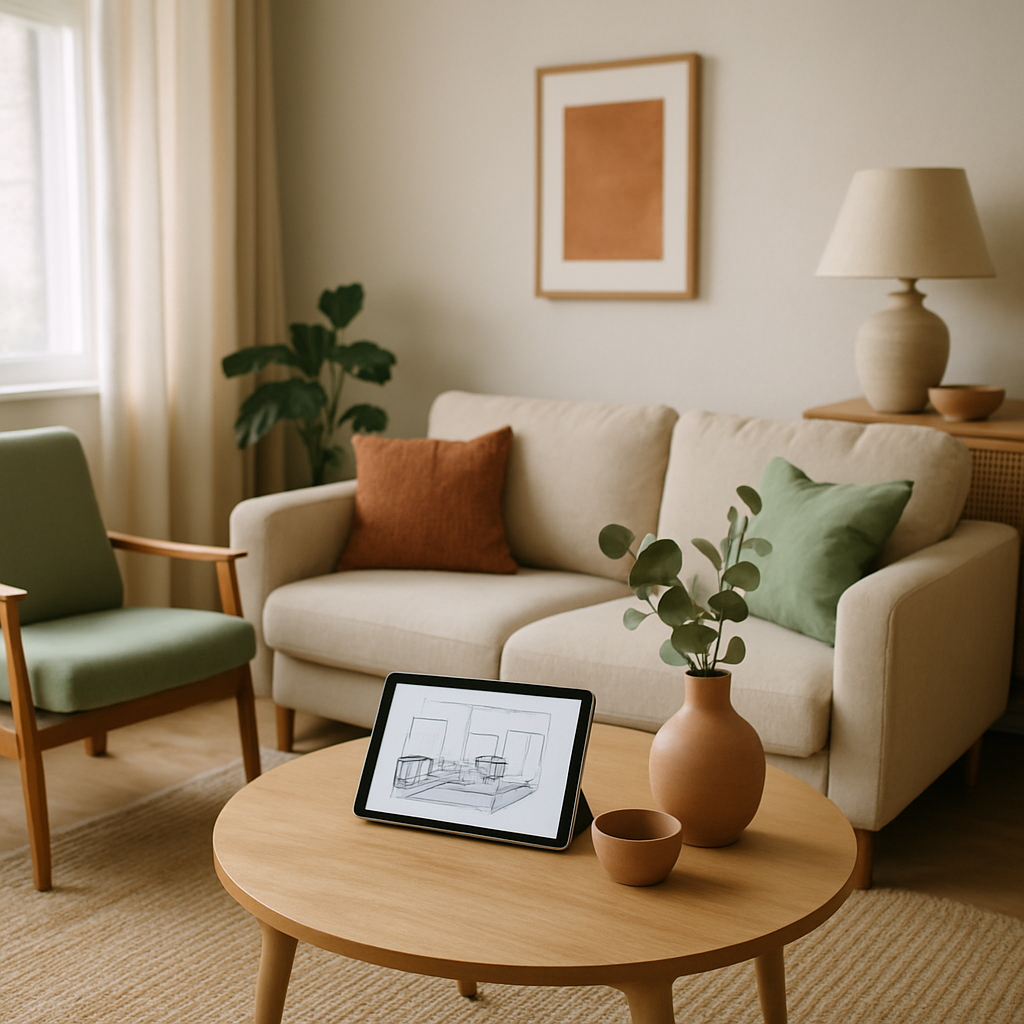
Imagine walking into a room and experiencing an almost magical transformation - the lighting adjusts to your mood, the furniture aligns with your daily activities, and every corner reflects your personal style. This isn't a vision from a sci-fi movie but a reality powered by artificial intelligence in interior design. AI is not just a futuristic buzzword; it's a practical tool reshaping how spaces are conceived and executed. In this article, we'll explore foundational concepts of AI in design, analyze current trends with supporting data, provide actionable strategies for integrating AI into your projects, and offer expert insights to guide your next steps in creating a more intuitive and responsive environment.
Understanding AI in Interior Design: Foundational Concepts
Artificial Intelligence (AI) is revolutionizing interior design by automating processes and enhancing creativity. At its core, AI enables designers to analyze patterns and predict trends, offering a data-driven approach to creativity. Tools like AR (Augmented Reality) and VR (Virtual Reality) are becoming increasingly popular, allowing designers and clients to visualize spaces in 3D before any physical changes occur. According to Architectural Digest's AD PRO network, these technologies are now standard in top-tier design projects, enabling more precise planning and execution.
One of the most significant advancements is AI's ability to compile and analyze vast amounts of data quickly. Platforms like Houzz use AI algorithms to suggest design ideas based on user preferences and previous searches. This personalized approach not only saves time but also offers a tailored experience that aligns closely with the client's vision. The American Society of Interior Designers (ASID) notes that AI-driven design can reduce project timelines by up to 30%, a significant efficiency boost.
Moreover, AI tools can automate repetitive tasks such as drafting floor plans or sourcing materials, freeing up more time for creative exploration. Experienced professionals often note that the integration of AI allows designers to focus on the artistic aspects of their work, enhancing overall project quality. As we delve deeper, you'll see how these foundational concepts manifest in practical applications that can enhance your space.
Data-Driven Design: Analyzing Trends and Performance
The impact of AI on interior design is not just limited to visualization; it extends to data-driven decision-making. A recent survey by Houzz revealed that 75% of designers using AI tools report higher client satisfaction rates. This is largely due to AI's ability to analyze and predict design trends, ensuring that the final product is not only aesthetically pleasing but also forward-thinking. For instance, biophilic design, which incorporates natural materials and elements, has seen a significant uptick in popularity, driven by AI's analytical capabilities.
AI also plays a crucial role in optimizing space utilization. By assessing usage patterns and preferences, AI can recommend layouts that maximize functionality without compromising style. This is particularly useful in urban settings where space is at a premium. The International Interior Design Association (IIDA) highlights that AI-assisted designs can increase usable space by up to 20%, a game-changer for compact apartments and offices.
Furthermore, AI's ability to predict future trends ensures that designs remain relevant and timeless. By analyzing social media platforms like Instagram and Pinterest, AI can identify emerging patterns and incorporate them into your design strategy. Such insights are invaluable for anyone looking to create a space that reflects current tastes while anticipating future shifts. As we move forward, we'll explore how you can harness these capabilities to create a more personalized environment.
Implementing AI: Actionable Strategies for Your Projects
Are you considering integrating AI into your next interior design project? Start by leveraging AR/VR tools to visualize your design concepts. Platforms like SketchAR and RoomSketcher offer user-friendly interfaces that allow you to experiment with different layouts and color schemes without any commitment. This not only enhances creativity but also provides a clear picture of what the final outcome will look like.
Next, consider using AI-powered platforms like Modsy for furniture placement and selection. Modsy utilizes AI to recommend furniture and decor that fit your style and budget, streamlining the decision-making process. By inputting your room dimensions and design preferences, you can receive customized recommendations that align with the latest trends, ensuring your space is both functional and stylish.
AI can also optimize your budget by identifying cost-effective alternatives. For example, AI tools can suggest sustainable materials that reduce costs while maintaining quality. Houzz's annual survey data indicates that homeowners who use AI tools for budgeting tend to save 10-15% on their overall project costs. These strategies not only enhance your space but also make the design process more efficient and enjoyable. Let's delve into expert insights that can further refine your approach.
Expert Insights: Elevating Your Design with AI
Experienced interior designers often emphasize the importance of blending AI with traditional design principles to achieve the best results. While AI provides valuable data and automation, the human touch remains crucial in interpreting these insights to create spaces that are truly reflective of the client's personality and needs. Certified interior designers, holding credentials such as NCIDQ (National Council for Interior Design Qualification), are adept at balancing AI capabilities with their professional expertise.
One of the key advantages of AI is its ability to facilitate collaboration between designers and clients. Tools like Foyr Neo allow clients to interact with design models in real-time, providing feedback and making adjustments on the fly. This interactive process ensures that the final design is a true reflection of the client's vision, enhancing satisfaction and reducing the likelihood of costly revisions.
Moreover, AI's predictive capabilities can be leveraged to create designs that are not only aesthetically pleasing but also sustainable. With growing awareness about environmental issues, many clients are seeking designs that minimize ecological impact. AI can suggest eco-friendly materials and energy-efficient solutions that align with these goals. As we explore additional expert details, consider how these insights might influence your own design projects.
Additional Details: The Future of AI in Interior Design
Looking ahead, AI is poised to further revolutionize the interior design industry. The integration of smart home technology is one such advancement. AI-powered systems can control lighting, climate, and even window treatments, creating a dynamic environment that adapts to your lifestyle. This level of automation not only enhances comfort but also maximizes energy efficiency.
Another exciting development is the use of AI in creating personalized design experiences. By analyzing data from various sources, AI can predict individual preferences and suggest tailored design solutions. The American Institute of Architects (AIA) suggests that such personalized approaches are becoming increasingly popular, as they allow for a more intimate connection between the space and its occupants.
As AI continues to evolve, it will undoubtedly introduce new tools and techniques that can be leveraged to create innovative and functional designs. The future of interior design is bright, with AI offering endless possibilities to enhance your space. In our final section, we'll consider how you can take advantage of these developments today.
Final Perspectives: Preparing for AI-Driven Design
As AI becomes an integral part of interior design, it's essential to stay informed about the latest tools and techniques. Whether you're an industry professional or a design enthusiast, understanding how AI can enhance your space is key to creating environments that are both functional and inspiring. Are you ready to embrace this technological evolution?
Begin by exploring platforms like Houzz and Architectural Digest's AD PRO network, which offer insights into current trends and AI applications. Engage with communities and forums to share experiences and learn from others who are also navigating this exciting landscape. By remaining proactive, you can ensure that your design projects benefit from the latest advancements in AI technology.
In conclusion, AI is not just a tool of the future; it's a powerful ally that can transform your interior design projects today. From visualization and space optimization to budget management and sustainability, AI offers practical applications that enhance your space in meaningful ways. Start by browsing portfolios on Houzz this week - even 20 minutes of research will sharpen your eye for what you want. Embrace the potential of AI and discover how it can help you create the space of your dreams.



Comments
Post a Comment