Sustainable Home Interior Design: Eco-Friendly Tips and Trends You Need to Know
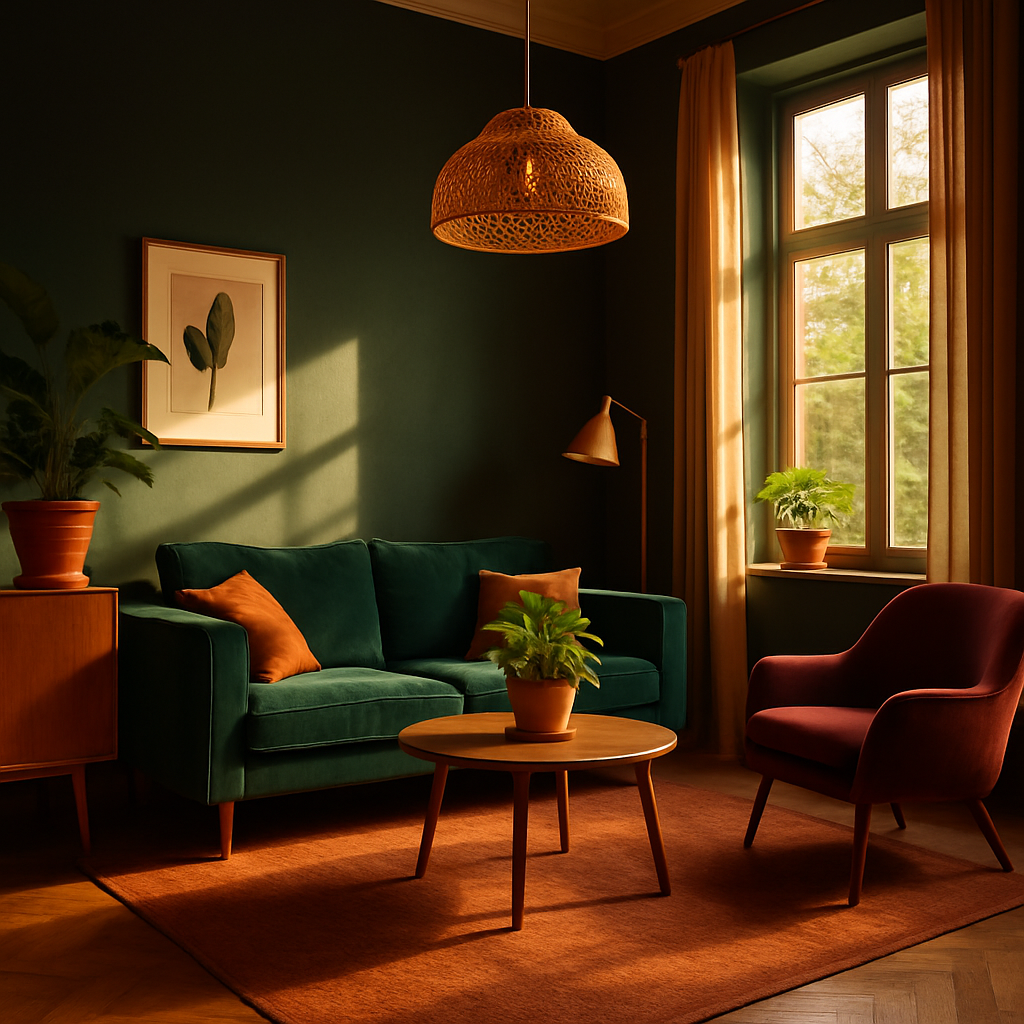
Are you aware that integrating sustainable design into your home can not only reduce your carbon footprint but also potentially increase your property's resale value by 5-15%? As more homeowners become environmentally conscious, the demand for sustainable home interior design is on the rise. This growing trend underscores a shift toward eco-friendly materials, energy-efficient designs, and innovative technologies that offer both style and sustainability. In this article, we'll delve into the core principles of sustainable design, explore current trends, and provide actionable tips for transforming your living space into an eco-friendly haven. We'll also highlight expert insights and industry standards to help you make informed decisions.
Understanding the Foundations of Sustainable Design
At the heart of sustainable home interior design is the principle of reducing environmental impact while enhancing the quality of life within the space. This involves selecting materials that are renewable, recycled, or sustainably sourced. According to the American Society of Interior Designers (ASID), opting for materials like bamboo, reclaimed wood, and recycled metals can significantly lower your home's ecological footprint. These materials not only offer durability but also bring a unique aesthetic to your interiors.
Beyond materials, energy efficiency is a crucial component of sustainable design. The use of energy-efficient lighting, appliances, and climate control systems can drastically reduce energy consumption. The use of LED lighting, for instance, can cut electricity use by up to 75% compared to traditional incandescent bulbs. Incorporating smart home technology to automate lighting and temperature settings adds another layer of efficiency, contributing to lower energy bills and a more sustainable lifestyle.
Water conservation is another foundational element. Fixtures such as low-flow toilets and faucets, along with rainwater harvesting systems, help minimize water usage. By integrating these elements into your home, you not only conserve precious resources but also align with a global movement toward sustainability. As we transition to discussing current trends, consider how these foundational concepts can be adapted to your own space.
Current Trends in Eco-Friendly Home Design
One of the most prominent trends in sustainable home interior design is biophilic design, which emphasizes the connection between interiors and the natural environment. This trend involves the use of natural materials, plants, and designs that enhance indoor-outdoor flow. According to Houzz's annual survey, homeowners are increasingly prioritizing designs that incorporate elements such as living walls and large windows to maximize natural light.
Another trend gaining traction is the concept of "quiet luxury," which focuses on understated elegance using quality materials that last. This approach often involves the use of neutral palettes, organic textures, and timeless designs that do not go out of style. Such investments not only contribute to sustainability by reducing the need for frequent updates but also create a serene and sophisticated environment.
Finally, the integration of smart home technology is redefining sustainable design. Automated systems that control lighting, heating, and window treatments can optimize energy use and reduce waste. These technologies, often integrated via smartphone apps, provide homeowners with greater control over their energy consumption patterns. As you consider these trends, think about which elements resonate with your lifestyle and how they can be incorporated into your own home.
Practical Strategies for Sustainable Design
To embark on a sustainable home interior design project, start by conducting an energy audit to identify areas where improvements can be made. This will help you prioritize changes that offer the greatest impact, such as upgrading insulation or replacing outdated appliances with energy-efficient models. Many local utility companies offer free or low-cost energy audits, which can be an excellent resource for homeowners.
When selecting materials, consider choosing products with certifications from organizations like the Forest Stewardship Council (FSC) for wood products or the Global Organic Textile Standard (GOTS) for fabrics. These certifications ensure that the materials are sourced and produced sustainably. Additionally, look for locally sourced materials to reduce the carbon emissions associated with transportation.
Finally, repurposing and upcycling existing furniture can be a cost-effective and eco-friendly strategy. Instead of discarding old pieces, consider how they might be refreshed with a new coat of paint or reupholstered in sustainable fabric. This approach not only reduces waste but also adds a personal touch to your home. As we delve into more expert-level details, keep these practical strategies in mind as foundational steps toward a sustainable home.
Expert Insights on Sustainable Interior Design
Experienced professionals often note that successful sustainable design is as much about mindset as it is about materials. Embracing a minimalist approach, for instance, can reduce consumption and create a more harmonious living space. This philosophy aligns with the Japandi trend, which combines Japanese minimalism with Scandinavian warmth to create a clean yet cozy environment.
Furthermore, experts from the International Interior Design Association (IIDA) emphasize the importance of lifecycle thinking. This involves considering the environmental impact of a product from production to disposal. By choosing products designed for durability and recyclability, homeowners can significantly reduce their environmental footprint over time. This approach not only supports sustainability but also encourages thoughtful consumerism.
Another key insight is the role of technology in enhancing sustainable design practices. Tools such as augmented reality (AR) and virtual reality (VR) are increasingly used to visualize design concepts and make informed decisions before implementation. These technologies allow homeowners to experiment with different layouts and materials, reducing the risk of costly mistakes. As we explore additional depth, consider how these expert insights can refine your approach to sustainable design.
Additional Depth: Beyond the Basics
For those looking to deepen their commitment to sustainable interior design, consider exploring the use of reclaimed and vintage items. These pieces not only add character to a space but also reduce the demand for new resources. Architectural Digest's AD PRO network highlights that incorporating vintage elements can add a unique touch to modern interiors while supporting sustainability.
Moreover, the use of non-toxic and low-VOC (volatile organic compounds) paints and finishes is crucial for maintaining indoor air quality. Many leading paint brands now offer eco-friendly options that reduce harmful emissions without sacrificing color or durability. This choice can significantly enhance the health and well-being of your home's occupants.
Lastly, consider engaging with local artisans and craftspeople who use sustainable methods. Supporting local businesses not only stimulates the economy but also ensures that your home reflects a sense of place and community. As we wrap up with final perspectives, reflect on how these additional strategies can contribute to a holistic sustainable design approach.
Final Perspectives on Sustainable Design
As you embark on your sustainable home interior design journey, remember that every small decision contributes to a larger impact. Whether it's selecting eco-friendly materials or integrating smart technology, these choices collectively enhance your home's sustainability. The key is to prioritize changes that align with your values and lifestyle.
Reflect on the aspects of your home that are most important to you. Are there areas where you can make immediate improvements, or do you need to plan for long-term investments? By asking these questions, you can create a roadmap for sustainable design that is both practical and inspiring.
In conclusion, sustainable design is an evolving practice that requires ongoing commitment and creativity. The trends and strategies outlined here offer a foundation for making informed decisions that benefit both your home and the environment. As we conclude, consider the specific actions you can take today to begin your sustainable design journey.
Conclusion
Sustainable home interior design is not just a trend-it's a movement toward a more conscious and responsible way of living. By understanding foundational concepts, embracing current trends, and implementing expert strategies, you can transform your home into a space that is both stylish and environmentally friendly. Remember, the journey to sustainability starts with a single step. Start by browsing designer portfolios on Houzz or local IIDA chapters this week-dedicating even 20 minutes can significantly sharpen your vision and understanding of eco-friendly design options. Your home is not just a place to live; it's a reflection of your values and a catalyst for positive change.



Comments
Post a Comment