The Art of Interior Design: How It Transforms Your Living Environment
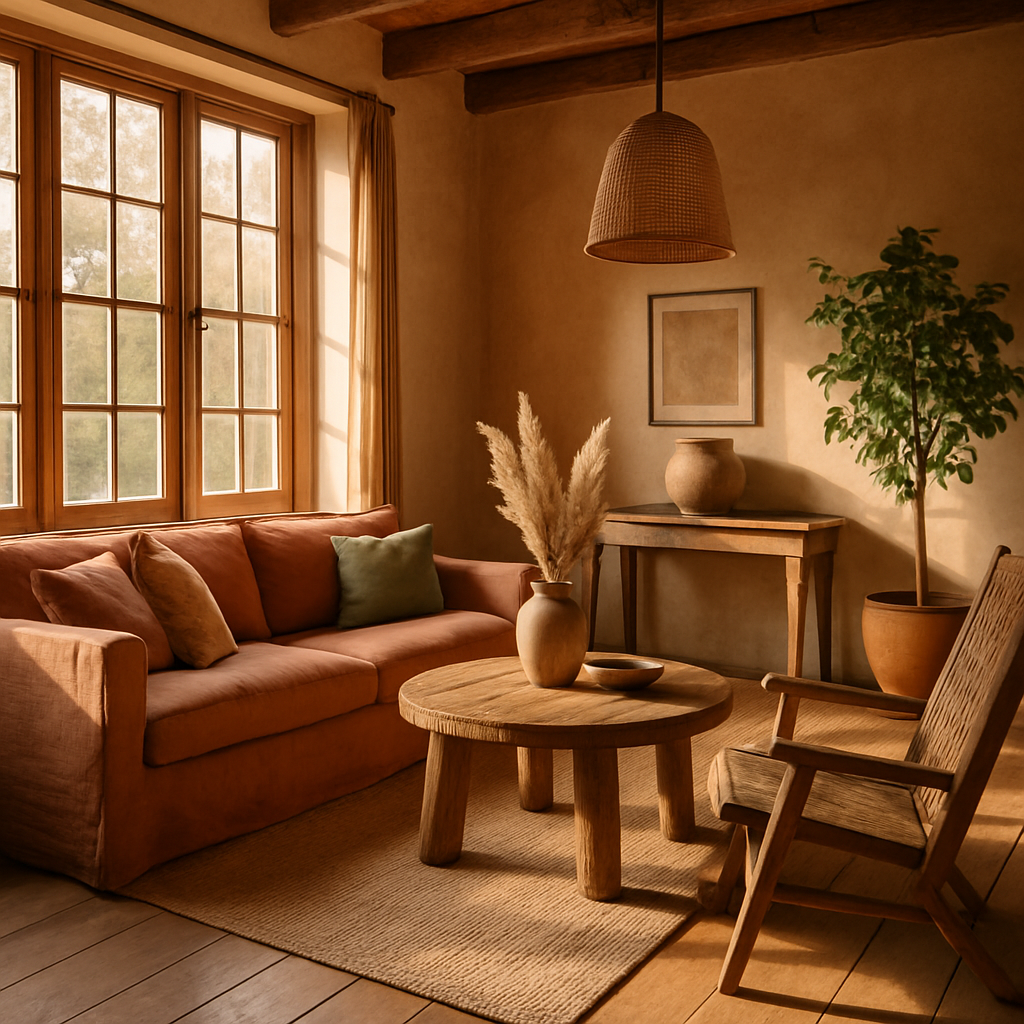
Imagine stepping into a room where every element feels perfectly placed, where colors and textures create a harmonious ambiance, and where functionality meets aesthetic appeal. This is not a mere fantasy but the power of interior design at work. According to the American Society of Interior Designers (ASID), well-designed interiors can boost your home's resale value by 5-15%. The art of interior design is not just about decoration; it's about crafting spaces that enhance your lifestyle and well-being. This article will delve into the foundational concepts of interior design, explore deeper analyses with data, provide actionable strategies, offer expert insights, add further depth, and conclude with final perspectives.
Understanding the Foundational Concepts of Interior Design
Interior design is more than just choosing colors and furniture. It is an intricate balance of creativity and practicality, where each decision is guided by the principles of design-scale, proportion, balance, rhythm, and harmony. These principles are essential for creating visually pleasing and functional spaces. For instance, scale and proportion ensure that furniture fits the space without overwhelming it. An oversized couch in a small living room disrupts balance, while appropriately sized furniture enhances flow and usability.
Moreover, the art of interior design involves understanding the psychology of color and its impact on mood and behavior. Experienced designers often use warm colors to invoke a sense of comfort and calm, whereas cooler shades might be employed to enhance focus and productivity. The strategic use of color can transform a sterile room into a welcoming haven or a chaotic workspace into a serene and organized environment.
Another fundamental concept is the integration of lighting, which plays a crucial role in highlighting design elements and setting the mood. Whether it's natural light streaming through large windows or strategically placed artificial lighting, the right illumination can enhance the desired atmosphere. How does your current lighting support the activities in each room? If it's not serving its purpose, it might be time to rethink your lighting strategy.
Exploring Deeper Analysis with Data
Data-driven insights are invaluable in the world of interior design. According to a recent Houzz survey, 85% of homeowners reported increased satisfaction with their living spaces after a redesign. This statistic highlights the tangible benefits of investing in professional interior design. Furthermore, incorporating design elements that reflect current trends, such as biophilic design, can elevate a space's appeal. Biophilic design emphasizes natural materials and indoor-outdoor connections, responding to a growing desire for environments that promote well-being.
The International Interior Design Association (IIDA) notes that sustainable design is becoming increasingly important. Designers are now prioritizing eco-friendly materials and energy-efficient solutions. This shift not only appeals to environmentally conscious consumers but also contributes to long-term cost savings. Have you considered how sustainable choices could impact your living environment and reduce your ecological footprint?
Moreover, the integration of smart home technology is transforming interior design. Lighting automation, climate control, and smart window treatments are not just futuristic fantasies but practical enhancements that increase comfort and convenience. As homes become smarter, designers must adapt to incorporate these technologies seamlessly into their designs. This approach ensures that spaces remain functional and relevant in a rapidly advancing technological landscape.
Implementing Actionable Strategies for Interior Design
To begin transforming your living environment, start by assessing your space's current functionality and aesthetics. Map out how you and your family use each room-where you gather, where you work, and where you relax. This assessment will help identify areas that require redesign or reconfiguration. Consider starting with one room at a time to manage the scope and budget effectively.
Next, create a mood board to visualize your design preferences. Platforms like Houzz and Pinterest offer vast collections of images and design ideas. These tools allow you to gather inspiration and identify patterns in your taste, such as preferred color palettes or furniture styles. Keep in mind that while trends are exciting, your space should ultimately reflect your personality and lifestyle.
Finally, establish a realistic budget for your design project. According to industry standards, a single room redesign can cost between $5,000 and $15,000, while a full-home project may range from $50,000 to $150,000. Understanding these costs upfront will help you prioritize elements that offer the most significant impact. Experienced professionals often advise focusing on high-traffic areas first, as these spaces provide the greatest return on investment in terms of daily enjoyment and potential property value increase.
Gaining Expert-Level Insight into Interior Design
When seeking professional help, it's crucial to differentiate between certified interior designers and decorators. Certified designers typically hold credentials such as the NCIDQ (National Council for Interior Design Qualification), which signifies a high level of expertise and adherence to industry standards. In contrast, decorators may not have formal training but can still offer valuable aesthetic guidance.
Understanding the fee structures of interior designers can also aid in making informed decisions. Professionals may charge a flat fee, an hourly rate (typically $150-$500 per hour), or a percentage of the total project cost (usually 10-25%). Some designers also apply procurement markups on furniture and materials. Being aware of these options allows you to select a pricing model that aligns with your budget and expectations.
Additionally, consider the typical phases of a design project: concept development, design presentation, procurement, installation, and styling. Each stage requires careful planning and communication between you and your designer. By staying engaged throughout the process, you can ensure the final result aligns with your vision. Are you prepared to collaborate with a professional to bring your design dreams to life?
Adding Further Depth to Your Design Knowledge
Staying abreast of current design trends can further enhance your living environment. One popular trend is Japandi, a fusion of Japanese minimalism and Scandinavian warmth. This style emphasizes clean lines, natural materials, and a neutral color palette, creating a serene and functional space. Such trends not only reflect cultural influences but also cater to the increasing demand for calm and clutter-free environments.
The concept of quiet luxury is also gaining traction, where understated elegance takes precedence over ostentation. This trend focuses on quality over quantity, favoring timeless pieces and craftsmanship. Investing in a few key high-quality items can elevate a room's sophistication without overwhelming it. How do you balance luxury and simplicity in your home?
Finally, the rise of augmented reality (AR) and virtual reality (VR) tools has revolutionized the design process. These technologies allow designers to create immersive visualizations of proposed designs, enabling clients to experience potential changes before implementation. This innovation not only enhances the decision-making process but also reduces the risk of costly design errors.
Final Perspectives on Interior Design
Interior design is a dynamic and evolving field that offers endless possibilities for transforming living environments. Whether you choose to undertake a DIY project or hire a professional, understanding the principles and trends can guide you toward achieving your desired outcome. The key is to remain open to new ideas and innovative solutions that enhance both form and function.
As you reflect on the potential of interior design to impact your home and life, consider the long-term benefits of a well-designed space. Not only can it provide immediate comfort and satisfaction, but it can also contribute to your home's value and personal well-being. Are you ready to embark on a journey to transform your living environment through the art of interior design?
Conclusion: Taking the Next Steps in Transforming Your Space
In summary, the art of interior design offers a powerful means of transforming your living environment. By understanding foundational concepts, analyzing data, implementing strategies, gaining expert insights, and exploring additional depth, you can create a space that truly reflects your personality and lifestyle. Whether through small changes or a complete overhaul, the impact of thoughtful design is undeniable.
If you're considering a redesign, start by browsing portfolios on Houzz or consulting with certified professionals from organizations like ASID or IIDA. Even 20 minutes of research can sharpen your eye for what you want. Take the first step today and watch as your living environment becomes a testament to the art of interior design.



Comments
Post a Comment