The Future of Interior Design Jobs: Trends and Opportunities for 2024
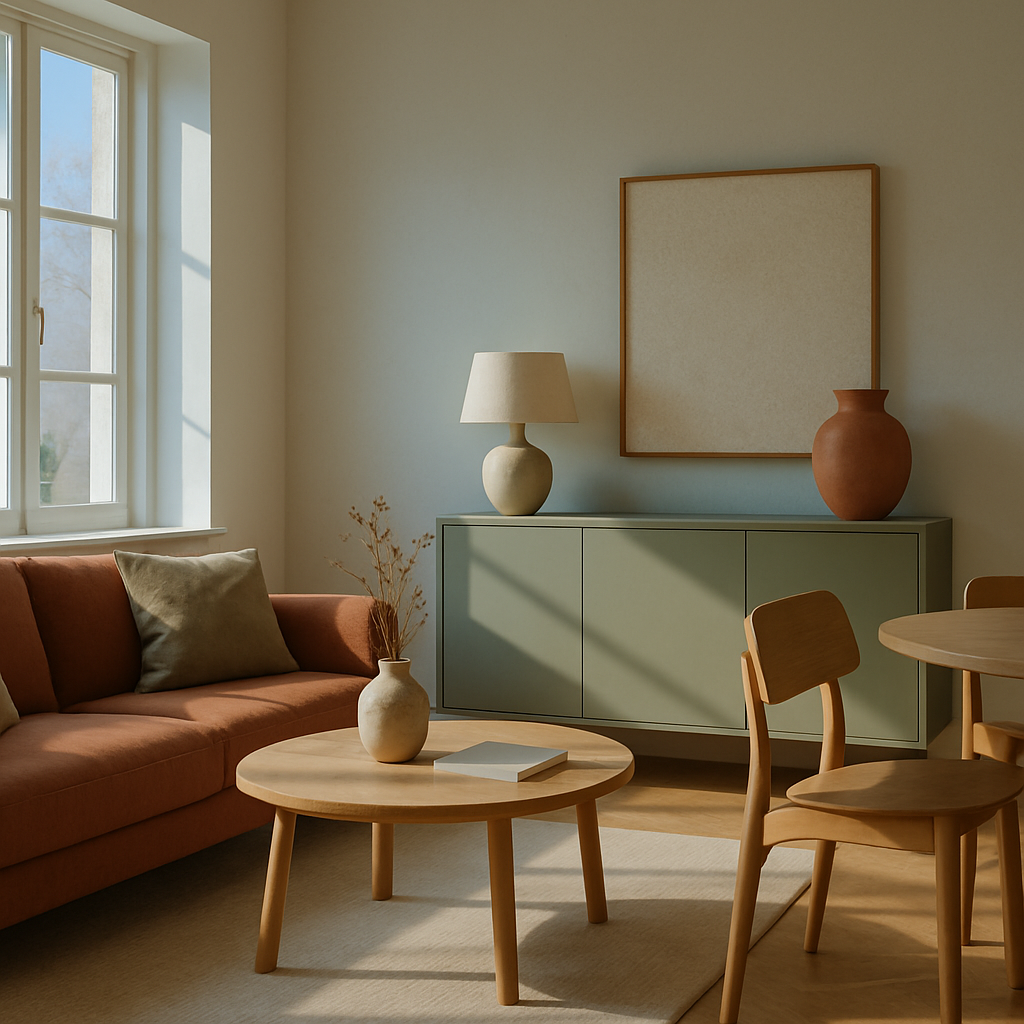
Amidst the rapidly shifting landscape of interior design, professionals today face a dynamic array of opportunities and challenges. According to a recent survey by the American Society of Interior Designers (ASID), 74% of designers believe that staying ahead of trends is crucial to their success. As we look toward 2024, the profession continues to evolve, driven by technological advancements, sustainability demands, and changing consumer preferences. This article will explore foundational concepts shaping the future of interior design jobs, delve into data-driven insights, and offer actionable strategies for professionals looking to thrive. We'll also highlight expert perspectives and industry specifics to equip you with the knowledge needed to navigate the future successfully.
Emerging Trends Shaping Interior Design
As we move into 2024, several key trends are emerging within the interior design industry that are reshaping job roles and expectations. One prominent trend is the increasing focus on sustainability and eco-friendly designs. Designers are now more than ever integrating natural materials, such as reclaimed wood and recycled metals, into their projects. This shift is driven by both consumer demand and regulatory changes emphasizing sustainable practices.
Another significant trend is the integration of technology into design processes. Interior designers are leveraging advanced tools like Augmented Reality (AR) and Virtual Reality (VR) to create immersive design experiences for clients. These technologies allow clients to visualize spaces before any physical changes are made, significantly enhancing the decision-making process. Are you prepared to incorporate these tools into your workflow?
Lastly, the trend of biophilic design is gaining momentum, emphasizing a strong connection between indoor spaces and the natural environment. This approach not only meets aesthetic criteria but also contributes to the well-being of occupants. By designing spaces that incorporate elements like natural lighting, greenery, and water features, designers can create environments that promote health and productivity.
Data-Driven Insights in Design
The role of data in interior design is becoming increasingly critical. According to a Houzz report, 65% of homeowners are now using data to inform their renovation decisions, focusing on aspects like energy efficiency and smart home features. Designers who can interpret and apply this data effectively will have a competitive edge in the job market.
Data analytics tools help designers understand trends in client preferences, spending habits, and satisfaction levels. For example, the International Interior Design Association (IIDA) provides comprehensive data insights into consumer behavior and design trends through annual surveys. By staying informed and adapting to these insights, designers can align their services with client expectations more accurately.
Moreover, data can be used to measure the success of design solutions post-implementation. Tracking metrics such as energy consumption, user satisfaction, and space utilization allows designers to refine their approaches continuously. How are you currently leveraging data in your design practice, and what areas could benefit from greater analytical insight?
Actionable Strategies for Designers
Adapting to the evolving demands of the interior design industry requires strategic planning and proactive skill development. One effective strategy is to pursue formal certification through programs like the NCIDQ (National Council for Interior Design Qualification) exam. This credential not only enhances credibility but also opens doors to more prestigious projects and positions.
Networking within professional organizations such as ASID and IIDA can also provide valuable opportunities for growth and collaboration. Attending conferences, participating in workshops, and engaging in online forums are excellent ways to stay connected with industry peers and trends. Have you considered joining these networks to expand your professional reach?
Additionally, diversifying your skill set can help you remain competitive. As technology becomes more integral to design, acquiring proficiency in design software, AR/VR tools, and smart home technologies will be crucial. Investing time in continuous learning through online courses or certifications can significantly enhance your marketability.
Expert Perspectives on Future Opportunities
Experienced professionals often note that the future of interior design is not just about creativity but also about strategic business acumen. According to Architectural Digest's AD PRO network, designers who understand financial management, project budgeting, and client negotiation are better positioned to lead successful projects and firms.
With the growing trend of remote work, designers can now offer virtual consultations and online design services. This shift expands the potential client base beyond geographical limitations. Platforms like Houzz and Pinterest serve as powerful tools for showcasing portfolios and connecting with clients globally.
Furthermore, the demand for specialized interior design roles is expected to increase. Areas such as commercial design, healthcare environments, and sustainable design require specific expertise and present substantial opportunities for career advancement. How might you specialize your practice to capitalize on these emerging niches?
Deep Dive Into Industry-Specific Details
Understanding the business side of interior design is crucial for those looking to excel in the field. Fee structures can vary widely, with designers typically charging a flat fee, an hourly rate ranging from $150 to $500, or a percentage of the total project cost, often between 10% and 25%. Familiarity with these models ensures designers can choose the best approach for their business and clients.
Project phases, including concept development, design presentation, procurement, installation, and styling, require meticulous planning and execution. Each phase presents unique challenges and opportunities for innovation. Have you mapped out your process to ensure efficiency and client satisfaction from start to finish?
Additionally, staying informed about the impact of well-designed interiors on property values is essential. Studies suggest that thoughtfully designed spaces can increase resale value by 5% to 15%. By emphasizing this benefit, designers can effectively communicate the value of their services to potential clients.
Final Perspectives on the Future
As the interior design industry continues to transform, professionals must remain adaptable and forward-thinking. The convergence of technology, sustainability, and consumer preferences is reshaping the landscape, creating new possibilities for those ready to embrace change.
Looking ahead, the key to success lies in continuous learning and innovation. By staying updated with industry trends, leveraging data insights, and expanding skill sets, designers can position themselves at the forefront of the profession. Are you equipped to navigate the future of interior design?
Conclusion
In conclusion, the future of interior design jobs in 2024 promises to be both vibrant and challenging. With trends like sustainability, technology integration, and biophilic design gaining traction, opportunities abound for those prepared to adapt. By pursuing certifications, networking, and diversifying skills, designers can secure their place in this evolving industry. Your next step? Start by browsing portfolios on platforms like Houzz this week - even 20 minutes of research will sharpen your eye for what you want and where the industry is heading.



Comments
Post a Comment