Transform Your Home with These Exclusive Luxury Interior Design Tips
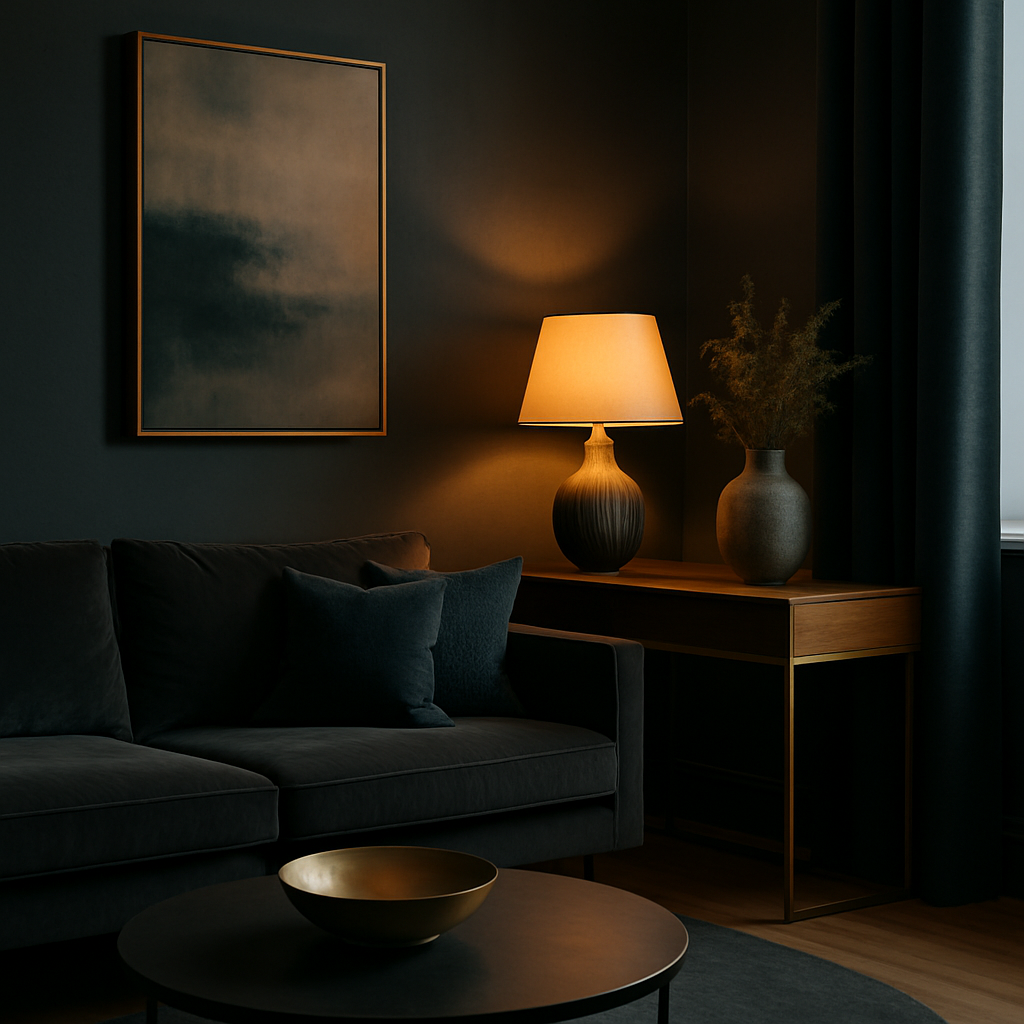
Imagine walking into your home and feeling an immediate sense of elegance and tranquility. It's not just a dream; industry surveys suggest that a well-executed luxury interior design can elevate both the aesthetics and value of your home. According to the American Society of Interior Designers (ASID), homeowners who invest in high-end design often see a 5-15% increase in resale value. This article will guide you through exclusive tips to transform your living space into a luxurious retreat. We will explore foundational design concepts, delve into deeper analyses with supportive data, and offer actionable strategies from industry experts. Additionally, we'll discuss the latest trends and provide insights to help you achieve that sophisticated look you desire.
Foundational Concepts of Luxury Interior Design
Luxury interior design begins with a clear understanding of your space and how you use it. Mapping out the functionality of each room is essential. Consider where you naturally gravitate to relax, where family gatherings occur, and how natural light affects each space. This knowledge forms the basis of a design that is both beautiful and practical. Experienced professionals often note that successful design starts with a deep dive into the client's lifestyle, ensuring every element aligns with personal habits and preferences.
Another foundational element is selecting a color palette that exudes sophistication. While bright colors can be energizing, luxury interiors often favor a more muted palette, focusing on shades like taupe, cream, and slate. These colors provide a timeless backdrop that enhances other design elements, such as furniture and artwork. The International Interior Design Association (IIDA) suggests that color choice is critical in setting the tone and mood of a space, with neutral tones often serving as the hallmark of understated elegance.
Material selection is equally crucial in luxury design. Opting for high-quality materials such as marble, natural wood, and fine textiles can make a significant difference. These materials not only add visual appeal but also contribute to the tactile experience of a room. The use of sustainable and reclaimed materials is a growing trend, reflecting a commitment to both luxury and environmental responsibility. As you consider your options, ask yourself: How do these materials reflect my values and lifestyle?
Deeper Analysis with Supporting Data
Luxury interior design is not just about aesthetics; it's also about making informed choices backed by data. According to Houzz's annual survey, homeowners who invested in luxury upgrades reported higher satisfaction rates compared to those who opted for standard options. This data underscores the importance of investing wisely in quality over quantity. When it comes to luxury interiors, it's about creating a space that resonates emotionally and functionally.
Consider the impact of lighting, which plays a pivotal role in luxury design. A well-lit room can enhance architectural features, highlight art pieces, and create various moods. The integration of smart home technology allows for customizable lighting experiences that adjust to different times of day or activities. According to industry experts, smart lighting is becoming a cornerstone of modern luxury interiors, offering convenience alongside elegance.
Another data point to consider is the influence of biophilic design, which incorporates natural elements into interiors. Studies have shown that integrating greenery and natural materials can improve well-being and productivity. This trend has been gaining traction, with designers using living walls and indoor plants to blur the line between indoor and outdoor spaces. How might introducing elements of nature transform your living environment?
Actionable Strategies for Your Home
Ready to transform your home? Start by decluttering. A luxury space is one that feels curated, not cluttered. Evaluate each item in your home and decide whether it contributes to the overall aesthetic and functionality. This might mean investing in custom storage solutions or simply paring down possessions. A clean, organized space enhances the luxury feel by allowing the design elements to take center stage.
Next, consider engaging a certified interior designer, especially those with NCIDQ (National Council for Interior Design Qualification) certification. Certified designers bring a wealth of knowledge and can navigate the complexities of luxury design projects. They understand how to manage budgets, source unique materials, and ensure that every detail aligns with your vision. Hiring a professional can be a game-changer, especially for extensive projects where expertise is crucial.
Finally, focus on personalization. Luxury is deeply personal and should reflect your unique tastes and experiences. Consider incorporating custom furniture, bespoke art pieces, or unique textiles that tell a story. This personal touch is what truly differentiates a luxury home from a standard one. Remember, the goal is to create a space that feels uniquely yours, where every element has been thoughtfully chosen to enhance your lifestyle.
Expert-Level Detail: Understanding the Process
Luxury interior design involves several distinct phases, each requiring careful planning and execution. The process typically begins with concept development, where designers work with clients to outline the vision and scope of the project. This phase involves brainstorming, mood boards, and initial sketches to ensure alignment on the overall aesthetic and functional goals.
After the concept is finalized, the design presentation phase kicks in. Here, detailed plans and 3D visualizations are utilized to bring the concept to life. These tools, including AR/VR room visualization, allow clients to see how different elements will come together. This immersive experience helps in making informed decisions and adjustments before moving to the next phase.
Procurement and installation follow, where the focus shifts to sourcing materials, furniture, and accessories. This phase demands a keen eye for quality and authenticity. Designers often use their industry connections to access exclusive pieces that aren't available to the general public. The final stage, styling, involves the thoughtful placement of decor and accessories, creating a cohesive and polished look. Each phase builds upon the last, ensuring a seamless transition from concept to reality.
Additional Depth: Financial Considerations
Understanding the financial aspects of luxury interior design is crucial. Projects can vary significantly in cost, with a single room redesign ranging from $5,000 to $15,000, while full-home projects can exceed $150,000. The fee structure for hiring a designer typically includes a flat fee, hourly rate, or a percentage of the total project cost, ranging from 10-25%. It's important to have a clear budget and communicate it with your designer to avoid any surprises.
A common misconception is that luxury design is prohibitively expensive. However, with careful planning and prioritization, it's possible to achieve a high-end look within a reasonable budget. One strategy is to focus on key areas that have the most impact, such as the living room or kitchen, and allocate resources accordingly. Investing in statement pieces or high-quality finishes in these areas can elevate the entire home's aesthetic.
Additionally, many designers offer procurement services, where they purchase items on behalf of clients, often at a discount. This service can lead to savings that offset design fees, making professional design more accessible. As you consider your financial plan, ask yourself: What areas of my home will benefit most from luxury design, and how can I maximize my budget to create the most impact?
Final Perspectives on Luxury Interior Design
Luxury interior design is about more than just aesthetics; it's about creating a space that enhances your lifestyle and reflects your personality. The journey to a luxurious home is both rewarding and transformative, offering a unique opportunity to redefine how you interact with your space. By understanding the foundational concepts, leveraging expert insights, and making informed financial decisions, you can create a home that truly feels luxurious.
As you embark on this transformation, remember that luxury is subjective and should ultimately bring you joy and satisfaction. Whether through the integration of smart technology, the use of sustainable materials, or the incorporation of personal touches, the goal is to craft an environment that feels both elegant and welcoming. What aspects of luxury design resonate most with you, and how will you incorporate them into your home?
The next step in your journey is to explore the possibilities further. Start by browsing designer portfolios on platforms like Houzz or contacting local ASID members to discuss your vision. Even a short consultation can provide valuable insights and help you refine your ideas. Consider dedicating 20 minutes this week to research, which will undoubtedly sharpen your eye for what you want.
In conclusion, transforming your home into a luxury space involves a blend of creativity, planning, and expert guidance. By understanding the key elements of luxury design and applying them thoughtfully, you can create a home that is not only beautiful but also a true reflection of who you are. Begin your journey today and discover the potential of your living space.


Comments
Post a Comment