Sustainable Modern Interior Design: Eco-Friendly Ideas for a Stylish Home
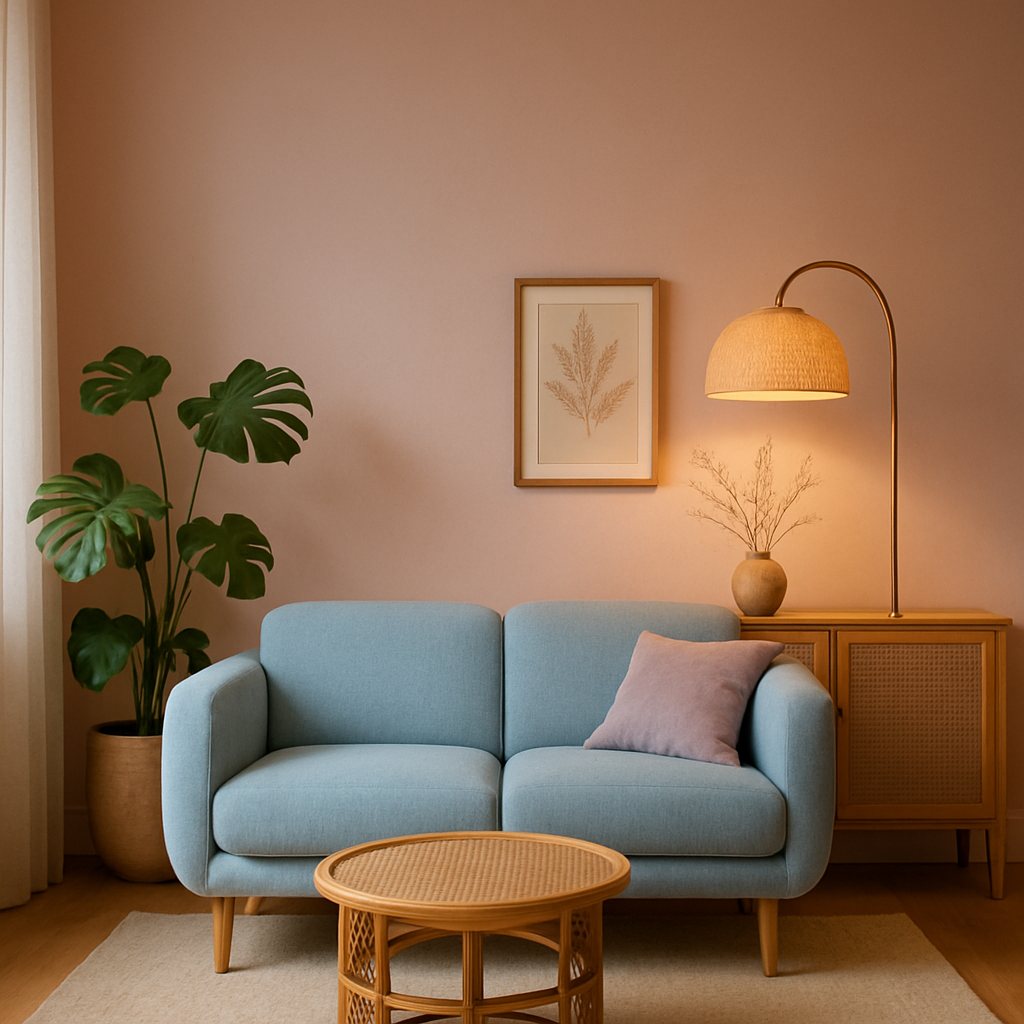
Sustainability has moved from a niche concern to a central pillar of modern interior design, reshaping how professionals and homeowners approach every decision from flooring to furniture upholstery. The American Society of Interior Designers (ASID) reports that environmental responsibility now ranks among the top three client priorities in residential projects, alongside budget and aesthetics. This shift reflects growing awareness that interior spaces account for a significant portion of household carbon footprints, from the materials used in construction and furnishing to the energy consumed by lighting and climate control systems. Designing sustainably does not require sacrificing style or comfort; in fact, the most compelling eco-friendly interiors demonstrate that responsible choices often produce more beautiful, more tactile, and more personally meaningful spaces than their conventional counterparts.
Working with a sustainability-focused designer typically falls within the standard professional fee range of to per hour, though some specialists command premiums for their expertise in sourcing verified sustainable materials and navigating green building certifications. Per-room budgets of ,000 to ,000 can accommodate significant sustainable upgrades when funds are allocated strategically. Have you considered how many of the materials in your current home will still be in a landfill a century from now? That question, uncomfortable as it may be, is driving a design revolution that benefits both the planet and the people who inhabit these spaces.
Understanding the Core Principles of Sustainable Interior Design
Sustainable design operates on three interconnected principles: material responsibility, energy efficiency, and human health. Material responsibility means selecting finishes, furnishings, and textiles that minimize environmental harm throughout their lifecycle, from raw material extraction through manufacturing, transportation, use, and eventual disposal or recycling. This lifecycle perspective distinguishes genuine sustainability from superficial greenwashing, where a product might feature one recycled component while relying on toxic adhesives or exploitative manufacturing processes. The National Council for Interior Design Qualification (NCIDQ) now includes sustainability competencies in its examination framework, reflecting the profession's recognition that environmental literacy is no longer optional for practicing designers.
Energy efficiency in interior design extends well beyond choosing LED bulbs, though that remains a worthwhile starting point. Strategic window treatments that maximize natural daylight while managing solar heat gain can reduce lighting and cooling costs by 20 to 30 percent in many homes. Smart home integration plays an increasingly important role here, with programmable thermostats, occupancy-sensing lighting, and automated shade systems that respond to real-time sun angle and weather data. These technologies represent an upfront investment that typically pays for itself within three to five years through reduced utility costs, making them financially sustainable as well as environmentally responsible.
The human health dimension of sustainable design has gained particular attention following widespread concerns about indoor air quality. Conventional building materials and furnishings can off-gas volatile organic compounds (VOCs) for months or years after installation, contributing to headaches, respiratory irritation, and long-term health risks. Specifying low-VOC and zero-VOC paints, adhesives, and sealants has become standard practice among sustainability-conscious designers. Biophilic design principles, which integrate natural elements like living plants, natural light, water features, and organic materials into interior spaces, have been shown to reduce stress hormones and improve cognitive function. These are not decorative flourishes; they are evidence-based design strategies that produce measurable improvements in occupant well-being.
Sustainable Materials That Elevate Interior Aesthetics
Reclaimed wood remains one of the most visually compelling sustainable materials available, offering character and patina that new lumber simply cannot replicate. Salvaged barn beams, factory flooring, and demolition timber carry decades of natural aging that produces unique grain patterns, nail holes, and color variations. Designers sourcing reclaimed wood for accent walls, dining tables, or shelving should verify the material's provenance and ensure it has been properly treated for insects and moisture without toxic chemicals. The price premium for certified reclaimed wood varies significantly by region, but the aesthetic result consistently elevates a space in ways that justify the investment.
Beyond wood, several innovative sustainable materials have reached design maturity in recent years. Cork, harvested from tree bark without killing the tree, provides warm, resilient flooring and wall coverings with natural acoustic dampening properties. Recycled glass countertops and tiles offer shimmering color depth that rivals natural stone. Bamboo, which reaches harvestable maturity in three to five years compared to decades for hardwood, has evolved beyond its early reputation for budget flooring into a sophisticated material for cabinetry, flooring, and decorative panels. Houzz editors have highlighted terrazzo made from recycled marble and glass chips as one of the most requested sustainable surface treatments in current kitchen and bathroom renovations.
Textile choices present some of the most impactful sustainable opportunities because upholstery, curtains, rugs, and bedding occupy enormous surface areas within a home. Organic cotton, linen, hemp, and wool produced without synthetic pesticides or fertilizers offer superior breathability and durability compared to many synthetic alternatives. Recycled polyester made from post-consumer plastic bottles has improved dramatically in hand-feel and appearance, making it a viable option for performance fabrics in high-traffic areas. The quiet luxury movement has accelerated interest in undyed, naturally pigmented fabrics that eliminate the water pollution associated with textile dyeing, producing understated tones of cream, oatmeal, sage, and charcoal that happen to align perfectly with current color trends. These material choices accumulate into a home that feels richer and more intentional precisely because every selection was made with care.
Biophilic Design as the Foundation of Eco-Friendly Interiors
Biophilic design goes beyond placing a few potted plants on windowsills. It represents a comprehensive approach to connecting interior environments with natural systems, drawing on decades of research demonstrating that humans function better physically, cognitively, and emotionally when surrounded by natural elements. The International Interior Design Association (IIDA) has recognized biophilic design as one of the most significant shifts in residential practice, moving it from an academic concept to a mainstream client expectation. Effective biophilic design addresses multiple sensory channels simultaneously: the visual presence of greenery and natural materials, the tactile experience of wood and stone surfaces, the acoustic properties of natural sound patterns, and even the olfactory dimension of living plants and natural finishes.
Living walls, also called green walls or vertical gardens, exemplify the intersection of sustainability and dramatic visual impact. These installations can range from simple modular planter systems costing a few hundred dollars to engineered living wall systems with integrated irrigation that represent a significant investment. The plants in these systems actively filter indoor air, absorbing common pollutants like formaldehyde and benzene while releasing oxygen and humidity. For homeowners who lack the wall space or maintenance commitment for a full living wall, strategically placed clusters of air-purifying species like snake plants, pothos, and peace lilies achieve meaningful air quality improvements at minimal cost. AD PRO has featured several residential projects where biophilic elements serve as the primary design statement, replacing conventional art and decorative objects with living, evolving installations.
Natural light management forms another crucial component of biophilic design. Rather than treating windows purely as architectural features, sustainable designers optimize glazing placement, interior layouts, and reflective surfaces to distribute daylight deep into floor plans. Skylights, light tubes, and clerestory windows can transform dark interior rooms into naturally illuminated spaces that reduce electrical lighting dependence during daylight hours. The psychological benefits are substantial: exposure to natural light patterns helps regulate circadian rhythms, improving sleep quality and daytime alertness. When combined with smart home systems that supplement natural light with circadian-tuned artificial lighting after dark, the result is a home that actively supports its inhabitants' biological needs. How much natural daylight reaches the rooms where you spend most of your time, and what would change if you doubled that amount?
Room-by-Room Sustainable Design Strategies
The kitchen presents perhaps the highest-impact opportunity for sustainable interior design because it concentrates the home's most resource-intensive activities. Countertops made from recycled paper composite, recycled glass, or sustainably quarried stone replace conventional materials that carry heavy environmental footprints. Cabinetry built from FSC-certified plywood or formaldehyde-free MDF with low-VOC finishes eliminates one of the largest sources of indoor air pollution in conventional kitchens. Energy-efficient appliances are the obvious starting point, but designers also consider water-saving fixtures, compost-integrated countertop systems, and pantry layouts that reduce food waste by keeping ingredients visible and accessible. ASID guidelines suggest that a sustainably designed kitchen adds measurable resale value, with eco-conscious buyers increasingly willing to pay premiums for verified green features.
Bathrooms offer the second-largest sustainability opportunity through water conservation, material selection, and ventilation design. Low-flow fixtures, dual-flush toilets, and recirculating hot water systems can reduce household water consumption by 30 to 40 percent without compromising user experience. Material choices in wet environments demand particular attention because moisture creates conditions where toxic off-gassing accelerates. Specifying natural stone, ceramic tile, or porcelain with low-VOC adhesives and grouts protects both the environment and occupant health. Ventilation design matters enormously in bathrooms; a properly sized and ducted exhaust fan prevents mold growth that would otherwise necessitate harsh chemical treatments, creating a cascading environmental benefit from a single well-executed mechanical decision.
Bedrooms and living rooms benefit most from textile-focused sustainability strategies and lighting design. Organic mattresses and bedding eliminate the flame retardants and synthetic chemicals found in conventional sleep products, directly benefiting the occupant who spends seven to nine hours each night in intimate contact with these materials. Window treatments in natural fibers manage light, temperature, and privacy while avoiding the synthetic materials that dominate conventional drapery. In living rooms, investing in a single high-quality sofa with a solid hardwood frame and natural upholstery, designed to last 15 to 20 years, generates less waste and lower lifetime cost than cycling through cheaper alternatives every five years. Designers working on a project percentage basis, typically 10 to 25 percent, often find that sustainable specifications align naturally with this model because durable, high-quality materials command appropriate investment levels.
Navigating Greenwashing and Verifying Sustainable Claims
The growing consumer demand for sustainable products has predictably attracted misleading marketing claims, making verification skills essential for homeowners and designers alike. Terms like eco-friendly, natural, and green carry no regulated meaning and can be applied to virtually any product regardless of its actual environmental profile. Meaningful certifications to look for include FSC (Forest Stewardship Council) for wood products, GREENGUARD for low-emission furnishings and finishes, Cradle to Cradle for holistic product lifecycle assessment, and OEKO-TEX for textiles free of harmful substances. NCIDQ-certified designers are trained to evaluate these certifications critically and can distinguish between rigorous third-party verification and manufacturer self-certification that may lack independent oversight.
Supply chain transparency has emerged as a key indicator of genuine sustainability commitment. Manufacturers willing to disclose their material sourcing, factory locations, labor practices, and transportation methods typically have less to hide than those who market on vague green imagery without providing specifics. The Japandi aesthetic, with its emphasis on visible craftsmanship and traceable materials, aligns naturally with this transparency principle. When you can see the joinery in a piece of furniture, understand where the wood was harvested, and learn who built it, the object carries an authenticity that mass-produced alternatives simply cannot match. This transparency also makes it easier to assess repairability, one of the most undervalued aspects of sustainable design.
AR/VR visualization technology is beginning to play a role in sustainability verification as well. Some design firms now use augmented reality tools to overlay environmental data onto physical spaces, showing clients the embodied carbon of different material options or simulating daylight performance before construction begins. These digital tools reduce material waste by enabling more accurate decisions at the planning stage, preventing the costly and environmentally harmful cycle of installation, dissatisfaction, and replacement that plagues conventional design processes. As these technologies become more accessible, they promise to make sustainable choices easier, more transparent, and more visually compelling for homeowners at every budget level. The gap between wanting to design sustainably and knowing how to do it effectively continues to narrow.
Creating a Sustainable Design Plan That Fits Your Budget
Sustainable design does not require a complete renovation or an unlimited budget. The most effective approach is to prioritize changes based on their environmental and health impact per dollar invested. Replacing conventional paint with zero-VOC alternatives during your next repainting cycle costs only marginally more than standard paint and immediately improves indoor air quality throughout your home. Swapping synthetic bedding for organic alternatives directly benefits the person sleeping in it every night for a relatively modest investment. These targeted upgrades accumulate over time into a comprehensively sustainable interior without requiring a single dramatic expenditure. Designers working on hourly rates of to can help you create a phased implementation plan that spreads costs across months or years.
Secondhand and vintage furniture represents one of the most budget-friendly and environmentally beneficial design strategies available. Every vintage piece reused is a new piece that did not need to be manufactured, shipped, and eventually disposed of. The current design culture's enthusiasm for mixing eras and styles, visible across platforms like Houzz and AD PRO, has made vintage sourcing not just acceptable but aspirational. A mid-century credenza, an antique writing desk, or a set of vintage dining chairs brings character and quality that new production at the same price point cannot match. Pair vintage wooden pieces with new sustainable textiles, perhaps reupholstering a classic chair in organic hemp or recycled wool, and the result is a piece that honors both its history and the planet's future.
The long-term financial case for sustainable design is increasingly difficult to ignore. Energy-efficient lighting and climate control reduce monthly utility costs. Durable, well-made furniture eliminates the replacement cycle that makes cheap alternatives more expensive over time. Non-toxic materials reduce healthcare costs associated with poor indoor air quality. And sustainably designed homes consistently command higher resale values in markets where environmental awareness influences buyer behavior. What would it mean for your household budget and your environmental footprint if every design decision you made over the next five years prioritized durability and responsibility over disposability? Start with one room, apply these principles consistently, and let the results speak for themselves.
Sustainable interior design stands at an inflection point where environmental responsibility and aesthetic excellence have become genuinely complementary rather than competing priorities. The materials, technologies, and design strategies available today make it possible to create homes that are healthier for their inhabitants, lighter on the planet, and more visually compelling than conventional alternatives. Whether you begin with a single zero-VOC paint job or commission a comprehensive biophilic renovation, every sustainable choice shifts the balance in the right direction. Reach out to an ASID-certified designer who specializes in sustainable practice, request material certifications for every product you consider, and start building the home that reflects both your personal style and your values.
More Articles You May Like



Comments
Post a Comment