How to Incorporate Modern Touches in Rustic Interior Design
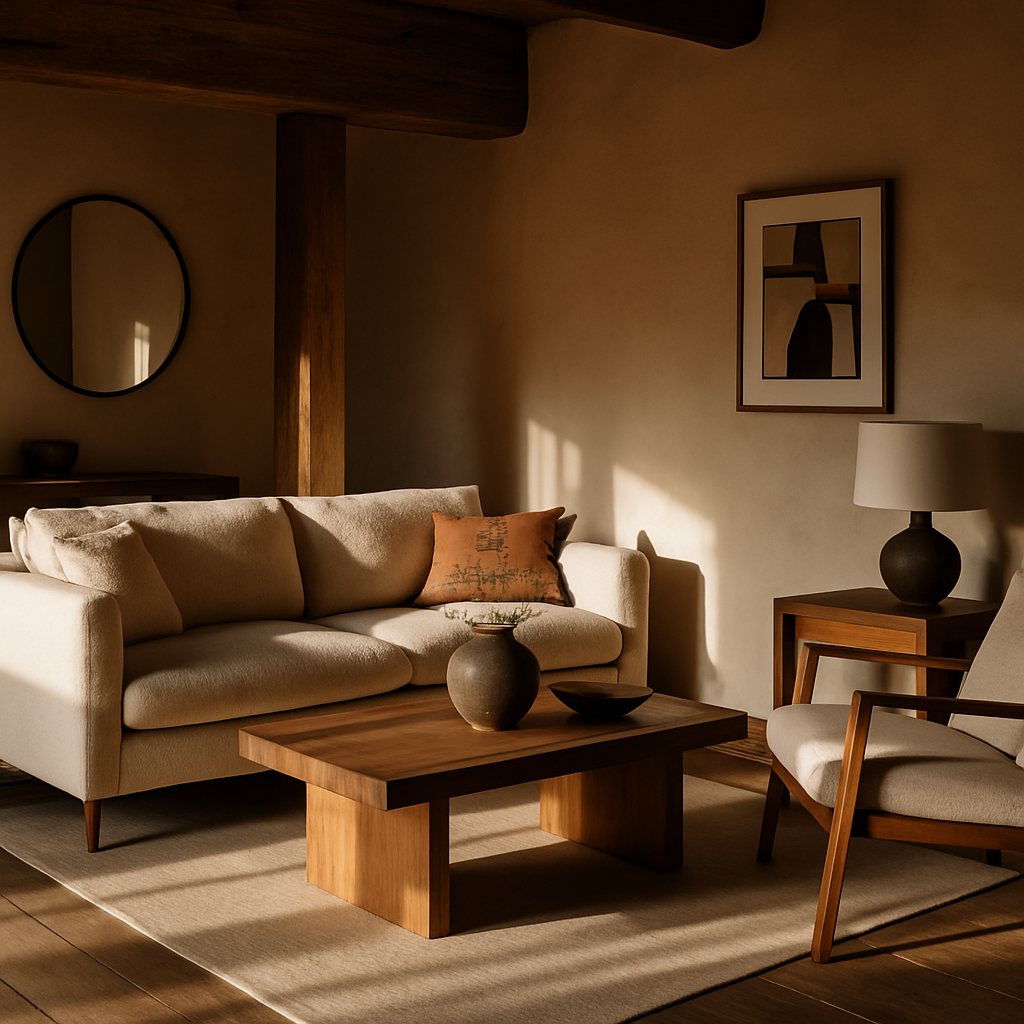
Imagine walking into a home where the warmth of rustic charm meets the sleek sophistication of modern design. This fusion is not only possible but increasingly popular. According to the Houzz annual survey, 42% of homeowners are now blending design styles to create personalized spaces. The challenge? Balancing these seemingly divergent aesthetics. This article will guide you through the foundational concepts of rustic and modern design, offer a deeper analysis backed by data, and provide actionable strategies to harmonize these styles in your own home. We'll also delve into expert insights and explore additional depth on this captivating trend. Are you ready to transform your space into a stylish haven?
Understanding the Foundation of Rustic and Modern Design
Before you blend modern touches into a rustic interior, it's essential to understand the core elements of each style. Rustic design celebrates natural materials, aged finishes, and a sense of history. Think exposed wooden beams, stone fireplaces, and distressed leather. It's about creating a cozy, inviting space that feels rooted in tradition. In contrast, modern design emphasizes clean lines, minimalism, and functionality. Key features often include sleek furniture, metal accents, and a neutral color palette. The focus is on simplicity and efficiency, often incorporating open floor plans and uncluttered spaces.
To successfully merge these styles, start by identifying the dominant elements of each. For instance, if your home has rustic elements like wooden floors and a brick feature wall, you might consider integrating modern furniture pieces. Think of a contemporary sofa with geometric lines or a glass coffee table that adds visual interest without overwhelming the rustic backdrop. This juxtaposition enhances both styles, allowing each to shine.
Color plays a crucial role in marrying these styles. Rustic interiors often feature earthy tones like browns, greens, and muted reds, while modern design leans towards whites, greys, and blacks. By incorporating a neutral color palette with pops of rustic hues, you can create a cohesive look that bridges the gap between old and new. This balance is the cornerstone of a successful rustic-modern fusion, setting the stage for deeper exploration in the following sections.
Deep Dive: Data and Trends in Blending Styles
Industry surveys suggest that up to 60% of interior designers are now engaging with clients interested in eclectic blends, such as rustic-modern interiors. This interest is partly driven by the desire for unique, personalized spaces that reflect the homeowner's personality and lifestyle. According to the American Society of Interior Designers (ASID), this trend is expected to grow as more people seek environments that are both functional and aesthetically pleasing.
One significant driver of this trend is the increasing availability of design resources. Platforms like Houzz and Pinterest provide endless inspiration for homeowners looking to blend styles. These tools offer access to millions of images and ideas, allowing users to visualize how different elements can work together. Additionally, advancements in technology, such as AR/VR room visualization tools, enable clients to experiment with style combinations before making any permanent changes.
Another factor influencing this trend is the shift towards sustainable and reclaimed materials, which fit seamlessly into both rustic and modern designs. The use of eco-friendly materials not only meets the aesthetic demands of both styles but also aligns with the growing consumer focus on sustainability. This alignment with broader societal values adds a layer of depth to the rustic-modern blend, making it appealing to a wide audience. As we move forward, we'll explore how to practically implement these insights into your home.
Actionable Strategies for a Seamless Blend
When incorporating modern touches into a rustic interior, focus on layering textures. Start with foundational rustic elements like a reclaimed wood dining table or a stone fireplace. Then, introduce modern accents such as a sleek metal light fixture or a minimalist artwork. This layering creates a dynamic interplay between the two styles, highlighting their distinct features while maintaining a cohesive look.
Consider the lighting in your space. Modern lighting fixtures, like pendant lights or LED strips, can add a contemporary flair without overshadowing rustic elements. Lighting is a powerful tool that can transform the mood of a room. By choosing fixtures with clean lines and metallic finishes, you introduce a modern element that complements rustic features like exposed beams or brick walls.
Furniture selection is another critical step. Opt for modern furniture pieces with rustic finishes. For example, a mid-century modern chair upholstered in distressed leather combines the best of both worlds. Similarly, a modern glass-top table with a wrought iron base can serve as a focal point in a rustic-modern dining room. These strategic choices ensure that each piece contributes to the overall harmony of your design.
Expert Insights: Professional Tips for Success
Experienced professionals often note that successful design blends start with a clear plan. Before making any purchases, map out your space and determine how each room will function. Where do you want to introduce modern elements? What rustic features do you want to highlight? Developing a clear vision will guide your decisions and help maintain a cohesive aesthetic throughout your home.
Consulting with a certified interior designer, especially one with NCIDQ (National Council for Interior Design Qualification) credentials, can provide valuable guidance. Designers with these qualifications bring a wealth of knowledge and experience, ensuring that your project not only looks great but also adheres to safety and functionality standards. They can also recommend reliable suppliers and artisans who specialize in custom rustic or modern pieces.
Budgeting is crucial, too. Understanding the fee structures of design professionals can help you manage costs effectively. Many designers charge a flat fee, while others may work on an hourly rate ranging from $150 to $500 per hour. Additionally, some might take a percentage of the total project cost or mark up procurement items. Being clear about these financial aspects will help prevent unexpected expenses and keep your project on track.
Additional Depth: Exploring New Horizons
As the interest in rustic-modern design grows, so does the array of tools and techniques available. One emerging trend is the use of biophilic design-a concept that integrates natural elements into interiors. This approach not only complements rustic aesthetics but also introduces a new layer of texture and color. Consider incorporating living walls or indoor plants to add vibrancy and life to your space.
Smart home integration is another area where modern design shines. Automated lighting, climate control, and window treatments can introduce a high-tech element that enhances the functionality of rustic spaces. Imagine controlling your home's ambiance with a simple voice command while surrounded by the warmth of natural wood and stone. This seamless blend of technology and design is both practical and visually appealing.
The Japandi style, which combines Japanese minimalism with Scandinavian warmth, offers additional inspiration. This style's focus on simplicity, natural materials, and functionality aligns perfectly with the rustic-modern aesthetic. By adopting elements of Japandi design, you can further refine your space, creating a tranquil environment that soothes and inspires. With these insights, the possibilities for your rustic-modern home are virtually limitless.
Final Perspectives: Bringing It All Together
Incorporating modern touches into rustic interior design is a rewarding endeavor that results in a stylish and harmonious living space. By understanding the foundational elements of each style and utilizing resources such as Houzz, ASID, and NCIDQ-certified designers, you can create an environment that reflects both contemporary trends and timeless charm. Have you considered how these strategies might transform your own home?
Remember, the key to a successful blend is balance. By strategically integrating modern elements-whether through lighting, furniture, or technology-you can enhance the rustic foundation without losing its inherent warmth and character. The result is a space that feels both fresh and inviting, offering the best of both worlds.
As you embark on this design journey, keep in mind the importance of planning and budgeting. With these tools in hand, you can confidently create a home that not only looks beautiful but also functions seamlessly. Ready to take the next step? Start by browsing portfolios on Houzz this week-even 20 minutes of research will sharpen your eye for what you want. Your perfect blend of rustic and modern awaits!



Comments
Post a Comment