Smart Investment Tips for Designing Your Dream Interior
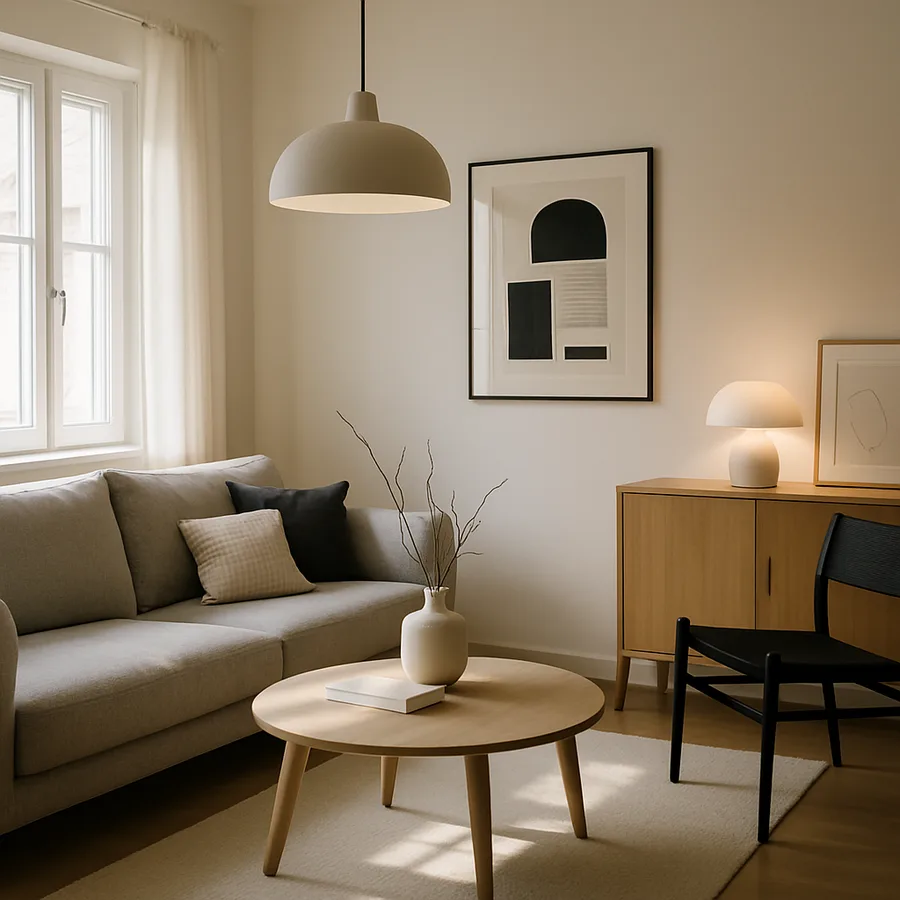
Designing your dream interior is one of the most personally rewarding investments you can make, yet it is also one of the most misunderstood. Many homeowners approach the process with enthusiasm but without a clear strategy, leading to disjointed rooms, buyer's remorse, and budgets that spiral out of control. The American Society of Interior Designers (ASID) reports that homeowners who follow a structured design plan spend, on average, 30 percent less than those who buy impulsively, while achieving significantly more cohesive and satisfying results. The difference between a dream interior and a design disappointment often comes down not to the size of the budget, but to the intelligence behind the spending decisions.
Defining Your Design Vision Before Spending a Dollar
The single most valuable investment you can make in your interior design journey costs nothing at all: it is the time spent defining your vision before opening your wallet. A clear design vision acts as a filter for every purchasing decision, preventing the accumulation of beautiful-but-mismatched items that clutter rather than complement your space. The International Interior Design Association (IIDA) recommends that homeowners begin by creating a comprehensive mood board that captures not just colors and furniture styles, but also the emotional quality they want their home to evoke. Words like "serene," "energetic," "sophisticated," or "rustic" become guiding principles that streamline decision-making throughout the entire project.
Your lifestyle should be the primary driver of your design vision, not magazine spreads or social media trends. A home designed for a family with young children has fundamentally different requirements than one designed for empty nesters or working professionals who entertain frequently. Houzz's research indicates that 78 percent of homeowners who expressed dissatisfaction with a completed renovation cited a mismatch between the design and their actual daily routines as the primary source of regret. Before selecting a single finish or fabric, map out how you actually use each room, who occupies it, what activities occur there, and what frustrations you currently experience. This functional audit ensures that your dream interior is also a practical one.
How do you want to feel when you walk through your front door? This question, simple as it sounds, is the cornerstone of effective interior design planning. The NCIDQ standards emphasize that human-centered design begins with understanding the occupant's psychological and physical needs, not with selecting products from a catalog. Take time to identify the spaces in your current home that already make you happy and analyze why they work. Similarly, pinpoint the areas that feel uncomfortable, cluttered, or uninspiring and consider what specific changes would address those feelings. This self-assessment creates a prioritized roadmap that directs your investment toward the changes that will have the most meaningful impact on your quality of life.
Investing in Quality Where It Matters Most
The principle of selective quality investment is perhaps the most important lesson that professional designers bring to their residential projects. Not every item in your home needs to be a premium purchase, but the pieces you interact with most frequently and most intimately deserve the highest quality your budget allows. Upholstered seating, mattresses, dining tables, and kitchen countertops fall into this category because they endure daily use and their quality directly affects your comfort, health, and enjoyment of your home. ASID-certified designers consistently advise clients to invest in the best quality they can afford for these foundational pieces, even if it means postponing purchases in other categories.
The hidden economics of quality furniture purchasing reveal that premium pieces often cost less per year of ownership than their budget counterparts. A well-constructed sofa from a reputable manufacturer may carry a price tag of $3,000, but if it maintains its comfort and appearance for 15 years, its annual cost is $200. A $900 sofa that loses its shape and support within three years costs $300 per year and delivers a progressively worse experience throughout its shorter lifespan. The IIDA publishes guidelines on evaluating furniture construction quality, including checking frame materials, joinery methods, cushion density, and fabric durability ratings. According to industry data, consumers who prioritize construction quality over initial price spend approximately 40 percent less on furniture over a ten-year period than those who consistently choose the cheapest available option.
Quality investment extends beyond furniture to include the architectural elements that define your space. Flooring, built-in cabinetry, door hardware, and plumbing fixtures are semi-permanent installations that are expensive and disruptive to replace, making them poor candidates for budget-cutting. A solid hardwood floor, for instance, can be refinished multiple times over its decades-long lifespan, adapting to changing design trends through new stain colors without requiring replacement. Quality door hardware and plumbing fixtures resist tarnishing, corrosion, and mechanical failure, maintaining both their appearance and function while cheap alternatives degrade visibly within a few years. Investing in these architectural bones means you can update the softer elements of your design affordably as trends evolve without ever touching the expensive infrastructure.
Color Strategy: The Most Undervalued Design Investment
Color is the single most transformative element in interior design, yet it receives less analytical attention than almost any other design decision. A strategic color palette can make a small room feel spacious, a cold room feel warm, and a chaotic room feel calm, all without changing a single piece of furniture. The ASID's research on color psychology in residential environments demonstrates that carefully selected color palettes reduce self-reported stress levels by up to 12 percent compared to rooms with randomly chosen or default white color schemes. Investing time in developing a cohesive color strategy before purchasing any paint, fabric, or accessories is one of the highest-return activities in the entire design process.
Professional designers typically build their color palettes around a 60-30-10 rule, where the dominant color covers 60 percent of the room's surface area, a secondary color accounts for 30 percent, and an accent color provides the remaining 10 percent. This ratio creates visual harmony and prevents any single color from overwhelming the space, while the accent color provides the energy and interest that prevents the room from feeling flat. Houzz editorial content frequently highlights this rule as accessible to homeowners at any skill level, noting that even subtle variations within a single color family can create the depth and sophistication that distinguishes professionally designed spaces from amateur efforts.
What colors make you feel most at home? The answer to this question should carry more weight than any trending palette promoted on social media. While design trends provide useful inspiration, your personal response to color is deeply individual and rooted in your unique experiences, cultural background, and neurological wiring. The NCIDQ examination includes substantial content on color theory and its psychological applications, reflecting the profession's recognition that color choices have measurable effects on mood, appetite, sleep quality, and cognitive performance. Test your color selections with large paint samples observed at different times of day and under different lighting conditions before committing. The $50 you spend on sample pots could save you hundreds in repaint costs and the immeasurable frustration of living with a color that looked perfect in the store but feels wrong on your walls.
Spatial Planning: Making Every Square Foot Count
Effective spatial planning is the invisible framework that separates comfortable, functional interiors from ones that feel awkward despite containing beautiful individual pieces. The arrangement of furniture, the width of traffic pathways, and the relationship between zones within an open floor plan all contribute to how a space feels and functions. The IIDA's guidelines for residential spatial planning recommend a minimum of 36 inches for primary traffic pathways and 18 inches for secondary passages between furniture pieces. Ignoring these standards in favor of cramming more furniture into a room inevitably produces a space that feels crowded and impedes natural movement, regardless of how attractive the individual pieces may be.
Scale and proportion are equally critical considerations that many homeowners overlook. A massive sectional sofa may be incredibly comfortable in a furniture showroom with 20-foot ceilings and vast floor area, but it will overwhelm a standard living room and make the entire space feel smaller than it is. Conversely, a collection of small, delicate furniture pieces in a large room creates a scattered, uncommitted appearance that lacks visual impact. Before purchasing any major furniture piece, measure your room carefully and create a scaled floor plan, either on paper or using one of the many free digital room planning tools available. ASID professionals universally recommend this step as the most effective prevention against the costly mistake of buying furniture that does not fit the scale of your space.
Multi-functional furniture represents one of the smartest spatial investments for homeowners working with limited square footage. Ottoman storage cubes, extendable dining tables, murphy beds, and nested side tables all serve double duty, providing the functionality you need during active use while reducing their spatial footprint when not in use. Houzz data shows that searches for multi-functional furniture have increased by over 150 percent in recent years, reflecting a broader cultural shift toward intentional, efficient living. The investment premium for well-designed multi-functional pieces typically pays for itself within months through the enhanced usability and perceived spaciousness they bring to compact living environments.
Lighting Design: Illuminating Your Investment
Lighting is the element that professional designers consider most critical to a room's success, yet it remains the most neglected category in amateur design budgets. A room can contain the finest furniture, the most beautiful textiles, and a flawless color palette, and still fall flat if the lighting fails to showcase these elements properly. The ASID has published extensive guidance on residential lighting design, emphasizing that a successful lighting plan incorporates three distinct layers: ambient lighting for general illumination, task lighting for specific activities like reading and cooking, and accent lighting to highlight architectural features and art. Each layer serves a unique purpose, and the interplay between them creates the depth and atmosphere that distinguish a well-designed space.
The financial case for lighting investment is compelling when you consider that a $200 pendant fixture will be used for several hours every single day, directly affecting how you experience your home during every evening and morning routine. Compare this to a $200 decorative accessory that sits on a shelf contributing only passive visual interest, and the relative value becomes clear. LED technology has also made premium lighting more affordable to operate than ever before, with energy costs dropping by up to 75 percent compared to incandescent bulbs while delivering superior color rendering and longevity. The IIDA notes that lighting upgrades consistently rank among the highest satisfaction improvements in post-renovation surveys, often surpassing far more expensive changes like cabinet replacement and flooring installation.
Have you considered how your home's lighting changes throughout the day? Natural light is a free resource that skilled designers leverage aggressively, using window treatments, mirror placement, and light-colored surfaces to bounce sunlight deep into interior spaces. Sheer curtains diffuse harsh direct sunlight while maintaining privacy and reducing glare. Strategically placed mirrors can effectively double the perceived light in a room by reflecting both natural and artificial sources. The NCIDQ curriculum covers daylighting extensively, recognizing its documented benefits for circadian rhythm regulation, vitamin D synthesis, and overall mental health. Maximizing natural light in your home is a zero-cost investment with outsized returns for both well-being and energy savings.
Textiles and Accessories: The Finishing Layer
Textiles and accessories are the final layer of a well-designed interior, providing the color, texture, pattern, and personality that transform a well-furnished room into a home that feels uniquely yours. This category includes curtains, throw pillows, blankets, area rugs, table linens, and decorative objects, and it represents the most flexible portion of your design investment because these items are relatively inexpensive to update as your tastes evolve. Houzz editorial features consistently demonstrate that refreshing a room's textiles and accessories can produce a dramatic visual transformation for a fraction of the cost of replacing furniture or repainting. This adaptability makes textiles the ideal outlet for incorporating seasonal trends without risking your core design investment.
Area rugs deserve special attention within the textile category because they serve multiple functions simultaneously. A well-chosen rug defines zones within an open floor plan, adds warmth and acoustic dampening to hard floor surfaces, protects flooring from wear, and introduces color and pattern that anchor the room's overall palette. The ASID recommends selecting rugs that are large enough for at least the front legs of all major seating pieces to rest on the rug surface, creating a cohesive conversation area rather than a floating island of carpet in the center of the room. Natural fiber rugs made from wool, cotton, or jute offer superior durability and feel compared to synthetic alternatives, though blended compositions can provide a good balance of performance and affordability for high-traffic areas.
The art and accessories you display are the most personal element of your interior design, and they should reflect your genuine interests, travels, and experiences rather than generic decorative items selected purely for their aesthetic compatibility. A collection of objects that tells your story creates conversation starters and emotional connections that no staged display of coordinated accessories can replicate. The IIDA encourages homeowners to curate rather than accumulate, selecting fewer but more meaningful objects and displaying them with enough breathing room for each piece to make an impact. The restraint required in accessorizing, knowing when to stop adding rather than always looking for one more piece, is what separates a thoughtfully designed home from one that feels cluttered despite containing individually attractive items.
Conclusion: Your Dream Interior Is a Journey
Designing your dream interior is not a single event but an ongoing journey of refinement, discovery, and personal expression. The smartest investments you can make are those that build a solid foundation of quality, functionality, and visual cohesion while leaving room for your design to evolve over time. Organizations like the ASID, IIDA, NCIDQ, and platforms like Houzz provide invaluable resources for homeowners at every stage of this journey, from initial inspiration through final accessorizing. By approaching your interior design as a series of intentional investments rather than a collection of impulsive purchases, you create a home that grows more beautiful and more personal with each passing season.
Remember that perfection is not the goal. Authenticity is. The most memorable homes are not those that look like magazine spreads but those that reflect the genuine personality, values, and lifestyle of the people who live in them. Every design decision you make is an opportunity to express who you are and to create an environment that supports who you want to become. Start with your vision, invest strategically, and trust the process. What single change would bring your current space closest to your dream interior?
Begin your design journey today by taking 30 minutes to create a mood board for your most-used room. Collect images, fabric swatches, paint chips, and notes about how you want the space to feel. This simple exercise will clarify your vision, focus your spending, and set you on a path toward the dream interior you deserve. Share your mood board with a friend, a family member, or an online design community for feedback, and let the conversation about your home's future begin.
More Articles You May Like



Comments
Post a Comment