10 Essential Tips for Designing Your Dream Room Online
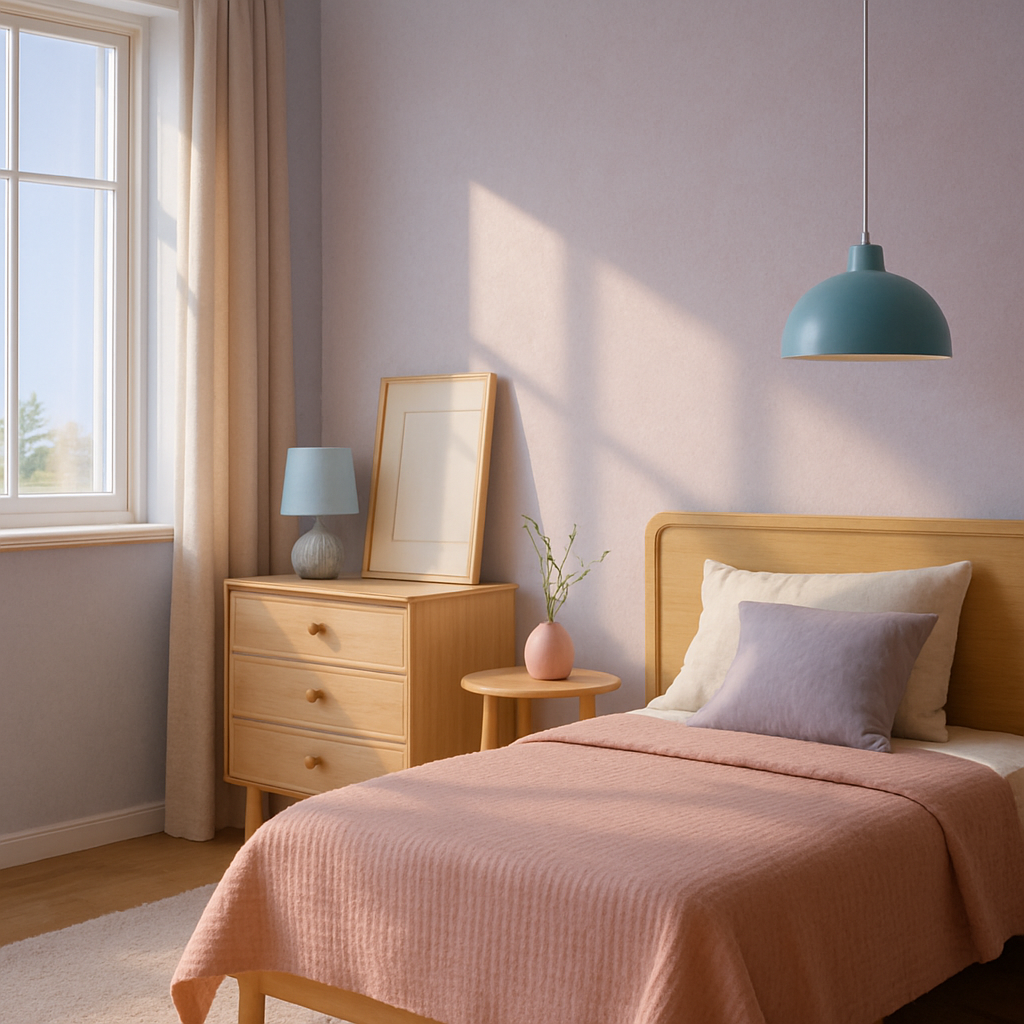
Imagine walking into a room that feels like it was designed just for you - a perfect blend of function and aesthetics. According to Houzz's annual survey, homeowners who invest in professional design see a 5-15% higher resale value. This statistic underscores the importance of thoughtful design. In this digital age, designing a room online is more accessible than ever, yet it requires a nuanced approach to achieve the desired outcome. This article will guide you through 10 essential tips for designing your dream room online, from foundational principles to expert insights, ensuring your space is both beautiful and functional. We'll explore concepts like biophilic design, smart home integration, and how to leverage online platforms effectively.
Understand the Basics of Online Room Design
The first step in designing your dream room online is to grasp the foundational concepts. An understanding of layout and function is crucial. Mapping out how you use each room in your home can reveal what changes you need to make. Consider where you drop your keys, where the kids do homework, and where you relax at the end of the day. This exercise will help you identify the primary functions of the space and shape your design decisions accordingly.
Next, familiarize yourself with online design tools. Platforms like Houzz and Pinterest are invaluable for gathering inspiration and ideas. Houzz, for instance, offers a plethora of designer portfolios and project photos that can spark creativity. Pinterest allows you to create mood boards, helping you visualize your design ideas in one cohesive space. These tools are crucial for organizing your thoughts and maintaining a clear vision of your project.
Finally, consider the importance of color and light. Colors can dramatically affect the mood of a room. Use online color visualization tools to experiment with different palettes. Additionally, lighting plays a pivotal role in design; it can highlight specific areas and create ambiance. Will you opt for natural light or prefer the warmth of ambient lighting? The choices you make here will set the tone for the entire room.
Understanding these basics provides a solid foundation for more detailed planning, allowing you to tackle more complex design elements with confidence.
Dive Deeper with Data-Driven Decisions
Once the basics are in place, it's time to delve into data-driven decisions. Industry surveys suggest that homeowners typically allocate 10-25% of their total project cost to design fees. This insight can help you set a realistic budget for your project. Budgeting is essential, as it influences every decision moving forward, from the choice of materials to the selection of furniture.
Additionally, consider the role of technology in your design process. Smart home integration has become increasingly popular, with automated lighting and climate control systems enhancing convenience and efficiency. The International Interior Design Association (IIDA) notes that smart tech not only increases a home's functionality but can also boost its appeal to tech-savvy buyers. Incorporating these elements could provide a significant return on investment.
Data can also inform your style choices. For example, biophilic design, which emphasizes natural materials and indoor-outdoor flow, is currently trending according to Architectural Digest's AD PRO network. Are you drawn to the idea of integrating nature into your living spaces? Understanding these trends allows you to make informed choices that align with both current aesthetics and your personal taste.
By leveraging data and trends, you can make informed decisions that enhance both the beauty and functionality of your space.
Implement Actionable Strategies for Success
With a solid foundation and data-driven insights, the next step involves implementing actionable strategies. Start by creating a detailed project plan. Outline each phase of the project: concept development, design presentation, procurement, installation, and styling. This roadmap will keep you organized and ensure that no detail is overlooked.
Engage with certified professionals when necessary. Certified interior designers, those with NCIDQ (National Council for Interior Design Qualification) credentials, bring expertise that can elevate your project. They can offer valuable insights into space planning and material selection, ensuring that your design is both aesthetically pleasing and functional.
Consider using AR/VR room visualization tools. These technologies allow you to see a virtual representation of your design before any physical changes are made. This can prevent costly mistakes and ensure that your vision translates accurately into the final product. Have you ever tried visualizing your space using these advanced tools? It could be the key to refining your design.
Implementing these strategies will streamline your process, making your online design journey more efficient and rewarding.
Incorporate Expert-Level Details into Your Design
To elevate your design from good to great, focus on incorporating expert-level details. Experienced professionals often note the importance of texture and material in creating a cohesive look. Mixing textures, such as combining smooth leather with cozy wool, can add depth and interest to a room.
Pay attention to scale and proportion. These elements are crucial in creating a harmonious space. For instance, a large sectional might overwhelm a small living room, whereas a compact loveseat paired with large mirrors can make the area feel more expansive. The American Society of Interior Designers (ASID) emphasizes these principles in creating balanced interiors.
Don't forget the finishing touches. Accessories like art, plants, and decorative objects can personalize your space and reflect your style. However, restraint is key. Too many accessories can clutter a space, while a few well-chosen pieces can enhance the overall design. How do you choose which items to showcase in your room? Consider their sentimental value and visual impact.
By focusing on these expert-level details, you can ensure that your room is not only functional but also visually captivating.
Explore Additional Depth with Professional Insights
Adding depth to your design involves seeking out professional insights. Collaboration with certified designers can offer new perspectives and expertise. These professionals can introduce you to unique solutions, such as using sustainable and reclaimed materials, which are both eco-friendly and trendy.
Professional insights also extend to understanding the nuances of fee structures. Designers may charge a flat fee, an hourly rate, or a percentage of the total project cost. Each structure offers different advantages, and understanding these can help you make an informed decision that aligns with your budget.
Moreover, professionals can guide you through the procurement phase, ensuring you select high-quality pieces that fit your design and budget. They can also help navigate the complexities of custom orders and deliveries, saving you time and potential headaches. Have you considered what professional insights could bring to your project?
Engaging with professionals enriches your design process, ensuring that your dream room is both achievable and exceptional.
Final Perspectives on Online Room Design
As you near the end of your design journey, it's essential to reflect on the process. Designing your dream room online is a multifaceted endeavor that combines creativity, technology, and strategy. Each step, from foundational concepts to expert-level details, plays a critical role in crafting a space that truly reflects your lifestyle and preferences.
Remember the importance of flexibility throughout this process. Design is an evolving practice, and being open to new ideas and adjustments can lead to unexpected and delightful outcomes. Would you be willing to experiment with different styles or layouts to achieve the perfect balance?
Ultimately, your willingness to explore, adapt, and refine will determine the success of your project.
Conclusion: Take the First Steps Toward Your Dream Room
Designing your dream room online is an exciting endeavor that blends creativity with technology. By understanding the basics, leveraging data, and incorporating expert insights, you can create a space that meets your needs and reflects your personality. As you embark on this journey, remember to ask yourself key questions and remain open to new possibilities.
Start by browsing designer portfolios on Houzz or creating mood boards on Pinterest this week. Even just 20 minutes of research can sharpen your eye for what you want. This initial step will set the foundation for your design journey, helping you transform your vision into reality.



Comments
Post a Comment