How to Land Your Dream Interior Design Job: Tips and Strategies
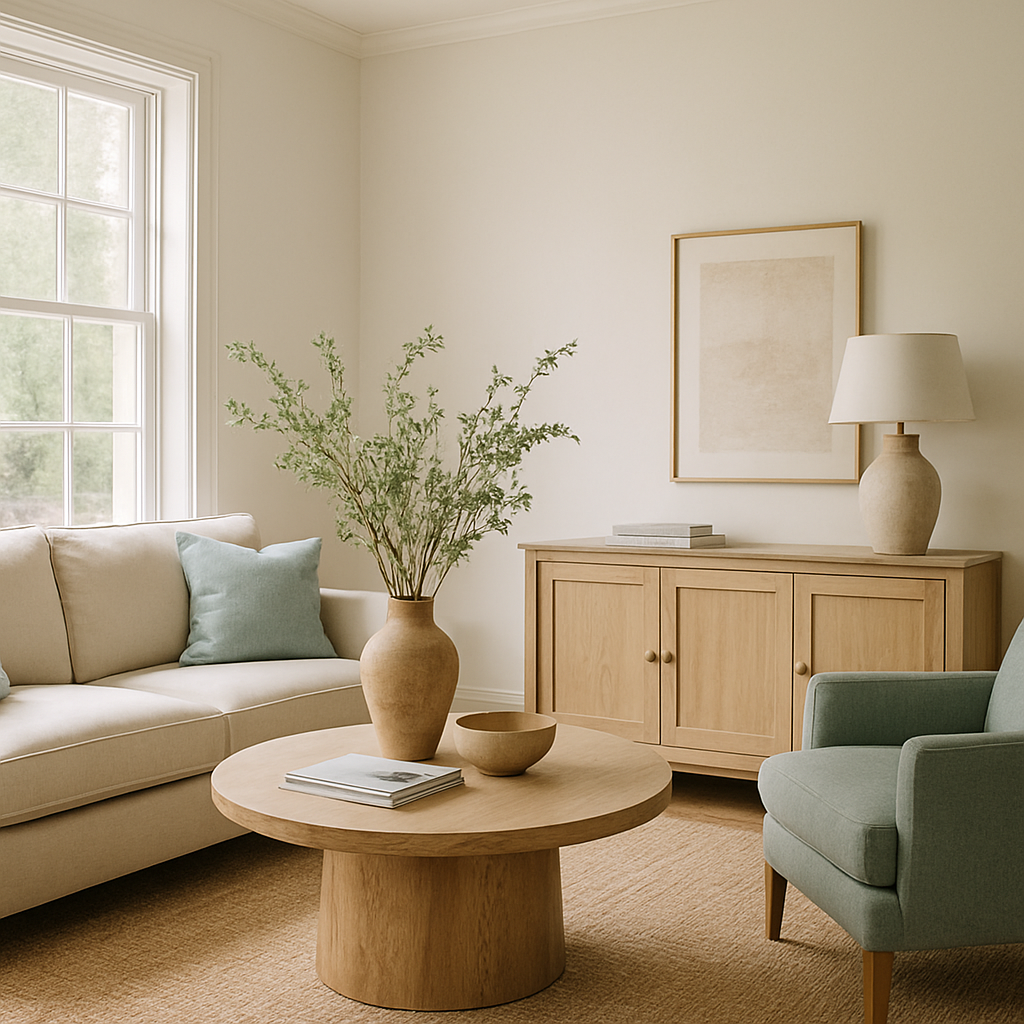
Are you passionate about transforming spaces and creating stunning interiors? If so, landing your dream interior design job might seem daunting. However, with the right strategies and insider knowledge, you can navigate the competitive landscape and secure a position that aligns with your creative aspirations. In this article, we'll explore essential tips to help you achieve your goal, from understanding foundational concepts to leveraging expert insights. Whether you're just starting or looking to advance your career, these strategies will equip you with the tools needed to succeed in the dynamic world of interior design.
Understanding the Role of an Interior Designer
Before diving into job hunting, it's crucial to grasp what the role of an interior designer entails. Interior designers are responsible for planning, designing, and furnishing interior spaces. This involves not just aesthetic decisions but also considering functionality and safety. Designers often work closely with architects and contractors to ensure the client's vision is realized within structural limits.
To excel in this field, a strong understanding of design principles, color theory, and spatial arrangements is essential. According to the International Interior Design Association (IIDA), a certified interior designer typically holds credentials such as NCIDQ (National Council for Interior Design Qualification) certification. This certification assures potential employers that you have the necessary skills and knowledge.
Moreover, interior designers must stay updated on the latest trends and technology. For instance, AR/VR room visualization tools are becoming increasingly popular, allowing designers to present concepts in an immersive way. Keeping abreast of such advancements can give you a competitive edge. As we delve further, consider how these foundational elements play into the strategies for landing your dream job.
Analyzing the Job Market with Data
Understanding the interior design job market is vital to positioning yourself effectively. According to Houzz's annual survey, homeowner spending on interior design projects has shown consistent growth, with a notable increase in demand for sustainable and biophilic design elements. This trend suggests a promising job market for interior designers who specialize in these areas.
Industry surveys indicate that well-designed interiors can increase property resale value by 5-15%, which emphasizes the importance of skilled designers. Employers are on the lookout for professionals who can deliver such value. Additionally, the American Society of Interior Designers (ASID) reports that the average salary for interior designers has been on the rise, reflecting the growing appreciation and demand for design expertise.
For those entering the field, it's crucial to identify sectors within interior design that are expanding. Areas like smart home integration and sustainable design hold significant potential. By aligning your skills with these trends, you not only enhance your employability but also position yourself as a forward-thinking designer. Next, we'll explore actionable strategies to help you stand out in this competitive market.
Strategies for Standing Out in the Job Market
Now that you have a grasp of the market landscape, it's time to focus on strategies that can help you stand out. One effective approach is to build a compelling portfolio. Your portfolio is your visual resume and should showcase a range of projects that highlight your versatility and design philosophy. Use platforms like Houzz and Pinterest to display your work and gain visibility among potential employers.
Networking is another critical component of job hunting. Attend industry events, join professional organizations like ASID or IIDA, and engage with fellow designers and potential employers. These connections can lead to job opportunities and provide valuable insights into industry trends. Have you considered attending local AIA (American Institute of Architects) chapter meetings to expand your network?
Additionally, consider pursuing internships or assistant roles to gain practical experience. These positions provide firsthand exposure to the industry and can often lead to full-time employment. When applying, tailor your resume to highlight relevant skills and experiences. Ensure you demonstrate how you can add value to the prospective employer's team. As we move forward, we'll delve into expert-level details that can further enhance your candidacy.
Expert Insights for Going Beyond Basics
Experienced professionals often note that continuous learning is key to advancement in the interior design field. Pursuing advanced certifications or specialized courses can enhance your skill set and improve your marketability. The NCIDQ certification is particularly valued, as it signifies a high standard of excellence. Are you considering any additional certifications to boost your career prospects?
Another expert strategy is to develop a niche expertise. Whether it's focusing on eco-friendly designs or mastering smart home technologies, having a specialty can set you apart from other candidates. Clients and employers alike appreciate designers who bring unique skills to the table. For example, biophilic design, which emphasizes natural materials and indoor-outdoor flow, is gaining popularity and could be a lucrative niche.
Moreover, understanding business fundamentals can elevate your career. Many designers eventually start their own firms, requiring knowledge of business operations, client management, and marketing. By gaining experience in these areas, you prepare yourself for leadership roles and entrepreneurial opportunities. In the next section, we'll explore additional depths of knowledge to support your career journey.
Gaining Additional Depth in the Field
To truly excel as an interior designer, immerse yourself in the broader context of design history and theory. Understanding the evolution of design styles and their cultural significance can provide a rich foundation for your work. This depth of knowledge can inspire innovative designs and enhance your creative solutions.
Engage with the design community through publications like Architectural Digest's AD PRO network. Staying informed about industry news and trends helps you anticipate shifts and adapt your designs accordingly. Additionally, contribute to design discussions and forums to build your reputation as a knowledgeable and engaged professional.
Finally, consider the impact of digital tools in modern design practices. Familiarize yourself with design software and project management tools that streamline workflows and improve client communication. Proficiency with these technologies is often a prerequisite for many design roles. As we approach the conclusion, let's reflect on the final perspectives and actionable steps to take.
Final Perspectives on Launching Your Career
Launching a successful career in interior design requires a blend of creativity, technical skill, and strategic planning. As you prepare to enter or advance in the field, remember that your passion for design should be matched by a commitment to professional growth and adaptability.
Reflect on your career goals and consider how the insights and strategies discussed can guide you toward your dream job. Whether you're pursuing a specific niche or aiming for a leadership position, continuous learning and networking are invaluable. What steps will you take today to move closer to your career objectives?
As you navigate your journey, remember that the interior design industry is ever-evolving, offering endless opportunities for those willing to innovate and adapt. In the conclusion, we'll summarize the key points and offer a concrete call to action to propel you forward.
Conclusion
In conclusion, landing your dream interior design job involves understanding the role, analyzing the market, and implementing effective strategies. By building a strong portfolio, networking, and gaining specialized skills, you position yourself as a desirable candidate in a competitive field. Additionally, staying informed about industry trends and enhancing your expertise through continuous learning can further bolster your career prospects.
Now is the time to take action. Start by browsing designer portfolios on platforms like Houzz this week. Even 20 minutes of research can sharpen your eye for what you want and help you identify potential career paths. Remember, your dream job is within reach, and with persistence and the right approach, you can turn your passion for design into a fulfilling career.



Comments
Post a Comment