The Ultimate Guide to Understanding Interior Design Principles and Trends
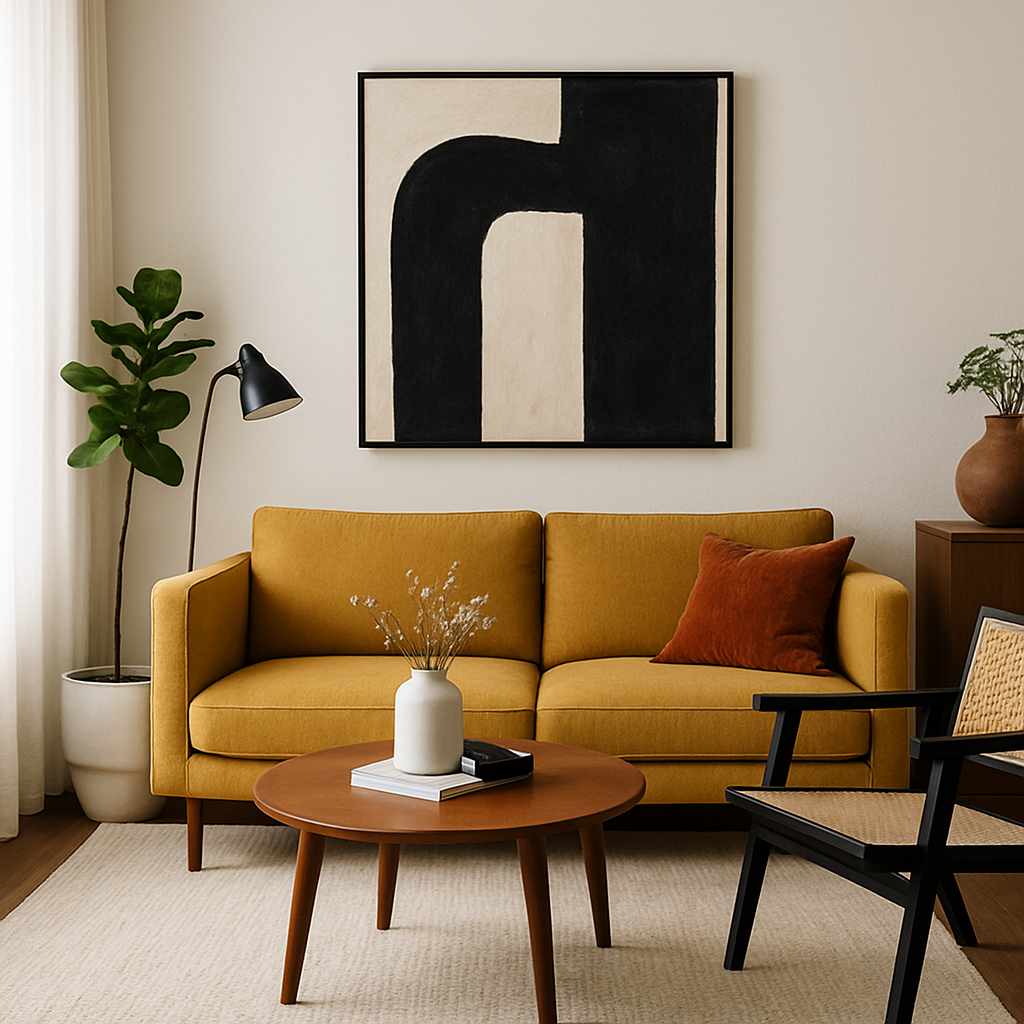
Have you ever walked into a room and immediately felt at ease, as if the space was designed just for you? This isn't just a coincidence; it's the magic of well-executed interior design. According to a Houzz survey, homeowners are increasingly willing to spend upwards of $5,000 to $15,000 for a single room redesign, reflecting the value placed on creating harmonious living environments. Understanding the principles that guide these transformations and keeping up with current trends can empower you to enhance your own space. In this comprehensive guide, we'll delve into the foundational concepts of interior design, explore current trends, provide actionable strategies, and offer insights from industry experts to help you design spaces that not only look beautiful but function perfectly for your lifestyle.
The Foundations of Interior Design
At the heart of interior design lies a set of core principles that guide the creation of cohesive and functional spaces. These principles include balance, proportion, harmony, rhythm, and emphasis. Balance refers to the distribution of visual weight within a room, achieved through symmetrical, asymmetrical, or radial arrangements. Proportion and scale concern the relationship between the size of objects within a space and the space itself, ensuring that furnishings are neither too large nor too small.
Harmony and unity are achieved when all elements within a room complement each other, creating a sense of wholeness. This can be accomplished through a consistent color palette, repeated patterns, or similar textures. Rhythm, on the other hand, involves creating movement within a space by repeating elements such as colors or shapes at regular intervals. This principle guides the eye through the room, contributing to a dynamic yet cohesive design.
Emphasis is the strategic focal point within a space, drawing attention to a particular area or element, like a fireplace or a piece of art. By using these principles as a framework, you can create a space that is not only visually appealing but also comfortable and functional. As we explore these concepts further, consider how they might apply to your own space.
Analyzing Current Design Trends
Interior design is not static; it evolves with cultural shifts and technological advancements. One of the most prominent trends in 2026 is biophilic design, which emphasizes the connection between indoor spaces and nature. This approach incorporates natural materials, living walls, and an indoor-outdoor flow, creating environments that promote well-being. According to ASID research, incorporating biophilic elements can increase productivity and creativity by up to 15%.
Another trend gaining traction is quiet luxury, characterized by understated elegance and the use of high-quality materials. This style prioritizes timeless design over passing fads, focusing on craftsmanship and subtle details. The rise of smart home integration also continues to influence interior design, with automated lighting, climate control, and window treatments becoming standard features in modern homes. These technologies enhance convenience and energy efficiency, aligning with the growing demand for sustainable living.
Japandi, a fusion of Japanese minimalism and Scandinavian warmth, also remains popular. This trend emphasizes simplicity, functionality, and the use of natural materials, resulting in spaces that feel both calming and inviting. As you consider these trends, think about which elements resonate with your personal style and how they might enhance your living environment.
Implementing Design Strategies in Your Home
Integrating design principles and trends into your home doesn't require a complete overhaul. Start by assessing your current space and identifying areas for improvement. Experienced professionals often note that decluttering is a critical first step; it allows you to see the potential of your space without distractions. Once you've cleared the clutter, focus on creating a balanced layout. Consider the flow of movement within each room and arrange furniture to facilitate easy navigation.
Next, experiment with color and texture. Using a consistent color palette can create harmony, while contrasting textures, such as a velvet couch paired with a wooden coffee table, add visual interest. Don't hesitate to incorporate elements from current trends, like natural materials or smart home features, to modernize your space. Remember, the goal is to enhance both aesthetics and functionality.
Lighting is another powerful tool in design. Layered lighting, which combines ambient, task, and accent lighting, can transform a room's mood and functionality. For example, dimmable overhead lights paired with focused task lighting can create a versatile environment suitable for both relaxation and productivity. As you implement these strategies, reflect on how each change impacts the overall feel of your space.
Expert Insights on Interior Design
When it comes to interior design, the expertise of certified professionals can be invaluable. Certified interior designers often hold credentials such as the NCIDQ (National Council for Interior Design Qualification), ensuring they have undergone rigorous training in both aesthetics and technical skills. The IIDA (International Interior Design Association) also offers resources and networking opportunities for professionals in the field.
Industry experts agree that effective design goes beyond aesthetics; it must also address practical needs and lifestyle considerations. For instance, a family with young children may prioritize durable materials and ample storage, while a single professional might focus on creating a serene home office. Understanding these nuances is crucial to achieving a design that truly fits the occupants' lives.
Furthermore, professional designers now utilize advanced tools like AR/VR room visualization to preview designs before implementation. This technology offers clients a realistic glimpse into proposed changes, reducing uncertainty and enhancing decision-making. As you consider working with a designer, inquire about their credentials and the technologies they use to enhance their services.
Exploring Budget and Fee Structures
Understanding the financial aspects of interior design is essential for successful project planning. Designers typically offer various fee structures, including flat fees, hourly rates, or a percentage of the total project cost. Hourly rates can range from $150 to $500, depending on the designer's experience and location. A percentage-based fee usually falls between 10% and 25% of the project cost, providing flexibility for larger projects.
Procurement markups, which cover the cost of acquiring furniture and materials, are another common aspect of design fees. These markups can offer access to exclusive products and ensure quality control. Despite these additional costs, investing in professional design services can increase your home's resale value by 5-15%, according to industry surveys.
When budgeting for a redesign, it's important to consider both the immediate costs and the long-term benefits. A well-designed space can enhance your daily life, providing comfort, efficiency, and visual pleasure. As you plan your project, think about which areas of your home would benefit most from a professional touch.
Final Perspectives on Design and Trends
Interior design is a dynamic field that blends art and science to create spaces that enhance our lives. By understanding the principles and trends that shape design, you can make informed decisions that reflect your personal style and meet your practical needs. Whether you're drawn to the serenity of Japandi or the innovation of smart home technology, there's a design approach that can elevate your environment.
As you embark on your design journey, remember that the process should be enjoyable and reflective of your individuality. Engaging with platforms like Houzz or consulting with certified designers can provide inspiration and guidance along the way. Ultimately, the goal is to create a space that feels like home-a place where you can thrive and find comfort.
Conclusion: Taking the Next Step
In summary, mastering interior design principles and staying current with trends can significantly enhance your living spaces. By applying foundational concepts, exploring new trends, and seeking expert guidance, you can transform your home into a place that reflects your personality and meets your needs. Are there areas in your home that could use a design refresh? Consider starting your journey by browsing designer portfolios on Houzz or consulting with a certified interior designer from the ASID directory.
Take a moment this week to envision the possibilities for your space. Even dedicating just 20 minutes to research and planning can set you on the path to a stunning home transformation. Embrace the creative process, and let your home become a canvas for your life's story.



Comments
Post a Comment