How to Invest in Interior Design: Transform Your Space on a Budget
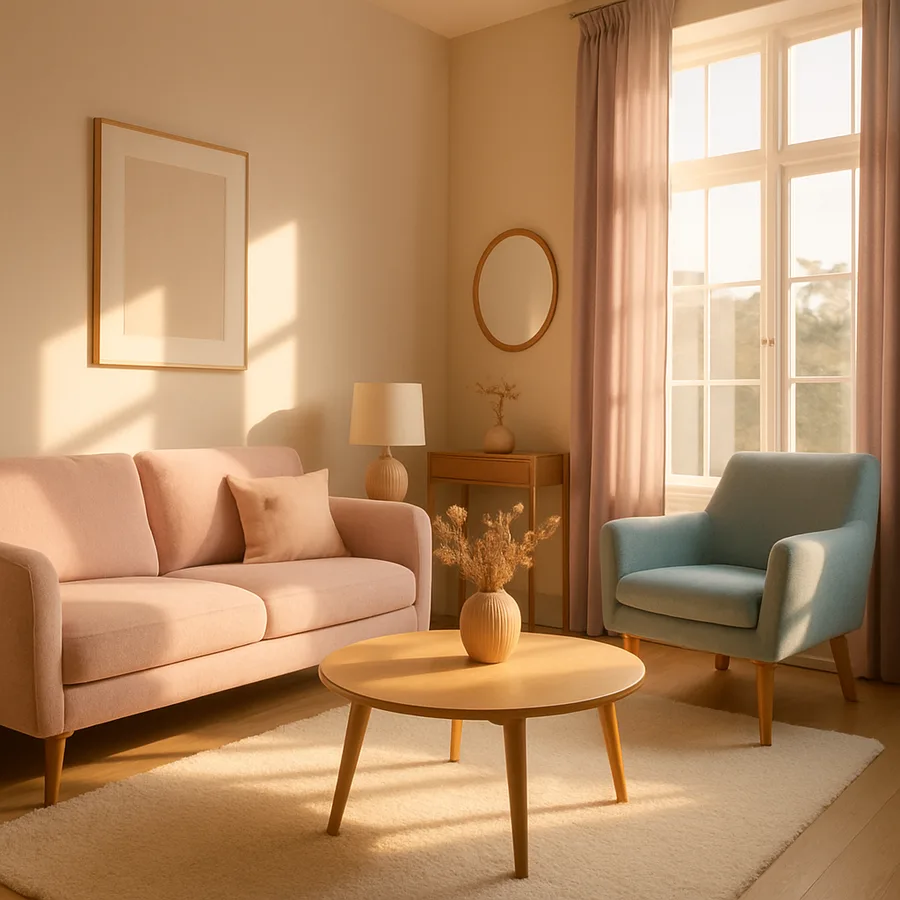
Transforming your home does not require a six-figure budget or access to a celebrity designer's Rolodex. The truth is that strategic interior design investments can dramatically improve both your daily living experience and your property's long-term value. According to the American Society of Interior Designers (ASID), homeowners who invest thoughtfully in interior design see an average return of 10 to 15 percent on their property value. The key lies in understanding where to allocate your resources for maximum impact, rather than spreading your budget thin across superficial changes. Whether you are refreshing a single room or reimagining your entire home, a disciplined approach to design spending will yield results that far exceed what impulse purchases ever could.
Understanding the True Value of Interior Design Investment
Interior design investment goes far beyond selecting attractive furniture and paint colors. It encompasses a holistic approach to creating spaces that enhance well-being, improve functionality, and increase property value over time. The International Interior Design Association (IIDA) emphasizes that well-designed interiors can boost occupant productivity by up to 20 percent, demonstrating that the benefits extend well past aesthetics. A thoughtful investment in your home's interior creates a ripple effect that touches every aspect of your daily life, from your morning routine to your evening relaxation.
Many homeowners make the mistake of viewing interior design as a purely cosmetic endeavor, but the reality is far more nuanced. Properly designed spaces account for traffic flow, natural light optimization, acoustic comfort, and even the psychological impact of color and texture. The ASID's research portfolio consistently shows that environments designed with human factors in mind reduce stress, improve sleep quality, and foster stronger family connections. When you invest in interior design with this broader perspective, every dollar works harder because it serves multiple purposes simultaneously.
Have you ever walked into a room and immediately felt a sense of calm or energy? That visceral response is not accidental. Professional designers understand the science behind spatial perception, and replicating even a fraction of their methodology can transform your experience of home. The National Council for Interior Design Qualification (NCIDQ) sets rigorous standards for design professionals precisely because the impact of interior environments on human health and happiness is so well documented. By educating yourself on these principles, you position yourself to make investments that deliver both emotional and financial returns.
Setting a Realistic Budget That Actually Works
The foundation of any successful interior design project is a budget that balances ambition with reality. According to Houzz's annual Kitchen and Bath Trends Study, the median kitchen renovation budget sits around $12,000 for minor upgrades and $45,000 for major overhauls, but budget-conscious homeowners can achieve stunning results for significantly less by prioritizing high-impact changes. The first step is to conduct an honest assessment of your space, identifying which elements are structurally sound but aesthetically dated versus which genuinely need replacement. This distinction alone can save you thousands of dollars by redirecting funds from unnecessary demolition toward impactful finishes and furnishings.
Breaking your budget into tiers creates a practical roadmap that prevents overspending on any single element. Allocate roughly 40 percent of your budget to the single highest-impact item in the room, whether that is a quality sofa for a living room, durable countertops for a kitchen, or a comfortable mattress and bedframe for a bedroom. The next 30 percent should cover secondary elements like lighting fixtures, window treatments, and accent furniture. The remaining 30 percent funds accessories, art, textiles, and the finishing touches that give a room its personality. This tiered approach ensures that the bones of your design are solid before you spend on decorative layers.
One of the most effective budget strategies is the "invest and save" philosophy, where you spend more on items that receive heavy daily use and less on pieces that serve primarily decorative purposes. A well-constructed dining table that will host thousands of family meals deserves a larger share of your budget than a decorative vase on a shelf. The IIDA recommends that consumers evaluate furniture purchases using a cost-per-use calculation, dividing the price by the estimated number of times you will interact with the piece over its lifespan. This simple metric often reveals that the "expensive" option is actually the most economical choice in the long run.
High-Impact Changes That Deliver Maximum Return
Not all design investments are created equal, and understanding which changes deliver the greatest visual and functional impact per dollar is essential for budget-conscious homeowners. Painting is consistently ranked as the single highest-return design investment, with the potential to completely transform a room for a few hundred dollars. The ASID notes that strategic color choices can make small rooms feel larger, dark rooms feel brighter, and disconnected spaces feel cohesive. Beyond basic wall color, consider painting dated cabinetry, trim, and even interior doors to create a unified aesthetic without the cost of replacement.
Lighting is the second most impactful investment you can make, yet it remains one of the most overlooked elements in budget design projects. Replacing outdated fixtures with modern alternatives, adding dimmer switches, and incorporating layered lighting through a combination of ambient, task, and accent sources can dramatically alter the atmosphere of any room. Houzz survey data indicates that 65 percent of homeowners who upgraded their lighting reported the highest satisfaction among all their renovation choices. The beauty of lighting upgrades is that many can be completed as DIY projects, keeping labor costs to zero while delivering professional-grade results.
What would your home look like if every room had intentional, layered lighting? Imagine moving from a single overhead fixture casting flat, unflattering light to a carefully orchestrated combination of recessed cans, pendant fixtures, table lamps, and under-cabinet strips that create depth, warmth, and visual interest. Textiles represent another high-return investment category, including curtains, throw pillows, area rugs, and upholstery. These soft furnishings add color, pattern, texture, and acoustic dampening to a space, and they are among the easiest elements to update seasonally or as your tastes evolve. Strategic textile investments create the layered, lived-in look that distinguishes a professionally designed space from a catalog showroom.
Shopping Strategies for Design-Savvy Homeowners
Where and how you shop for interior design elements can be just as important as what you buy. The rise of direct-to-consumer furniture brands has disrupted traditional pricing models, offering quality pieces at a fraction of showroom prices by eliminating middlemen and warehouse overhead. However, not every online retailer delivers on its promises, so diligent research into materials, construction methods, and return policies is essential before committing your budget. ASID-certified designers often recommend a blended shopping strategy that combines investment pieces from reputable manufacturers with budget finds from discount retailers and secondhand sources.
Estate sales, consignment shops, and online marketplaces have become goldmines for homeowners seeking unique, well-crafted furniture at below-retail prices. Solid wood furniture from previous decades often surpasses the quality of brand-new mass-produced alternatives, and vintage pieces add character and individuality that cannot be replicated with off-the-shelf purchases. The IIDA has highlighted the sustainability benefits of purchasing secondhand furnishings, noting that furniture represents a significant portion of landfill waste and that extending the lifecycle of existing pieces reduces environmental impact while saving consumers money. A single vintage sideboard or mid-century armchair can serve as a focal point that elevates an entire room's design.
Timing your purchases strategically can yield substantial savings without compromising on quality. Major furniture retailers typically offer their deepest discounts during holiday weekends, end-of-season clearance events, and annual warehouse sales. Houzz reports that homeowners who plan their purchases around these sales cycles save an average of 20 to 35 percent compared to buying at full retail price. Building a wish list and monitoring prices over several weeks also protects you from impulse buying, ensuring that every purchase aligns with your overall design plan rather than derailing it with a momentary temptation.
The DIY Advantage: Where Sweat Equity Pays Off
Do-it-yourself projects remain one of the most powerful tools in the budget designer's arsenal, allowing homeowners to redirect labor costs toward higher-quality materials and furnishings. Painting, basic tiling, wallpaper installation, and furniture assembly are all accessible projects for homeowners with moderate skill levels and a willingness to invest time in learning proper techniques. The NCIDQ acknowledges that while licensed designers bring irreplaceable expertise to complex projects, many homeowners can successfully execute cosmetic updates that produce professional-looking results with patience and preparation.
The key to successful DIY interior design is knowing where your skills end and professional help should begin. Electrical work, plumbing modifications, structural changes, and anything involving load-bearing walls should always be handled by licensed contractors. Attempting these projects without proper expertise creates safety hazards, may violate building codes, and can actually decrease your home's value if the work is substandard. A smart budget allocates DIY savings from cosmetic projects toward professional labor for technical work, ensuring that every element of your renovation meets both aesthetic and safety standards.
Furniture refinishing and upcycling represent a particularly rewarding intersection of creativity and savings. A dated dresser can be transformed with new hardware, a fresh coat of paint, and updated legs into a statement piece that rivals boutique offerings costing ten times as much. Online tutorial platforms have democratized access to techniques that were once the exclusive domain of professional craftspeople, from chalk painting and distressing to reupholstery and wood staining. The satisfaction of creating custom pieces tailored to your exact specifications and color palette is an added bonus that no retail purchase can replicate.
Professional Guidance Without the Full-Service Price Tag
Hiring a full-service interior designer may be beyond the reach of a tight budget, but several alternatives exist that provide professional expertise at a fraction of the cost. Many ASID-registered designers now offer hourly consultation services, where homeowners can book a single session to review their plans, get product recommendations, and receive a professionally curated color palette. These consultations typically range from $150 to $500 depending on your market and the designer's experience level, and the insights gained can prevent costly mistakes that would far exceed the consultation fee.
Online design services have emerged as another accessible option for budget-conscious homeowners who want professional input without the commitment of a full-service engagement. Platforms connecting homeowners with credentialed designers allow you to upload photos of your space, specify your style preferences and budget constraints, and receive a customized design plan complete with product links and layout recommendations. The IIDA recognizes these platforms as a valuable evolution in making professional design accessible to a broader audience, while cautioning consumers to verify that participating designers hold appropriate credentials and insurance.
Design showhouses and open studios hosted by local ASID and IIDA chapters provide free opportunities to experience professional design work firsthand and gather ideas for your own projects. These events often feature emerging designers eager to build their portfolios, some of whom offer reduced rates for residential projects in exchange for portfolio photography rights. Networking at these events can also connect you with trade-only vendors who offer significant discounts on furniture, fabrics, and fixtures that are not available through retail channels. The interior design community is surprisingly approachable, and expressing genuine interest in learning often opens doors to resources and relationships that enhance your project far beyond what money alone can buy.
Conclusion: Building a Home That Reflects Your Vision
Investing in interior design on a budget is not about deprivation or settling for less than your vision. It is about applying intelligence, creativity, and strategic thinking to make every dollar serve your goals. The principles endorsed by organizations like the ASID, IIDA, NCIDQ, and informed by data from Houzz consistently demonstrate that thoughtful design produces outcomes that far exceed their price tags. By prioritizing high-impact changes, shopping strategically, embracing selective DIY projects, and leveraging professional guidance at key decision points, you can create a home that looks, feels, and functions like the work of a seasoned designer.
The journey of transforming your space is as rewarding as the destination. Each decision you make, from the color on your walls to the texture of your throw pillows, is an expression of who you are and how you want to live. Start with a clear budget, focus on the changes that matter most, and give yourself permission to evolve your design over time rather than trying to achieve perfection in a single sprint. What will be your first investment in transforming your space?
Take the first step today by choosing one room in your home and applying the tiered budget approach outlined in this guide. Photograph your space from multiple angles, research your options using the resources mentioned above, and commit to a timeline that keeps your project moving forward. Your transformed home is closer than you think, and the investment you make now will pay dividends in comfort, happiness, and value for years to come.
More Articles You May Like



Comments
Post a Comment