How Interior Design Apps Are Revolutionizing Home Makeovers for Everyone
The world of home interior design has undergone a seismic shift, driven by a wave of mobile applications that place professional-level design tools directly into the hands of everyday homeowners. What once required hiring a costly consultant, poring over fabric swatches at showrooms, and hoping a chosen paint color would look right on the wall can now be accomplished from a smartphone in a matter of minutes. The American Society of Interior Designers (ASID) reports that digital design tool adoption among homeowners has grown by over 40% in recent years, reflecting a fundamental change in how people approach the process of making their homes beautiful. These applications are not mere novelties; they represent a genuine democratization of interior design knowledge and capability.
For decades, interior design was perceived as a luxury accessible primarily to those with significant disposable income. A Houzz annual survey found that the average cost of a full-service interior design consultation ranges between $2,000 and $12,000, a figure that places professional guidance out of reach for a large segment of the population. Interior design apps bridge this gap by offering room visualization, furniture placement simulation, color matching, and curated product recommendations at little or no cost. The result is a growing community of empowered homeowners who can experiment, plan, and execute design changes with a confidence that previously required years of training or expensive professional support.
This article examines the specific ways in which interior design apps are changing the home makeover landscape, from augmented reality room previews to AI-powered style recommendations. Whether you are planning a full renovation or simply want to refresh a single room, understanding the capabilities and limitations of these digital tools will help you make smarter, more satisfying design decisions. Along the way, we will explore how organizations like the International Interior Design Association (IIDA) and the National Council for Interior Design Qualification (NCIDQ) view the rise of consumer-facing design technology and what it means for the future of the profession.
Augmented Reality Brings Design Decisions to Life
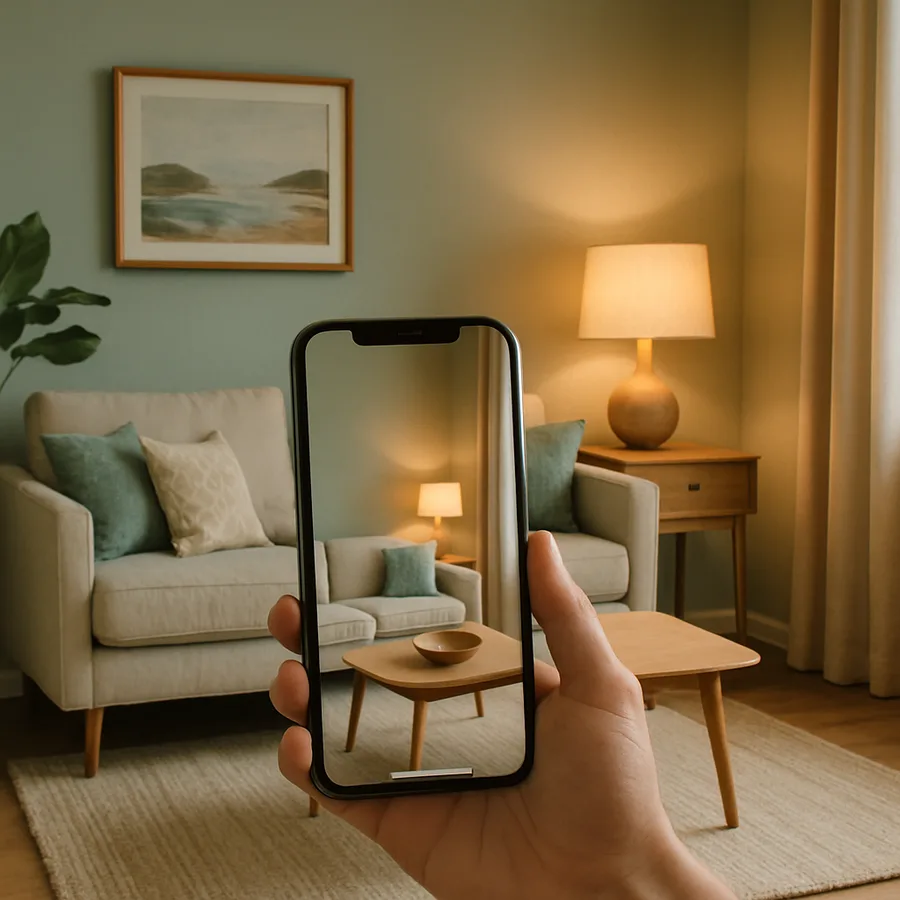
Augmented reality, commonly referred to as AR, is arguably the most transformative technology embedded in modern interior design apps. AR allows users to point their phone or tablet camera at a real room and overlay virtual furniture, decor, and finishes directly onto the live image. This means you can see exactly how a particular sofa, rug, or light fixture will look in your specific space before committing to a purchase. The technology accounts for scale, perspective, and even lighting conditions, creating a remarkably accurate preview that eliminates much of the guesswork traditionally associated with buying furnishings online. According to data reported by Houzz, users who employ AR visualization tools are 11 times more likely to purchase a product than those who browse static images alone.
The practical value of AR extends far beyond furniture shopping. Homeowners can use these tools to test paint colors on actual walls, preview different flooring materials across an entire room, and experiment with layout configurations without physically moving a single piece of furniture. For renters who cannot make permanent changes, AR offers a way to mentally rehearse improvements and confirm that temporary solutions like removable wallpaper or freestanding shelving will achieve the desired effect. This trial-before-you-buy capability dramatically reduces the risk of costly design mistakes, such as ordering a sofa that overwhelms a small living room or choosing a wall color that clashes with existing cabinetry.
Have you ever purchased a piece of furniture online only to discover it looked entirely different in your home than it did on the website? That frustrating experience, shared by millions of consumers, is precisely the problem AR was designed to solve. The IIDA has acknowledged that augmented reality tools represent a significant step forward in bridging the gap between professional design visualization, traditionally done with expensive software, and the average homeowner's decision-making process. As AR technology continues to improve in accuracy and ease of use, it will become an indispensable standard feature in every serious design application, fundamentally changing the relationship between consumers and the products they choose for their homes.
AI-Powered Style Recommendations and Personalization
Artificial intelligence within interior design apps serves as a virtual style consultant, analyzing user preferences, existing room characteristics, and current design trends to generate personalized recommendations. When you upload a photo of your room or complete a brief style quiz, AI algorithms assess factors like color distribution, furniture proportions, architectural features, and natural light levels to suggest improvements tailored to your specific space. This level of personalized analysis was previously available only through one-on-one consultations with trained designers, making AI-driven recommendations a powerful equalizer in the design world. ASID has noted that AI-enhanced tools are helping consumers develop a more articulate design vocabulary, enabling more productive conversations when they do engage professional support.
The sophistication of these AI systems is advancing rapidly. Contemporary design apps can identify your style preference, whether mid-century modern, Scandinavian, bohemian, traditional, or a blend, and curate product suggestions, color palettes, and layout ideas that align with that aesthetic. Some platforms learn from your interaction patterns over time, refining their suggestions as they develop a deeper understanding of your taste. This iterative personalization mimics the relationship a client might build with a designer over multiple projects, compressing that learning curve into a few sessions with an app. The result is increasingly accurate and useful suggestions that feel less like generic advice and more like guidance from someone who genuinely understands your vision.
Despite the impressive capabilities of AI in design apps, it is important to understand what these tools can and cannot do. AI excels at pattern recognition, style matching, and generating options within established design frameworks, but it lacks the intuitive understanding of human experience that distinguishes exceptional interior design. The NCIDQ standards for professional certification emphasize spatial awareness, human behavioral understanding, and cultural sensitivity, qualities that remain beyond the reach of current AI systems. Think of AI design tools as a highly knowledgeable assistant that can present options and spark ideas, while recognizing that the final creative decisions and emotional judgments are still yours to make.
Room Planning and Layout Tools for Every Skill Level
Floor planning and room layout tools within design apps have matured from crude, blocky interfaces into intuitive platforms that rival professional-grade software. Users can input their room dimensions manually or, in many advanced apps, simply scan the room with their phone camera to generate an accurate floor plan automatically. From there, the app provides a library of furniture and fixtures that can be dragged, dropped, rotated, and resized within the virtual room. This hands-on experimentation allows homeowners to test dozens of layout configurations in minutes, a process that would take hours with physical furniture moving or traditional graph paper methods. Houzz professionals have observed that clients who arrive at consultations with app-generated floor plans tend to have a much clearer vision, leading to faster and more cost-effective design outcomes.
The accessibility of these planning tools is particularly significant for people who struggle with spatial reasoning. Not everyone can look at an empty room and mentally visualize how furniture will fit and flow, and this skill gap historically led to expensive mistakes or decision paralysis. Design apps effectively externalize spatial reasoning, allowing anyone to see the consequences of layout choices in real time. Features like automatic spacing warnings, traffic flow analysis, and proportion guides help users avoid common layout pitfalls without needing to understand the underlying design principles. The IIDA has recognized this educational aspect of design apps, noting that they serve as informal learning tools that gradually build users' design literacy through repeated use and experimentation.
What would you change about your living room layout if you could test every possible arrangement in five minutes? This question, once purely hypothetical, is now entirely practical thanks to room planning apps. Beyond individual rooms, some platforms allow users to plan entire homes, coordinating layouts, color schemes, and furniture selections across multiple spaces for a cohesive result. This whole-home perspective was previously the exclusive domain of professional designers working with architectural plans and specialized software. By making this level of planning accessible to anyone with a smartphone, design apps are enabling homeowners to think more holistically about their spaces and make more confident decisions about purchases, renovations, and room functions.
Budget Tracking and Smart Shopping Integration
One of the most practically valuable features in modern interior design apps is integrated budget management. These tools allow users to set a total budget for a room or project, then track spending against that target as they add items to their design plan. Each product suggestion comes with pricing information, and many apps offer alternative recommendations at different price points, making it easy to adjust a design up or down based on financial constraints. According to ASID guidelines, budget management is one of the most challenging aspects of interior design for non-professionals, and apps that automate this process prevent the common problem of overspending on early purchases and running out of funds before a room is complete.
Smart shopping integration goes beyond simple price tracking. Many design apps partner directly with retailers, allowing users to purchase featured products without leaving the application. Price comparison features scan multiple vendors to find the best deal on a specific item, while wish list functionality lets users save products for future purchases when prices drop or budgets replenish. Some platforms even notify users of sales and clearance events on items they have previously viewed or saved, creating a personalized shopping experience that rewards patience and strategic timing. This level of shopping intelligence was previously available only to trade professionals with access to designer discounts and wholesale accounts.
The financial transparency that design apps provide has a secondary benefit: it educates users about realistic design costs. Many first-time decorators have no frame of reference for how much a room makeover should cost, leading to either unrealistic expectations or overspending driven by uncertainty. By presenting real prices alongside design suggestions, apps calibrate expectations and empower users to make informed trade-offs. Should you allocate more to the sofa and less to accessories, or invest in quality window treatments while choosing a more affordable coffee table? These are the kinds of decisions that professionals navigate intuitively but that can paralyze a homeowner working without guidance. Budget-integrated design apps transform these decisions from stressful guesses into data-driven choices.
Community Features and Design Inspiration Networks
Modern interior design apps have evolved beyond solitary planning tools into vibrant social platforms where users share completed projects, seek feedback, and discover inspiration from a global community of fellow design enthusiasts. The community dimension of apps like Houzz, which hosts over 25 million user-uploaded home photos, transforms the design process from an isolated activity into a collaborative experience. Users can browse real homes rather than staged showrooms, gaining practical insight into how design choices play out in everyday living conditions. This peer-to-peer sharing is especially valuable because it showcases realistic budgets, imperfect rooms, and creative solutions that professional photography in design magazines often obscures.
The feedback mechanisms within these communities provide a form of informal design review that can catch mistakes and spark ideas before money is spent. Posting a proposed color scheme, a furniture arrangement, or a mood board for community comment invites diverse perspectives that a single designer, no matter how talented, might not offer. The IIDA has highlighted the educational value of design communities, noting that participation in design discussions and exposure to varied aesthetic approaches broadens individual taste and builds the kind of visual literacy that supports better decision-making. For many users, scrolling through a curated feed of completed projects is not just entertainment but a genuine learning experience that refines their eye over time.
Have you ever drawn inspiration for a room from a photo you saw online, only to struggle translating that inspiration into actionable steps? Community-driven design apps address this gap by linking inspirational images directly to product information, tutorials, and professional contacts. Tapping on a lamp in a photo might reveal the exact product, its price, and links to similar alternatives at different price points. This seamless connection between inspiration and action reduces the friction that causes many homeowners to admire design ideas without ever implementing them. The result is a design ecosystem where seeing, planning, shopping, and executing exist within a single integrated experience, lowering the barrier to action for millions of aspiring home designers.
Privacy, Limitations, and the Role of Professional Designers
While interior design apps offer remarkable capabilities, responsible use requires awareness of their limitations and the data privacy considerations they introduce. Many AR and AI features require camera access, location data, and photographs of your home, raising legitimate concerns about how this sensitive information is stored, shared, and potentially used for targeted advertising. ASID has issued guidelines encouraging consumers to review privacy policies carefully before granting app permissions, particularly for applications that upload room scans to cloud servers for processing. Understanding what data an app collects and how long it retains that data is an essential step that many users skip in their enthusiasm to start designing.
The capabilities of design apps, while impressive, do not fully replace the expertise of trained interior design professionals. Apps cannot assess structural issues, navigate building codes, coordinate with contractors, or manage the complex logistics of a renovation project. The NCIDQ certification process ensures that professional interior designers possess knowledge in areas like fire safety, accessibility compliance, and structural awareness that no consumer app currently addresses. For projects involving significant structural changes, electrical or plumbing work, or commercial spaces subject to regulatory requirements, professional involvement remains essential. Design apps are best understood as powerful supplements to, rather than replacements for, professional expertise in complex projects.
The healthiest approach to interior design apps treats them as one tool among many in a comprehensive design process. Use them for initial brainstorming, visualization, and budget planning, but recognize when a project's scope or complexity warrants professional involvement. Many designers now actively encourage clients to use apps during the preliminary phase, arriving at consultations with clearer preferences and more realistic expectations. This hybrid approach, combining digital tools for exploration with professional guidance for execution, represents the future of accessible interior design. The technology is not competing with designers; it is expanding the audience for design, creating a larger, more informed, and more engaged community of people who care about how their homes look and feel.
Conclusion
Interior design apps have fundamentally altered the landscape of home makeovers, transforming what was once an exclusive, expensive process into an accessible, engaging, and often affordable activity available to anyone with a smartphone. From augmented reality previews that eliminate purchasing guesswork to AI-powered style recommendations that serve as virtual design consultants, these tools address the core barriers, cost, knowledge, and confidence, that have historically prevented millions of people from creating homes they love. The endorsement and engagement of professional organizations like ASID, IIDA, and NCIDQ signal that these apps are not passing trends but permanent additions to the design ecosystem.
The most effective users of design apps are those who combine technological capability with personal reflection, using the tools to test ideas while staying connected to their own instincts about what feels right in their home. Technology can show you how a blue wall will look, but only you can decide whether blue is the color that makes you feel calm, energized, or at home. The apps provide the canvas and the palette; you provide the vision and the meaning.
Start your own app-powered design journey by downloading one highly-rated interior design application and photographing a single room you would like to improve. Spend thirty minutes experimenting with different layouts, colors, or furniture options, and notice how quickly your sense of possibility expands. The barrier to a beautiful home has never been lower, and the tools to get there have never been more powerful. Your next great room is waiting inside your phone, ready to be discovered, planned, and brought to life.
More Articles You May Like


Comments
Post a Comment