How Interior Design Apps Are Revolutionizing Home Makeovers
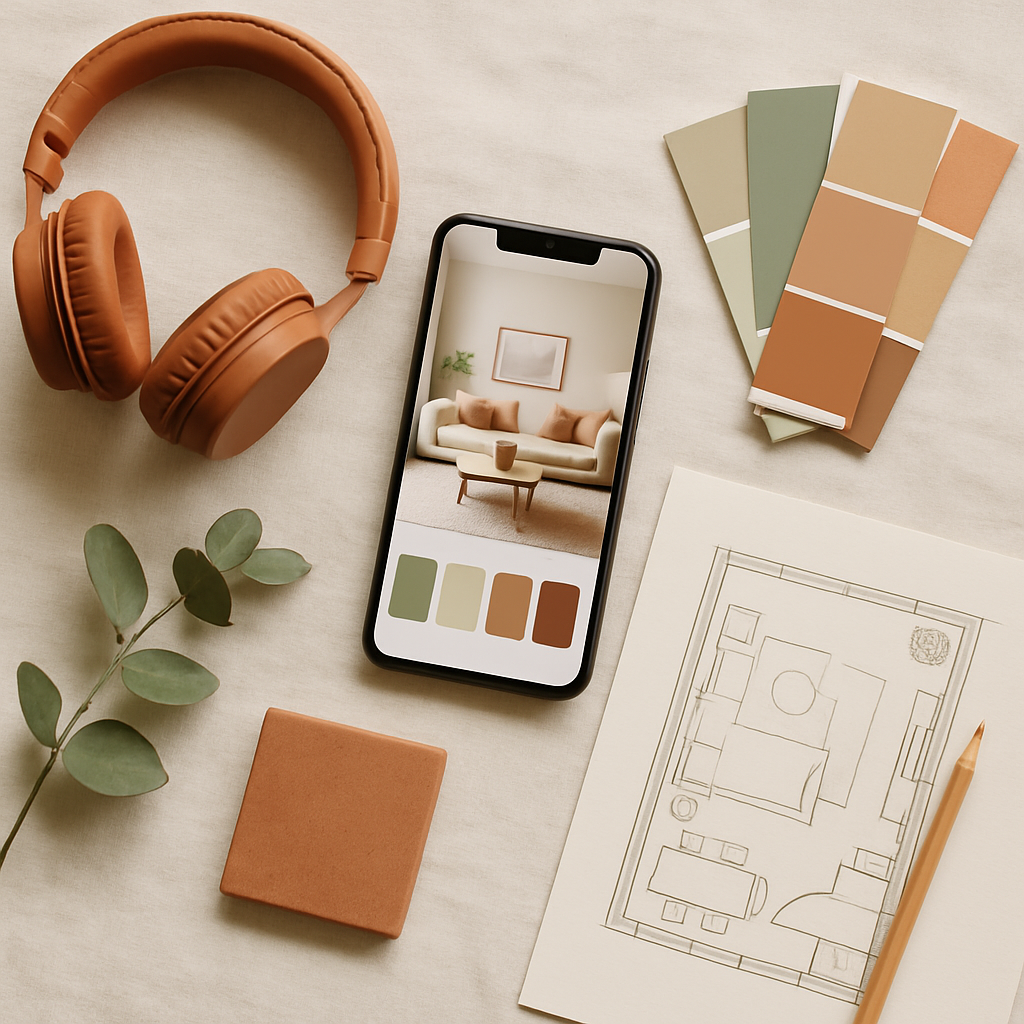
Imagine transforming your living space from drab to fab without lifting a paintbrush or moving a single piece of furniture. Thanks to advancements in technology, interior design apps are making this dream a reality. According to a recent Houzz survey, 48% of homeowners are using apps or online tools to plan their renovation projects. These digital tools are not only simplifying the design process but also democratizing access to professional-grade resources. This article explores how interior design apps are reshaping home makeovers by providing foundational knowledge, offering deeper insights with data, and equipping you with actionable strategies and expert-level details. Whether you're a seasoned design enthusiast or a novice looking to refresh your space, these apps are poised to be your new best friend.
The Foundation of Interior Design Apps
At their core, interior design apps are digital platforms that allow users to visualize, plan, and manage home redesign projects. These apps typically offer a range of features, from 3D room rendering to color palette generators, making the process accessible to anyone with a smartphone. Platforms like Houzz and Pinterest have been at the forefront, enabling users to gather inspiration and create mood boards. Houzz, in particular, offers a comprehensive suite of tools that includes a sketch feature and a marketplace for purchasing furniture and decor.
One of the standout features of these apps is their ability to provide augmented reality (AR) experiences. This technology allows users to "place" virtual furniture in their actual spaces using their device's camera, offering a realistic sense of how items will look and fit. Apps like IKEA Place and Room Planner have capitalized on this trend, making it easier than ever to visualize potential design changes before committing. The use of AR in interior design apps bridges the gap between imagination and reality, providing users with confidence in their design choices.
Moreover, these apps cater to various skill levels. Beginners can use simple drag-and-drop interfaces to experiment with layouts, while more advanced users can delve into detailed project planning and budgeting features. This flexibility makes interior design apps an invaluable tool for anyone looking to refresh their home environment. As we delve deeper, we'll examine how these apps leverage data to enhance user experience and project outcomes.
Data-Driven Design Decisions
Interior design apps are not just about aesthetics; they are increasingly data-driven, offering insights that help users make informed decisions. According to ASID (American Society of Interior Designers), incorporating data analytics into design projects can significantly improve client satisfaction by aligning expectations with realistic outcomes. Many apps now include features that analyze space usage, lighting conditions, and even acoustics to suggest optimal design solutions.
For instance, platforms like Planner 5D and SketchUp utilize algorithms that assess a room's dimensions and suggest furniture arrangements that maximize space utilization. These data-driven suggestions are based on industry standards and user-generated data, ensuring that the recommendations are both practical and stylish. By integrating such analytics, design apps provide users with a foundation of knowledge that supports more effective decision-making.
Furthermore, these apps often include access to user reviews and case studies, offering a wealth of information from past projects. This community-driven data provides valuable insights into what works and what doesn't, reducing the trial-and-error aspect of home makeovers. As users become more accustomed to leveraging data in their design processes, they can expect more streamlined and successful renovation projects. Next, we'll explore actionable strategies for using these apps effectively.
Actionable Strategies for Using Design Apps
To maximize the potential of interior design apps, it's crucial to approach them with a strategic mindset. Start by defining the scope of your project-are you redesigning a single room or undertaking a full-home makeover? This clarity will guide your app selection, as some platforms are better suited for large-scale projects, while others excel at focusing on specific spaces. For instance, Homestyler is renowned for its comprehensive 3D modeling capabilities, making it ideal for extensive renovations.
Once you've selected an app, take advantage of its visualization tools. Begin by creating a virtual version of your space, experimenting with different layouts and color schemes. This not only helps in visualizing the end result but also aids in identifying potential challenges early in the process. Experienced professionals often note that spending time in the visualization phase can save both time and money during the actual renovation.
Another key strategy is to utilize the app's community features. Many platforms offer forums or user groups where you can seek advice, share experiences, and gain inspiration from others who have undertaken similar projects. Engaging with these communities can provide additional insights and boost your confidence in your design choices. As we continue, we'll delve into expert-level details that can further enhance your app-based design journey.
Expert-Level Details on App Utilization
For those looking to elevate their app-based design projects, understanding the nuances of advanced features can make a significant difference. Certified interior designers, often holding credentials like NCIDQ (National Council for Interior Design Qualification), emphasize the importance of using apps with integrated project management tools. This includes budgeting features, timelines, and task management, which are crucial for keeping track of complex projects.
Additionally, many apps now offer integration with smart home technologies. This allows users to incorporate elements like automated lighting, climate control, and security features into their design plans. Platforms such as SmartDraw and MyVirtualHome are leading the way in smart home integration, providing users with the ability to create cohesive and functional spaces that align with modern living trends.
Experts also highlight the value of using apps that offer access to professional-grade resources. For example, Houzz Pro provides tools specifically designed for interior designers, including a client dashboard and advanced billing features. These resources enable both professionals and amateurs to manage projects with a higher degree of precision and professionalism. As we approach the conclusion, we'll examine additional details that can further enrich your understanding of interior design apps.
Additional Insights and Considerations
While the benefits of interior design apps are clear, it's important to recognize their limitations. Not all apps are created equal, and choosing the right one can significantly impact your project's success. Consider factors such as user interface, customer support, and the availability of tutorials when selecting an app. Reviews and ratings can also provide insights into the app's reliability and effectiveness.
Another consideration is the cost associated with premium features. While many apps offer free versions, unlocking advanced capabilities often requires a subscription or one-time purchase. Weigh the benefits of these features against your project's budget to determine if the investment is worthwhile. For larger projects, the cost of a premium app may be justified by the potential savings in time and effort.
Finally, consider how the app integrates with your existing tools and workflows. Seamless integration can enhance productivity and ensure a smoother project execution. As we wrap up, we'll reflect on the transformative potential of interior design apps and encourage you to take the first step in your design journey.
Final Perspectives on Interior Design Apps
Interior design apps have undeniably transformed the way we approach home makeovers, offering tools and insights that were once exclusive to professionals. These apps empower users to explore creative possibilities and execute projects with greater confidence and efficiency. The convenience and accessibility of these tools make them a valuable asset for anyone looking to enhance their living spaces.
As you consider embarking on your own design journey, ask yourself: What do you hope to achieve with your space, and how can these apps support that vision? By leveraging the features and resources available, you can create a home that reflects your style and meets your needs. In our conclusion, we'll offer a specific call to action to help you get started.
Conclusion: Embrace the Future of Home Design
In conclusion, interior design apps are revolutionizing the way we approach home makeovers by providing powerful tools and expert insights at our fingertips. Whether you're planning a simple room refresh or a comprehensive home renovation, these apps offer unparalleled support and inspiration. Why not start exploring the possibilities today? Begin by downloading a few of the top-rated apps mentioned here and experimenting with their features. Dedicate time this week to create a virtual layout of your dream space - even a brief session can spark new ideas and set the stage for a successful project.
Remember, the journey of transforming your home is as rewarding as the destination. With the right tools and a clear vision, you're well on your way to achieving the home makeover you've always envisioned. Happy designing!



Comments
Post a Comment