Embrace the Chaos: How to Master Eclectic Interior Design in Your Home
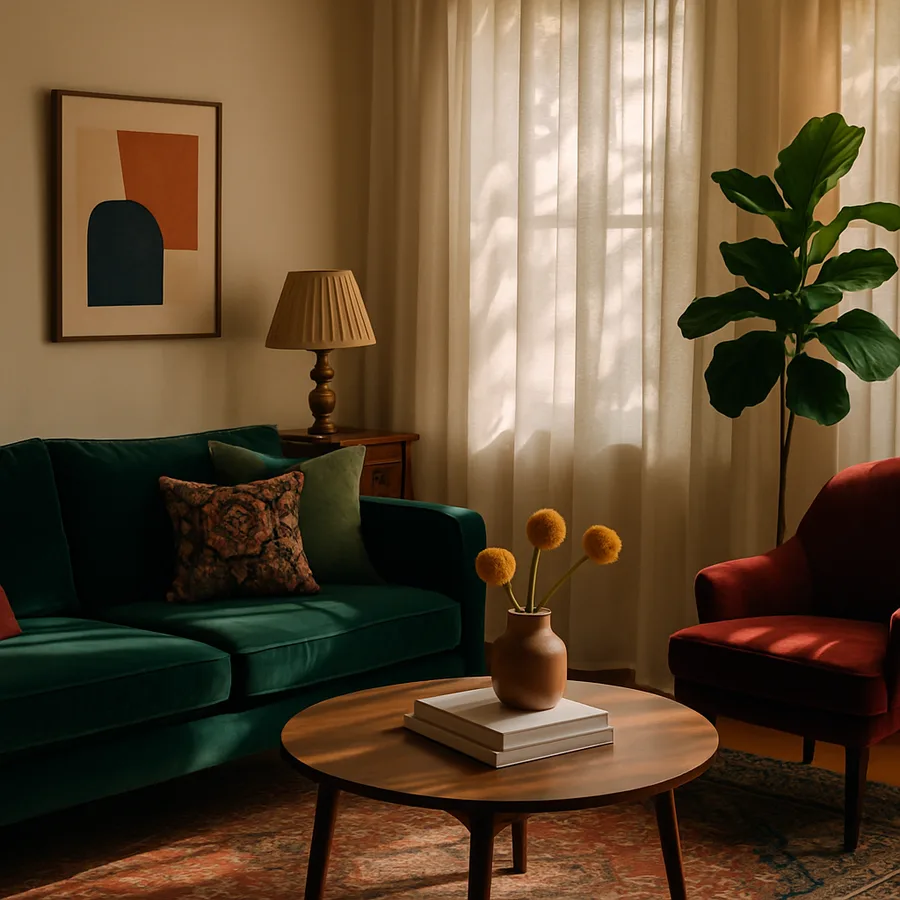
What Makes Eclectic Design Different from Simply Mismatched
There is a widespread misconception that eclectic interior design is simply the absence of a cohesive plan, that it amounts to throwing together whatever pieces happen to be available and hoping for the best. Nothing could be further from the truth. Authentic eclectic design is one of the most demanding disciplines in interior decorating precisely because it requires a sophisticated understanding of how disparate elements can coexist harmoniously. The line between an intentionally eclectic room and a chaotic mess is thin but unmistakable to anyone who has experienced both.
The American Society of Interior Designers (ASID) defines eclectic style as the deliberate combination of elements from multiple design periods, styles, and cultural traditions into a unified whole. The keyword is deliberate. Every choice in a well-executed eclectic interior serves a purpose, whether that purpose is visual balance, textural contrast, color harmony, or narrative storytelling. The apparent effortlessness of great eclectic spaces is, paradoxically, the result of tremendous effort and refined taste.
Understanding this distinction is the essential first step for anyone who wants to embrace eclectic design in their own home. You are not abandoning rules. You are learning a more complex set of rules that governs how different design languages can communicate with one another. Think of it like multilingualism in design: each piece speaks its own stylistic dialect, but the room as a whole communicates a coherent message that transcends any single tradition.
Building Your Foundation with Anchor Pieces
Every successful eclectic interior begins with anchor pieces, substantial elements that establish the visual weight and spatial organization of the room. These anchors provide the stability that allows smaller, more adventurous choices to work without the space feeling unmoored. Without them, eclectic rooms drift toward the very chaos that critics of the style rightfully warn against.
Anchor pieces typically include the largest furniture items in the room: the sofa in a living room, the bed in a bedroom, the dining table in an eating area. In eclectic design, these pieces need not match each other in style, but they should share some quality that creates a visual throughline. This might be a common material, such as warm-toned wood. It might be a shared silhouette characteristic, such as curved rather than angular forms. It might even be a common era of origin, such as mid-century pieces providing structure while accessories span wider historical territory.
The International Interior Design Association (IIDA) recommends that eclectic interiors maintain at least one consistent design element across all anchor pieces. This could be scale, finish, color family, or material. A survey of IIDA members found that approximately 72 percent of designers who regularly work in eclectic styles begin their projects by selecting two to three anchor pieces before introducing any accent or decorative elements. This foundation-first approach dramatically increases the probability of a cohesive final result.
Have you identified the anchor pieces in your current living space? Take a moment to look at your room and determine which items carry the most visual weight. These are your starting points. Everything else in the room should relate to these anchors in some discernible way, even if that relationship is one of intentional contrast rather than direct similarity.
The Art of Mixing Patterns Without Creating Visual Noise
Pattern mixing is where eclectic design either soars or collapses. The ability to combine stripes with florals, geometric prints with organic textures, bold graphics with subtle tonal patterns, is the hallmark of eclectic mastery. It is also the point where most beginners stumble, because the instinct to play it safe wars constantly with the eclectic imperative to be bold.
The professional approach to pattern mixing follows a framework that designers sometimes call the rule of three scales. This principle holds that a room should incorporate patterns at three distinct scales: a large-scale dominant pattern, a medium-scale secondary pattern, and a small-scale accent pattern. By varying the scale of patterns while maintaining some connection in color or motif, you create visual interest without overwhelming the eye. The large pattern draws attention, the medium pattern provides supporting rhythm, and the small pattern adds texture and depth when viewed up close.
Color serves as the unifying thread in successful pattern mixing. Even the most disparate patterns can coexist peacefully when they share a common color palette. A floral chintz, a geometric lattice, and an abstract watercolor print may have nothing in common stylistically, but if all three incorporate shades of navy and gold, the eye perceives them as belonging to the same visual family. This color-first approach to pattern selection is the single most reliable technique for achieving eclectic harmony.
Houzz editorial features on eclectic design consistently highlight the importance of solid-colored breathing room between patterned elements. Not every surface in an eclectic room needs to display a pattern. Solid colors in upholstery, wall paint, and flooring provide visual rest areas that allow the patterned elements to shine without competing for attention. The ratio of patterned to solid surfaces varies by personal preference, but a general guideline is that no more than 60 percent of visible surfaces should carry patterns in even the most exuberantly eclectic interiors.
Blending Eras and Cultural Influences with Intentionality
One of the greatest pleasures of eclectic interior design is the freedom to draw from the entire history of decorative arts. A Victorian mirror can hang above a sleek contemporary console. A Moroccan rug can anchor a room furnished with Scandinavian chairs. An Art Deco lamp can illuminate a rustic farmhouse table. These combinations, when executed thoughtfully, create spaces that feel rich with story and personality in ways that single-style interiors rarely achieve.
The key to successful era blending is proportional representation. Most well-designed eclectic spaces have a dominant era or style that accounts for roughly 60 to 70 percent of the furnishings, with secondary and tertiary influences filling the remainder. This creates a clear visual identity while allowing room for the unexpected juxtapositions that give eclectic rooms their distinctive character. A room that tries to give equal representation to five different historical periods will almost certainly feel confused rather than curated.
Cultural influences require particular sensitivity and intentionality. The ASID has published guidelines encouraging designers and homeowners to approach cross-cultural design elements with respect and understanding. This means learning about the traditions behind the objects you incorporate, sourcing pieces from artisans and makers who represent those traditions authentically, and displaying them in ways that honor their original context. An eclectic home should feel like a celebration of global creativity, not a superficial collection of exotic souvenirs.
What stories do you want your home to tell? Each piece you bring into an eclectic interior contributes to a narrative about your experiences, interests, values, and aesthetic sensibilities. The inherited writing desk from your grandmother, the textile you found during travels abroad, the modern art print that stopped you in your tracks at a gallery, these are not random objects. They are chapters in the story of your life, and eclectic design gives them a shared stage where their individual meanings can combine into something greater than the sum of their parts.
Color Strategy for Eclectic Spaces That Feel Cohesive
Color is the invisible architecture of any interior, and in eclectic design it carries an even greater burden than usual. When furniture styles, material textures, and decorative objects span a wide range, color becomes the primary tool for creating visual unity across the space. Without a thoughtful color strategy, even the most carefully selected eclectic pieces will appear scattered and unrelated.
The most reliable color strategy for eclectic interiors involves establishing a palette of three to five colors that recur throughout the room in varying proportions. One or two of these should be neutral or near-neutral tones that dominate the largest surfaces such as walls, flooring, and major upholstery. The remaining colors serve as accent tones that appear in smaller doses across accessories, textiles, artwork, and decorative objects. This layered approach ensures that every corner of the room speaks the same chromatic language even as the stylistic vocabulary varies wildly.
According to research conducted by color consultancies working with NCIDQ-certified professionals, rooms with a clearly defined color palette are perceived as 40 percent more cohesive by observers, regardless of how varied the furnishing styles may be. This finding underscores the extraordinary power of color to override stylistic dissonance. Two pieces that share nothing in form or era will nonetheless feel connected if they participate in the same color story.
Temperature consistency is another crucial consideration. Warm colors, those with yellow, orange, or red undertones, create a fundamentally different atmosphere than cool colors with blue, green, or violet undertones. An eclectic room can successfully incorporate both warm and cool elements, but the dominant temperature should be consistent across the major surfaces. Mixing a warm-toned wood floor with cool-toned gray walls and then scattering both warm and cool accents throughout creates a tension that most people perceive as unsettling rather than dynamic. Choose a dominant temperature and let the accents provide controlled moments of contrast.
Practical Steps to Begin Your Eclectic Design Journey
Having explored the principles that govern successful eclectic design, the question becomes how to translate theory into action within your own home. The good news is that eclectic design is inherently forgiving of incremental progress. Unlike styles that require a complete, coordinated implementation to work, eclectic interiors can evolve organically over time as you discover pieces that speak to you and learn through experience what combinations resonate in your specific space.
Begin with an honest assessment of what you already own. Most people possess a more eclectic collection than they realize, because purchases made over years naturally reflect evolving tastes and changing life circumstances. Rather than starting from scratch, identify the pieces you genuinely love, regardless of whether they currently match each other, and use them as the foundation of your eclectic plan. Edit ruthlessly: anything you feel indifferent about should be removed or relocated to make room for pieces that earn their place through genuine emotional connection.
Next, identify the unifying elements that will hold your eclectic composition together. This might be a color palette drawn from a favorite artwork, a material theme such as warm metals or natural fibers, or a textural quality such as rough-hewn surfaces balanced by smooth ones. Document your chosen unifying elements and refer to them before every purchase decision. The discipline of checking new acquisitions against your established framework is what separates intentional eclecticism from accidental clutter.
Finally, invest in professional guidance for at least the initial planning phase. An ASID-certified interior designer experienced in eclectic styles can help you see possibilities that your own familiarity with your space may obscure. Even a single consultation can provide a roadmap that guides your decisions for months or years of gradual transformation. The cost of professional input at the beginning is invariably less than the cost of correcting missteps discovered after the fact. Your home deserves the richness and personality that only eclectic design can provide, so take the first step today and begin assembling the pieces of your unique design story.
More Articles You May Like



Comments
Post a Comment