Master Interior Design Skills: Free Courses That Will Elevate Your Home Decor
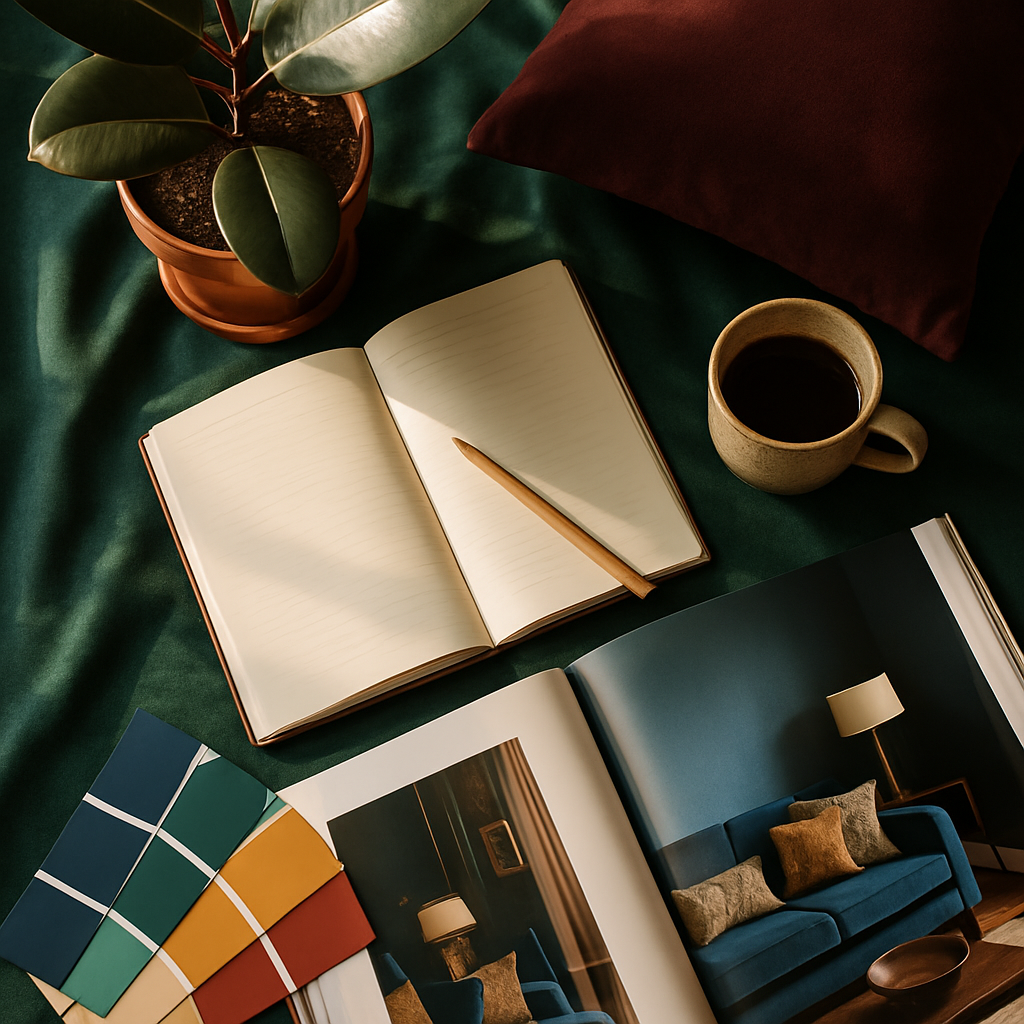
Have you ever walked into a room and felt an immediate sense of tranquility or vibrancy? This effect is no accident; it's the result of thoughtful interior design. According to the National Association of Realtors, well-designed interiors can boost a home's resale value by up to 15%. But how can you achieve this level of design mastery without breaking the bank? The answer lies in free courses that can elevate your home decor skills to an expert level. In this article, we'll explore essential foundational concepts, delve into deeper design analyses, suggest actionable strategies, provide expert-level detail, and offer additional depth to ensure you can transform your space effectively. Whether you're a beginner or looking to refine your skills, these resources are invaluable.
Understanding Foundational Concepts in Interior Design
Before you dive into the world of interior design, it's crucial to understand the foundational concepts that govern the discipline. First, consider the principles of design: balance, proportion, harmony, and rhythm. These elements work together to create a cohesive and aesthetically pleasing environment. Experienced professionals often emphasize the importance of these principles in achieving a well-rounded design.
According to the American Society of Interior Designers (ASID), balance can be achieved by distributing visual weight evenly across a space. This could mean symmetrical furniture arrangements or asymmetrical designs that balance different elements. Proportion and scale are equally vital, ensuring that furniture and decor items complement each other in size and style. Without this understanding, you might end up with a space that feels cramped or awkward.
Harmony and rhythm pull a design together, using color schemes and repeating patterns to create visual interest and unity. For instance, a living room with a consistent color palette and repeating geometric patterns can feel both dynamic and calming. With these foundational concepts in mind, you're ready to explore more advanced design strategies.
Diving Deeper: Analysis and Data in Interior Design
Once you've grasped the basics, it's time to analyze how design decisions impact a room's function and feel. Data-driven insights can enhance your understanding of what works best in specific spaces. For example, Houzz's annual survey data indicates that open-plan layouts are increasingly favored, with 60% of homeowners opting for this style to improve light flow and social interaction.
Consider how your space is used daily. Where do you need more light? Which areas are high-traffic zones? According to research from the International Interior Design Association (IIDA), addressing these questions helps create functional spaces that cater to your lifestyle. Analyzing room usage can lead to practical decisions, like integrating smart home technology to control lighting and climate, making your home both comfortable and efficient.
Moreover, sustainable design choices are gaining popularity. Surveys show that over 70% of homeowners are interested in eco-friendly options. Using reclaimed materials and energy-efficient appliances not only benefits the environment but also adds a unique touch to your home. Analyzing these trends helps you make informed decisions that align with current preferences and long-term sustainability goals.
Actionable Strategies for Elevating Home Decor
With a solid understanding of design principles and analytical insights, you can now implement actionable strategies to elevate your home decor. Start by setting clear goals for each space, considering both aesthetics and functionality. What do you want each room to convey or enable? This clarity will guide your design decisions.
Next, explore free resources that offer structured learning paths. Platforms like Coursera and edX provide free courses on interior design fundamentals, covering topics from color theory to furniture layout. These courses often feature video tutorials and downloadable materials, making them accessible and engaging. Additionally, Pinterest and Instagram are treasure troves of visual inspiration, allowing you to curate mood boards and refine your style.
Finally, consider utilizing virtual reality (VR) tools to visualize potential designs. Many professionals now use AR/VR room visualization tools to present ideas to clients, and you can access basic versions for personal projects. These tools allow you to experiment with layouts and color schemes before making any physical changes. By applying these strategies, you can transform your home with confidence and creativity.
Expert-Level Detail: Beyond the Basics
For those looking to refine their skills further, diving into expert-level detail is essential. One key aspect is understanding how certifications like the NCIDQ (National Council for Interior Design Qualification) can enhance your credibility and expertise. While the NCIDQ is a rigorous certification for professionals, studying its guidelines can provide insights into industry standards and best practices.
Another advanced topic is biophilic design, which incorporates natural elements into interiors to enhance well-being. According to Architectural Digest's AD PRO network, biophilic design is a leading trend for 2026, with an emphasis on natural materials, indoor plants, and maximizing natural light. By integrating these elements, you can create spaces that promote health and relaxation.
Additionally, understanding the nuances of different fee structures used by designers can inform your DIY projects. Interior designers may charge a flat fee, an hourly rate ranging from $150 to $500, or a percentage of the project cost. Knowing these details helps you budget effectively and recognize the value of professional input when needed.
Adding Depth: Complementary Skills and Resources
Beyond design-specific knowledge, complementary skills can significantly enhance your interior design projects. For instance, basic carpentry or sewing skills enable you to customize furniture or create bespoke textiles, adding a personal touch to your decor. Websites like YouTube offer tutorials on these skills, allowing you to learn at your own pace.
Networking with local design communities can also provide valuable insights and support. Many cities have AIA (American Institute of Architects) chapters that host events and workshops, offering opportunities to connect with professionals and enthusiasts alike. Engaging with these communities can inspire new ideas and approaches.
Finally, consider leveraging online design platforms to track your progress and gather feedback. Houzz and other design sites offer forums and project management tools to help you organize and share your projects. By utilizing these resources, you can continuously improve your skills and stay updated on industry trends.
Final Perspectives on Mastering Interior Design Skills
Mastering interior design is a journey that combines creativity, analysis, and continual learning. By starting with free courses and gradually exploring more complex concepts and strategies, you can develop a comprehensive skill set that transforms your living spaces. Remember, the key to great design lies not just in aesthetics but in creating environments that enhance your lifestyle.
As you progress, don't hesitate to seek out new challenges and opportunities to practice your skills. Whether it's redesigning a single room or tackling a full-home project, each endeavor will build your confidence and expertise. Are there specific areas in your home that you've always wanted to improve? Now is the time to apply what you've learned and make those changes.
Conclusion
In conclusion, mastering interior design skills through free courses and resources is both achievable and rewarding. By embracing foundational concepts, analyzing data, implementing actionable strategies, and diving into expert-level detail, you can elevate your home decor to new heights. The journey requires dedication and curiosity, but the results are well worth the effort.
Ready to take the first step? Start by browsing portfolios on Houzz this week-just 20 minutes of research will sharpen your eye for what you want. As you explore, remember that each design decision brings you closer to creating a home that is both beautiful and functional. Happy designing!



Comments
Post a Comment