Embrace Imperfection: A Guide to Wabi Sabi Interior Design for Your Home
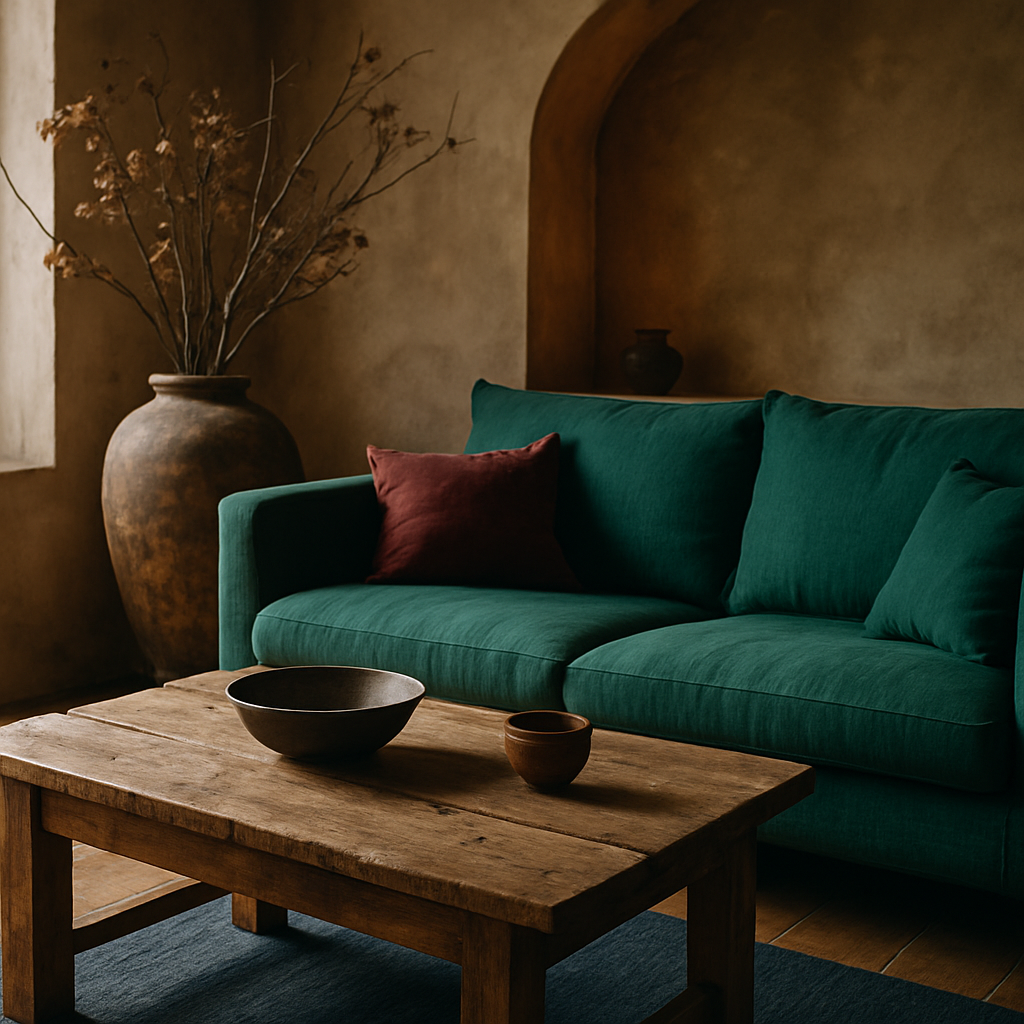
Imagine walking into a room where every element feels perfectly imperfect - a space that celebrates the beauty of the natural and the ephemeral. Wabi Sabi interior design, rooted in ancient Japanese philosophy, is about embracing imperfection and finding beauty in transience. This design approach invites you to create a home environment that is not just visually appealing but also deeply resonant and calming. In this guide, we'll explore foundational concepts of Wabi Sabi, delve into practical strategies for incorporating its principles into your home, and offer expert insights to help you achieve a harmonious balance of simplicity and elegance.
Understanding the Foundations of Wabi Sabi
At its core, Wabi Sabi is a Japanese aesthetic that finds beauty in the imperfect, transient, and incomplete. This philosophy is deeply connected to Buddhist teachings that emphasize the impermanence of life. In the context of interior design, Wabi Sabi encourages us to appreciate the natural patina on a piece of wood, the uneven glaze on a ceramic vase, or the asymmetry of a handwoven rug. These elements are not flaws but rather features that add character and depth to a space.
The practice of Wabi Sabi in interior design is about creating spaces that reflect authenticity and simplicity. This means choosing materials that age gracefully and improve with time, such as stone, wood, and natural fibers. According to industry surveys, there has been a growing interest in sustainable and organic materials, with over 60% of homeowners preferring them for their lasting appeal and minimal environmental impact. These choices align perfectly with Wabi Sabi's emphasis on natural beauty and sustainability.
Wabi Sabi also involves a mindful approach to space and objects. Instead of filling a room with mass-produced items, the focus is on curating a few meaningful pieces that tell a story or hold sentimental value. This approach not only reduces clutter but also fosters a sense of tranquility and mindfulness in the home. As you consider your space, ask yourself: What objects truly matter to me, and how can they enhance the ambiance of my home?
The Subtle Art of Embracing Imperfection
Embracing imperfection in your home might seem counterintuitive in a world that often values glossy perfection. However, Wabi Sabi teaches us that flaws are what make an object or space unique. A survey by Houzz found that homeowners increasingly value authenticity over perfection, with 70% expressing a preference for handcrafted items over mass-produced ones. This shift highlights a growing appreciation for the unique quirks and imperfections that come with artisanal craftsmanship.
Consider the way light naturally falls across a room or the uneven texture of a handmade clay bowl - these are the subtle details that Wabi Sabi celebrates. To incorporate this philosophy into your home, focus on textures and materials that evoke a sense of history and personal connection. This could mean choosing a weathered wooden table that shows its age or a textile with a hand-dyed pattern that varies from piece to piece.
Moreover, aligning with Wabi Sabi can enhance your well-being by encouraging a deeper connection with your environment. Experienced professionals often note that when homeowners embrace imperfection, they tend to feel more relaxed and content in their spaces. This sense of ease comes from letting go of the pressure for everything to be immaculate and instead appreciating the unique character that imperfection brings.
Practical Strategies for Incorporating Wabi Sabi
Turning the philosophy of Wabi Sabi into reality requires intentional choices and a discerning eye. Begin with decluttering, one of the fundamental steps in achieving simplicity and clarity. Remove items that don't serve a purpose or hold meaning, and focus on quality over quantity. This echoes the sentiments expressed in the NCIDQ (National Council for Interior Design Qualification) guidelines, which emphasize functionality and form.
Next, incorporate natural elements that connect the indoors with the outdoors, a key aspect of biophilic design. Think of using materials like stone and wood that age beautifully. A living wall or a collection of houseplants can introduce organic shapes and colors into your home, further enhancing the Wabi Sabi aesthetic. The IIDA (International Interior Design Association) highlights the importance of integrating natural elements to improve air quality and mood.
Finally, curate a collection of objects that speak to you personally. These could be family heirlooms, travel mementos, or handmade crafts. Display them in a way that highlights their imperfections and stories. For instance, a cracked but beloved ceramic vase can become a focal point on a mantelpiece. How will you choose which items to showcase in your home? Consider their personal significance and the emotions they evoke.
Expert Insights into Wabi Sabi Design
To delve deeper into Wabi Sabi, it's crucial to understand how experienced designers interpret and apply this philosophy. According to AD PRO, a network of design professionals connected to Architectural Digest, the key is in creating spaces that feel lived-in and personal. Designer Yoko Kawai explains that Wabi Sabi is about finding harmony in the natural cycle of growth and decay, which can be reflected in design choices that honor aging and imperfection.
One practical approach is to focus on the color palette, opting for muted and earthy tones that complement the natural materials in the room. These colors not only enhance the serenity of a space but also allow the materials themselves to take center stage. This aligns with Houzz's findings that neutral colors remain a top choice for their timeless and versatile appeal.
Additionally, lighting plays a significant role in Wabi Sabi interiors. Soft, diffused lighting creates a warm and inviting atmosphere that highlights the textures and imperfections in a room. Consider using layered lighting with a combination of candles, lamps, and pendant lights to achieve this effect. This approach not only adds depth but also emphasizes the natural beauty of the materials and objects within the space.
Expanding Your Wabi Sabi Knowledge
While Wabi Sabi is rooted in ancient traditions, its principles are highly relevant to modern interior design. As you continue to explore this aesthetic, engage with online platforms like Pinterest and Instagram for visual inspiration and to connect with a community of enthusiasts and professionals who share your interest. These platforms provide a wealth of ideas and examples of how to incorporate Wabi Sabi into contemporary living spaces.
Additionally, consider attending workshops or seminars offered by design organizations such as ASID (American Society of Interior Designers) to deepen your understanding and gain firsthand insights from seasoned practitioners. These learning opportunities can provide you with the skills and confidence to apply Wabi Sabi principles effectively in your home. How might formal education in design influence your approach to creating a Wabi Sabi-inspired space?
Furthermore, exploring literature on Japanese aesthetics and philosophy can enrich your appreciation for Wabi Sabi. Authors like Leonard Koren, who wrote "Wabi-Sabi: for Artists, Designers, Poets & Philosophers," offer profound insights into the cultural and philosophical underpinnings of this design approach. Such resources can serve as valuable guides as you refine your personal style.
Final Thoughts on Embracing Wabi Sabi
Embracing Wabi Sabi in your home is more than just a design choice; it's a lifestyle that values simplicity, authenticity, and a deep connection with nature. By focusing on what truly matters and finding beauty in imperfection, you create a space that is not only aesthetically pleasing but also nurturing to the soul. This mindset encourages a slower, more mindful approach to life, one that appreciates the subtle and the transient.
As you reflect on your own home environment, consider how Wabi Sabi principles could transform your space. What changes could you make to embrace this philosophy of imperfection and natural beauty? Whether it's through the materials you choose, the objects you cherish, or the way you arrange your space, Wabi Sabi can guide you toward a more content and harmonious lifestyle.
In conclusion, the journey to a Wabi Sabi-inspired home is deeply personal and ever-evolving. It's about finding beauty in the mundane and celebrating the stories that each piece tells. As you embark on this journey, remember that the true essence of Wabi Sabi lies in the acceptance of imperfection as a form of beauty.
Conclusion: Your First Steps Toward Wabi Sabi
To start incorporating Wabi Sabi into your home, begin with small, intentional changes. Focus on decluttering spaces and introducing natural materials that age gracefully. Consider exploring local artisan shops or markets for unique pieces that resonate with you. These initial steps can set the stage for a more profound transformation as you embrace the philosophy of Wabi Sabi more fully.
Ready to begin your Wabi Sabi journey? Start by browsing portfolios on Houzz or similar platforms - even 20 minutes of research will sharpen your eye for what resonates with you. As you explore, think about how the principles of Wabi Sabi can be tailored to reflect your personal style and the unique character of your home. There's no better time than now to embrace the beauty of imperfection in your living space.



Comments
Post a Comment