10 Stunning Interior Design Ideas to Transform Your Home This Season
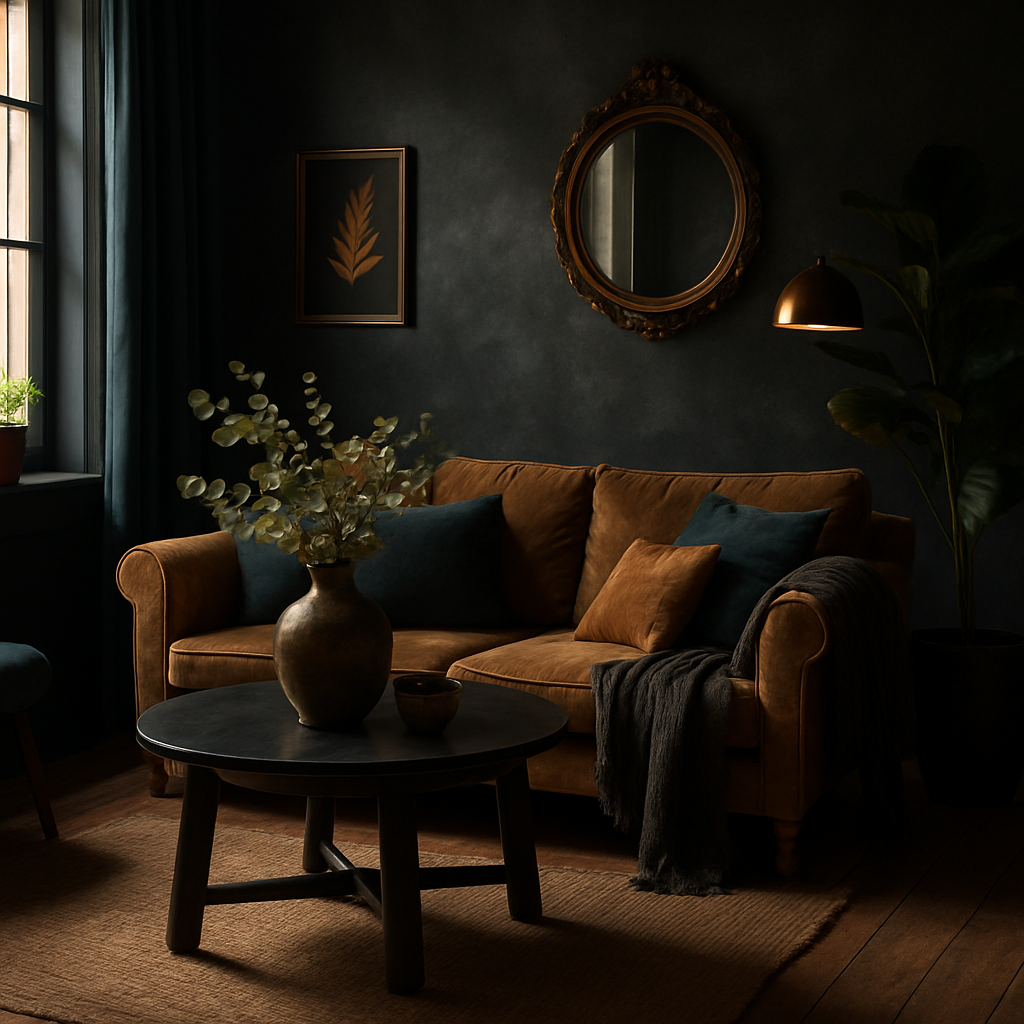
Imagine walking into a room that seems to breathe life into your day, a space where every corner invites you to linger longer. According to a survey by Houzz, 75% of homeowners reported increased satisfaction with their homes after implementing fresh, thoughtful design updates. So, what are the secrets behind these transformative spaces? In this article, we'll explore 10 stunning interior design ideas that can revolutionize your home this season. We'll delve into foundational concepts, analyze trends with data, provide actionable strategies, and offer expert-level insights. Whether you're planning a single-room makeover or a full-home redesign, these ideas will help you create a space that truly reflects your style and needs.
Understanding Foundational Design Concepts
Before diving into the latest trends, it's crucial to understand the foundational concepts that underpin stunning interior design. At the heart of any successful design project is a clear understanding of space planning. This involves mapping out how each room in your home is used on a daily basis. For example, where do you sit to relax after a long day? Where do your children do their homework? By considering these practical aspects, you can ensure that your design choices enhance functionality as well as aesthetics.
Another key concept is the use of color and texture to create mood and harmony. According to ASID (American Society of Interior Designers), color psychology plays a significant role in how we perceive our environment. Warm colors like reds and yellows can energize a space, while cool tones like blues and greens often promote relaxation. Consider the mood you want to evoke in each room and select colors accordingly, complementing them with textures that add depth and interest.
Lighting is also a foundational element that can dramatically transform a space. Experienced professionals often note that layering lighting-from overhead fixtures to task lighting and ambient options-can create a versatile and inviting atmosphere. Whether you're opting for modern smart lighting solutions or classic fixtures, the right lighting scheme can highlight your home's best features. Transitioning from foundational concepts, let's delve into deeper analysis with supporting data.
Analyzing Current Trends with Data
Understanding current trends can provide inspiration and direction for your home design projects. One trend gaining traction is biophilic design, which emphasizes natural materials and indoor-outdoor flow. According to a 2024 survey by the NCIDQ (National Council for Interior Design Qualification), biophilic elements are being integrated into 60% of new design projects, reflecting a growing desire to connect with nature within urban environments.
Another prevalent trend is the incorporation of smart home technology. From automated window treatments to climate control systems, these innovations offer convenience and efficiency. Houzz data indicates that 30% of homeowners have integrated at least one smart feature into their homes, enhancing both functionality and energy efficiency. Are you considering adding smart features to your home? Think about how they might improve your daily routines.
Sustainability continues to be a key focus, with an increasing number of projects emphasizing the use of reclaimed materials. This not only benefits the environment but also adds unique character and history to a space. According to IIDA (International Interior Design Association), 40% of designers reported increased demand for sustainable materials from their clients. As we move into actionable strategies, consider how these trends might influence your own design decisions.
Actionable Strategies for Implementation
Armed with an understanding of foundational concepts and current trends, it's time to implement these ideas in your home. Start by assessing your budget and determining the scope of your project. For a single-room redesign, you might expect to spend between $5,000 and $15,000, while a full-home transformation could range from $50,000 to $150,000 or more. Knowing your budget will help you prioritize which areas to focus on first.
Next, consider hiring a certified interior designer to bring your vision to life. Look for professionals with credentials from NCIDQ, ASID, or IIDA, as these indicate a high level of training and expertise. Designers typically charge either a flat fee, an hourly rate (ranging from $150 to $500), or a percentage of the total project cost. Have you considered how a professional might elevate your design results?
Once you've engaged a designer, focus on concept development and design presentation. During this phase, you'll collaborate to refine your ideas and finalize plans. Utilize AR/VR room visualization tools to see how different elements will look in your space. These technologies can be particularly helpful in deciding on color schemes, furniture placement, and lighting arrangements. With actionable strategies in mind, let's explore some expert-level details that can further enhance your design project.
Expert-Level Details to Elevate Your Design
To achieve a truly stunning transformation, consider incorporating elements of quiet luxury and understated elegance. This design approach focuses on high-quality materials and craftsmanship, eschewing over-the-top embellishments in favor of subtle sophistication. Think cashmere throws, silk drapes, and leather-bound books-each item chosen with care to elevate the overall aesthetic.
Japandi, a fusion of Japanese minimalism and Scandinavian warmth, is another style to explore. This design philosophy emphasizes simplicity, functionality, and a connection to nature. By combining neutral color palettes with natural materials like wood and stone, you can create a tranquil and harmonious environment. Houzz showcases numerous examples of Japandi interiors that exude calmness and balance.
Finally, don't overlook the importance of styling in the final phase of your project. Adding personal touches-such as curated art pieces, family photographs, and cherished mementos-can infuse your home with personality and warmth. As you consider expert-level details, think about how you might weave these elements into your own space. Next, we'll delve into additional depth to ensure your design project is comprehensive and cohesive.
Additional Depth: Ensuring Cohesive Design
A cohesive design is one where every element works together harmoniously, creating a seamless flow from room to room. To achieve this, start by establishing a unifying theme or color palette that ties your spaces together. This doesn't mean every room must look identical, but rather that there should be a consistent thread running through your home.
Consider the architectural style of your home and use it as a guide for your design choices. For example, if you live in a mid-century modern house, incorporating furniture and decor from that era can enhance the overall aesthetic. According to Architectural Digest's AD PRO network, aligning design elements with architectural features can significantly boost a home's resale value, often by 5-15%.
Finally, pay attention to the transitions between spaces. These are often overlooked but can greatly impact the overall flow of your home. Use flooring, lighting, and decor to create visual links between rooms, ensuring a smooth transition that invites exploration. With these additional insights, you're well-equipped to tackle your home design project. Let's wrap up with some final perspectives.
Final Perspectives on Transformative Design
As you embark on your interior design journey, remember that transformation is as much about the process as the results. Embrace the creative challenges that come with reimagining your space, and don't be afraid to experiment with new ideas and styles. Consider your home not just as a place to live, but as a canvas for self-expression and innovation.
Reflect on how your design choices align with your lifestyle and values. Are you creating a home that supports your daily routines and enhances your well-being? Are you incorporating sustainable practices that reflect your commitment to the environment? By addressing these questions, you can ensure that your home not only looks stunning but also feels right for you.
As we conclude, let's summarize the key takeaways and offer a specific call to action to help you get started on your design project.
Conclusion: Your Next Steps in Design Transformation
In summary, transforming your home with stunning interior design ideas involves a blend of understanding foundational concepts, analyzing current trends, implementing actionable strategies, and incorporating expert-level details. By focusing on cohesive design and aligning with your personal values, you can create a space that truly resonates with you.
Ready to start your transformation? Begin by browsing designer portfolios on platforms like Houzz or Instagram this week. Even 20 minutes of research can sharpen your eye for what you want and help you identify designers whose style aligns with yours. Remember, your home is your sanctuary-make it a reflection of who you are and what you love.
More Articles You May Like



Comments
Post a Comment