Unlock Your Home's Potential: The Ultimate Interior Design Handbook Guide
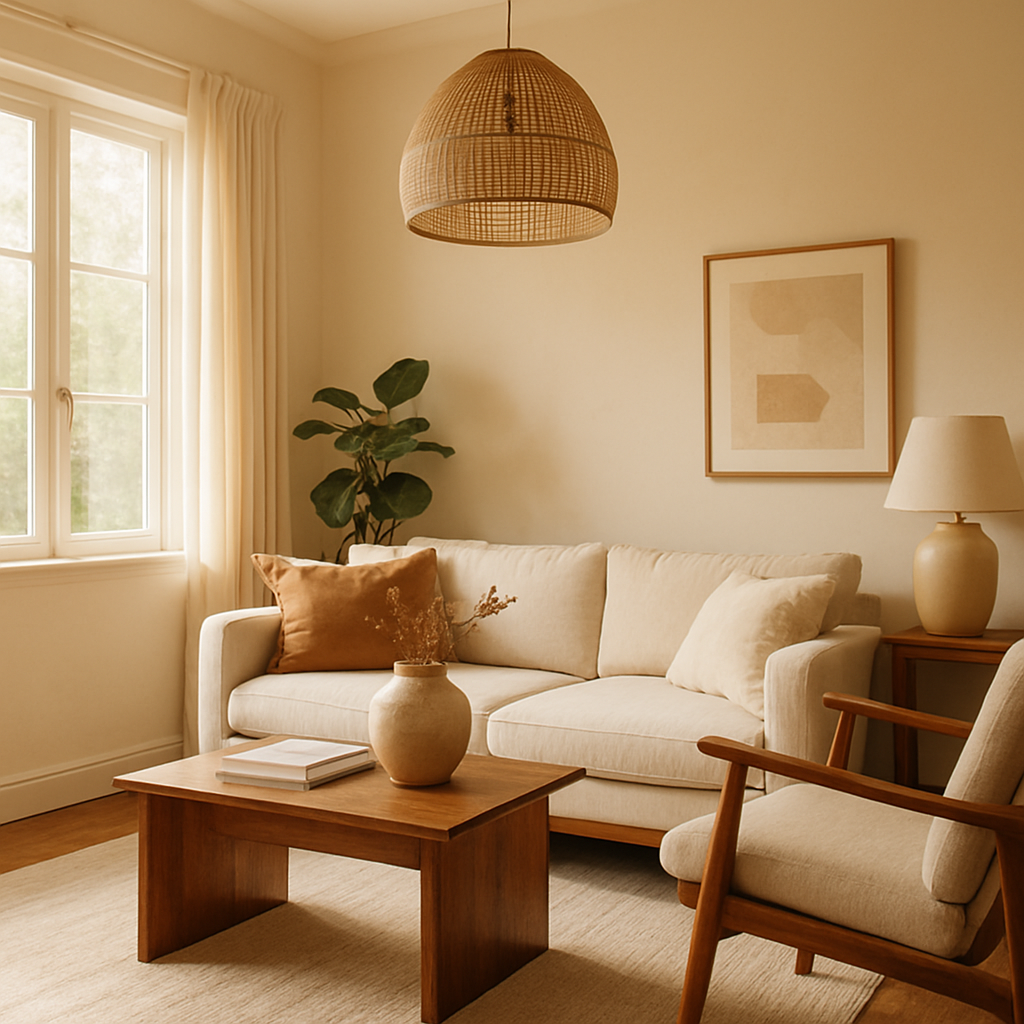
Every home holds untapped potential waiting to be discovered by someone who understands the principles governing great interior spaces. You might be living with rooms that feel cramped despite generous square footage, color palettes that drain rather than energize, or furniture arrangements that fight against the natural flow of daily life. These are not problems of budget or square footage but of design literacy, and they are entirely solvable once you understand the frameworks that professional designers apply instinctively. This guide serves as your comprehensive handbook for transforming any living space from ordinary to extraordinary, covering the essential principles, techniques, and strategies that interior design professionals use daily. From the psychology of color selection to the art of spatial planning, from biophilic design principles that connect you with nature to smart home technologies that streamline modern living, every section builds your capacity to see your home through a designer's eyes. The transformation begins not with a shopping trip but with understanding, and this handbook delivers exactly that.
Spatial Planning: The Foundation of Every Successful Interior
Spatial planning is the invisible architecture of interior design, the discipline that determines how a room functions before a single piece of furniture is selected or a paint color considered. Professional designers begin every project by analyzing the spatial characteristics of a room: its dimensions, natural light sources, traffic patterns, focal points, and relationship to adjacent spaces. This analytical process, which the National Council for Interior Design Qualification (NCIDQ) considers a core competency, reveals opportunities and constraints that intuition alone frequently misses. A room that feels uncomfortably narrow might simply need its furniture rotated ninety degrees; a living area that feels disconnected from the kitchen might benefit from a sightline opened through strategic furniture placement rather than expensive demolition.
The concept of zones within a single room is one of the most powerful tools in spatial planning. Rather than treating a room as a single undifferentiated volume, designers divide spaces into functional zones that serve distinct purposes while maintaining visual cohesion. A large living room might contain a conversation zone anchored by a sofa grouping, a reading zone defined by a chair and floor lamp near a window, and a media zone oriented toward a screen or fireplace. Each zone receives its own consideration regarding lighting, furniture scale, and acoustic character. This approach transforms generic rooms into multifunctional environments that accommodate the varied activities of daily life without confusion or conflict between competing uses.
Traffic flow, the paths people naturally take as they move through a space, deserves careful attention in any spatial plan. Professional designers typically allow thirty-six inches minimum for primary traffic paths and twenty-four inches for secondary paths. Furniture arrangements that force occupants to navigate awkward detours create subconscious discomfort that accumulates over time, making a room feel unwelcoming even when every individual element is attractive. Mapping your existing traffic patterns by observing how you actually move through your home over the course of a normal day often reveals conflicts between furniture placement and natural movement that simple adjustments can resolve. Have you ever noticed that certain rooms in your home always feel awkward to move through, regardless of how nicely they are decorated?
Color Theory: Creating Atmosphere Through Intentional Palettes
Color is the most emotionally impactful element in interior design, capable of transforming the perceived size, temperature, and mood of a room without altering a single physical dimension. Understanding color theory is therefore not an academic exercise but a practical skill with immediate applications in your own home. The color wheel, which organizes hues according to their relationships, provides the foundation for creating palettes that feel harmonious rather than chaotic. Complementary colors, positioned opposite each other on the wheel, create vibrant contrast. Analogous colors, positioned adjacent to each other, create serene harmony. Triadic schemes, using three equally spaced colors, produce dynamic but balanced compositions.
The American Society of Interior Designers (ASID) regularly publishes research on color psychology that informs professional practice. Blues and greens tend to promote calm and concentration, making them popular choices for bedrooms and home offices. Warm tones such as terracotta, amber, and soft coral create intimacy and conviviality, which is why they appear frequently in dining rooms and social spaces. Neutrals, far from being boring, provide the essential foundation upon which accent colors perform most effectively. The quiet luxury aesthetic, which dominates high-end residential design, relies heavily on sophisticated neutral palettes where visual interest comes from texture and material variation rather than color contrast.
Practical color application requires understanding undertones, light interaction, and the relationship between wall color and room contents. Every paint color has an undertone, a secondary hue that becomes apparent under certain lighting conditions and in combination with other elements in the room. A gray with blue undertones will feel cool and contemporary; the same gray with warm undertones will feel soft and inviting. Testing paint samples on multiple walls under both natural and artificial lighting conditions is essential because color behaves differently depending on light quality, intensity, and direction. Professional designers routinely test large swatches for a minimum of forty-eight hours, observing the color in morning light, afternoon light, and evening artificial light before making final selections.
Material Selection: Texture, Durability, and Sensory Experience
Materials constitute the tactile dimension of interior design, engaging the sense of touch in ways that color and form cannot. The selection of materials, from flooring substrates to upholstery fabrics to countertop surfaces, determines not only how a room looks but how it feels, sounds, and even smells. Natural materials such as wood, stone, leather, and linen bring organic warmth and sensory richness that synthetic alternatives struggle to replicate. The Japandi design philosophy celebrates this material honesty, favoring surfaces that reveal their natural character, including the grain patterns in wood, the veining in marble, and the gentle irregularities in handwoven textiles.
Durability considerations must balance aesthetic preferences with practical realities. A household with young children and pets requires materials that withstand daily wear without losing their visual appeal, while an adult-only residence might prioritize luxury materials that demand gentler treatment. Performance fabrics have advanced dramatically, offering the visual sophistication of natural textiles with engineering that resists staining, fading, and abrasion. Houzz reports that searches for performance fabrics have grown consistently as homeowners seek materials that look beautiful and perform reliably in real-world conditions. Understanding the durability ratings, cleaning requirements, and expected lifespan of materials enables informed decisions that prevent costly replacements.
The concept of material layering creates the depth and visual interest that distinguished interiors share. Rather than selecting one dominant material and repeating it throughout a space, skilled designers compose rooms using a curated palette of complementary materials. A living room might combine a wool rug, linen-upholstered seating, a marble-topped coffee table, leather accent chairs, and brass lighting fixtures. Each material contributes a different texture, sheen, and visual weight, creating a composition that rewards closer inspection. Biophilic design principles further inform material selection by encouraging the use of materials that evoke natural environments: rough-sawn wood that recalls forest landscapes, stone surfaces that echo geological formations, and woven textiles that connect to artisan traditions. How many different textures can you count in your favorite room, and does the variety feel cohesive or chaotic?
Lighting Design: Layering Light for Function and Atmosphere
Lighting is arguably the most underestimated element in residential interior design, yet it has a profound impact on how every other design decision is perceived. A beautifully furnished room under poor lighting looks mediocre, while an average room under skillful lighting can feel magical. Professional designers approach lighting as a layered system composed of three categories: ambient lighting, which provides general illumination; task lighting, which supports specific activities such as reading, cooking, or grooming; and accent lighting, which highlights architectural features, artwork, or decorative objects. Each layer serves a distinct purpose, and the interplay between layers creates the dimensional quality that separates professionally lit spaces from those illuminated by a single overhead fixture.
The International Interior Design Association (IIDA) has published guidelines emphasizing the importance of lighting plans that consider both functional requirements and atmospheric goals. Dimmer switches are perhaps the single most cost-effective upgrade available, transforming fixed lighting into flexible lighting that adapts to different activities and moods throughout the day. Smart lighting systems extend this flexibility further, allowing preset scenes that transition a room from energizing morning brightness to relaxed evening warmth with a single command. The integration of smart lighting into interior design has become a standard expectation among clients who commission professional designers, with the technology now accessible at price points that suit most residential budgets.
Natural light deserves as much attention as artificial light in any comprehensive lighting plan. The orientation of windows determines which rooms receive morning light versus afternoon light, and this knowledge should inform room function assignments. East-facing rooms receive gentle morning light ideal for bedrooms and breakfast areas. West-facing rooms receive warm afternoon light that enhances living rooms and family spaces. North-facing rooms receive consistent, diffuse light prized by artists and beneficial for rooms where color-critical work occurs. Understanding and optimizing natural light is central to biophilic design, which recognizes that our well-being is directly connected to natural light exposure. Window treatments should be selected and installed to maximize natural light penetration while controlling glare and privacy, achieving a balance that serves both functional and psychological needs.
Furniture Arrangement: Composing Rooms That Work
Furniture arrangement is where spatial planning theory meets practical implementation, and getting it right transforms a collection of individual pieces into a cohesive environment that supports daily life. The most common mistake in furniture arrangement is pushing everything against the walls, which paradoxically makes rooms feel smaller by creating a vacant center that serves no purpose. Professional designers frequently float furniture away from walls, creating intimate groupings that define zones and encourage interaction. A sofa positioned several feet from the wall with a console table behind it creates visual depth and a secondary display surface that wall-hugging placement eliminates.
Scale and proportion are critical considerations in furniture selection and arrangement. Oversized furniture in a small room creates physical congestion and visual heaviness, while undersized furniture in a large room produces a sparse, uncommitted feeling. The ASID recommends that furniture fill approximately two-thirds to three-quarters of a room's floor area, leaving sufficient open space for movement and visual breathing room. Vertical proportion matters equally; a room with high ceilings benefits from tall bookcases, floor-to-ceiling curtains, and vertically oriented artwork that draws the eye upward and activates the full volume of the space. Low-ceilinged rooms, conversely, benefit from horizontally oriented furniture and decor that creates a sense of expansiveness.
Conversation distance, the physical separation between seated positions, significantly impacts how a room feels during social interactions. Research in environmental psychology suggests that a comfortable conversation distance ranges from four to eight feet, meaning that facing sofas or chairs positioned ten or twelve feet apart create an uncomfortable sense of distance that discourages natural interaction. Arranging seating within this optimal range, with accent tables positioned within easy reach for beverage placement, creates environments where conversation flows naturally and guests feel welcomed. Consider your own living room arrangement: does the distance between seating positions encourage or inhibit the conversations you hope to have in that space?
Smart Home Integration and Contemporary Living
The integration of technology into residential interiors has evolved from a luxury novelty into a fundamental aspect of contemporary design practice. Smart home systems that manage lighting, climate, security, entertainment, and window treatments create living environments that respond to occupant preferences with minimal manual intervention. According to industry research, smart home adoption has accelerated significantly, with automated lighting and climate control being the most popular entry points for homeowners new to the technology. The challenge for interior designers is integrating these systems seamlessly, ensuring that technology enhances the living experience without compromising the aesthetic integrity of the design.
Successful smart home integration begins with concealment strategies that keep technology present but not visible. Motorized shades that disappear into architectural pockets, speakers that mount flush within ceilings or walls, and control interfaces that blend with architectural hardware maintain the clean visual lines that contemporary design demands. Japandi-inspired interiors, which prize visual simplicity and the elimination of unnecessary visual clutter, benefit particularly from smart home systems that eliminate the need for multiple visible control devices. Professional designers who offer smart home consultation as part of their services, a practice endorsed by IIDA as a growing competency area, typically command higher professional fees and attract clients who value comprehensive design solutions.
The practical benefits of smart home technology extend beyond convenience to include measurable improvements in energy efficiency and comfort. Automated climate systems that learn occupancy patterns and adjust temperatures accordingly reduce energy consumption while maintaining optimal comfort. Smart lighting that adjusts color temperature throughout the day, shifting from cool blue-white in the morning to warm amber in the evening, supports circadian rhythms in a manner consistent with biophilic design principles. These health and sustainability benefits provide compelling justification for the initial investment in smart home infrastructure, transforming technology from a luxury into a practical component of responsible home design. AD PRO has extensively covered the intersection of smart home technology and high-end residential design, noting that technologically integrated homes consistently achieve premium valuations in competitive real estate markets.
Conclusion
Unlocking your home's full potential requires understanding the interconnected principles that professional designers apply to every project. Spatial planning establishes the functional foundation upon which all other design decisions build. Color theory creates the emotional atmosphere that makes a house feel like a home. Material selection engages the senses and establishes the tactile quality that distinguishes memorable interiors from forgettable ones. Lighting design, often the most overlooked element, transforms how every surface, color, and texture is perceived. Furniture arrangement translates theoretical knowledge into practical living environments, and smart home integration brings contemporary technology into harmony with design excellence. This handbook has provided you with the frameworks and principles that guide professional practice, empowering you to evaluate your own spaces with fresh eyes and make improvements grounded in proven design thinking. The most rewarding transformations begin not with the largest budgets but with the deepest understanding, and that understanding is now yours to apply. Start with one room, apply these principles methodically, and witness the transformation that informed design can achieve.
More Articles You May Like



Comments
Post a Comment