10 Must-Have Trends in House Interior Design for 2024
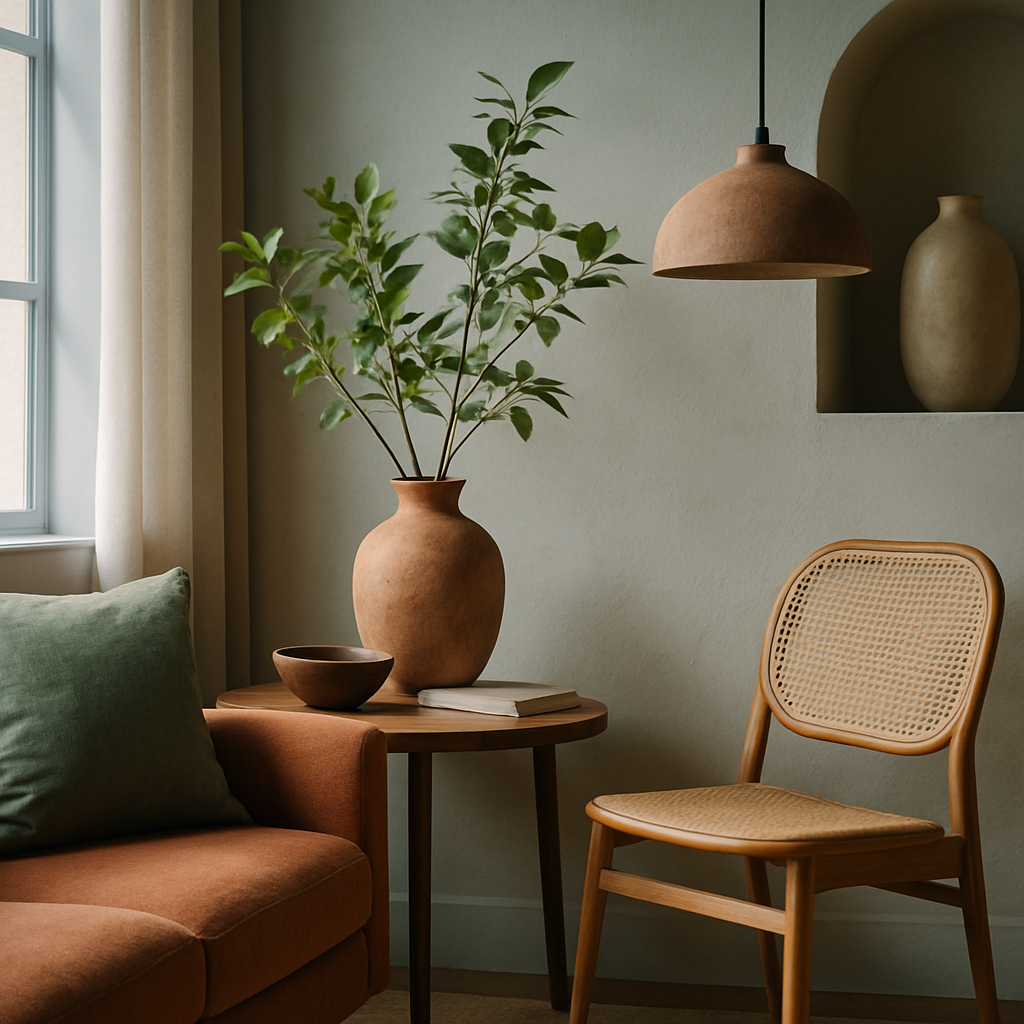
Have you ever walked into a room and felt instantly at ease, as if the space was designed just for you? This magic often stems from the latest interior design trends that blend style with functionality. As we move into 2024, new trends are emerging that promise to transform your living space into a haven of comfort and elegance. From biophilic design to smart home integration, these trends are not just about aesthetics; they're about enhancing your lifestyle. In this article, we'll explore ten must-have interior design trends for 2024, providing you with insights and strategies to integrate them into your home effectively.
Embracing Biophilic Design
Biophilic design, a trend that connects interiors with nature, is gaining traction in 2024. This approach incorporates natural materials, living walls, and large windows that blur the line between indoors and outdoors. According to the American Society of Interior Designers (ASID), biophilic elements not only enhance aesthetics but also improve mental well-being by reducing stress and increasing productivity.
Consider how natural light floods a room, creating a serene environment. Large floor-to-ceiling windows can achieve this effect, offering views of lush gardens or cityscapes. Additionally, integrating indoor plants can improve air quality, adding a touch of greenery to your decor. The key is to create a seamless flow between the interior and exterior, making your home a sanctuary.
Want to incorporate biophilic design into your home? Start by assessing your current space. Where can you introduce natural elements? Perhaps a living wall in the kitchen or a sunlit reading nook in the living room. These small changes can make a significant impact, blending nature into your everyday life. As we delve into the next section, we'll explore another trend that's reshaping interiors: quiet luxury.
Quiet Luxury and Understated Elegance
In a world filled with noise, quiet luxury offers a retreat into understated elegance. This trend emphasizes high-quality materials and timeless design, avoiding overt extravagance. Industry surveys suggest that homeowners increasingly prefer spaces that exude sophistication through simplicity, a sentiment echoed by Houzz's annual reports.
Consider the allure of a minimalist living room, where each piece of furniture is carefully selected for its craftsmanship and subtle beauty. The focus here is not on the number of items but their quality and how they contribute to the overall ambiance. Materials like cashmere, leather, and oak are favored, providing a tactile and visual feast.
To embrace quiet luxury, evaluate the textures and materials in your home. Can you replace synthetic fabrics with natural ones? Perhaps swap a mass-produced table for a handcrafted piece. The goal is to create a space that feels personal and timeless. As we transition to our next topic, let's explore how smart home technology is revolutionizing interior design.
Integrating Smart Home Technology
Smart home technology is no longer a futuristic concept; it's a staple of modern interior design. Automated lighting, climate control, and window treatments are just a few examples of how technology is enhancing home functionality. According to a report by the International Interior Design Association (IIDA), smart home integration is one of the fastest-growing trends, driven by consumer demand for convenience and energy efficiency.
Imagine walking into a room where the lights adjust automatically based on the time of day and your preferences. Smart thermostats optimize energy use, maintaining comfort while reducing costs. Moreover, voice-controlled devices offer hands-free operation, allowing you to manage your environment effortlessly.
To start integrating smart technology, consider your daily routines. Could smart blinds help regulate sunlight in your home office? Would automated lighting enhance your evening relaxation? Begin with one or two devices, then expand as you become accustomed to the convenience. Next, we'll look at the rising trend of sustainable and reclaimed materials in interior design.
Sustainability and Reclaimed Materials
Sustainable design is not just a trend but a necessity. In 2024, the focus is on using reclaimed materials to reduce waste and promote environmental responsibility. The National Council for Interior Design Qualification (NCIDQ) highlights the importance of sustainability, encouraging designers to source materials with minimal environmental impact.
Reclaimed wood, recycled glass, and repurposed metal are popular choices for creating eco-friendly interiors. These materials not only reduce the demand for new resources but also add character and history to your space. A dining table made from salvaged wood tells a story, making it a conversation piece.
Consider how you can incorporate sustainable elements into your design. Could you opt for recycled tiles in the bathroom? Perhaps choose furniture from companies committed to green practices. These decisions make a positive impact on the environment and set your home apart with its unique story. In the following section, we'll explore how Japandi style is influencing modern interiors.
The Japandi Aesthetic
Japandi, a fusion of Japanese minimalism and Scandinavian warmth, is captivating designers and homeowners alike. This aesthetic combines clean lines with muted colors and natural materials, creating spaces that are both functional and inviting. Architectural Digest's AD PRO network notes that Japandi offers a balanced approach to design, blending form and function seamlessly.
Envision a living room where sleek, low-profile furniture is paired with soft textiles and natural woods. The color palette is neutral, promoting a sense of calm and simplicity. Japandi design prioritizes functionality without sacrificing beauty, making it ideal for those seeking a clutter-free environment.
To incorporate Japandi into your home, focus on decluttering and selecting multi-functional pieces. Could a storage bench serve dual purposes in your entryway? Would neutral tones enhance your bedroom's tranquility? As we move to our next topic, we'll discuss the impact of AR/VR tools in interior design visualization.
AR/VR Tools for Room Visualization
Augmented Reality (AR) and Virtual Reality (VR) tools are revolutionizing the way we visualize interior spaces. These technologies allow homeowners to see potential designs before making any changes, providing a realistic preview of how a space will look and function. The American Institute of Architects (AIA) has embraced these tools, noting their ability to enhance client satisfaction by reducing the guesswork in design.
Imagine walking through a virtual model of your redesigned kitchen, tweaking elements in real-time to suit your preferences. This immersive experience helps you make informed decisions, avoiding costly mistakes. AR/VR applications are becoming more accessible, with platforms like Houzz offering tools to visualize furniture and decor in your space.
Consider testing an AR app to experiment with new layouts or color schemes. Would seeing a virtual model help you choose between two paint colors? Could it assist in visualizing a new furniture arrangement? As we wrap up, let's reflect on how these trends can be seamlessly integrated into your home.
Final Perspectives on 2024 Interior Design Trends
As we have explored, the interior design trends of 2024 offer exciting possibilities for transforming your home. From biophilic elements and quiet luxury to sustainable materials and smart technology, these trends enhance both aesthetics and functionality. The key to successful integration lies in adapting these ideas to your lifestyle and preferences.
Reflect on the trends that resonate most with you. Are you drawn to the serenity of biophilic design or the elegance of quiet luxury? Perhaps the technological convenience of smart homes appeals to you. By prioritizing the trends that align with your values and needs, you can create a space that truly feels like home.
As you embark on this design journey, remember that change doesn't have to happen overnight. Start small, experiment, and enjoy the process of transforming your living space. In our conclusion, we'll summarize the key takeaways and provide a specific call to action to kickstart your design transformation.
Conclusion
In summary, the 2024 interior design trends present a myriad of opportunities to enhance your home. By embracing biophilic design, quiet luxury, smart technology, sustainable materials, Japandi style, and AR/VR visualization tools, you can create a living space that is both beautiful and functional. These trends are not just about following fashion; they are about creating environments that improve your quality of life.
So, what's your next step? Start by browsing portfolios on platforms like Houzz or Pinterest this week. Even 20 minutes of research will sharpen your eye for what you want. Remember, your home is a personal canvas; let these trends inspire you to create a space that truly reflects who you are. Your design journey begins now.



Comments
Post a Comment