The Ultimate Guide to Mixing and Matching Interior Design Styles
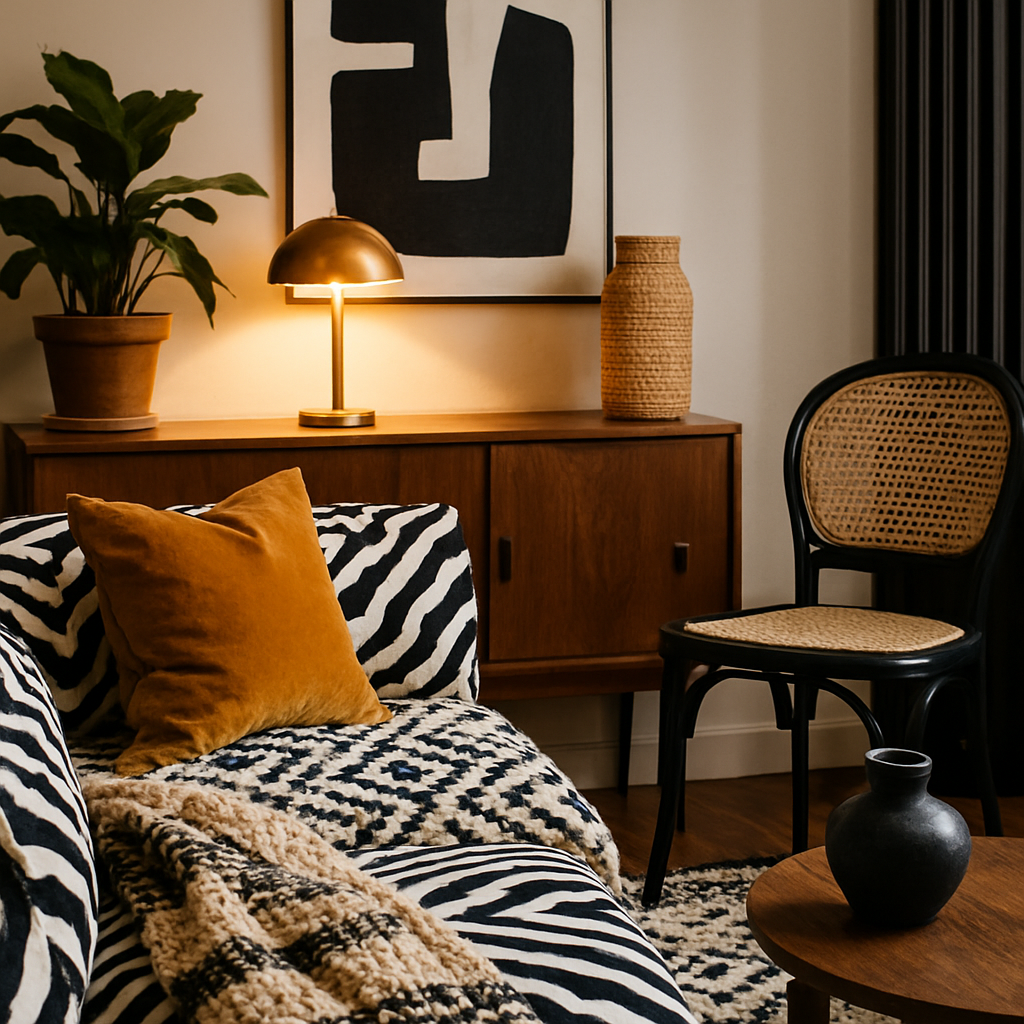
Have you ever walked into a room and felt an overwhelming sense of harmony despite the eclectic mix of furniture and decor? Mixing interior design styles can transform your home into a unique reflection of your personality, yet it can often seem daunting. According to Houzz, more than 60% of homeowners express a desire to incorporate multiple styles into their interiors, but many struggle with achieving the right balance. In this guide, we'll explore foundational concepts of style blending, dive into data-backed insights, and provide you with clear, actionable strategies to bring an eclectic yet cohesive look to your space.
Understanding the Core of Design Styles
To successfully mix and match interior design styles, it's essential to first understand the core elements of each style. Design styles such as Mid-century Modern, Industrial, and Bohemian each have distinct characteristics. Mid-century Modern is known for its clean lines, functional forms, and integration with nature. In contrast, Industrial design often features raw materials like exposed brick and metal, while Bohemian style is characterized by vibrant colors and eclectic patterns. By grasping these fundamental elements, you can more easily identify the styles that resonate with you and how they might complement each other.
One might ask, why is it important to understand these core elements? The answer lies in creating a cohesive look. When you know the defining features of each style, you can selectively incorporate elements that complement rather than clash. For instance, pairing the warm woods of Mid-century Modern with the metal accents of Industrial design can create an inviting yet edgy living space. Understanding these nuances allows for more thoughtful decision-making when selecting furniture and accessories.
However, simply knowing the elements isn't enough. It's crucial to consider the scale and proportion of items from different styles. For example, pairing a sleek Mid-century Modern sofa with a substantial Industrial coffee table might create a visual imbalance. Experienced professionals often note the importance of considering the weight and visual impact of each piece to maintain harmony in the room. As you explore different styles, remember that balance is key to a successful mix.
Data-Driven Insights into Style Preferences
According to a recent Houzz survey, 45% of homeowners prefer to mix styles rather than stick to one aesthetic. This growing trend emphasizes the desire for personalized and unique living spaces. Interestingly, the survey also revealed that the most popular combinations involve Modern, Industrial, and Scandinavian styles. These insights point to a broader movement towards minimalism and functionality, with a focus on clean lines and natural materials.
Why are these combinations so appealing? One reason is the complementary nature of these styles. Modern and Scandinavian designs share a love for simplicity and functionality, while Industrial elements add a touch of ruggedness and texture. This blend creates a balanced and inviting environment that caters to both aesthetic and practical needs. Homeowners are increasingly drawn to spaces that reflect their individuality, and mixing styles allows for a tailored approach.
Moreover, the data highlights the importance of personalization in interior design. As the Houzz survey shows, 70% of respondents believe that a well-designed home significantly boosts their overall happiness and well-being. This underscores the role of interior design not just as a visual art but as a contributor to mental and emotional health. Thus, mixing and matching styles is more than a design choice; it's a way to create a home that truly resonates with its inhabitants.
Strategies for Successfully Blending Styles
When it comes to combining different interior design styles, a few key strategies can ensure success. First, choose a dominant style that will serve as the foundation of your design. This dominant style should account for about 70% of your space's aesthetic, providing a cohesive backdrop for other styles to layer upon. For example, if you lean towards Scandinavian design, let its minimalist and functional traits guide your primary choices for furniture and color schemes.
Next, identify a secondary style that complements the dominant one. This secondary style should make up about 20-30% of your space, adding contrast and interest without overwhelming the primary aesthetic. Using the Scandinavian example, you might introduce Industrial elements like metal light fixtures or a reclaimed wood coffee table to add texture and depth. This layering approach ensures a seamless integration of multiple styles, maintaining balance and coherence.
Finally, focus on creating visual connections between styles through color, texture, and materials. Select a unifying color palette that spans both styles to create harmony. For instance, if your dominant style features cool grays and whites, incorporate these hues into your secondary style with accessories or textiles. Additionally, consider textures and materials that complement each other. Mixing a plush Modern rug with Industrial metal accents can tie disparate styles together, creating a unified yet diverse space.
Expert Tips for Advanced Style Mixing
For those seeking to push the boundaries of traditional style mixing, expert advice can provide valuable guidance. Certified interior designers, such as those recognized by the National Council for Interior Design Qualification (NCIDQ), emphasize the importance of scale and proportion. When mixing styles, it's crucial to ensure that furniture and decor pieces align in scale. A large, overstuffed sofa paired with dainty side tables can create a jarring visual disconnect. Instead, aim for pieces that are proportionally balanced to maintain a harmonious look.
Additionally, experienced designers often incorporate a "bridge" element-a piece that ties different styles together. This could be a piece of art, a rug, or even a unique piece of furniture that embodies elements of both styles. For example, a contemporary art piece with an industrial frame can serve as a focal point that marries Modern and Industrial styles. This bridging strategy helps create a cohesive narrative throughout the space.
Lighting is another critical factor in style mixing. Different styles often come with distinct lighting preferences; blending these can enhance the overall ambiance. For instance, pairing sleek, modern pendant lights with rustic, industrial table lamps can create layers of light that add depth and interest. Lighting not only enhances the aesthetic but also influences the mood and functionality of the space.
Exploring the Role of Personal Taste
While strategies and expert tips provide a solid foundation, the role of personal taste in mixing styles cannot be overstated. Ultimately, your home should be a reflection of your personality and preferences. This means that sometimes breaking the rules can lead to the most inspiring results. If you love a particular piece, whether it fits perfectly within a chosen style or not, find a way to incorporate it in a way that feels authentic to you.
Consider the story you want your space to tell. Are you drawn to the calm serenity of minimalism, or do you prefer the vibrant energy of eclectic designs? Understanding your personal inclinations can guide your decisions and help you curate a space that feels uniquely yours. Remember, successful style mixing is not about adhering to strict rules but about creating a space that resonates with you on a deeper level.
Furthermore, personal taste can evolve over time, and your interior space should have the flexibility to evolve with it. By choosing versatile pieces and a flexible color palette, you can easily update your space as your style preferences shift. This adaptability ensures that your home remains a true reflection of who you are, both now and in the future.
Final Thoughts on Mixing Interior Design Styles
As you venture into the world of mixing and matching interior design styles, keep in mind that the process is as much about experimentation as it is about aesthetics. Don't be afraid to try new combinations and step outside of your comfort zone. The goal is to create a living space that feels harmonious, yet distinctly personal. As you implement various strategies and tips, you'll develop a keener sense of what works best for your home and lifestyle.
Remember, mixing design styles is not a one-time event but an ongoing journey. As trends evolve and your tastes change, your space should have the flexibility to adapt. The true beauty of eclectic design lies in its ability to grow and change with you, providing a canvas for your creativity and expression. So, what styles will you explore next, and how will they transform your living space?
To get started, consider visiting platforms like Houzz and Pinterest for visual inspiration and to see how others have successfully blended styles. These resources can offer ideas and solutions that you might not have considered, sparking new creative directions for your home.
Conclusion: Your Next Steps in Style Mixing
Mixing and matching interior design styles is an exciting opportunity to create a home that is truly your own. By understanding the basics, utilizing data-driven insights, and applying expert strategies, you can achieve a balanced and cohesive look. Start by identifying your dominant and secondary styles, and experiment with combining elements to see what resonates with you.
Are you ready to embark on this creative journey? Begin by exploring designer portfolios on Houzz, where you can see real-world examples of style blending. Even dedicating a short amount of time each week to browsing and researching can enhance your understanding and sharpen your design eye. As you move forward, remember that your home is a reflection of you, and there are no limits to the creativity you can express within its walls.



Comments
Post a Comment