Maximize Small Spaces: Innovative Room Interior Design Ideas You Need
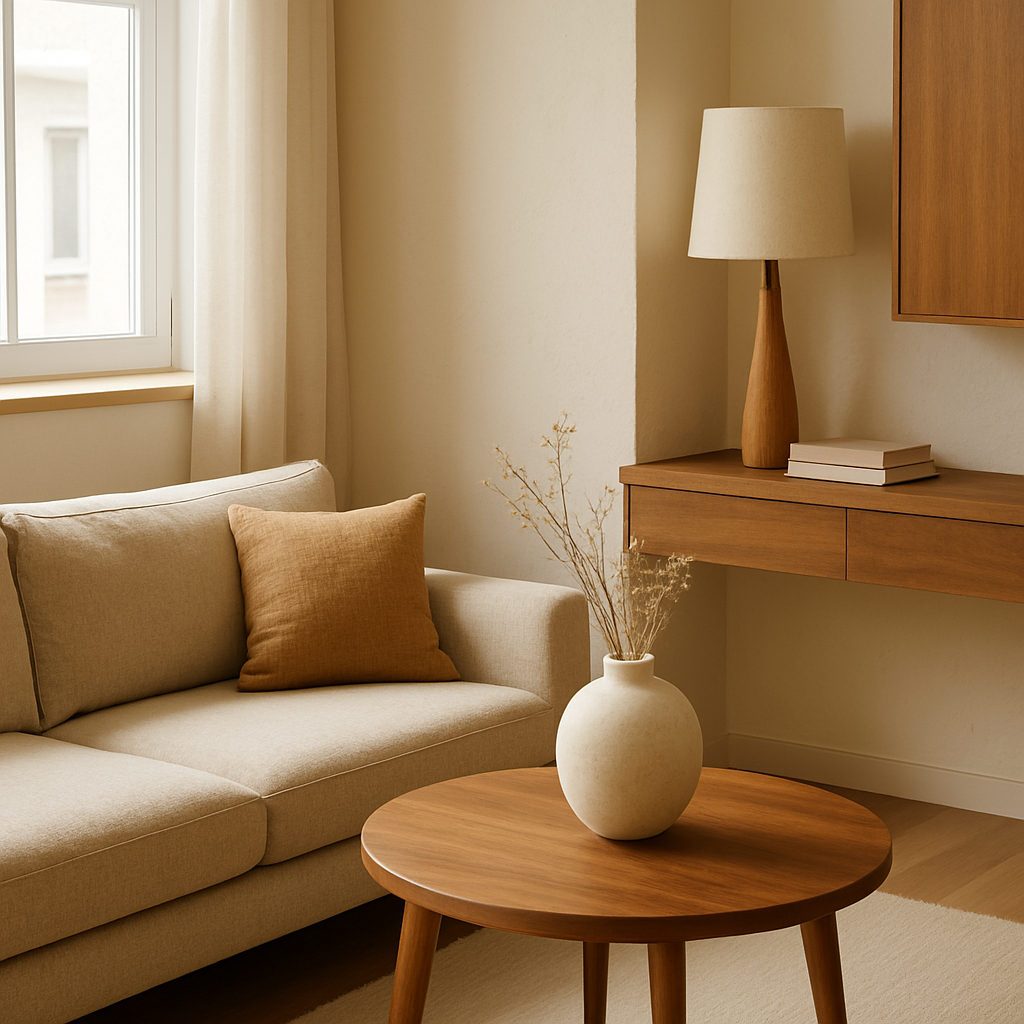
Have you ever walked into a tiny room and felt overwhelmed by the clutter? You're not alone. Many homeowners struggle to make the most of their limited space. According to Houzz, 73% of people renovating their homes focus on optimizing space. But how exactly can you transform a cramped area into a functional and stylish living environment? This article delves into innovative room interior design ideas that will help you maximize small spaces effectively. We'll explore foundational concepts, analyze data-driven insights, offer actionable strategies, and provide expert-level details to ensure your design is both practical and beautiful. By the end, you'll have a comprehensive understanding of how to approach small space design with confidence.
Understanding the Basics of Small Space Design
The first step in mastering small space interior design is understanding the foundational concepts that guide effective layouts. One of the key principles is prioritizing functionality. Before you even begin selecting colors or furniture, map out the specific ways you use each room. For instance, if your living room doubles as a home office, consider how you can incorporate storage for office supplies without sacrificing style. Experienced professionals often note that multifunctional furniture is a game-changer in small spaces. Pieces like ottomans with hidden storage or fold-out desks help maintain a tidy environment without compromising on utility.
Another essential concept is creating visual continuity. This involves selecting a consistent color palette and materials that flow throughout the space. Light, neutral tones can make rooms appear larger, while mirrors strategically placed opposite windows can reflect light and create an illusion of depth. According to the American Society of Interior Designers (ASID), these techniques are particularly popular in urban apartments where square footage is at a premium. By keeping the visual elements cohesive, you can ensure that even the smallest of spaces feel open and inviting.
Finally, consider the role of vertical space in your design strategy. In compact environments, walls are your best friends. Install shelving units that reach up to the ceiling to maximize storage and draw the eye upward, creating the perception of a larger room. Use these shelves not just for books but also for decorative items that reflect your personal style. This approach not only offers practical solutions but also adds a layer of visual interest, making your space uniquely yours. With these foundational concepts in place, you're ready to dive deeper into the specifics.
Analyzing Data-Driven Insights for Small Spaces
When it comes to maximizing small spaces, data and trends provide valuable insights into what works and what doesn't. According to a recent survey by Houzz, 58% of homeowners reported increased satisfaction with their homes after incorporating space-saving design elements. This underscores the importance of thoughtful planning and strategic design. Homeowners who invest time and resources into understanding their space often achieve more functional and aesthetically pleasing results.
Statistical insights also reveal that spending on storage solutions has risen significantly, indicating a growing awareness of efficient space utilization. For example, the demand for custom cabinetry has increased by 47% over the past year, as reported by ASID. Custom solutions allow homeowners to tailor their storage needs precisely to their space constraints, ensuring no inch goes unused. Whether it's a pull-out pantry in the kitchen or a built-in closet in the bedroom, these bespoke elements can dramatically enhance the functionality of a room.
Moreover, the trend towards minimalism continues to influence small space design. The philosophy of "less is more" encourages homeowners to declutter and focus on quality over quantity. This approach not only makes spaces feel more open but also reduces stress and enhances mental clarity-a benefit supported by multiple studies on environmental psychology. As you consider how to implement these insights, remember that each decision should serve both a practical and aesthetic purpose. This mindset will prepare you for the next phase: actionable strategies.
Implementing Actionable Strategies for Space Maximization
With a solid understanding of foundational principles and data-driven insights, it's time to put theory into practice with actionable strategies. Start by selecting multifunctional furniture that suits your lifestyle. A Murphy bed, which folds up into the wall, can transform a bedroom into a spacious living area during the day. Similarly, a dining table that doubles as a desk can be a practical solution for those working from home. These pieces are investments that pay off by freeing up floor space.
Next, consider implementing smart storage solutions. Use under-bed storage boxes to tuck away items not frequently used, or install hooks and racks on the back of doors for additional hanging space. Do you often find yourself searching for more surface area? Look to nesting tables, which can be expanded when needed and stowed away when not in use. Such creativity with storage allows you to maintain a clean and organized environment, which is crucial in small spaces.
Lighting is another critical factor in maximizing small spaces. Opt for fixtures that provide ample illumination without taking up valuable real estate. Wall sconces, for example, are excellent alternatives to floor lamps. Additionally, incorporate layers of lighting-ambient, task, and accent-to add depth and dimension to your rooms. Lighting can transform a small, cramped area into a cozy and inviting space. As you implement these strategies, remember that each choice should be tailored to your specific needs and preferences.
Expert-Level Details to Perfect Your Design
As you refine your approach to small space design, draw on expert-level details that can elevate your interiors from good to great. One such detail is the use of color psychology. Warm hues like soft yellows and light blues can make spaces feel more expansive and welcoming. The International Interior Design Association (IIDA) often highlights the psychological impact of color in their design recommendations. By choosing colors that evoke calm and openness, you can enhance the overall ambiance of your space.
Another expert tip is to incorporate biophilic design elements, such as plants and natural materials. Biophilic design is known to improve well-being and productivity by creating a connection to nature. Consider adding potted plants or using materials like wood and stone to bring a touch of the outdoors inside. This not only beautifies the space but also improves air quality and reduces stress, making it a win-win for any small area.
Finally, leverage technology to visualize your design choices. Tools like AR/VR room visualization apps allow you to experiment with different layouts and furniture without any commitment. This technology provides a realistic preview of how changes will affect your space, enabling you to make informed decisions. By integrating these expert-level details, you can ensure that your small space design is both innovative and personalized. As you refine these elements, consider additional layers of depth in your design journey.
Adding Layers of Depth with Innovative Ideas
To truly maximize your small spaces, consider adding layers of depth through innovative design ideas that push the boundaries of conventional thinking. One such idea is the integration of smart home technology. Automated lighting, climate control, and window treatments can be controlled with a simple voice command or smartphone app, adding a layer of convenience and efficiency to your space. These technologies are not only practical but can also enhance the overall aesthetic by eliminating the need for visible switches and controls.
Incorporating sustainable materials is another way to add depth to your design. Use reclaimed wood, recycled glass, or eco-friendly fabrics to create a space that is both stylish and environmentally conscious. This approach reflects a growing trend towards sustainability in interior design, as noted by numerous industry publications, including Architectural Digest's AD PRO network. By choosing sustainable options, you contribute to environmental conservation while enjoying a unique and beautiful space.
Finally, embrace the trend of Japandi, which combines Japanese minimalism with Scandinavian warmth. This style focuses on simplicity, functionality, and natural elements, making it ideal for small spaces. By blending these two design philosophies, you can create a serene and harmonious environment that maximizes every square inch. As you incorporate these innovative ideas, remember that the journey of design is ongoing and ever-evolving.
Final Perspectives on Maximizing Small Spaces
Maximizing small spaces requires a thoughtful blend of creativity, practicality, and expert insight. By understanding foundational concepts, analyzing data, and implementing actionable strategies, you're well-equipped to transform even the smallest rooms into functional and beautiful environments. The journey doesn't end here, though. As new trends and technologies emerge, continue to seek out innovative ideas that resonate with your personal style and needs.
Remember, the goal is not just to create a visually appealing space but also one that enhances your quality of life. How will your design choices support your daily routine? Are there areas where you can still optimize space? As you explore these questions, keep in mind that the most successful designs are those that reflect the personality and lifestyle of their inhabitants.
Conclusion
In conclusion, maximizing small spaces through innovative interior design is entirely achievable with the right strategies and insights. By focusing on functionality, embracing current trends, and integrating expert-level details, you can create spaces that are both practical and aesthetically pleasing. Now is the time to put these ideas into action. Start by browsing portfolios on Houzz or Pinterest this week-spending even 20 minutes on research can sharpen your eye for what you truly want in your home. Your next design masterpiece awaits just around the corner.


Comments
Post a Comment