Transform Your Workspace: Innovative Office Interior Design Ideas for 2023
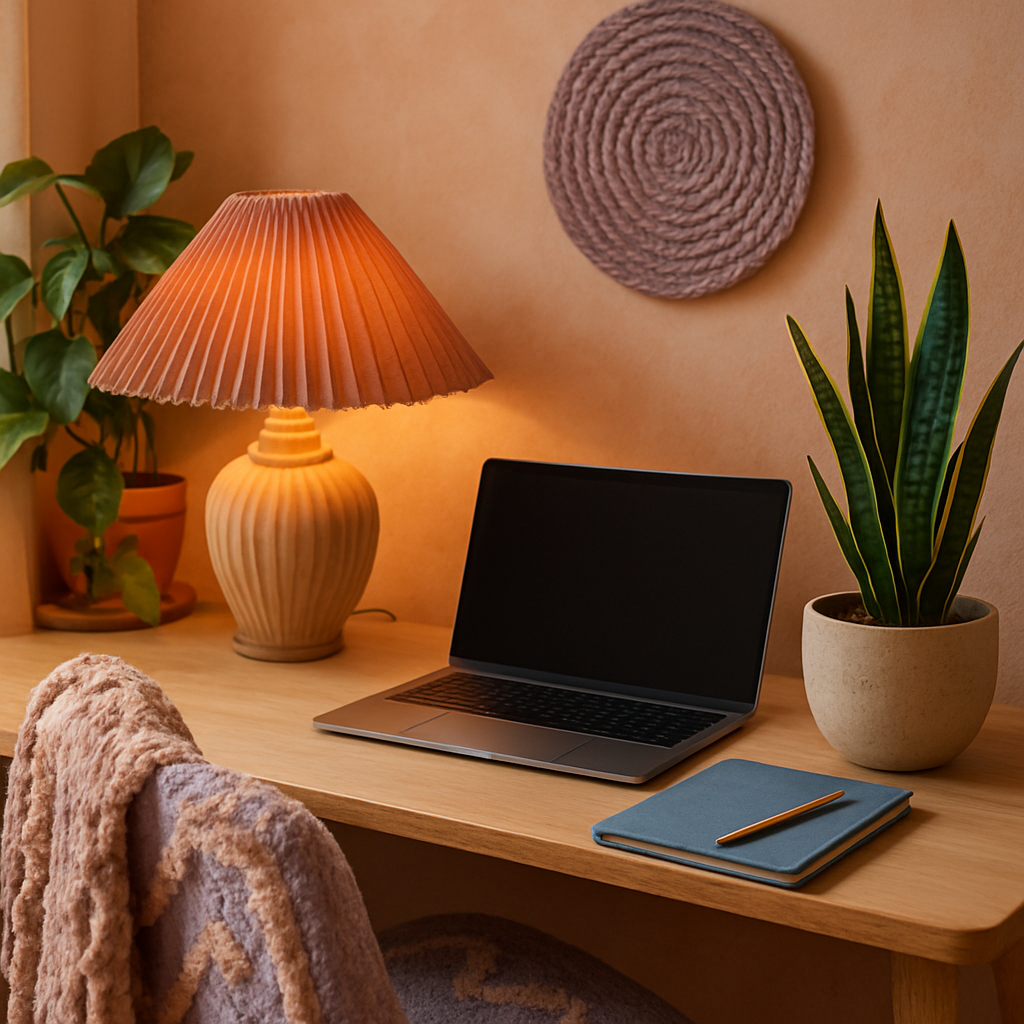
Imagine walking into your office and feeling instantly energized and inspired. According to a recent survey by Houzz, 73% of employees believe that a well-designed workspace significantly enhances their productivity and job satisfaction. With the rapid evolution of office environments and the increasing importance of employee well-being, transforming your workspace has never been more crucial. In this article, we'll explore innovative office interior design ideas for 2023, focusing on foundational concepts, data-driven insights, actionable strategies, expert-level details, and additional depth to help you create a workspace that is both functional and inspiring. Whether you're looking to integrate biophilic design elements, smart technology, or sustainable materials, these ideas will guide you in crafting an office that meets the demands of the modern work environment.
Foundational Concepts in Office Interior Design
The foundation of any successful office interior design starts with understanding the core principles that drive productivity and creativity. First, consider the role of biophilic design, which incorporates natural elements such as plants, water features, and natural light to create a calming and refreshing environment. Studies have shown that biophilic design can improve well-being and productivity by up to 15%. Next, focus on space planning. This involves mapping out how each area of the office will be used, ensuring that spaces for collaboration, concentration, and relaxation are clearly defined. Experienced professionals often note that a well-planned office layout can significantly enhance workflow efficiency.
Another foundational concept is the integration of quiet luxury, which emphasizes understated elegance and high-quality materials. This trend favors a minimalist approach with a focus on comfort and functionality. Think along the lines of plush seating, elegant lighting fixtures, and high-quality finishes that exude sophistication without being ostentatious. Finally, consider the importance of flexibility. In today's dynamic work environments, having adaptable furniture and spaces that can be easily reconfigured to meet changing needs is essential. Modular furniture and movable walls are great examples of this concept in action.
Understanding these foundational concepts provides a solid base from which to build your office interior design. As you plan your space, consider how these elements can be customized to fit your specific needs and preferences. As you move forward, deeper analysis and data-driven insights will further inform your design decisions.
Data-Driven Insights into Office Design
When it comes to transforming your workspace, data-driven insights can provide valuable guidance on what works and what doesn't. For instance, according to the American Society of Interior Designers (ASID), 69% of workers report that access to natural light and views improves their mood and energy levels. This statistic highlights the importance of incorporating biophilic elements into your office design. Furthermore, research from the International Interior Design Association (IIDA) indicates that open-plan offices, when designed effectively, can foster collaboration without compromising privacy.
Another key data point comes from an Architectural Digest's AD PRO survey, which revealed that smart technology integration in office design is on the rise. Features such as automated lighting, climate control, and smart conference rooms are becoming standard in modern office environments. These technologies not only enhance convenience but also contribute to energy efficiency and cost savings. Are you considering implementing smart technology in your office? Understanding the potential benefits and challenges of these innovations is crucial for making informed decisions.
In addition, Houzz's annual survey data shows that sustainable materials are increasingly prioritized in office redesigns. Approximately 45% of respondents indicated that they seek eco-friendly options when selecting furnishings and finishes. This trend reflects a growing awareness of environmental responsibility and the desire to create healthier indoor environments. With these data-driven insights, you can make informed choices that align with both employee needs and organizational goals. Moving forward, actionable strategies will help you put these insights into practice.
Actionable Strategies for Office Transformation
Implementing innovative office interior design ideas requires a strategic approach. Start by conducting a thorough assessment of your current workspace and identifying areas for improvement. Are there specific pain points, such as inadequate lighting or insufficient collaboration spaces, that you need to address? Once you've identified your priorities, consider engaging a certified interior designer with NCIDQ (National Council for Interior Design Qualification) credentials to guide you through the process. Their expertise can ensure that your design aligns with industry standards and best practices.
Next, focus on integrating technology that enhances both functionality and user experience. Smart lighting systems, for example, can be programmed to adjust based on the time of day and occupancy, reducing energy consumption while maintaining optimal light levels. Additionally, consider using AR/VR room visualization tools to experiment with different design concepts before committing to a final layout. These tools allow you to visualize changes in real-time and make more informed decisions.
Finally, develop a phased implementation plan that accommodates your organization's budget and timeline. This might involve prioritizing certain areas or elements, such as updating conference rooms before individual workstations. Keep in mind that budgeting appropriately is crucial, with single-room redesigns typically ranging from $5,000 to $15,000, while full-office renovations can exceed $50,000. With these actionable strategies in place, you can confidently embark on your office transformation journey. The next section will delve deeper into expert-level details to further refine your approach.
Expert-Level Details for Design Success
As you delve into the specifics of office interior design, consider the nuanced details that can elevate your workspace from functional to exceptional. Experienced professionals often emphasize the importance of acoustics in office environments. Poor acoustics can lead to distractions and decreased productivity, so investing in sound-absorbing materials and strategic office layouts can mitigate this issue. Acoustic panels, carpets, and upholstered furniture are effective solutions for managing noise.
Another expert-level consideration is the incorporation of sustainable and reclaimed materials. Choosing furniture and finishes made from recycled materials not only supports environmental goals but also adds unique character to your office. For example, reclaimed wood desks and tables bring warmth and texture, while recycled metal accents can add industrial flair. Are you ready to explore sustainable options for your office transformation?
Lighting design is another critical aspect that experts focus on. Layered lighting techniques, which combine ambient, task, and accent lighting, can create a dynamic and visually appealing environment. Task lighting is essential for workstations, providing focused illumination for specific tasks, while accent lighting can highlight architectural features or artwork. By considering these expert-level details, you can create an office that is not only visually stunning but also highly functional. The following section will provide additional depth on design elements that can further enhance your workspace.
Adding Depth with Unique Design Elements
To truly transform your workspace, consider incorporating unique design elements that reflect your company's culture and values. Art installations, for instance, can serve as focal points and conversation starters. Whether it's a mural painted by a local artist or a curated gallery wall, art can infuse personality and vibrancy into your office. Additionally, incorporating brand colors and motifs throughout the design reinforces your corporate identity and fosters a sense of belonging among employees.
Another way to add depth to your office design is through the strategic use of textures and patterns. Mixing materials such as wood, metal, and fabric can create a rich and engaging visual experience. Consider using patterned wallpapers or textiles to add interest to otherwise neutral spaces. The key is to maintain balance and cohesion, ensuring that these elements enhance rather than overwhelm the overall design.
Finally, consider the role of greenery in your office. Indoor plants not only improve air quality but also contribute to a calming and inviting atmosphere. Vertical gardens or living walls are especially effective in maximizing greenery without taking up valuable floor space. As you explore these additional design elements, remember that the goal is to create a workspace that is both aesthetically pleasing and conducive to productivity. In the concluding section, we'll offer final perspectives and guidance on your office transformation.
Final Perspectives on Office Transformation
As you embark on your office transformation journey, remember that the process is as important as the end result. Engaging employees in the design process can foster a sense of ownership and ensure that the final outcome meets their needs. Regular feedback loops, such as surveys or focus groups, can provide valuable insights into employee preferences and pain points, allowing you to make informed design choices.
Additionally, consider the long-term impact of your design decisions. An adaptable and future-proof office design can accommodate changing needs and technological advancements. By prioritizing flexibility and sustainability, you can create a workspace that remains relevant and functional for years to come. Are you prepared to embrace the evolution of office design and create a space that inspires and supports your team?
Conclusion
In conclusion, transforming your workspace with innovative office interior design ideas for 2023 can lead to a more productive, inspiring, and sustainable environment. By understanding foundational concepts, leveraging data-driven insights, implementing actionable strategies, and incorporating expert-level details, you can create a workspace that reflects your organization's values and meets the needs of your employees. Start by browsing portfolios on platforms like Houzz and Pinterest this week - even 20 minutes of research will sharpen your eye for what you want. Engage with certified professionals to ensure your vision is executed to perfection. As you move forward, remember that the key to successful office design lies in balancing functionality with aesthetics, and embracing flexibility and sustainability. Your transformed workspace awaits, ready to support your team's success.



Comments
Post a Comment