Transform Your Home: Top Interior Design Studio Trends
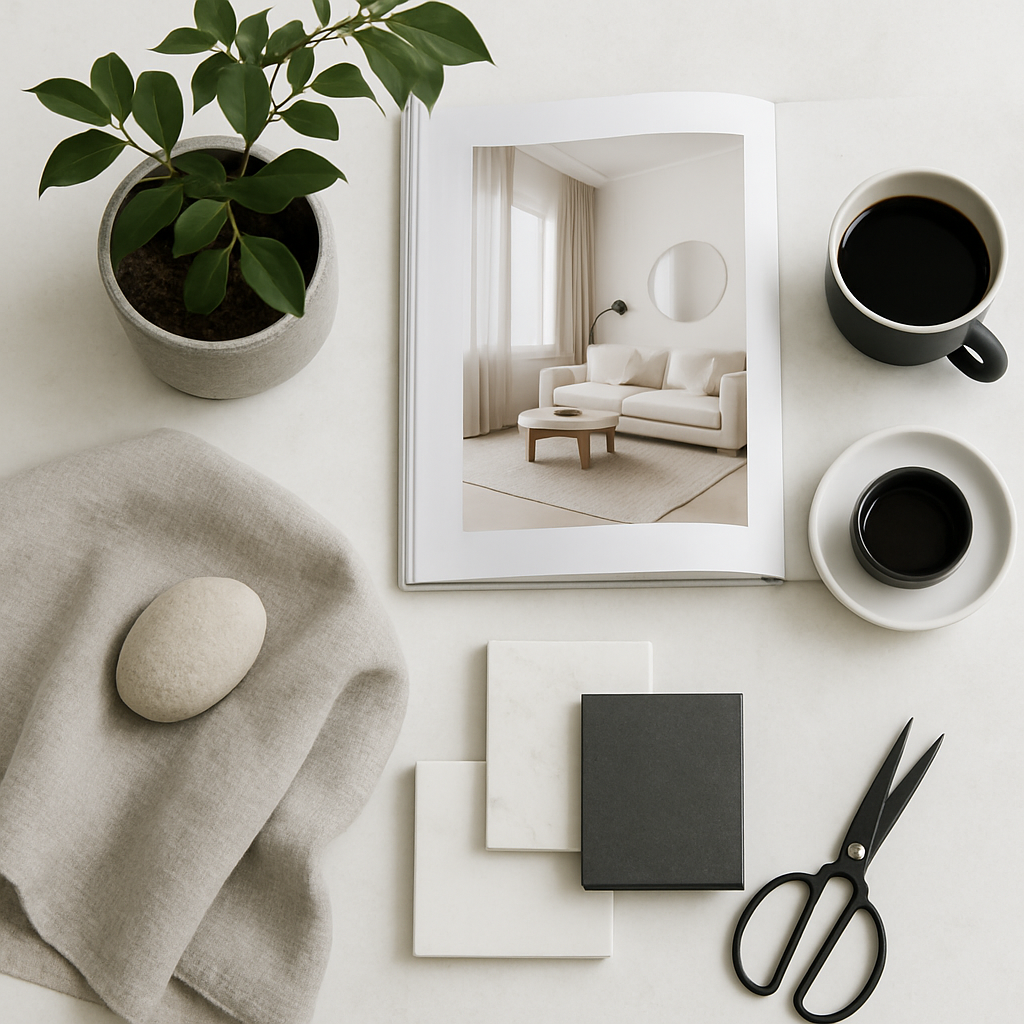
Walk into any leading interior design studio and you will notice something striking: the conversations have shifted. Clients are no longer asking for the trendiest wallpaper or the most Instagram-worthy accent wall. Instead, they are requesting spaces that support mental well-being, reduce environmental impact, and adapt to the fluid demands of modern living. This evolution reflects deeper cultural currents that design studios across the country are translating into tangible, livable environments. The American Society of Interior Designers (ASID) notes that client requests for wellness-oriented design features have grown substantially, placing health and sustainability alongside aesthetics as primary project drivers. Whether you are planning a single-room refresh or a whole-home transformation, understanding the trends that top studios are embracing will help you make decisions that feel right not just today but for years to come. Here is a comprehensive look at six studio-driven trends that are redefining residential interiors.
Biophilic Design: Bringing Nature Indoors with Purpose
Biophilic design has moved from a niche philosophy to a mainstream studio offering, driven by mounting research that connects natural elements in interior spaces to measurable improvements in occupant health. The principle is straightforward: human beings evolved in natural environments, and spaces that incorporate organic materials, natural light, greenery, and water features align with deeply ingrained biological preferences. Leading studios are interpreting this principle through living walls that purify indoor air, large-format windows that maximize daylight penetration, and material palettes dominated by stone, wood, and linen. The result is not a rustic or earthy aesthetic by default but a refined integration of nature that can suit anything from a contemporary loft to a traditional colonial home.
The International Interior Design Association (IIDA) has published extensive case studies showing that biophilic interventions in commercial spaces reduce reported stress levels and increase productivity. Residential designers have translated these findings into practical applications: a home office with a desk positioned to overlook a garden view, a bathroom clad in honed travertine that evokes a natural grotto, or a bedroom where a canopy of indoor plants creates a sense of enclosure without closing off the space. Studios report that clients who initially request biophilic elements for one room frequently expand the scope once they experience the effect firsthand, asking for similar treatments in adjacent spaces.
Implementing biophilic design requires more than scattering potted plants around a room. Studios approach it as an integrated strategy that considers light quality, acoustic properties, material textures, and even scent. A well-executed biophilic interior might include timber ceiling beams that absorb sound, a tabletop water feature whose gentle noise masks urban traffic, and operable windows that allow seasonal breezes to circulate naturally. The specificity of this approach is what distinguishes a studio-designed biophilic space from a DIY attempt: every element serves a sensory purpose, and the cumulative effect is a home that feels restorative rather than merely decorated. Have you noticed that certain spaces make you feel calmer without being able to pinpoint exactly why?
Quiet Luxury: Understated Elegance Through Material Quality
The quiet luxury movement represents a decisive shift away from conspicuous branding and toward a refined sensibility where quality speaks for itself. In interior design studios, this translates to spaces defined by exceptional materials, meticulous craftsmanship, and restrained color palettes rather than bold patterns or statement furniture. Think cashmere throws draped over a Belgian linen sofa, hand-plastered walls with a subtle texture that catches light differently throughout the day, and hardware finished in brushed unlacquered brass that develops a patina over time. The appeal is not about spending more but about spending thoughtfully on fewer items that deliver a richer sensory experience.
AD PRO has documented the rise of quiet luxury as a reaction to the maximalist trend that dominated social media platforms for several years. Homeowners who filled their rooms with colorful, trendy pieces are now seeking the calm of edited, intentional spaces. Studios specializing in this aesthetic report that their clients are willing to invest in a single exceptional dining table rather than furnishing an entire room with mid-range items. The approach aligns naturally with sustainability values: a well-made piece that lasts decades is inherently less wasteful than a succession of disposable alternatives, even if the initial cost is higher. Design professionals billing at rates between $150 and $500 per hour find that quiet luxury projects demand exceptional product knowledge, as the success of the design hinges on the specific qualities of each selected material.
The challenge of quiet luxury is that its restraint can tip into monotony if not handled with skill. Studios avoid this pitfall through textural contrast: pairing rough-hewn stone against smooth plaster, matte ceramic against polished metal, or nubby boucle against sleek leather. The interplay of textures creates visual and tactile interest that compensates for the limited color range. Lighting design is equally critical, as quiet luxury interiors rely on the way light interacts with surfaces to create depth and warmth. A flat, evenly lit room will make the most beautiful materials look ordinary, while carefully layered lighting reveals the grain of wood, the weave of fabric, and the subtle variations in natural stone that justify the investment. What textures in your current home bring you the most satisfaction when you touch them?
Japandi Aesthetics: Where Japanese Minimalism Meets Scandinavian Warmth
Japandi is more than a portmanteau; it is a fully realized design philosophy that studios are applying with increasing sophistication. The style draws from Japanese wabi-sabi, which finds beauty in imperfection and impermanence, and Scandinavian hygge, which prioritizes comfort and coziness. The intersection produces interiors that are clean-lined and uncluttered yet warm and inviting, avoiding the sterility that pure minimalism can sometimes produce. Studios working in this style favor low-profile furniture, natural material palettes centered on light woods and muted earth tones, and carefully curated accessories where every object has both purpose and presence.
NCIDQ-certified designers approaching Japandi projects often emphasize the importance of negative space, the deliberate decision to leave areas of a room unfurnished. This is not about budget constraints but about allowing the architecture and the remaining furnishings to breathe. A Japandi-inspired bedroom might contain only a platform bed, a single wooden nightstand, and a pendant light, with the beauty of the room residing in the proportions, the quality of the bedding, and the play of natural light across an unadorned wall. Studios report that clients initially find this level of restraint challenging, especially in a culture that often equates fullness with completeness, but that the experience of living in a pared-back space quickly converts skeptics into advocates.
The craftsmanship ethos underlying Japandi design also reflects a growing consumer interest in provenance and authenticity. Studios source from artisan workshops that produce limited runs of handmade ceramics, hand-woven textiles, and joinery furniture that showcases visible wood grain and traditional construction techniques. According to Houzz trend data, searches for handcrafted and artisan-made home goods have increased by over 45 percent in recent cycles, suggesting that homeowners are actively seeking alternatives to mass-produced uniformity. A Japandi interior tells a story through its objects, each piece selected not because it matched a predetermined scheme but because it possessed an inherent quality that earned its place in the room. The philosophy encourages a slower, more deliberate approach to furnishing that many homeowners find deeply satisfying.
Smart Home Integration as a Design Element
Smart home technology has matured past the phase where visible gadgets and tangled wires competed with the design for attention. Today's leading studios treat technology as an invisible infrastructure that enhances the experience of a space without announcing its presence. Motorized shades that lower automatically at sunset, whole-home audio systems concealed within architectural millwork, and lighting scenes that shift color temperature throughout the day are all examples of technology serving design rather than disrupting it. The goal is a home that responds intuitively to its occupants' needs while maintaining the visual clarity of the chosen aesthetic.
ASID has recognized smart home integration as an area where interior designers and technology consultants must collaborate closely to achieve seamless results. The designer's role is to ensure that sensors, keypads, and speakers are placed where they function optimally without compromising the visual composition of a room. A motion sensor tucked into a decorative ceiling medallion, a thermostat recessed into a wall niche at a height that aligns with adjacent artwork, or a charging station concealed within a nightstand drawer: these are the details that distinguish a professionally designed smart home from one where technology was added as an afterthought. Studios that have invested in this expertise report strong demand, as homeowners increasingly expect their homes to be both beautiful and responsive.
The intersection of smart home technology and biophilic design is a particularly fertile area for studio innovation. Automated systems can manage the position of motorized skylights to maximize natural ventilation, adjust artificial lighting to supplement daylight as cloud cover changes, and regulate humidity levels to support indoor plantings. A living wall requires specific moisture and light conditions to thrive, and smart sensors can monitor and adjust these parameters continuously without manual intervention. The result is a biophilic interior that sustains itself with minimal owner effort, making it practical for busy households that want the benefits of natural elements without the burden of constant maintenance. How would your daily experience at home change if your environment adjusted to your needs without you lifting a finger?
Multifunctional Spaces Designed for Flexible Living
The rigid room designations that defined residential architecture for generations are giving way to fluid, multifunctional spaces that adapt to the rhythm of daily life. Studios are responding to clients who need a single room to serve as a home office during work hours, a classroom for children in the afternoon, and a relaxation zone in the evening. The design challenge is creating a space that performs all these functions effectively without feeling like a compromise in any mode. Solutions include modular furniture systems that reconfigure quickly, retractable partitions that create privacy on demand, and built-in storage that conceals work equipment when the workday ends.
IIDA's research into post-pandemic living patterns confirms that the demand for multifunctional residential spaces is not a temporary response to remote work but a lasting shift in how people relate to their homes. Studios have developed signature approaches to this challenge: one firm might specialize in Murphy bed systems integrated into custom millwork that converts a guest room into a home gym, while another focuses on kitchen islands with hidden storage and power outlets that double as productive workstations. The common thread is that the transformation between functions should be effortless and should not require the occupant to disassemble one setup before creating another. Approximately 58 percent of homeowners who have renovated since the shift to remote work report that multifunctional design was a primary motivation for the project.
Acoustic management is an underappreciated aspect of multifunctional space design that studios are addressing with increasing sophistication. When a dining room also serves as a conference call location, sound quality matters: hard surfaces that create pleasant reverberation during a dinner party can make a video meeting unintelligible. Studios solve this by incorporating acoustic panels disguised as artwork, specifying soft furnishings that absorb mid-range frequencies, and using area rugs and curtains strategically to tune the room's acoustic character. The best multifunctional spaces sound as good as they look, adapting their acoustic profile to the activity at hand through a combination of fixed treatments and movable elements that the occupant can adjust intuitively.
Sustainable and Locally Sourced Material Palettes
Sustainability has progressed from a design afterthought to a core criterion in material selection at forward-thinking studios. The shift is driven by both client demand and industry leadership from organizations like ASID and IIDA, which have published comprehensive sustainability guidelines for their members. Studios are sourcing reclaimed timber from deconstructed buildings, specifying countertops made from recycled glass, and using natural plasters and lime washes that are free of synthetic chemicals. The aesthetic result is often warmer and more characterful than conventional materials, with the added benefit of a dramatically reduced environmental footprint.
Local sourcing has gained particular traction as studios seek to reduce transportation emissions and support regional economies. A design firm in the Northeast might partner with a Vermont stone quarry for countertops, a Maine ceramicist for custom tiles, and a Connecticut textile studio for handwoven window treatments. The resulting interiors have a sense of place that cannot be replicated with globally sourced mass-produced goods. Houzz data shows that homeowner interest in locally made furnishings and materials has reached record levels, driven by a desire for authenticity and a growing awareness of the environmental cost of long-distance shipping. For clients drawn to quiet luxury, locally sourced artisan materials align perfectly with the values of quality, provenance, and restraint that define the aesthetic.
Studios are also exploring innovative sustainable materials that challenge conventional assumptions about what interiors can be made of. Mycelium-based insulation, hemp-lime composite walls, cork flooring sourced from sustainably managed Portuguese forests, and countertops fabricated from compressed paper fibers are all entering the studio repertoire. These materials require designers to educate clients about their properties and performance characteristics, a process that studios report enriches the design conversation and deepens client engagement. When a homeowner understands that their bathroom vanity top is made from a material that sequesters carbon during production, the piece carries a narrative value that transcends its visual appearance. The future of studio design is one where every material tells a story about origin, impact, and intention, and where beauty and responsibility are treated as inseparable qualities.
Conclusion
The trends emerging from leading interior design studios reflect a profound shift in what homeowners value in their living environments. Biophilic design reconnects us with nature, quiet luxury rewards discernment over display, Japandi aesthetics prove that less truly can be more, smart home integration makes daily life more seamless, multifunctional spaces honor the complexity of modern routines, and sustainable material palettes align our homes with our environmental convictions. Organizations including ASID, IIDA, and NCIDQ are shaping professional practice around these priorities, ensuring that the next generation of designers is equipped to deliver spaces that are as responsible as they are beautiful. As you consider your own home transformation, use these trends as a framework for defining what matters most to you. Consult with a qualified studio, ask to see examples of their work in each category, and allow the conversation to guide you toward a home that is not simply fashionable but genuinely, durably yours. The best design decisions are the ones that still feel right long after the novelty of newness has faded.
More Articles You May Like



Comments
Post a Comment