From Rustic to Contemporary: Exploring Diverse Kitchen Interior Design Styles
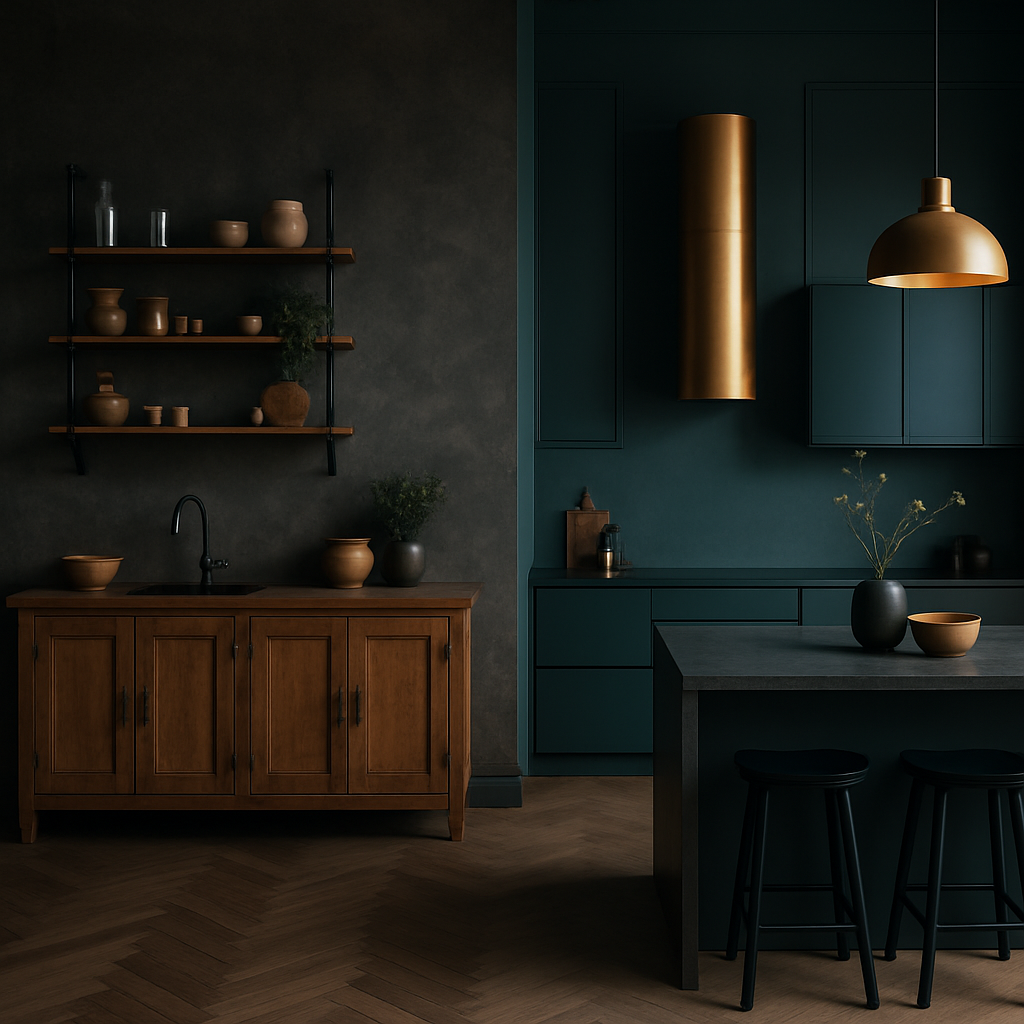
Have you ever walked into a kitchen and felt instantly at home, or conversely, sensed something was amiss? The kitchen is more than just a cooking area; it's where family and friends gather, and its design plays a crucial role in creating an inviting atmosphere. According to Houzz, homeowners spend an average of $12,000 on kitchen remodels, highlighting the importance of getting the design right. This article explores the diverse world of kitchen interior design styles, from rustic charm to sleek contemporary aesthetics.
We'll delve into foundational concepts that define each style, analyze trends and data that shape kitchen designs, and provide actionable strategies for bringing these styles into your home. Additionally, we'll offer expert-level insights into the nuances of each design approach and discuss additional details that can help elevate your kitchen's aesthetic. Finally, we wrap up with perspectives on blending styles and a clear call to action for your design journey.
Understanding the Foundations of Kitchen Styles
To truly appreciate the spectrum of kitchen styles, it's essential to understand their foundational elements. A rustic kitchen often features natural materials like wood and stone, creating a warm and inviting environment. This style takes inspiration from country cottages and farmhouses, emphasizing simplicity and a connection to nature. Think exposed beams, vintage fixtures, and a palette of earth tones.
In stark contrast, a contemporary kitchen embraces sleek lines, minimalism, and cutting-edge technology. According to the American Society of Interior Designers (ASID), contemporary designs often incorporate smart home integration, such as automated lighting and climate control. Materials like stainless steel, glass, and high-gloss finishes are prevalent, giving these kitchens a polished and sophisticated look.
Beyond these two, transitional kitchens blend traditional and modern elements, offering a versatile style that appeals to many homeowners. This style often features a mix of natural and manufactured materials, with a focus on balance and harmony. Understanding these foundational concepts allows you to choose a style that resonates with your personal taste and meets your functional needs.
Trends and Data Shaping Kitchen Designs
Industry surveys suggest that kitchen design trends evolve rapidly, influenced by technological advancements and changing consumer preferences. According to Architectural Digest's AD PRO, the rise of biophilic design-a concept that incorporates natural elements to enhance wellbeing-is becoming increasingly popular in kitchen spaces. This trend is evident in the use of living walls, natural materials, and designs that blur the line between indoor and outdoor spaces.
Data from Houzz's annual survey indicates that 45% of homeowners prioritize sustainability in their kitchen remodels. This has led to a surge in the use of reclaimed materials, energy-efficient appliances, and eco-friendly finishes. By choosing sustainable options, you not only contribute to environmental conservation but also potentially increase your home's resale value by 5-15%.
Another noteworthy trend is the integration of Japandi-a blend of Japanese minimalism and Scandinavian warmth. This style emphasizes simplicity, functionality, and a muted color palette. As you plan your kitchen design, consider how these trends might influence your choices and align with your lifestyle.
Actionable Strategies for Kitchen Design
Now that we've explored various styles and trends, it's time to translate those ideas into actionable strategies for your kitchen design. Start by assessing your current kitchen layout and functionality. Identify areas that need improvement, such as outdated appliances, inefficient storage, or insufficient lighting. Mapping out how you use your space daily can reveal critical insights.
Next, create a mood board, either digitally on platforms like Pinterest or physically with magazine clippings. This visual tool helps you refine your aesthetic preferences and communicate your vision to professionals. Select images that resonate with you, focusing on color schemes, textures, and specific design elements.
Finally, set a realistic budget. Kitchen redesigns can range from $5,000 for small updates to $150,000+ for full-home projects. Consider the fee structures of professionals you might hire, such as flat fees or hourly rates (typically $150-$500/hr). Understanding these costs upfront can help you prioritize your spending and avoid unexpected expenses.
Expert Insights into Kitchen Design Nuances
Experienced professionals often note that the success of a kitchen design project lies in the details. For instance, lighting is a critical component that can dramatically affect the overall ambiance. Incorporate a combination of task, ambient, and accent lighting to create a layered effect that enhances functionality and mood.
Another crucial aspect is cabinetry, which can make or break the visual appeal of your kitchen. Certified interior designers, holding NCIDQ credentials, recommend opting for custom cabinetry that maximizes storage while complementing your chosen style. Consider incorporating open shelving to display curated collections and add personal touches.
The choice of countertops also plays a significant role in defining your kitchen's style. While natural stone like granite and marble offer timeless appeal, engineered quartz has gained popularity for its durability and low maintenance. Weigh the pros and cons of each material in the context of your lifestyle and design goals.
Exploring Additional Design Details
Beyond the major elements, there are numerous additional details to consider that can enhance your kitchen's design. Backsplashes, for instance, offer an opportunity to inject personality and color into the space. Whether you opt for classic subway tiles, intricate mosaics, or bold patterns, ensure the backsplash complements the overall theme.
Hardware is another area where small changes can have a big impact. From cabinet handles to faucet finishes, these elements contribute to the kitchen's aesthetic and functionality. Choose hardware that aligns with the style you're aiming for-sleek, matte finishes for contemporary designs or antique brass for rustic kitchens.
Don't forget about flooring, which needs to be both stylish and practical. Materials like hardwood, tile, and luxury vinyl plank each offer distinct advantages. Consider the durability, maintenance, and visual appeal of each option to find the best fit for your kitchen.
Final Perspectives on Kitchen Design
As you embark on your kitchen design journey, remember that blending styles can yield a uniquely personalized space. Mixing rustic elements with contemporary designs can create an eclectic yet cohesive look that reflects your personality. The key is to maintain a balance, ensuring that the space doesn't feel disjointed.
Consider enlisting the help of a professional designer if you're feeling overwhelmed. Organizations like the International Interior Design Association (IIDA) can connect you with certified experts who can guide you through the process, ensuring a successful and satisfying outcome.
Ultimately, your kitchen should be a reflection of your lifestyle and tastes. Whether you lean towards rustic charm or contemporary sophistication, the goal is to create a space where you feel comfortable and inspired.
Conclusion
Exploring diverse kitchen interior design styles offers a wealth of possibilities to transform your space. By understanding foundational concepts, analyzing current trends, and applying actionable strategies, you can create a kitchen that is both functional and aesthetically pleasing. Remember that attention to detail and expert insights can elevate your design, making it truly unique.
Ready to take the next step in your kitchen design project? Start by browsing designer portfolios on Houzz this week-spending just 20 minutes can sharpen your eye for what you want. Whether you're planning a complete overhaul or a simple refresh, the perfect kitchen is within reach.



Comments
Post a Comment