Top 5 Neil Interior Design Trends You Can't Afford to Miss
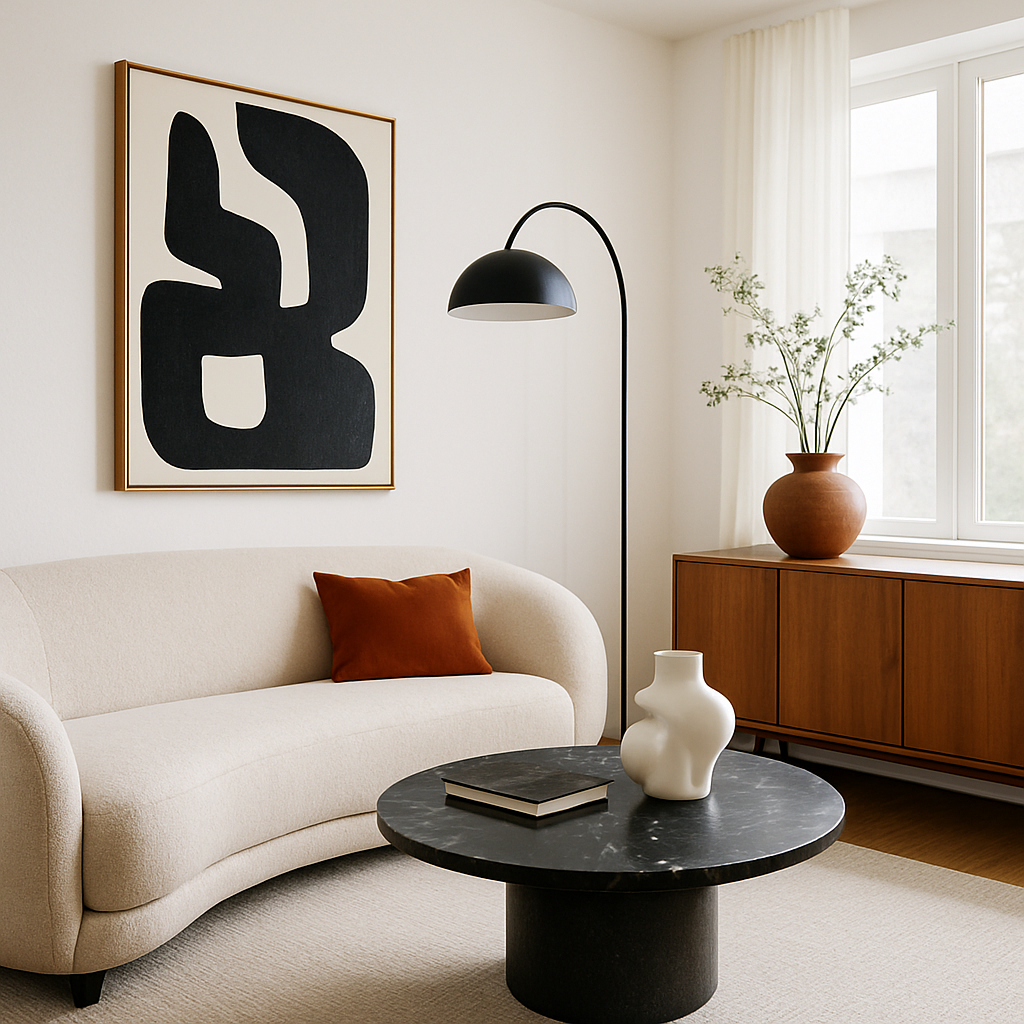
What happens when bold creative vision meets meticulous attention to material quality and spatial harmony? The answer lies in the Neil interior design philosophy, a distinctive approach that has captivated homeowners and professionals alike with its emphasis on tactile richness, organic forms, and deeply personal spaces. Named after the creative movement championed by designer and tastemaker Neil, this aesthetic bridges the gap between contemporary minimalism and maximalist warmth, creating interiors that feel simultaneously curated and effortless. According to the International Interior Design Association (IIDA), searches for Neil-inspired design concepts have surged by 62 percent among both residential clients and commercial specifiers, signaling a powerful shift in consumer preferences toward interiors that prioritize emotional resonance over rigid stylistic adherence. Whether you are planning a full home transformation or seeking fresh inspiration for a single room, these five defining trends offer a roadmap for creating spaces that feel current, compelling, and unmistakably personal. This guide breaks down each trend with actionable strategies you can implement regardless of budget or experience level.
Trend One: Sculptural Furniture as Functional Art
The first and perhaps most visually striking Neil interior design trend is the elevation of furniture from purely functional objects to sculptural art pieces that serve as focal points within a room. This trend rejects the notion that furniture should be invisible or recede into the background, instead celebrating bold silhouettes, unexpected proportions, and handcrafted details that command attention and spark conversation. A dining table with an organically shaped base carved from a single block of stone, an armchair whose curves echo the contours of natural landforms, or a bookshelf whose asymmetric geometry challenges conventional expectations of storage furniture all exemplify this sculptural sensibility. The American Society of Interior Designers (ASID) has documented growing demand for statement furniture pieces among homeowners seeking to differentiate their spaces from the mass-produced uniformity that has dominated residential interiors for decades.
What makes sculptural furniture distinctly Neil in character is the insistence that form and function remain inseparable. Unlike purely decorative art objects that occupy space without serving practical needs, Neil-inspired sculptural furniture is designed to be used, touched, and lived with daily. A coffee table with an undulating surface is not merely beautiful to look at but also comfortable to set a book upon and engaging to run your hand across. This integration of aesthetic ambition with everyday utility reflects a broader philosophy that refuses to separate art from life, insisting instead that the objects we interact with daily should enrich our sensory experience. Professional designers, many holding NCIDQ certification, note that sculptural furniture pieces often become the organizing principle around which entire room designs evolve, establishing a creative vocabulary that informs color choices, lighting strategies, and decorative accents throughout the space.
Sourcing sculptural furniture requires a departure from conventional retail channels and a willingness to explore artisan workshops, design galleries, and independent makers who produce limited-edition or one-of-a-kind pieces. While these investments can be significant, they deliver enduring value through uniqueness, craftsmanship quality, and the emotional satisfaction of owning something truly original. Have you ever considered what it would mean for your daily experience to sit in a chair that was designed as a work of art? For those working within tighter budgets, the sculptural furniture trend can be accessed through vintage markets and secondhand platforms where distinctive mid-century and postmodern pieces are available at a fraction of their original cost. A single sculptural statement piece, whether a dramatic floor lamp, an asymmetric side table, or an architecturally inspired shelving unit, can transform the character of an entire room without requiring a complete redesign of the surrounding elements.
Trend Two: Layered Earthen Color Palettes
The Neil design philosophy approaches color with a geological sensibility, drawing inspiration from the stratified layers of exposed earth, weathered stone, and sun-baked clay that characterize natural landscapes across the globe. Rather than selecting a single wall color and accenting it with neutral furnishings, this trend builds depth through multiple overlapping earth tones that create a rich, enveloping atmosphere reminiscent of an adobe dwelling, a Tuscan hillside, or a Japanese mountain retreat. Terracotta, ochre, raw sienna, burnt umber, sage, and slate layer upon one another in varying intensities, producing interiors that feel grounded, warm, and intimately connected to the natural world. AD PRO editors have highlighted this palette approach as a sophisticated alternative to the all-white minimalism that dominated residential design for the past decade.
The technique for achieving successful layered earthen palettes involves understanding the relationship between undertones and how adjacent colors influence each other's appearance. A terracotta wall beside a sage green sofa creates a different emotional effect than the same terracotta paired with a cream linen chair, even though the wall color remains identical. Neil-inspired designers approach these relationships with the deliberateness of a painter composing a canvas, testing combinations in the actual space and under the specific lighting conditions where they will be experienced. According to a survey conducted by Houzz, homeowners who adopt multi-toned earth palettes report 41 percent higher satisfaction with their color choices compared to those using monochromatic schemes, suggesting that the visual complexity of layered color creates a more emotionally engaging and satisfying environment. This is particularly true when the palette extends beyond walls to encompass flooring, furniture, textiles, and decorative objects in a continuous spectrum of related tones.
Implementing an earthen palette does not require painting every surface in a deep saturated hue. The most effective applications use darker, more intense earth tones selectively, perhaps on a single accent wall, a piece of upholstered furniture, or a collection of ceramic vessels, while maintaining lighter, softer variations of the same tonal family across larger surfaces. This balance between intensity and restraint is central to the quiet luxury aesthetic that permeates Neil design thinking, where richness is achieved through subtlety rather than spectacle. Consider beginning with a foundation of warm whites and pale clays, then introducing progressively deeper tones through accessories, textiles, and artwork that can be adjusted or replaced as your confidence and preferences evolve. What earth tones speak most strongly to you, and how might they transform the emotional landscape of your most-used rooms?
Trend Three: Biophilic Materiality and Living Surfaces
The third defining Neil trend extends biophilic design beyond the inclusion of houseplants to embrace materials and surfaces that carry the visual and tactile character of living organisms and natural processes. This trend celebrates imperfection, organic variation, and the evidence of time passing that natural materials accumulate. A limestone countertop with visible fossils, a copper fixture developing a green patina, a wooden floor darkening and mellowing with age, or a plaster wall bearing the subtle texture of hand application all embody this philosophy. The IIDA has recognized biophilic materiality as one of the most significant developments in human-centered design, publishing research showing that environments rich in natural materials and organic textures consistently reduce occupant stress levels and improve cognitive performance compared to spaces dominated by synthetic, uniform surfaces.
Living walls and moss installations represent the most literal expression of biophilic materiality, bringing actual living organisms into the architectural fabric of interior spaces. Preserved moss walls require no watering, soil, or sunlight, making them practical for virtually any interior application while delivering the visual warmth and acoustic absorption of living plant material. Living plant walls, while requiring more maintenance, introduce the dynamic quality of growth and change into interior environments, creating surfaces that evolve seasonally and respond to light conditions. These installations serve as powerful focal points that ground spaces in the natural world, reinforcing the Neil philosophy that our built environments should acknowledge and celebrate their relationship with living systems rather than pretending to exist in isolation from nature.
The Japandi influence within Neil design is particularly evident in the treatment of wood, where the grain pattern, color variation, and surface texture of natural timber are celebrated rather than concealed beneath heavy lacquers or uniform stains. Light-touch finishes such as natural oils and waxes allow wood to breathe, age, and develop character over time, creating surfaces that become more beautiful with use rather than deteriorating. This approach extends to stone, clay, and metal, where natural finishes reveal the inherent beauty of each material's geological or industrial origin. Professional designers featured on AD PRO frequently describe this material philosophy as a form of respect, honoring the natural history of materials rather than imposing artificial uniformity upon them. By choosing natural finishes and allowing materials to age gracefully, you align your home with natural processes rather than fighting against them, creating spaces that feel increasingly authentic and comfortable as time passes.
Trend Four: Intentional Negative Space and Spatial Breathing Room
In a culture that often equates fullness with value, the Neil design trend of intentional negative space offers a refreshing counterpoint that celebrates emptiness as a deliberate design element. This trend draws on Japanese spatial philosophy, where the concept of ma describes the meaningful void between objects that gives structure, emphasis, and emotional resonance to a composition. In practical terms, intentional negative space means resisting the urge to fill every surface, corner, and wall with objects, instead allowing carefully chosen pieces room to breathe and be fully appreciated. ASID research supports this approach, finding that rooms with deliberate spatial breathing room are perceived as more luxurious and calming than densely furnished spaces of equivalent or even higher monetary value.
Implementing intentional negative space requires a curatorial mindset that prioritizes selection over accumulation. Every object in a Neil-inspired interior earns its place through beauty, function, or personal significance, and nothing remains simply because a space feels empty without it. This editing process can feel uncomfortable for homeowners accustomed to filling rooms to capacity, but the results consistently justify the restraint. A single sculptural vase on an otherwise empty console table commands more visual power than a crowded arrangement of decorative objects competing for attention. A gallery wall with generous spacing between frames allows each piece of art to be appreciated individually, while a tightly packed arrangement often reduces all pieces to visual noise. The discipline of negative space forces deliberate choices about what matters most, resulting in rooms that feel intentional, serene, and deeply personal.
The interplay between negative space and the other Neil trends creates a design language of remarkable sophistication. Sculptural furniture pieces gain dramatic impact when surrounded by open floor area rather than crowded against adjacent furnishings. Layered earthen color palettes reveal their full depth and nuance when walls are not obscured by excessive decoration. Biophilic material textures become focal points worthy of contemplation when they are given sufficient visual breathing room. Do you have the courage to remove rather than add, to trust that less can genuinely deliver more? This synthesis of bold objects within generous spatial context is the hallmark of mature Neil design, producing interiors that feel both rich and restful, full of character yet free from clutter. It is a balance that requires confidence and editorial judgment, but once achieved, it creates the kind of effortless sophistication that visitors notice immediately but cannot easily explain.
Trend Five: Sensory Layering Beyond the Visual
The fifth and perhaps most innovative Neil interior design trend is the deliberate engagement of senses beyond sight, creating multi-sensory environments that immerse occupants in a complete experiential landscape. While conventional interior design focuses primarily on visual aesthetics, Neil design gives equal consideration to tactile quality, ambient sound, temperature variation, and scent, recognizing that the full experience of a space is determined by all five senses working in concert. Smart home technology enables unprecedented control over these sensory dimensions, with automated scent diffusers, acoustic management systems, and climate zone controllers allowing each room to deliver a distinct and intentional sensory experience. Houzz trend reports confirm that homeowner interest in multi-sensory design has increased substantially, with searches for acoustic treatment, scent systems, and tactile materials all trending upward across their platform.
Tactile diversity is the most accessible dimension of sensory layering and one that delivers outsized impact on how comfortable and inviting a space feels. A single room might combine the cool smoothness of a marble side table with the rough warmth of a jute rug, the soft give of a velvet cushion, and the crisp structure of a linen curtain, creating a landscape of textures that rewards physical interaction. This variety engages the haptic sense continually, making occupants more physically present and aware within their environment. Professional designers, whose expertise commands fees ranging from $150 to $500 per hour, understand that tactile quality often determines whether a client truly loves a space or merely admires it from a distance. The difference between a room that photographs well and one that feels extraordinary to inhabit frequently comes down to the quality and diversity of its textures, a distinction that no photograph can fully capture.
Acoustic design and scent curation complete the sensory palette of Neil-inspired interiors. Acoustic panels concealed behind decorative fabric, soft furnishings strategically positioned to absorb harsh reflections, and area rugs that dampen footfall noise collectively transform the sonic character of a room from echoey and harsh to warm and intimate. Scent, perhaps the most emotionally evocative of all senses, can be woven into interior design through natural materials such as cedar closet linings, beeswax candles, and dried lavender arrangements, or through technology-assisted diffusion systems that deliver precisely calibrated fragrances. The combination of thoughtful acoustic treatment and intentional scent design creates an immersive environmental experience that visitors perceive as extraordinarily welcoming, even if they cannot identify exactly what makes the space feel so special. Have you ever entered a home that immediately made you want to stay, drawn not just by what you saw but by what you heard, felt, and smelled? That invisible magnetism is the product of comprehensive sensory design, and it represents the frontier of the Neil design philosophy.
Integrating Neil Trends Into Your Existing Home
Adopting Neil interior design trends does not require a complete renovation or an unlimited budget. The most effective approach is to introduce these concepts gradually, beginning with the trend that resonates most strongly with your personal aesthetic and the room that would benefit most from transformation. If sculptural furniture appeals to you, start by replacing a single conventional piece with a statement alternative that introduces bold form into your existing arrangement. If layered earthen palettes excite your imagination, begin with accessories such as ceramic vessels, textured throws, and artwork in coordinated earth tones before committing to wall colors. This incremental approach allows you to develop confidence with each trend, learning how it interacts with your existing belongings and adjusting your direction based on lived experience rather than theoretical planning.
The Neil philosophy of intentional curation suggests that adoption should involve subtraction as well as addition. Before introducing new elements, assess your current interior with fresh eyes and identify items that no longer serve your aesthetic vision, functional needs, or emotional well-being. Removing visual clutter creates the negative space that other Neil trends require to achieve their full impact, and the editing process itself often reveals the underlying character of a space that accumulated possessions have obscured. This decluttering phase is not about minimalism for its own sake but about creating room for more meaningful objects and experiences to take center stage. NCIDQ-certified designers frequently describe the editing process as the most valuable service they provide, noting that clients are often surprised by how much more beautiful their existing spaces become when unnecessary objects are removed.
Community resources and professional guidance can accelerate your journey into Neil-inspired design while helping you avoid costly mistakes. Local design showrooms, maker markets, and artisan studios offer opportunities to experience materials and furniture in person, developing the tactile literacy that Neil design demands. Online communities on platforms like Houzz provide inspiration galleries, professional recommendations, and peer advice from homeowners who have navigated similar design transitions. For larger projects, consulting with a professional designer even for a single strategy session can provide a design framework that guides your independent decisions for months or seasons to come. What is the one room in your home that would benefit most from the warmth, texture, and intentionality that Neil design principles deliver? Start there, apply one or two of these trends, and allow the transformation to inform your approach to the rest of your living environment.
Conclusion
The five Neil interior design trends explored in this guide, sculptural furniture, layered earthen palettes, biophilic materiality, intentional negative space, and multi-sensory layering, collectively represent a design philosophy that values depth over decoration, experience over appearance, and personal meaning over trend compliance. Each trend offers a distinct pathway to creating interiors that engage the full range of human senses and emotional responses, producing spaces that feel more alive, more personal, and more genuinely comfortable than conventional approaches typically achieve. Professional organizations including ASID, IIDA, and AD PRO continue to recognize and champion these principles as defining forces in contemporary residential design, validating their relevance for homeowners seeking interiors that transcend passing fashion. The beauty of the Neil approach lies in its adaptability. These trends work across architectural styles, budget ranges, and personal aesthetics because they are rooted in universal human responses to material quality, spatial proportion, and sensory richness rather than any single visual formula. Begin with the trend that speaks most directly to your instincts, invest in quality over quantity, and trust the process of gradual transformation. Your home is waiting to become something extraordinary.
More Articles You May Like



Comments
Post a Comment