Transform Your Home: 10 Stunning Interior Design Trends for 2024
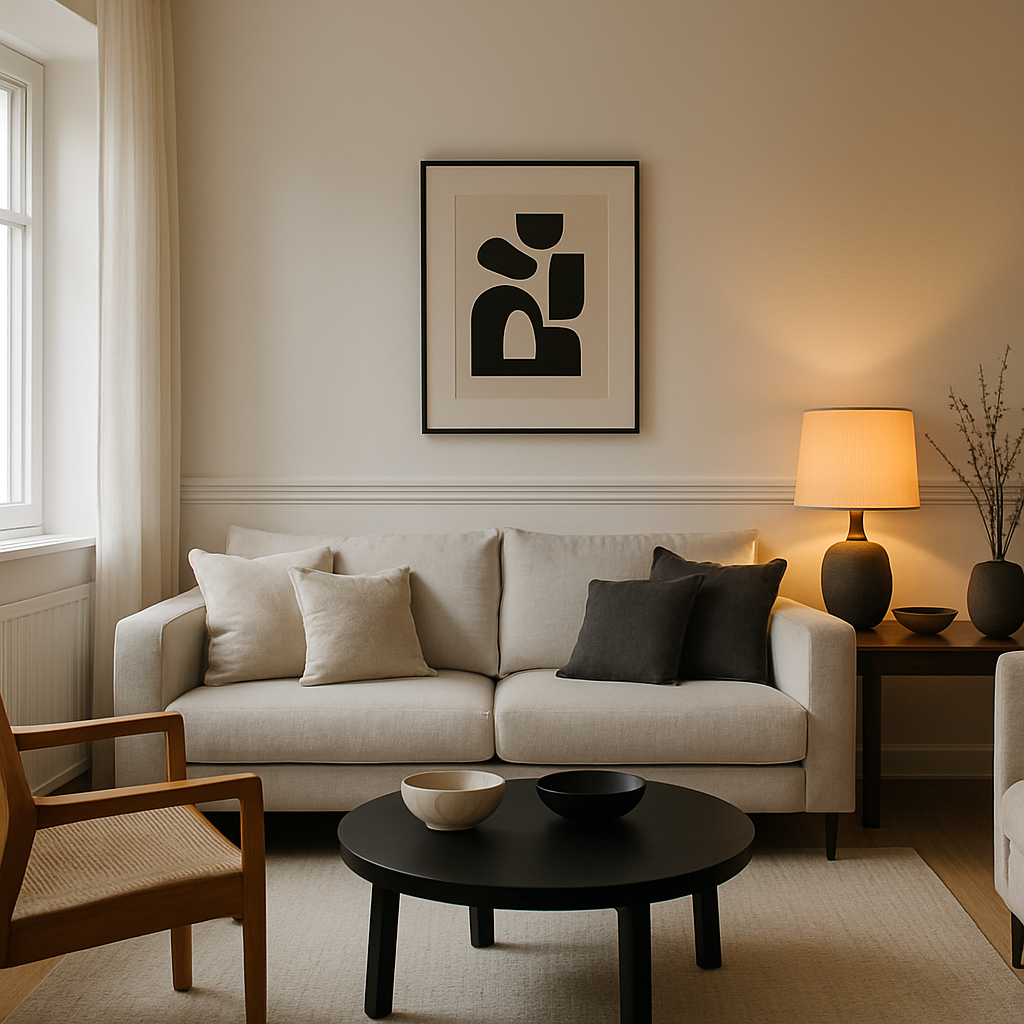
Imagine walking into a home that immediately exudes calm, sophistication, and a sense of belonging. A place where every corner has been thoughtfully designed to enhance your lifestyle. According to Houzz's annual survey, over 60% of homeowners plan to invest in significant interior upgrades this year. This surge in interest underscores the importance of keeping abreast with the latest interior design trends that not only elevate your space but also boost its market value. This article will guide you through the top 10 interior design trends for 2024, providing foundational concepts, detailed analysis, and actionable strategies to transform your living space into a stunning masterpiece. Whether you're planning a complete overhaul or a subtle refresh, these trends will ensure your home is both stylish and functional.
Embracing Biophilic Design
The concept of biophilic design has been gaining traction, especially as more people seek to bring elements of the natural world indoors. This trend focuses on incorporating natural materials, like wood and stone, as well as plants and water features, into interior spaces. The goal is to create environments that promote well-being, reduce stress, and enhance creativity. Experienced designers often note that even small elements, such as a strategically placed plant or a natural wood accent wall, can significantly impact the ambiance of a room.
Biophilic design is not just aesthetically pleasing; it also has tangible health benefits. Research has shown that environments incorporating natural elements can improve air quality and reduce pollutants. Additionally, these spaces often experience a reduction in noise levels, contributing to a more serene and productive atmosphere. According to the American Society of Interior Designers (ASID), integrating these elements can lead to a 5-15% increase in property value, making it an attractive choice for homeowners looking to invest in their spaces.
For those new to biophilic design, starting small is key. Consider adding a living wall or a vertical garden in your living room or kitchen. These installations not only purify the air but also provide a stunning visual focal point. As you grow more comfortable, you can expand your biophilic elements to other areas of your home, creating a cohesive natural theme. As we transition to the next trend, let's explore how technology is reshaping interiors.
Smart Home Integration
Incorporating smart technology into home design is no longer a futuristic concept; it has become a staple of modern living. From automated lighting systems to climate control and smart window treatments, technology is seamlessly integrating into our living spaces. The National Council for Interior Design Qualification (NCIDQ) suggests that these innovations not only enhance comfort but also significantly improve energy efficiency.
One of the most popular smart home features is the integration of voice-activated assistants. These systems can control lighting, adjust thermostats, and even play music, all with a simple voice command. According to a recent survey by Architectural Digest's AD PRO, nearly 40% of homeowners are adopting smart technologies in their renovations, reflecting the growing trend towards convenience and sustainability.
To effectively incorporate smart technology into your home, begin by assessing your lifestyle needs. Do you frequently entertain guests? Consider a smart lighting system that adjusts to different moods and occasions. Are energy savings a priority for you? Look into smart thermostats that learn your schedule and optimize heating and cooling. With technology playing a pivotal role in modern design, our next trend focuses on the understated elegance of quiet luxury.
The Rise of Quiet Luxury
Quiet luxury is all about understated elegance and sophistication without the flashy excess. This trend emphasizes high-quality materials, timeless design, and meticulous craftsmanship. It's a response to the fast-paced, ever-changing trends, offering a grounding sense of permanence and quality. Experienced professionals often note that quiet luxury is characterized by a neutral color palette, plush fabrics, and well-curated art pieces.
Incorporating quiet luxury into your home doesn't require a complete overhaul. Start by focusing on key pieces that anchor a room, such as a bespoke sofa or a handcrafted dining table. These items serve as the foundation for the rest of the decor. Additionally, tactile experiences are paramount; think soft cashmere throws, silk draperies, and natural fiber rugs that invite touch and interaction.
Quiet luxury also values sustainability and ethical sourcing, aligning with the growing demand for eco-conscious design. Opt for sustainably sourced materials and support artisans who prioritize ethical production practices. As we delve deeper into the world of sustainable design, let's explore the use of reclaimed materials in interior spaces.
Sustainable and Reclaimed Materials
The use of sustainable and reclaimed materials in interior design has surged as more homeowners prioritize environmental responsibility. This trend involves repurposing materials like reclaimed wood, recycled metals, and vintage textiles to create distinctive and eco-friendly spaces. The International Interior Design Association (IIDA) emphasizes that these materials not only reduce environmental impact but also offer unique character and history to a home.
One popular application of reclaimed materials is in flooring and cabinetry. Reclaimed wood floors, for example, provide a rustic charm and durability that new materials often lack. Additionally, recycled glass countertops are becoming more common, offering a modern aesthetic with a sustainable edge. These materials' imperfections and patinas add depth and interest, making each installation truly one-of-a-kind.
If you're considering sustainable materials, start by visiting local salvage yards or online platforms like Houzz, where you can find inspiration and connect with suppliers. Not only will you be contributing to environmental conservation, but you'll also be adding a personal touch to your home. In the next section, we will discuss the minimalist elegance of the Japandi style.
Japandi: A Fusion of Cultures
Japandi design is the harmonious blend of Japanese minimalism and Scandinavian warmth, creating spaces that are both functional and aesthetically pleasing. This trend emphasizes simplicity, natural elements, and a neutral color palette, resulting in interiors that are calm, uncluttered, and welcoming. The clean lines and understated elegance of Japandi make it a perfect choice for those seeking a serene environment.
To achieve the Japandi look, focus on a few key elements: natural materials, such as bamboo and light wood, and a restrained color palette that mainly consists of whites, greys, and earth tones. Furniture should be functional, with a focus on craftsmanship and quality. Add personal touches with carefully selected decor items, ensuring that each piece serves a purpose and adds to the overall harmony of the space.
This style not only appeals to those who appreciate minimalist design but also to those who value the emotional and psychological benefits of uncluttered environments. As we move forward, let's consider how to bring all these elements together to create a cohesive interior design plan.
Crafting a Cohesive Interior Design Plan
With so many exciting trends to explore, how do you ensure that your design choices are cohesive? The key lies in careful planning and an understanding of how each element complements the others. Start by identifying the primary style or theme that resonates with you-be it biophilic design, smart technology, or Japandi. This will serve as the foundation for your design plan.
Once you've established your theme, create a mood board using platforms like Pinterest or Houzz to visualize how different elements will come together. This step is crucial for identifying any potential clashes and ensuring that your choices align with your overall vision. Consider engaging with certified interior designers who hold NCIDQ or ASID credentials, as they can provide expert guidance and ensure your project is executed flawlessly.
Finally, remember to prioritize quality over quantity. Invest in key pieces that anchor your space and complement them with thoughtful accessories. This approach not only prevents a cluttered look but also allows each design element to shine. As you reflect on these insights, consider how you can begin incorporating these trends into your own home.
Conclusion: Your Path to a Transformed Home
Transforming your home with these stunning interior design trends for 2024 is an exciting journey. From embracing biophilic elements and sustainable materials to integrating smart technology and the Japandi style, each trend offers a unique opportunity to enhance your living space. So, where will you start? Perhaps with a small biophilic addition, like a plant wall, or by exploring smart home devices that simplify your daily routine.
To embark on this journey, begin by browsing designer portfolios on platforms like Houzz or Instagram. Even dedicating just 20 minutes to research can sharpen your eye for what resonates with you. As you explore, keep in mind the overarching theme that speaks to you, and let that guide your choices.
Remember, the goal is not only to follow trends but to create a home that reflects your personal style and enhances your quality of life. Start small, think big, and watch as your home transforms into a stunning reflection of your vision. Happy designing!



Comments
Post a Comment