Discover Innovative Free Interior Design Courses to Elevate Your Home Style
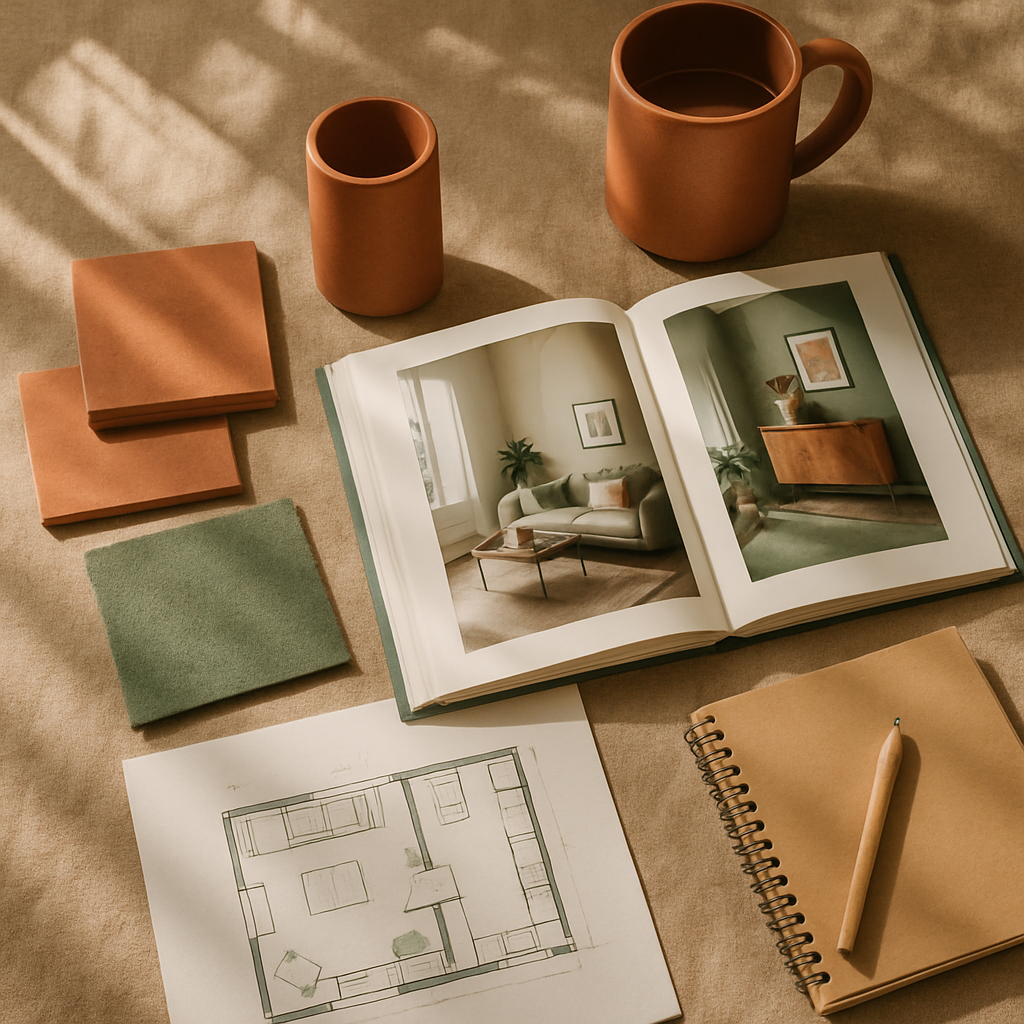
Have you ever walked into a room and felt instantly at home, without being able to pinpoint why? That seamless harmony is often the result of expert interior design. While hiring a professional designer can be costly, there are innovative ways to cultivate your own design skills without breaking the bank. Free online interior design courses offer a unique opportunity to enhance your home style, understand design principles, and implement them effectively. In this article, we explore foundational concepts, analyze market data, provide actionable strategies, and delve into expert-level details to guide your learning journey.
Understanding the Basics of Interior Design
Before diving into the world of free interior design courses, it's crucial to grasp the foundational concepts that drive this creative field. Interior design is more than just aesthetics; it's about creating functional spaces that cater to the needs of those who inhabit them. This involves understanding balance, harmony, and color theory, which are essential components of any design project. For example, balance can be achieved through symmetrical or asymmetrical arrangements, while harmony ensures that all elements within a space complement each other.
Color theory plays a significant role in setting the mood of a space. It involves the strategic use of colors to evoke emotions and create a cohesive look. Warm colors like red and orange can make a room feel cozy and inviting, whereas cool colors such as blue and green can induce calmness. Understanding these principles is vital, as they form the foundation upon which more complex design decisions are made.
Furthermore, space planning is a crucial aspect of interior design, focusing on the practical arrangement of furniture and decor. This involves considering the flow of movement within a room and ensuring that there is enough space for comfort and functionality. Engaging with these basic principles will set the stage for more advanced learning as you progress through various courses.
Diving Deeper with Design Trends and Data
The world of interior design is ever-evolving, driven by trends and consumer preferences. According to Houzz's annual survey, homeowners are increasingly investing in biophilic design, which incorporates natural materials and indoor-outdoor flow. This trend not only enhances aesthetic appeal but also promotes well-being and connection to nature. As you delve into free courses, understanding these trends and their data-backed benefits can significantly elevate your design approach.
Moreover, industry surveys suggest that incorporating smart home technology into design projects is becoming a norm. Lighting automation, climate control, and even automated window treatments are features that many designers now integrate into their plans. These technologies not only add convenience but also increase the home's energy efficiency, aligning with the growing emphasis on sustainable living. Free courses that cover these innovations can provide you with a competitive edge in your design endeavors.
In terms of financial impact, well-designed interiors have been shown to yield a 5-15% higher resale value. This data highlights the economic benefits of investing in design skills, whether for personal enjoyment or potential property sales. By understanding current trends and their implications, you can make informed decisions that enhance both the aesthetic and financial value of your home.
Strategies for Maximizing Free Course Offerings
Maximizing the benefits of free interior design courses requires a strategic approach. Start by identifying your learning objectives-do you want to focus on color theory, space planning, or the latest design trends? Selecting courses that align with your goals ensures a more targeted learning experience. Websites like Coursera and edX offer a variety of free modules from reputable institutions, making them excellent starting points.
Another effective strategy is to supplement course content with real-world applications. As you learn, apply new concepts to your own living space. For instance, if a course covers Japandi design-an elegant fusion of Japanese minimalism and Scandinavian warmth-experiment with these elements in a room of your choice. This hands-on approach solidifies your understanding and allows you to see the impact of different styles firsthand.
Additionally, connect with online communities such as Houzz or the IIDA (International Interior Design Association) forums. These platforms are rich with insights from both budding designers and seasoned professionals. Engaging in discussions, sharing your projects, and receiving feedback can significantly enhance your learning experience. Remember, learning is not just about absorbing information but also about interacting with others in the field.
Expert-Level Insights for Advanced Learning
As you progress in your interior design education, tapping into expert-level insights can elevate your skills to new heights. Experienced professionals often note that a deep understanding of materials is crucial for advanced design work. For example, knowing the difference between sustainable and non-sustainable materials can guide your choices in creating eco-friendly designs. Courses that offer detailed modules on material selection can be invaluable.
Moreover, leveraging technology like AR/VR room visualization tools, now commonly used by designers, allows for immersive planning experiences. These tools enable you to visualize how different elements will look in a space before making any physical changes, reducing the risk of costly mistakes. Free courses that introduce these technologies can provide a significant advantage in your design toolkit.
Furthermore, consider pursuing courses that offer insights into client-designer relationships and project management. Understanding how to communicate effectively with clients, manage expectations, and adhere to project timelines are skills that distinguish amateur designers from professionals. By integrating these advanced insights into your learning, you can better prepare for real-world design challenges.
Expanding Your Knowledge with Additional Resources
In addition to free courses, exploring complementary resources can broaden your interior design expertise. Architectural Digest's AD PRO network provides access to exclusive content, industry news, and expert interviews. Subscribing to such platforms keeps you informed about the latest trends and innovative practices in the design world.
The NCIDQ (National Council for Interior Design Qualification) offers resources for those considering formal certification. While free courses are a great way to start, obtaining a credential like the NCIDQ can open doors to professional opportunities and enhance your credibility in the field. Information on the certification process and study materials are available on their website.
Additionally, platforms like Pinterest and Instagram are treasure troves of visual inspiration. Following designers and exploring curated boards can provide fresh ideas and help refine your personal style. These visual resources, combined with theoretical knowledge from courses, create a well-rounded foundation for your design journey. As you continue to explore these resources, you'll find your confidence and creativity growing.
Final Perspectives on Pursuing Interior Design Education
Embarking on the path of free interior design education offers a myriad of benefits and opportunities. From foundational concepts to advanced insights, these courses provide a comprehensive understanding of what it takes to create beautiful and practical spaces. As you integrate these learnings into your projects, you'll see a transformation not only in your home but also in your design capabilities.
However, it's essential to remember that learning is an ongoing process. The world of interior design is dynamic, with new trends and technologies constantly emerging. Staying updated and continually expanding your knowledge will ensure that your skills remain relevant and impactful. Are you ready to take your design skills to the next level?
Ultimately, the journey of interior design education is one of exploration and creativity. By leveraging free courses, engaging with the community, and utilizing additional resources, you can achieve a level of expertise that enhances your home and enriches your life.
Conclusion
In conclusion, free interior design courses are a valuable resource for anyone looking to elevate their home style. By understanding foundational principles, staying informed on industry trends, and applying expert strategies, you can transform your living space into a harmonious and functional haven. As you embark on this educational journey, remember to engage with online communities and explore additional resources for continuous growth. Start by browsing platforms like Coursera and Houzz this week-just 20 minutes of research can lay the groundwork for your design transformation. What's your next step in enhancing your interior design skills?



Comments
Post a Comment