The Interior Design Handbook: Key Principles for a Stylish Home Makeover
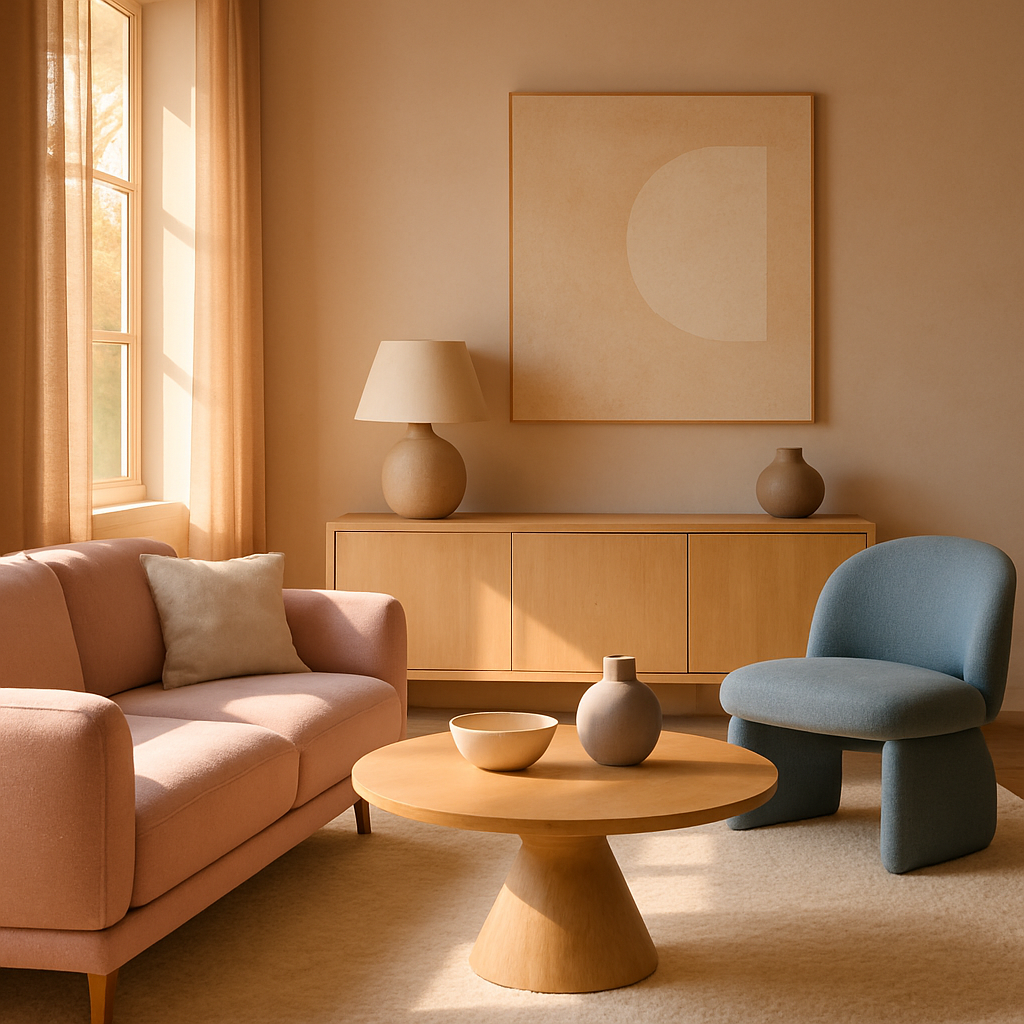
A stylish home makeover does not begin with demolition or a trip to the furniture store. It begins with understanding the principles that make some spaces feel effortlessly elegant while others, despite significant investment, never quite achieve the cohesion their owners hoped for. The distinction between amateur decorating and professional interior design lies in a systematic application of principles that govern how humans perceive and respond to built environments. These principles are not subjective opinions or passing fashions; they are evidence-based frameworks refined through decades of professional practice and academic research. This handbook presents the key principles that will transform your approach to home design, moving you from reactive decision-making to intentional curation. Whether you are drawn to the warm minimalism of Japandi aesthetics, the understated sophistication of quiet luxury, or the technological integration of smart home living, these principles apply universally across styles and budgets. Understanding them gives you the vocabulary to articulate what you want, the criteria to evaluate what you see, and the confidence to make design decisions that endure. Your stylish home makeover starts here, with knowledge that empowers action.
The Principle of Intentional Restraint
The most transformative principle in interior design is also the most counterintuitive: restraint produces more impact than abundance. The urge to fill every surface, cover every wall, and furnish every corner is understandable but misguided. Professional designers understand that empty space is not wasted space but a deliberate compositional element that gives the eye places to rest and allows featured objects to command attention. The quiet luxury movement exemplifies this principle, creating interiors where every item earns its place through quality, meaning, or functional purpose rather than through the simple imperative to fill a void. A single exceptional sculpture on an otherwise empty console table makes a stronger statement than a crowded arrangement of mediocre decorative objects.
The American Society of Interior Designers (ASID) identifies intentional restraint as a hallmark of mature design practice. Experienced designers often remove items from a room during the styling process, recognizing that what you leave out defines a space as powerfully as what you include. This subtractive approach is central to Japandi aesthetics, where the Japanese concept of ma, meaning the meaningful use of negative space, merges with Scandinavian functionalism to produce environments of extraordinary calm. Each object in a Japandi-inspired room is selected not to fill a gap but to contribute a specific quality, whether visual, tactile, or functional, to the overall composition.
Applying intentional restraint to your own home begins with an honest assessment of what you currently own and display. Remove everything from a single room, then reintroduce items one at a time, evaluating each addition's contribution to the room's character and function. Items that do not strengthen the composition should not return. This editing process is uncomfortable because it challenges sentimental attachments and habitual arrangements, but the clarity it produces is revelatory. Professional designers charge $150-500/hr in part because they bring this disciplined eye to spaces where emotional attachment prevents owners from seeing clearly. Can you identify three items in your living room that occupy space without contributing meaningfully to the room's design?
Rhythm and Repetition: Creating Visual Flow
Rhythm in interior design functions similarly to rhythm in music: it creates patterns that guide the observer's experience through a space. Professional designers create rhythm through the deliberate repetition of visual elements, including color, shape, material, and pattern, at intervals that establish a sense of order without rigidity. A circular mirror above a fireplace echoed by a round coffee table and cylindrical pendant lights creates a rhythmic motif that unifies the room through geometric repetition. This visual coherence communicates intentionality, the sense that every element was chosen as part of a considered whole rather than accumulated randomly.
The National Council for Interior Design Qualification (NCIDQ) includes spatial rhythm among the design fundamentals assessed in professional certification examinations, recognizing its importance in creating successful interiors. Rhythm can be achieved through several mechanisms: repetition of identical elements at regular intervals, progression of elements that gradually change in size or color intensity, alternation between two contrasting elements, and transition through curved or flowing lines that guide the eye. Each mechanism produces a different emotional quality. Regular repetition feels orderly and classical. Progression feels dynamic and directional. Alternation feels energetic. Transition feels smooth and natural. Skilled designers combine multiple rhythmic mechanisms within a single room to create layered compositions that reward prolonged observation.
Implementing rhythm in your home makeover involves identifying opportunities for meaningful repetition in your existing spaces. Perhaps a particular shade of brass appears in your lighting fixtures; extending that material to hardware, frame finishes, and accent objects creates a rhythmic thread that weaves through the room. A specific curved profile in your sofa arms might find an echo in the arch of a mirror frame or the sweep of a table base. These connections need not be obvious; subtle rhythmic relationships that reveal themselves gradually create the most sophisticated interiors. Houzz editorial selections frequently highlight rooms where rhythmic coherence elevates the design from a collection of nice things into a unified spatial experience. The viewer senses the harmony even before consciously identifying the specific repetitions that create it.
Contrast and Tension: The Energy of Good Design
While harmony and cohesion are essential, the most compelling interiors also contain elements of carefully managed contrast that prevent spaces from feeling predictable or bland. Contrast introduces visual energy and intellectual interest, prompting the observer to notice and appreciate individual elements within the overall composition. The juxtaposition of rough and smooth textures, dark and light tones, organic and geometric forms, or antique and contemporary objects creates the dynamic tension that keeps a room visually engaging over time. Interiors designed entirely without contrast risk monotony, no matter how refined each individual element may be.
The International Interior Design Association (IIDA) recognizes the skillful use of contrast as a distinguishing characteristic of accomplished design work. Consider the impact of a rough-hewn reclaimed wood dining table paired with sleek, contemporary dining chairs. The textural and stylistic contrast between these elements creates a conversation that neither could generate alone. Similarly, a deep charcoal accent wall in an otherwise light, neutral room produces a focal point that anchors the space and gives the softer tones around it greater visual importance. The key is that contrast must be intentional and limited; too many contrasting elements competing simultaneously create chaos rather than energy.
Managing the balance between harmony and contrast is one of the most sophisticated skills in interior design, and it separates good rooms from great ones. A useful guideline is the 80/20 principle: approximately eighty percent of a room's elements should harmonize, establishing the dominant character and mood, while approximately twenty percent should contrast, providing the visual punctuation that makes the room memorable. This ratio ensures that contrast serves the composition rather than overwhelming it. In a quiet luxury interior, the contrasting twenty percent might be a single bold artwork, a deeply colored velvet cushion, or an unexpectedly industrial light fixture. In a Japandi space, it might be a rough ceramic vessel against perfectly smooth surfaces. How do you currently use contrast in your home, and could a more deliberate approach create rooms that feel more alive?
The Art of Focal Points and Visual Hierarchy
Every well-designed room has a clear focal point, a primary element that draws the eye first and orients the observer's understanding of the space. The focal point might be architectural, such as a fireplace or a dramatic window, or it might be created through furniture placement, artwork, or lighting emphasis. Without a defined focal point, the eye wanders without finding a satisfying landing place, producing the vaguely unsettled feeling that plaguesrooms designed without this organizing principle. Professional designers establish the focal point early in the design process, then arrange all other elements in hierarchical relationship to it.
Visual hierarchy extends beyond the primary focal point to encompass a secondary and tertiary level of visual interest that guides the eye through the room in a deliberate sequence. After the focal point captures initial attention, secondary elements should draw the gaze to other areas of interest, creating a visual journey that reveals the room's full composition over time. AD PRO regularly features rooms where this hierarchical composition is executed with particular skill, noting how the designer's control of visual priority creates an experience that feels both exciting and restful. This compositional discipline derives from the same principles that painters use to direct the viewer's eye through a canvas, adapted for three-dimensional interior spaces.
Creating a focal point in your own home may require rethinking how you have arranged furniture and accessories around existing architectural features. A fireplace that shares visual prominence equally with a television, a large window, and an oversized bookcase creates competing focal points that fragment attention. Choosing one element as the primary focus and subordinating others through scale adjustment, color de-emphasis, or repositioning resolves this competition and produces a room that feels immediately more composed. ASID design principles suggest that the focal point should be visible from the room's primary entry point, creating an immediate visual welcome that draws occupants into the space. If your most impressive design element is hidden from the doorway, you may be missing an opportunity to make the strongest possible first impression.
Material Authenticity and the Sensory Experience
The materials you select for your home makeover communicate volumes about your design values, whether you intend them to or not. Authentic materials, those that present themselves honestly rather than imitating something else, carry a credibility that imitations cannot replicate regardless of how convincing they appear visually. Solid wood that develops a patina with age, natural stone with its inherent veining and color variation, genuine leather that softens and conforms over time, and handwoven textiles with subtle irregularities all communicate authenticity that enriches the sensory experience of a space. The biophilic design movement strongly endorses material authenticity, recognizing that our evolutionary heritage equips us to distinguish genuine natural materials from synthetic approximations at a subconscious level.
Material selection also determines the acoustic character of a room, an often-overlooked dimension of interior design that significantly impacts comfort. Hard surfaces such as stone, glass, and tile reflect sound, creating bright, reverberant acoustics that feel energizing in social spaces but can become fatiguing in rooms where quiet concentration is needed. Soft surfaces such as upholstered furniture, carpets, curtains, and acoustic panels absorb sound, creating the hushed, intimate quality associated with high-end residential and hospitality interiors. Studies in architectural acoustics demonstrate that the balance of absorptive and reflective surfaces within a room measurably affects occupant stress levels, concentration ability, and conversational comfort. Professional designers consider acoustics as part of their material specification process, a practice that distinguishes comprehensive design services from purely visual decorating.
The tactile dimension of material selection deserves explicit attention because we interact with our interiors through touch as much as through sight. The surfaces you touch most frequently, door handles, light switches, countertops, upholstery, and flooring, have the greatest impact on your daily sensory experience. Selecting materials that feel pleasurable under hand and foot elevates the quality of everyday interactions in ways that purely visual improvements cannot match. The NCIDQ examination includes material specification as a major competency area, recognizing that understanding the physical properties, performance characteristics, and sensory qualities of materials is fundamental to professional design practice. Investing in superior materials for high-touch surfaces delivers disproportionate returns in daily satisfaction, even when budget constraints require more economical choices for less frequently touched elements.
Personalization: Making Design Principles Your Own
The ultimate purpose of understanding design principles is not to replicate magazine interiors but to develop the skill and confidence necessary to create spaces that authentically reflect your unique personality, interests, and lifestyle. Principles provide the structural framework; personalization provides the soul. A room that perfectly executes every design principle but lacks personal character feels like a showroom rather than a home. Conversely, a space filled with personally meaningful objects but lacking design structure feels chaotic despite its emotional significance. The intersection of principle and personality is where truly exceptional interiors emerge.
Personalizing within a principled framework involves curating collections, displaying artwork, and selecting furnishings that tell your story while respecting the design principles that ensure visual coherence. Travel souvenirs, family heirlooms, collected artworks, and cherished books all bring biographical depth to an interior when they are thoughtfully integrated rather than randomly scattered. The key is applying the same principles of scale, rhythm, contrast, and focal point that govern the larger composition to the arrangement of personal objects. Houzz surveys consistently indicate that homeowners rate personal meaning as the most important quality of their favorite rooms, above any specific style or trend, reinforcing the primacy of personalization within good design.
Your stylish home makeover should ultimately produce spaces that feel inevitable, as though they could not belong to anyone else. This quality of specificity, of rooms that are unmistakably yours, distinguishes homes with genuine character from those that merely follow current trends. Professional designers achieve this by investing significant time in understanding their clients' values, preferences, and daily rituals before making any design decisions. You can apply this same approach to your own home by reflecting on what genuinely matters to you rather than defaulting to what is currently fashionable. The principles outlined in this handbook ensure that your personal vision is expressed with sophistication and coherence, but the vision itself must come from within. What story do you want your home to tell, and do your current spaces tell that story effectively?
Conclusion
A stylish home makeover grounded in enduring design principles produces results that transcend fleeting trends and provide lasting satisfaction. The principles explored in this handbook, from intentional restraint and rhythmic repetition to contrast management, focal point creation, material authenticity, and meaningful personalization, constitute the professional designer's essential toolkit. Organizations such as ASID, NCIDQ, and IIDA have validated these principles through research and professional practice, establishing them as the foundation of design excellence. Whether you gravitate toward the serene minimalism of Japandi, the understated sophistication of quiet luxury, or the nature-connected warmth of biophilic design, these principles adapt to support your chosen aesthetic while ensuring that the underlying composition is structurally sound. Your home is more than a shelter; it is a daily environment that shapes your mood, supports your activities, and expresses your identity. Applying these key principles with intention and consistency transforms that environment from adequate to exceptional. Begin with the principle that resonates most strongly, apply it to one room with full commitment, and let the transformation inspire your next step forward.
More Articles You May Like



Comments
Post a Comment