How to Choose the Best Interior Design Company for Your Dream Home
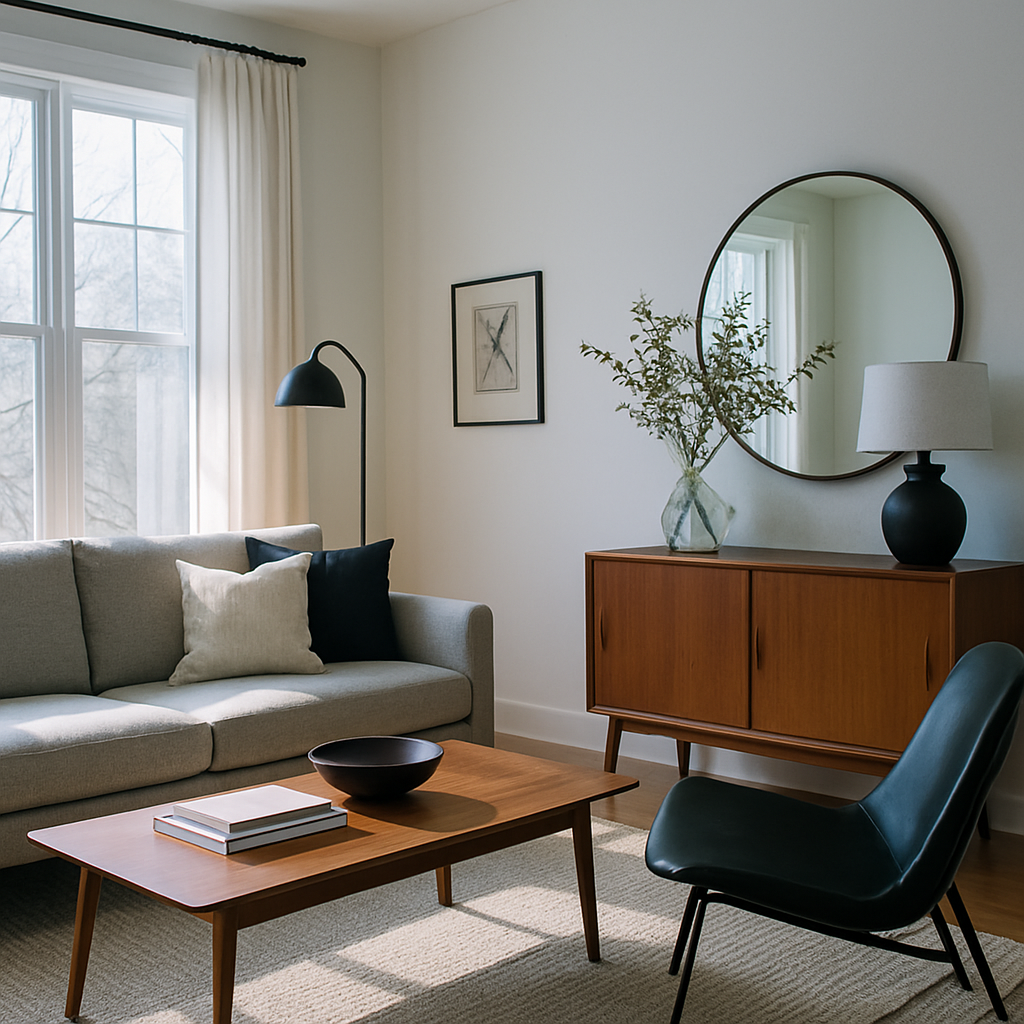
Imagine walking into your home and feeling an immediate sense of tranquility and joy. Achieving this vision requires more than just a keen eye; it demands the expertise of a skilled interior design company. According to the American Society of Interior Designers (ASID), well-designed interiors can increase a home's resale value by up to 15%. But how do you select the right team to transform your living space into your dream home? In this article, we will explore essential concepts, provide data-driven insights, and offer actionable strategies to help you choose the best interior design company for your needs.
Understanding Interior Design Credentials
When embarking on your interior design journey, understanding the credentials of potential designers is fundamental. Certified interior designers, such as those holding the NCIDQ (National Council for Interior Design Qualification) credential, have demonstrated a high level of expertise and commitment to their craft. In contrast, decorators may lack formal certification, focusing more on aesthetics without the technical training. Credentials like NCIDQ, ASID, and IIDA (International Interior Design Association) are indicators of rigorous training and adherence to industry standards.
Credentials are not the only factor to consider. Experienced professionals often note that a designer's portfolio speaks volumes about their style and capability. Platforms like Houzz offer a wealth of designer portfolios and project photos, allowing you to assess previous work and gauge alignment with your vision. Do the designs resonate with your aesthetic preferences? Are the projects varied, showcasing versatility and creativity?
Furthermore, understanding the fee structures commonly used in the industry is vital. Interior designers may charge a flat fee, hourly rate, or a percentage of the total project cost. According to Houzz's annual survey, hourly rates typically range from $150 to $500, while project fees can span 10-25% of the total cost. Knowing these details upfront helps you plan your budget and avoid unexpected expenses. As you delve deeper into your search, keep these foundational elements in mind to ensure a successful partnership.
Evaluating Design Company Portfolios
Once you've familiarized yourself with the credentials, the next step is to evaluate design company portfolios. A comprehensive portfolio offers invaluable insights into a company's design philosophy and execution capabilities. Houzz, a leading platform in the design industry, provides access to an array of portfolios that can help you visualize potential outcomes for your home. Consider how each company incorporates trends such as biophilic design or Japandi, which are gaining popularity in 2026.
Look for diversity in the portfolio. Does the company have experience across various styles and project sizes? For instance, a well-rounded portfolio might include everything from minimalist urban apartments to lavish suburban homes. Such diversity indicates adaptability and a broad skill set, allowing the company to tailor solutions to your specific needs. Additionally, pay attention to the use of sustainable materials, which are increasingly important to environmentally conscious homeowners.
Data from Architectural Digest's AD PRO network suggests that companies with a strong online presence, including positive client testimonials, are often more reliable. Reviews provide a glimpse into the client experience, highlighting strengths such as communication, problem-solving, and project management skills. Does the company consistently meet deadlines and stay within budget? These are critical factors that can significantly impact the success of your project. With a clear understanding of what to look for, you're better equipped to make an informed decision.
Conducting Interviews with Potential Designers
Interviews are a crucial component of the selection process, providing an opportunity to assess the designer's approach and compatibility with your vision. Start by preparing a list of questions that address both their creative process and business practices. How do they handle project timelines and budgets? What strategies do they employ to overcome design challenges? These questions can help you gauge their professionalism and expertise.
During the interview, experienced professionals often note the importance of observing the designer's communication style. Are they listening to your ideas and concerns, or do they dominate the conversation with their own opinions? Effective communication is essential for a successful collaboration, ensuring that your needs and preferences are prioritized throughout the project. Additionally, ask about their experience with smart home integration and other modern technologies, which are becoming increasingly prevalent in today's designs.
Another key aspect to inquire about is the designer's process from concept development to installation. Understanding each phase of the project will give you a clearer picture of what to expect and how involved you'll need to be. This knowledge also helps set realistic expectations, minimizing potential misunderstandings and ensuring a smoother overall experience. As you conclude your interviews, you'll likely have a strong sense of which designer aligns best with your vision and needs.
Exploring Fee Structures and Contracts
Understanding the financial aspect of working with an interior design company is critical to ensuring a transparent and stress-free project. As previously mentioned, designers may charge a flat fee, hourly rate, or percentage of the total project cost. Each structure has its own implications, and selecting the right one depends on your budget and project scope. For example, a flat fee might be suitable for a single-room redesign, while a percentage-based fee could be more appropriate for a full-home transformation.
Before signing a contract, ensure that all terms are clearly outlined, including the scope of work, payment schedule, and any additional costs such as procurement markups on furniture. According to industry standards, procurement fees can range from 10-25% of the cost of goods. Clear communication and understanding of these details help prevent future disputes and financial surprises, allowing you to focus on the creative aspects of the project.
Experienced professionals often emphasize the importance of including a timeline in the contract, detailing key milestones and completion dates. This not only keeps the project on track but also provides a framework for accountability. By thoroughly reviewing the contract and discussing any concerns with the designer, you ensure a solid foundation for a successful partnership. As you navigate these financial considerations, you'll gain confidence in your choice and be better prepared for the design journey ahead.
Building a Collaborative Relationship
Once you've selected an interior design company, fostering a collaborative relationship is vital to achieving your dream home. Begin by establishing open lines of communication, ensuring that both parties feel comfortable sharing ideas and feedback. Regular updates and meetings help maintain alignment and address any issues promptly, preventing them from escalating into larger problems.
Consider creating a shared vision board, using platforms like Pinterest or Instagram to collect inspiration and reference points. This visual aid can serve as a constant reminder of your goals and preferences, guiding the design process and ensuring that all decisions reflect your personal style. Does the designer encourage your input and adapt their approach accordingly? A collaborative relationship is built on mutual respect and trust, allowing for a more enjoyable and rewarding experience.
As the project progresses, celebrate milestones and accomplishments together. Acknowledge the designer's efforts and express gratitude for their hard work and dedication. This positive reinforcement fosters a sense of partnership and motivates the team to continue delivering exceptional results. With a strong foundation of collaboration, you're well on your way to creating a home that truly reflects your personality and lifestyle.
Final Thoughts on Choosing the Right Design Company
Choosing the best interior design company for your dream home is a multifaceted process that requires careful consideration and due diligence. By understanding credentials, evaluating portfolios, conducting interviews, and exploring fee structures, you gain the insights needed to make an informed decision. Remember, the right designer will not only enhance your living space but also elevate your overall quality of life.
As you embark on this exciting journey, reflect on your priorities and goals. What aspects of your home are most important to you? How do you envision your space evolving over time? These questions guide your decision-making process, ensuring that your chosen design company aligns with your vision and aspirations. With the right team by your side, your dream home is within reach.
In summary, the path to selecting the best interior design company involves understanding essential concepts, evaluating portfolios, conducting thorough interviews, and establishing clear financial agreements. Start by browsing portfolios on platforms like Houzz this week - even 20 minutes of research will sharpen your eye for what you want. With these strategies, you're well-equipped to transform your living space into a sanctuary that reflects your unique style and personality.


Comments
Post a Comment