Maximize Functionality: Essential Tips for Modern Kitchen Interior Design
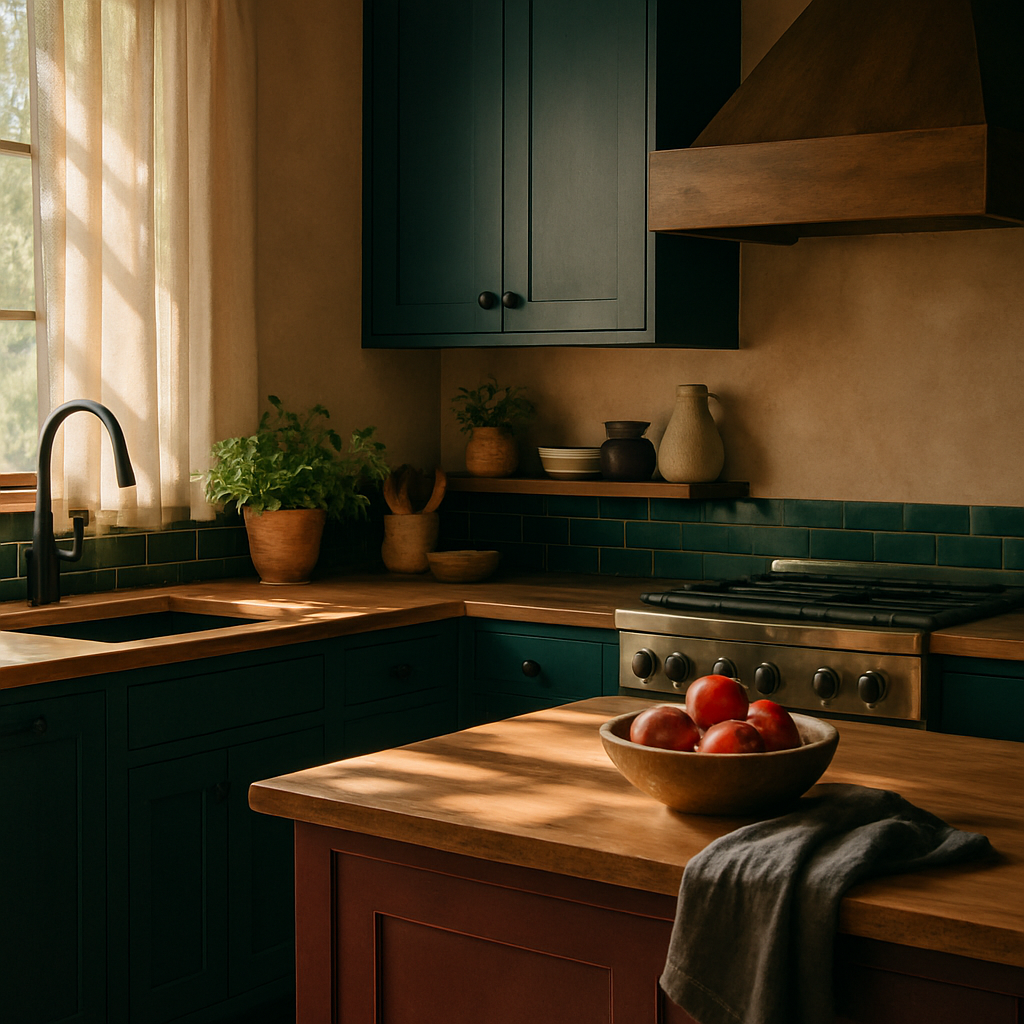
Have you ever walked into a kitchen and felt an overwhelming sense of ease and efficiency? This is often the result of intentional design choices that prioritize functionality without sacrificing style. According to the National Kitchen & Bath Association (NKBA), functional kitchens are a top priority for 93% of homeowners planning kitchen renovations. In this article, we'll explore the foundational concepts of modern kitchen interior design, delve into insightful analysis with supporting data, and provide expert-level strategies to help you maximize the functionality of your kitchen. From understanding the essentials of layout planning to integrating smart technology, we'll guide you through creating a kitchen that serves both your aesthetic desires and practical needs.
Understanding the Essentials of Kitchen Layouts
When it comes to maximizing the functionality of your kitchen, the layout is paramount. The classic work triangle concept, which connects the sink, stove, and refrigerator, remains a staple in kitchen design due to its efficiency. By keeping these key areas within a reasonable distance, you ensure a smooth workflow. Professional designers often recommend keeping each leg of the triangle between 4 to 9 feet to maintain balance between accessibility and space.
Beyond the triangle, today's kitchens often incorporate zones for specific tasks like food prep, cooking, and cleanup. This zoning approach, championed by the American Society of Interior Designers (ASID), allows for multiple users to operate within the space simultaneously without interference. Consider how you use your kitchen daily and plan zones that facilitate those activities, such as a dedicated baking station or a coffee bar.
Another crucial aspect of layout planning is storage. The National Association of Home Builders (NAHB) states that insufficient storage is a common complaint among homeowners. Incorporating ample cabinetry, pull-out shelves, and clever pantry solutions can dramatically increase your kitchen's functionality. Evaluating your current storage needs and planning for future growth will keep your kitchen organized and efficient as your lifestyle evolves.
Incorporating Data-Driven Design Decisions
Designing a kitchen that truly meets your needs involves making informed decisions backed by data. According to Houzz's annual survey, 76% of homeowners prioritize new appliances when renovating their kitchens. This highlights the importance of selecting energy-efficient models that not only reduce utility bills but also enhance the overall functionality of the space. Advanced appliances with smart technology can automate tasks, improve food preservation, and even offer recipe suggestions.
Lighting is another area where data can guide design choices. The Illuminating Engineering Society (IES) recommends a mix of ambient, task, and accent lighting to create a balanced environment. For instance, under-cabinet lighting improves visibility during food preparation, while pendant lights over an island add both style and functionality. Consider the brightness and color temperature of bulbs, as they can significantly impact the room's ambiance and your comfort level.
Flooring materials also play a significant role in kitchen functionality. The Houzz survey indicates that 42% of homeowners choose to upgrade their floors during kitchen renovations. Opt for durable, easy-to-clean surfaces like ceramic tile or luxury vinyl that can withstand the demands of a busy kitchen. By making data-informed decisions, you can ensure each element of your kitchen contributes to a cohesive and highly functional space.
Actionable Strategies for Enhancing Kitchen Functionality
Ready to transform your kitchen into a model of efficiency? Start by re-evaluating your storage solutions. Utilize vertical space with tall cabinets and open shelving to keep essentials within easy reach. Experienced professionals often note that incorporating deep drawers in lower cabinets can significantly improve accessibility, allowing you to store larger pots and pans with ease.
Another strategy is to streamline your countertop usage. Keep surfaces clutter-free by installing a pull-out trash bin and integrating cutting boards into your countertop design. This not only frees up space but also speeds up meal preparation. Additionally, consider investing in multi-functional furniture like a kitchen island with built-in storage or seating, which can serve as both a workspace and a social hub.
Technology integration is a game-changer for modern kitchens. Smart home systems, such as automated lighting controls and voice-activated assistants, can simplify daily tasks and enhance the cooking experience. Whether it's adjusting the lights or preheating the oven from your smartphone, these innovations bring a new level of convenience to your kitchen routine. How are you currently using technology in your kitchen, and could it be optimized further?
Expert Insights into Maximizing Space
Professionals in the field of interior design stress the importance of maximizing every inch of space, particularly in small kitchens. The concept of biophilic design, which incorporates natural elements, can make a kitchen feel more spacious and inviting. Consider adding a window herb garden or using natural materials like wood and stone to create a warm, organic atmosphere.
Japandi style, a blend of Japanese minimalism and Scandinavian functionality, is another trend gaining traction in 2026. This style emphasizes simplicity, clean lines, and a neutral color palette, which can transform even the smallest kitchen into a serene, efficient space. By eliminating unnecessary décor and focusing on quality over quantity, you can achieve a clutter-free environment that promotes both functionality and tranquility.
Moreover, experienced designers often utilize AR/VR tools to visualize potential changes before they are made. These technologies allow you to "walk through" your new kitchen design and make adjustments in real-time, ensuring the final result meets your expectations. Have you considered using these tools to plan your kitchen redesign? They could be instrumental in avoiding costly mistakes and ensuring satisfaction with the final layout.
Delving Deeper into Sustainable Design Practices
As environmental consciousness grows, integrating sustainable practices into kitchen design has become increasingly important. The International Interior Design Association (IIDA) highlights the significance of using sustainable and reclaimed materials to minimize environmental impact. From recycled glass countertops to bamboo flooring, these options not only contribute to a healthier planet but also add unique character to your kitchen.
Energy efficiency is another critical component of sustainable kitchen design. Invest in Energy Star-rated appliances that consume less power and water, reducing your household's carbon footprint. Additionally, consider installing a water filtration system to decrease reliance on bottled water and promote healthier living.
The concept of quiet luxury, which emphasizes understated elegance and high-quality materials, aligns well with sustainable design. By choosing durable, timeless pieces, you can reduce waste and ensure your kitchen remains stylish for years to come. How might you incorporate sustainability into your kitchen design? Small changes can make a big difference in both environmental impact and overall kitchen functionality.
Bringing It All Together: Final Perspectives
Maximizing functionality in your modern kitchen is a multifaceted endeavor that requires careful planning and thoughtful design choices. By understanding essential layout principles, making data-driven decisions, and incorporating actionable strategies, you can create a space that meets both your practical needs and aesthetic preferences. Remember to consider expert insights on maximizing space and integrating sustainable practices to further enhance your kitchen's efficiency and appeal.
Ultimately, the key to a successful kitchen redesign lies in balancing form and function. Each decision, from selecting appliances to choosing color schemes, should contribute to a cohesive environment that supports your lifestyle. As you embark on this exciting project, keep in mind the importance of flexibility and adaptability. Your kitchen should evolve with your needs, providing a welcoming space for both everyday use and special occasions.
Conclusion
Creating a modern kitchen that maximizes functionality involves a blend of thoughtful design, strategic planning, and innovative technology. By following the essential tips outlined in this article, you can transform your kitchen into a space that is both beautiful and practical. Begin your redesign journey by evaluating your current kitchen layout and identifying areas for improvement. Consider incorporating sustainable materials and advanced technologies to enhance efficiency and reduce environmental impact.
Ready to take the next step? Start by browsing designer portfolios on platforms like Houzz and Instagram to gather inspiration. Even dedicating just 20 minutes a day to research can sharpen your eye for design and help you identify what truly resonates with you. Armed with these insights, you'll be well on your way to creating a modern kitchen that not only meets but exceeds your expectations.



Comments
Post a Comment