Sustainable Home Interior Design: Eco-Friendly Ideas for Modern Living
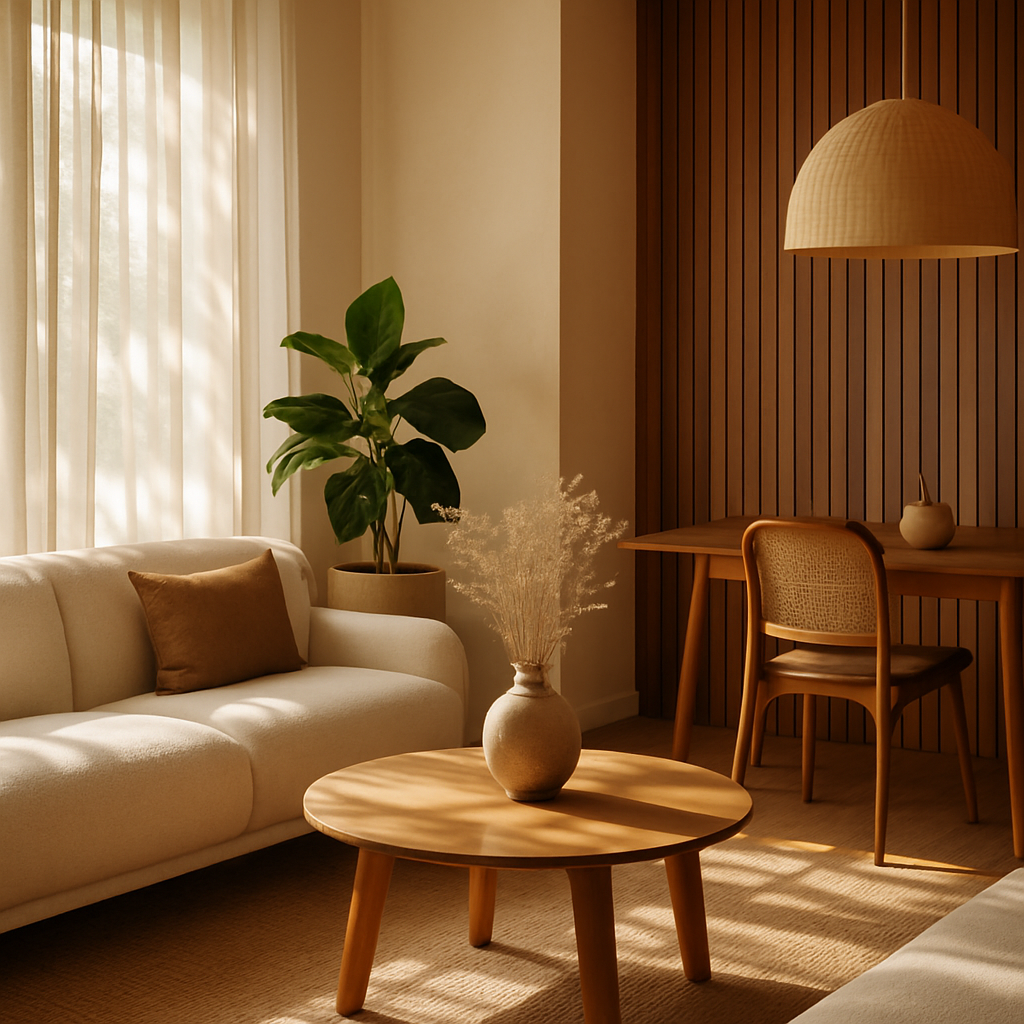
What if the most beautiful room in your home could also be the most responsible? Sustainable interior design has evolved from a niche concern into a defining movement that is reshaping how we think about materials, manufacturing, and the long-term impact of our decorating choices. The American Society of Interior Designers (ASID) reports that 68 percent of design professionals now consider sustainability a primary factor in material selection, reflecting a dramatic shift in industry priorities. Gone are the days when eco-friendly design meant sacrificing style for substance. Modern sustainable interiors are sophisticated, luxurious, and deeply intentional, proving that environmental responsibility and aesthetic excellence are not only compatible but mutually reinforcing. This guide explores practical, actionable strategies for incorporating sustainable principles into your home without compromising on beauty, comfort, or functionality. From reclaimed materials and low-VOC finishes to energy-efficient lighting and biophilic design elements, you will discover how thoughtful choices can reduce your environmental footprint while creating spaces that feel richer and more meaningful than conventional alternatives.
Why Sustainable Interior Design Matters More Than Ever
The interior design industry has a significant environmental footprint that many homeowners are only beginning to understand. From the extraction of raw materials and the manufacturing of furniture to the transportation of goods across continents and the eventual disposal of outdated decor, every stage of the design process carries ecological consequences. The International Interior Design Association (IIDA) has been at the forefront of raising awareness about these impacts, publishing comprehensive guidelines for sustainable practice that address everything from material sourcing to waste reduction. Understanding the environmental cost of conventional interior design is the first step toward making more informed and responsible choices for your home. When you recognize that a single sofa can involve dozens of materials sourced from multiple countries, the importance of thoughtful selection becomes clear.
Beyond environmental concerns, sustainable interior design has direct implications for the health and well-being of the people who inhabit designed spaces. Conventional building materials and furnishings often contain volatile organic compounds (VOCs), formaldehyde, and other chemical off-gassing agents that degrade indoor air quality and contribute to respiratory problems, headaches, and long-term health issues. According to the Environmental Protection Agency, indoor air can be two to five times more polluted than outdoor air, a statistic that underscores the importance of selecting non-toxic materials for your home. Sustainable design addresses this concern head-on by prioritizing low-emission materials, natural finishes, and ventilation strategies that promote healthier indoor environments. The connection between material choices and occupant health is one of the most compelling arguments for sustainable practice.
The economic case for sustainable interior design is equally persuasive. While eco-friendly materials and furnishings sometimes carry higher upfront costs, their longevity, durability, and timeless aesthetic frequently deliver superior long-term value compared to cheaper, disposable alternatives. A solid hardwood dining table crafted from sustainably harvested timber may cost more than a particleboard alternative, but it will last for decades and potentially become a family heirloom rather than ending up in a landfill after a few seasons. Have you ever calculated the true cost of replacing inexpensive furniture every few years versus investing in quality pieces that endure? This shift in perspective from short-term cost to long-term value is fundamental to sustainable thinking, and it often reveals that the responsible choice is also the financially wise one.
Choosing Eco-Friendly Materials for Every Room
The materials you select for your home form the foundation of sustainable interior design, and the range of eco-friendly options available has expanded enormously in recent years. Reclaimed wood, for example, offers the warmth and character of natural timber without contributing to deforestation. Salvaged from old barns, factories, warehouses, and demolished buildings, reclaimed wood carries a history and patina that new lumber cannot replicate. Designers featured on AD PRO frequently incorporate reclaimed wood into flooring, accent walls, shelving, and furniture, celebrating its imperfections as evidence of authenticity and sustainable intent. Each plank of reclaimed wood is unique, bringing organic variation and storytelling potential to spaces that mass-produced materials simply cannot match.
Bamboo has emerged as one of the most versatile and sustainable materials in modern interior design. As a grass rather than a tree, bamboo grows to maturity in three to five seasons compared to the decades required for hardwood forests to regenerate. This rapid renewability makes bamboo an excellent choice for flooring, cabinetry, countertops, and decorative accessories. Its natural strength rivals that of many hardwoods, and its clean, linear grain pattern complements both contemporary and Japandi-inspired interiors. Cork is another rapidly renewable material gaining popularity for flooring and wall coverings, offering natural sound insulation, thermal warmth, and a distinctively soft texture underfoot. Both bamboo and cork are harvested without killing the parent plant, making them genuinely regenerative resources in the world of interior design.
For upholstery and soft furnishings, organic and natural fabrics provide sustainable alternatives to synthetic textiles derived from petroleum. Organic cotton, linen, hemp, and wool are produced without harmful pesticides or synthetic fertilizers, reducing their environmental impact while delivering superior tactile quality. These natural fibers are biodegradable at the end of their useful life, unlike polyester and nylon, which persist in landfills for centuries. When shopping for sustainable textiles, look for certifications such as GOTS (Global Organic Textile Standard) and OEKO-TEX, which verify that fabrics meet rigorous environmental and safety standards. The quiet luxury movement in interior design has enthusiastically embraced these natural materials, recognizing that understated elegance and environmental responsibility share a common aesthetic language of authenticity and restraint.
Energy-Efficient Lighting and Climate Control
Lighting accounts for a significant portion of residential energy consumption, making it one of the most impactful areas for sustainable improvement. Replacing incandescent and halogen bulbs with LED alternatives reduces energy usage by up to 80 percent while providing equivalent or superior light quality. Modern LED technology has overcome early limitations in color rendering and warmth, offering bulbs that produce the same inviting golden glow as traditional incandescents at a fraction of the energy cost. Smart home lighting systems amplify these savings by allowing precise control over brightness, scheduling, and zoning, ensuring that lights are only active where and when they are needed. The combination of LED technology and intelligent controls represents one of the simplest and most effective sustainable upgrades available to homeowners.
Natural daylighting strategies reduce reliance on artificial lighting while improving the health and well-being of building occupants. Biophilic design principles emphasize the importance of connecting interior spaces with natural light through large windows, skylights, light tubes, and reflective surfaces that distribute sunlight deep into floor plans. Light-colored walls and ceilings bounce natural light further into rooms, reducing the need for supplementary electric lighting during daytime hours. Strategic placement of mirrors and glossy surfaces can redirect natural light into darker areas of the home, creating brighter, more pleasant environments without consuming any energy. How much natural light currently reaches the interior rooms of your home, and what simple modifications might increase that exposure?
Climate control is another area where sustainable design can deliver dramatic improvements in both environmental performance and occupant comfort. Proper insulation, thermal mass, and passive solar design principles reduce the energy required to heat and cool interior spaces. Window treatments play a crucial role in this equation: cellular shades trap air in honeycomb pockets that insulate against heat loss in winter and heat gain in summer, while reflective blinds redirect solar radiation away from interior spaces during hot months. Professional interior designers, whose consulting fees range from $150 to $500 per hour, increasingly integrate energy modeling into their design process, using software tools to predict and optimize the thermal performance of proposed interiors before construction begins. This data-driven approach ensures that sustainable choices deliver measurable improvements rather than relying on assumptions.
Furniture Selection: Quality Over Quantity
The most sustainable piece of furniture is the one you already own. Before purchasing anything new, consider whether existing pieces can be refreshed through reupholstering, refinishing, or simply repositioning within your home. This approach not only reduces waste but also preserves the embodied energy and resources that went into manufacturing the original item. When new purchases are necessary, prioritize quality construction and timeless design over trendy styles that will feel dated within a few seasons. NCIDQ-certified designers often advise clients to invest in fewer, better pieces that will serve them for decades rather than filling rooms with inexpensive items that require frequent replacement. This philosophy aligns perfectly with both sustainable principles and the quiet luxury aesthetic that values substance over superficial abundance.
When shopping for new furniture, investigate the manufacturer's environmental practices and material sourcing policies. Companies committed to sustainability will be transparent about their supply chains, certifications, and environmental impact assessments. Look for furniture made from FSC-certified wood, recycled metals, or reclaimed materials, and verify that adhesives, stains, and finishes are low-VOC or zero-VOC formulations. The Houzz community has become an invaluable resource for identifying sustainable furniture brands, with user reviews and professional recommendations helping consumers navigate the growing marketplace of eco-friendly options. Supporting manufacturers who prioritize environmental responsibility sends a market signal that encourages the broader industry to adopt more sustainable practices.
The secondhand furniture market represents one of the most accessible and impactful opportunities for sustainable interior design. Vintage and antique pieces carry zero additional manufacturing impact and often feature construction quality that surpasses modern mass-produced alternatives. Estate sales, consignment shops, architectural salvage yards, and online marketplaces offer an endless supply of unique, characterful furnishings that reduce demand for new production. What stories might a carefully chosen vintage piece bring to your living room or dining area? Beyond their environmental benefits, secondhand furnishings introduce a sense of history and individuality that new furniture rarely matches. Mixing vintage finds with select new pieces creates interiors that feel layered, personal, and unmistakably sustainable.
Biophilic Design: Bringing Nature Indoors
Biophilic design is perhaps the most naturally sustainable approach to interior design because it draws its inspiration and its materials directly from the natural world. The concept, which refers to the innate human desire to connect with nature, has gained tremendous traction in both residential and commercial design. ASID research confirms that biophilic design elements such as indoor plants, natural materials, water features, and views of nature reduce stress, improve cognitive function, and increase feelings of happiness and well-being. Incorporating these elements into your home creates spaces that are not only environmentally responsible but actively health-promoting. The beauty of biophilic design is that it works at every scale, from a single potted plant on a windowsill to an entire living wall that transforms a blank surface into a vertical garden.
Indoor plants serve multiple functions in sustainable interior design. Beyond their obvious aesthetic appeal, they improve indoor air quality by absorbing carbon dioxide and releasing oxygen, while certain species also filter harmful pollutants from the air. Grouping plants of varying sizes, textures, and shades of green creates visual depth and organic complexity that synthetic decor cannot replicate. Trailing plants on high shelves, tall statement plants in empty corners, and compact succulents on coffee tables each contribute differently to the overall biophilic experience. For those concerned about maintenance, self-watering planters and drought-tolerant species minimize the time commitment while maximizing the environmental and aesthetic benefits. The presence of living greenery transforms the entire energy of a room, making it feel more vibrant, connected, and alive.
Natural materials extend the biophilic connection beyond plants to encompass the very structure and surfaces of your home. Stone, wood, clay, wool, cotton, and leather all maintain a visible connection to their organic origins, grounding interior spaces in the natural world. The Japandi design philosophy excels at this integration, combining raw, minimally processed materials with clean architectural lines to create environments that feel both serene and deeply connected to nature. Water features, whether a tabletop fountain or a wall-mounted cascade, introduce the soothing sound and visual movement of water into interior spaces, completing the sensory experience of nature brought indoors. Have you noticed how the sound of flowing water immediately calms your nervous system and draws your attention into the present moment? This response is hardwired into human biology, making water features one of the most effective biophilic interventions available to residential designers.
Waste Reduction and Mindful Consumption
Sustainable interior design ultimately requires a shift in mindset from consumption to curation. Rather than constantly acquiring new items to refresh or update a space, consider a more mindful approach that values longevity, versatility, and emotional resonance. The fast furniture phenomenon, which mirrors fast fashion in its emphasis on cheap, disposable goods, generates millions of tons of waste annually as discarded furnishings fill landfills across the globe. IIDA professionals advocate for a circular design approach where materials are selected with their entire lifecycle in mind, from production through use to eventual recycling or composting. This systems-level thinking transforms how we evaluate potential purchases, prioritizing items that can be repaired, repurposed, or responsibly disposed of at the end of their useful life.
Practical waste reduction strategies begin with decluttering and assessing what you already own before introducing anything new into your home. Items that no longer serve your needs can be donated, sold, or repurposed rather than discarded. Old towels become cleaning rags, worn-out textiles can be composted if made from natural fibers, and furniture in good structural condition can be given new life through creative refinishing. When new purchases are necessary, consider their packaging and transportation footprint in addition to the product itself. Locally made furniture and decor items reduce transportation emissions while supporting regional economies and craftsmanship traditions. A consciously curated home filled with fewer, better-chosen items is both more sustainable and more aesthetically compelling than a cluttered space overflowing with impulse purchases.
The concept of designing for adaptability offers another powerful waste reduction strategy. Rooms designed with flexible layouts and modular furniture can evolve with changing needs without requiring wholesale renovation or replacement. A guest bedroom that doubles as a home office, a dining table that extends for entertaining, or a modular shelving system that reconfigures as collections grow all reduce the demand for new purchases over time. This adaptive approach recognizes that life is dynamic and that the most sustainable interiors are those that accommodate change gracefully rather than requiring constant replacement. By designing for flexibility from the outset, you create spaces that remain relevant, functional, and beautiful through multiple phases of life, dramatically reducing the cumulative environmental impact of maintaining your home.
Conclusion
Sustainable interior design is not a compromise or a concession. It is a more thoughtful, intentional approach to creating living environments that honor both human well-being and planetary health. From the reclaimed wood on your floors to the organic linen on your sofa, every material choice sends a message about the kind of world you want to inhabit. The strategies explored in this guide demonstrate that sustainability enhances rather than limits design possibilities, opening doors to richer textures, more authentic aesthetics, and healthier indoor environments. Organizations like ASID and IIDA continue to push the industry toward greater environmental responsibility, and homeowners have more eco-friendly options available today than at any previous point in design history. Your home is a reflection of your values, and choosing sustainable design is one of the most meaningful ways to align your living environment with your commitment to a healthier planet. Begin with a single sustainable swap, whether it is switching to LED lighting, choosing a vintage side table, or introducing indoor plants, and let that first step inspire the next. The path to a greener home starts with a single conscious choice.
More Articles You May Like


Comments
Post a Comment