Transform Your Space: Innovative House Interior Design Ideas You Need to Try
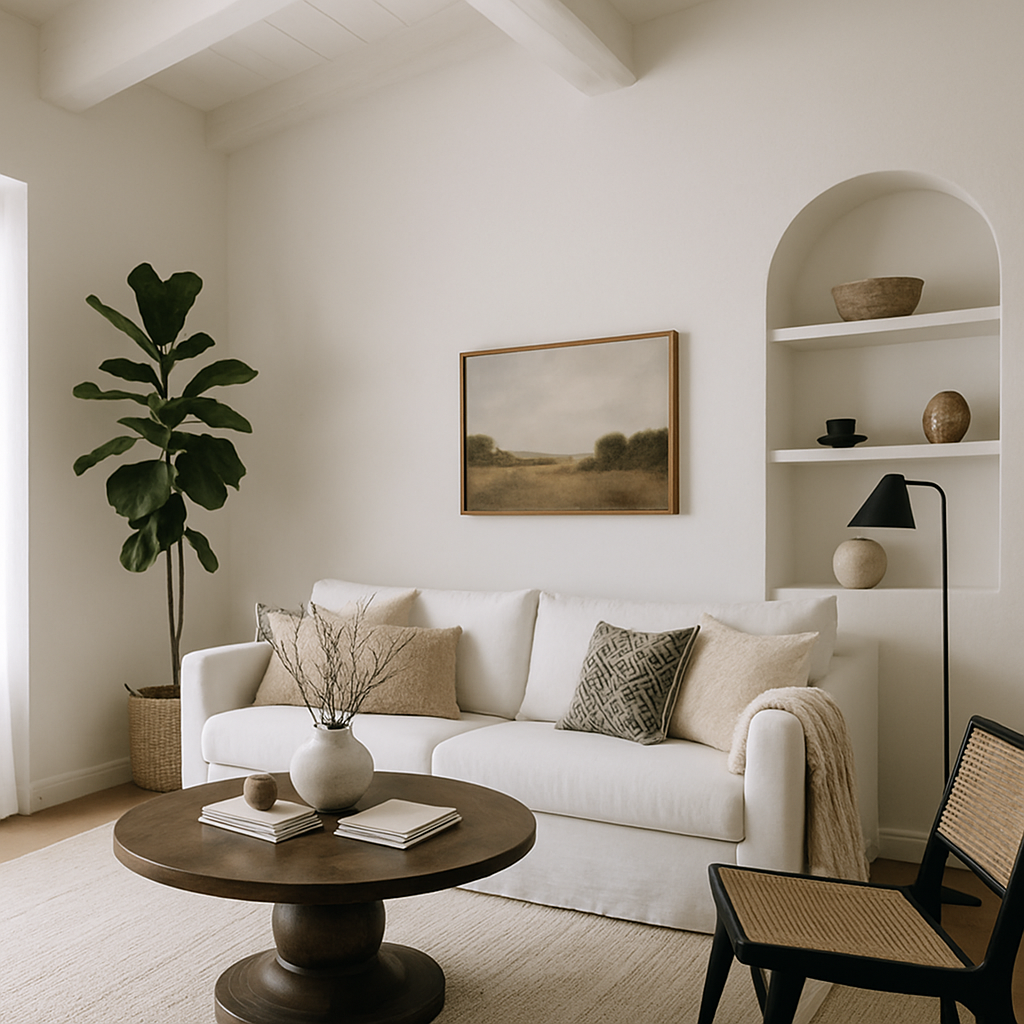
Imagine walking into a home that not only reflects your personality but also elevates your everyday experience. According to Houzz, homeowners who invest in professional interior design report a significant increase in satisfaction and home value. Whether you're revamping a single room or planning a full-home redesign, the right interior design strategies can make all the difference. In this article, we will explore foundational concepts, delve into current design trends, offer actionable strategies, provide expert insights, and discuss additional layers of depth to transform your space into a masterpiece.
Understanding Foundational Design Concepts
At the core of any successful interior design project lies a thorough understanding of foundational concepts. One such principle is spatial planning, which involves mapping out how you actually use each room. For instance, consider where you drop your keys, where the kids do homework, or where you unwind after a long day. This approach ensures that each area of your home serves its intended function while maintaining aesthetic appeal.
Another key concept is the balance between form and function. While it's tempting to prioritize aesthetics, functionality should never be compromised. Experienced professionals often note that well-designed interiors yield a 5-15% higher resale value, a statistic that underscores the importance of marrying beauty with usability. This balance is crucial in creating spaces that are not only visually striking but also highly practical.
Lastly, consider the importance of color psychology. Colors can dramatically influence mood and perception, so choose hues that support the atmosphere you wish to cultivate. For instance, soft blues and greens are calming, making them ideal for bedrooms, while vibrant reds and oranges can energize a living room. As you embark on your design journey, how do you want each room to feel to those who enter?
Exploring Current Design Trends
Today's interior design landscape is shaped by several compelling trends that reflect broader cultural shifts. Biophilic design, which emphasizes natural materials and indoor-outdoor flow, is gaining traction as homeowners seek to connect more deeply with nature. Incorporating elements like living walls or ample natural light can transform your home into a serene retreat.
Another trend making waves is the concept of quiet luxury. This involves creating spaces that exude understated elegance through the use of high-quality materials and minimalist design. Think of sleek lines, neutral palettes, and a focus on craftsmanship. According to ASID, this approach appeals to those desiring sophistication without ostentation.
Smart home integration is also a dominant trend, with innovations like automated lighting, climate control, and window treatments becoming standard. Not only do these technologies enhance convenience, but they also promote energy efficiency-a win-win for both your lifestyle and the environment. How might integrating such technologies improve your daily routine?
Actionable Strategies for Your Interior Design Project
Embarking on an interior design project requires strategic planning and execution. Start with a clear vision by compiling a mood board using platforms like Pinterest or Instagram. This visual tool helps clarify your style preferences and provides a reference point throughout the project. By selecting images that resonate with your vision, you can effectively communicate your ideas to a design professional.
Next, establish a realistic budget. Research from Houzz indicates that single-room redesigns typically range from $5,000 to $15,000, while full-home projects can exceed $150,000. Decide on a budget that aligns with your financial capabilities and project ambitions. Remember, investing in quality materials and skilled professionals often pays off in the long run.
Finally, consider working with a certified interior designer, such as those credentialed by the NCIDQ (National Council for Interior Design Qualification). These professionals bring a wealth of knowledge and expertise, guiding you through each phase-from concept development to installation. Their insights can prevent costly mistakes and ensure your project runs smoothly.
Expert Insights into Enhancing Your Home
Industry experts emphasize the importance of layering in design. By combining textures, patterns, and materials, you can add depth and interest to any space. For example, mix a plush rug with sleek metal accents and soft textiles to create a harmonious blend of contrasts. This technique not only enhances visual appeal but also adds tactile richness.
Scale and proportion are also critical elements to consider. Choosing furniture and decor that fit the dimensions of your room can prevent overcrowding and ensure a balanced composition. The IIDA (International Interior Design Association) suggests using furniture to define spaces within open floor plans, creating distinct zones for different activities.
Lighting is another vital component of successful interior design. Layered lighting, which includes ambient, task, and accent lighting, allows you to control the mood and functionality of a space. Consider dimmable options to adjust lighting levels based on the time of day or specific activities. How can you use lighting to enhance the ambiance of your home?
Additional Depth: Sustainable and Personalized Design Choices
Sustainability is a growing focus in interior design, with homeowners increasingly opting for eco-friendly materials and practices. Reclaimed wood, recycled metal, and sustainably sourced textiles are just a few options that contribute to a greener home. Not only do these choices benefit the environment, but they also bring unique character and history to your space.
Personalization is another layer that can elevate your interior design. Incorporate elements that reflect your personality and story, such as family heirlooms, travel souvenirs, or custom art pieces. These personal touches make a house feel truly like home and can spark conversations with guests.
The use of AR/VR room visualization tools is an innovative way to experiment with design options before committing. These technologies allow you to see potential layouts and color schemes in real time, minimizing guesswork and enhancing decision-making. Have you considered using such tools to visualize your dream space?
Final Perspectives on Interior Design Transformations
While the journey of transforming your space can seem daunting, the rewards of a well-designed home are immeasurable. Not only does it enhance your daily living experience, but it also adds significant value to your property. By staying informed about current trends and consulting with professionals, you can navigate the process with confidence and creativity.
Remember, the key to successful interior design is finding the right balance between your personal style and the practical needs of your household. Keep an open mind, and don't be afraid to experiment with new ideas. As you refine your vision and execute your plans, your home will evolve into a space that truly reflects who you are.
Conclusion: Take the Next Step in Your Design Journey
Transforming your space is more than just an aesthetic endeavor; it's an investment in your well-being and property value. By embracing innovative design ideas and leveraging the expertise of certified professionals, you can create environments that inspire and elevate daily life. Start by browsing designer portfolios on platforms like Houzz and Instagram this week. Even 20 minutes of focused research will sharpen your eye for what you want. Are you ready to take the next step towards the home of your dreams?


Comments
Post a Comment