Top Interior Design Trends to Transform Your Local Home Today
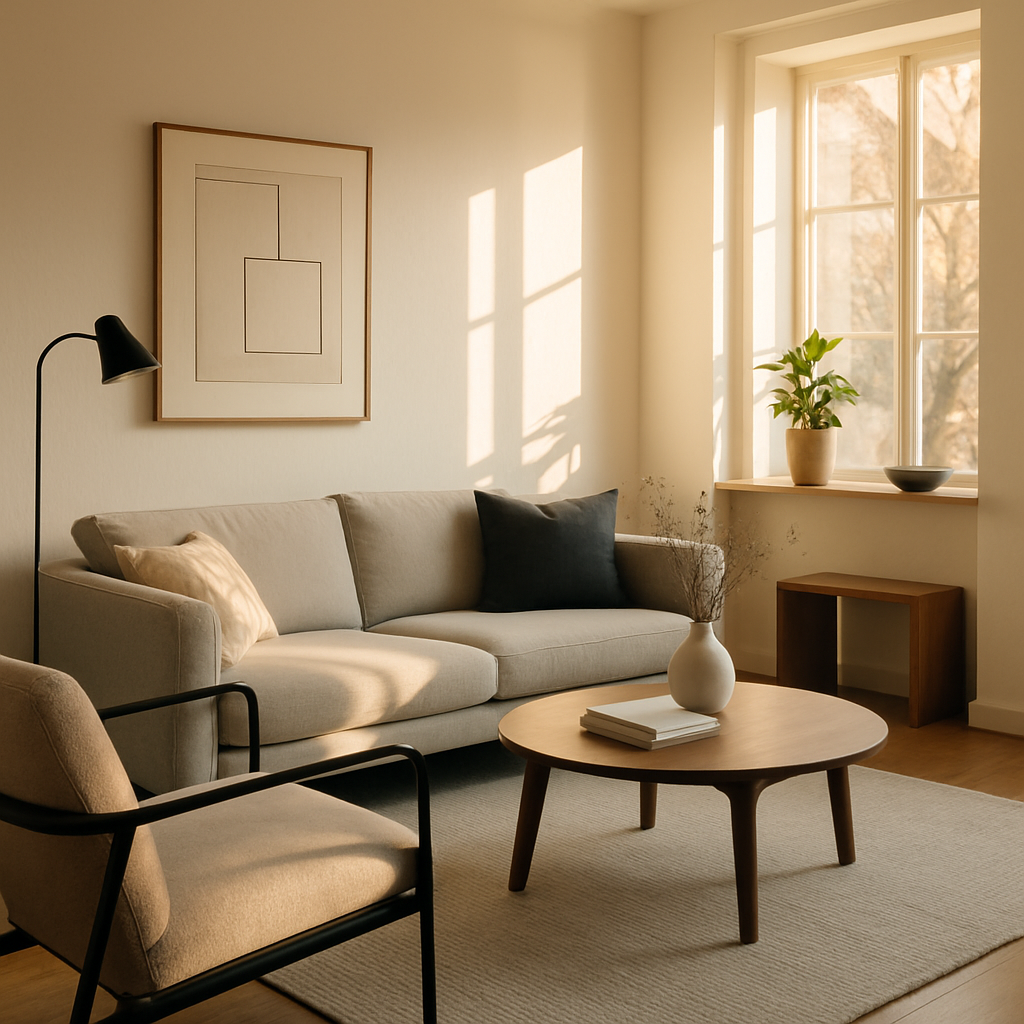
Imagine walking into your home and feeling an immediate sense of calm and inspiration. For many, this is the ultimate goal of interior design. According to a Houzz survey, 70% of homeowners believe that a well-designed interior significantly boosts their mood and overall satisfaction. If you're considering updating your space, integrating the latest design trends can not only enhance your living environment but also increase your home's value by 5-15%. This article will explore the top interior design trends that can transform your local home right now, providing you with foundational concepts, in-depth analysis, actionable strategies, and expert insights to guide your design journey.
Foundational Concepts in Modern Interior Design
The foundation of any successful interior design project lies in understanding the core principles that guide modern aesthetics. At the heart of current trends is the concept of biophilic design, which emphasizes the use of natural materials and the seamless integration of indoor and outdoor spaces. This approach not only enhances aesthetic appeal but also improves mental well-being, as studies show that exposure to natural elements can reduce stress levels by up to 30%. Incorporating elements like natural wood, stone, and abundant greenery can transform a sterile space into a serene haven.
Another cornerstone of modern design is the principle of quiet luxury, where understated elegance takes precedence over ostentation. This trend favors a minimalist approach, where high-quality materials and craftsmanship speak volumes without the need for excessive ornamentation. Think of spaces that exude sophistication through simplicity, using a palette of muted colors and luxurious textiles like cashmere and wool. Experienced professionals often note that this approach not only creates timeless interiors but also avoids the pitfalls of fleeting trends.
Smart home integration is also becoming an essential component of modern interior design. By incorporating technology such as automated lighting, climate control, and window treatments, homeowners can enhance both functionality and comfort. The convenience of controlling your home's environment with a touch of a button cannot be overstated. This tech-forward approach is not just about gadgets; it's about creating a seamless experience that enhances your daily life. As we move forward, these foundational concepts will continue to shape the way we design our homes.
Analyzing Current Trends with Data
To truly grasp the impact of current interior design trends, it's crucial to analyze the data behind them. According to the American Society of Interior Designers (ASID), sustainable and reclaimed materials are a top priority for 80% of interior designers, reflecting a growing consumer demand for eco-friendly solutions. This shift towards sustainability is not just a fad; it's a response to the increasing awareness of environmental issues and the desire to reduce one's carbon footprint. Incorporating reclaimed wood or recycled metal into your design can make a significant environmental impact.
Another key trend is the rise of Japandi design, which blends Japanese minimalism with Scandinavian warmth. This hybrid style has captured the attention of designers and homeowners alike, as it offers a perfect balance of form and function. Houzz data indicates that searches for Japandi design have increased by 50% over the past year, showcasing its growing popularity. The appeal lies in its simplicity, tranquility, and the use of natural materials, making it a perfect choice for those seeking a peaceful yet stylish home environment.
Additionally, the integration of augmented reality (AR) and virtual reality (VR) tools in the design process is revolutionizing client interactions. These technologies allow homeowners to visualize their spaces in real-time, making it easier to make informed decisions about layouts, colors, and furnishings. The National Council for Interior Design Qualification (NCIDQ) notes that AR/VR tools are becoming standard in the industry, offering unprecedented levels of accuracy and customer satisfaction. These data-driven insights highlight the importance of staying informed about current trends to make the best choices for your home.
Actionable Strategies for Incorporating Trends
Now that we've explored the foundational concepts and data behind current trends, it's time to consider how you can apply these ideas to your home. Start by assessing your space and identifying areas that could benefit from a fresh perspective. Ask yourself: Where do I spend most of my time, and how can I make this area more functional and enjoyable? Mapping out the flow of your space is a critical first step in any design project.
Once you've identified key areas for transformation, consider incorporating biophilic elements, such as indoor plants or a living wall, to bring a touch of nature indoors. Not only do these elements add visual interest, but they also improve air quality and create a calming ambiance. For those on a budget, even small touches like adding a few potted plants or switching to natural fiber rugs can make a significant difference.
Integrating smart home technology is another actionable step that can enhance your living experience. Begin by researching the latest smart devices, such as voice-activated assistants or automated thermostats, and determine which ones align with your lifestyle. It's important to tailor your choices to your specific needs rather than opting for every available gadget. Remember, the goal is to create a seamless and intuitive environment that enhances your daily routines.
Expert-Level Insights for Your Design Project
For those looking to delve deeper into the world of interior design, understanding the nuances of industry practices is essential. One key distinction is between certified interior designers and decorators. Certified professionals, who often hold credentials like the NCIDQ or are members of the IIDA (International Interior Design Association), have undergone rigorous training and adhere to industry standards. This expertise ensures that your project will be handled with a high level of professionalism and creativity.
Budgeting is another critical aspect of any design project. Interior design fees can vary widely depending on the scope and complexity of the project. For instance, designers may charge a flat fee, an hourly rate ranging from $150-$500, or a percentage of the total project cost, typically 10-25%. Understanding these fee structures will help you make informed decisions and set realistic expectations for your project. It's also wise to allocate a portion of your budget for unexpected expenses, as designs often evolve during the process.
Engaging with professional organizations like the ASID or local AIA chapters can provide valuable resources and networking opportunities. These organizations offer directories and research that can assist you in finding reputable designers in your area. Attending industry events and workshops can also keep you updated on the latest trends and technologies, ensuring your design project remains cutting-edge and relevant.
Additional Depth: The Role of Design Tools
As you embark on your interior design journey, leveraging the right tools can make all the difference. Platforms like Houzz and Pinterest are invaluable for gathering inspiration and visualizing potential designs. These platforms allow you to explore a vast array of styles, layouts, and color schemes, helping you refine your vision before making any major decisions.
Additionally, design software such as SketchUp or AutoCAD can be instrumental in creating detailed plans and renderings. These tools offer precision and flexibility, allowing you to experiment with different layouts and configurations until you find the perfect fit for your space. Many designers also offer virtual consultations, using AR/VR technology to provide real-time insights and feedback on your design choices.
Do you feel confident in selecting the right tools for your project? If not, consider reaching out to a professional designer who can guide you through the process. With their expertise, you can navigate the complexities of design software and ensure your project is executed flawlessly. By leveraging these tools and resources, you'll be well-equipped to create a stunning interior that reflects your personal style and meets your functional needs.
Final Perspectives on Interior Design Transformation
Transforming your home with the latest interior design trends is an exciting and rewarding endeavor. By understanding the foundational concepts, analyzing current data, and implementing actionable strategies, you can create a space that not only looks beautiful but also enhances your quality of life. Remember, the key to a successful design is personalization - ensuring that your home reflects your unique tastes and lifestyle.
As you move forward, don't hesitate to seek expert guidance and utilize the wealth of resources available online and through professional organizations. Whether you're undertaking a full-home renovation or simply refreshing a single room, these insights will serve as a valuable roadmap on your design journey. Embrace the process, and enjoy the transformation of your local home into a space that truly resonates with you.
Conclusion: Taking the Next Steps
In summary, the top interior design trends of today offer a myriad of opportunities to transform your local home into a space that is both stylish and functional. From integrating biophilic elements and smart technology to adopting sustainable practices and leveraging design tools, these strategies provide a comprehensive approach to modern living. As you embark on your design journey, ask yourself: What changes will have the most impact on my daily life, and how can I implement them effectively?
Start by browsing portfolios on platforms like Houzz or Pinterest this week. Even 20 minutes of research will sharpen your eye for what you want and help you make informed decisions. By staying informed and engaged with the latest trends and industry practices, you'll be well on your way to creating a home that reflects your vision and enhances your everyday life. Take the plunge and begin your transformation today.



Comments
Post a Comment