Luxury Interior Design: How to Create an Opulent Atmosphere on a Budget
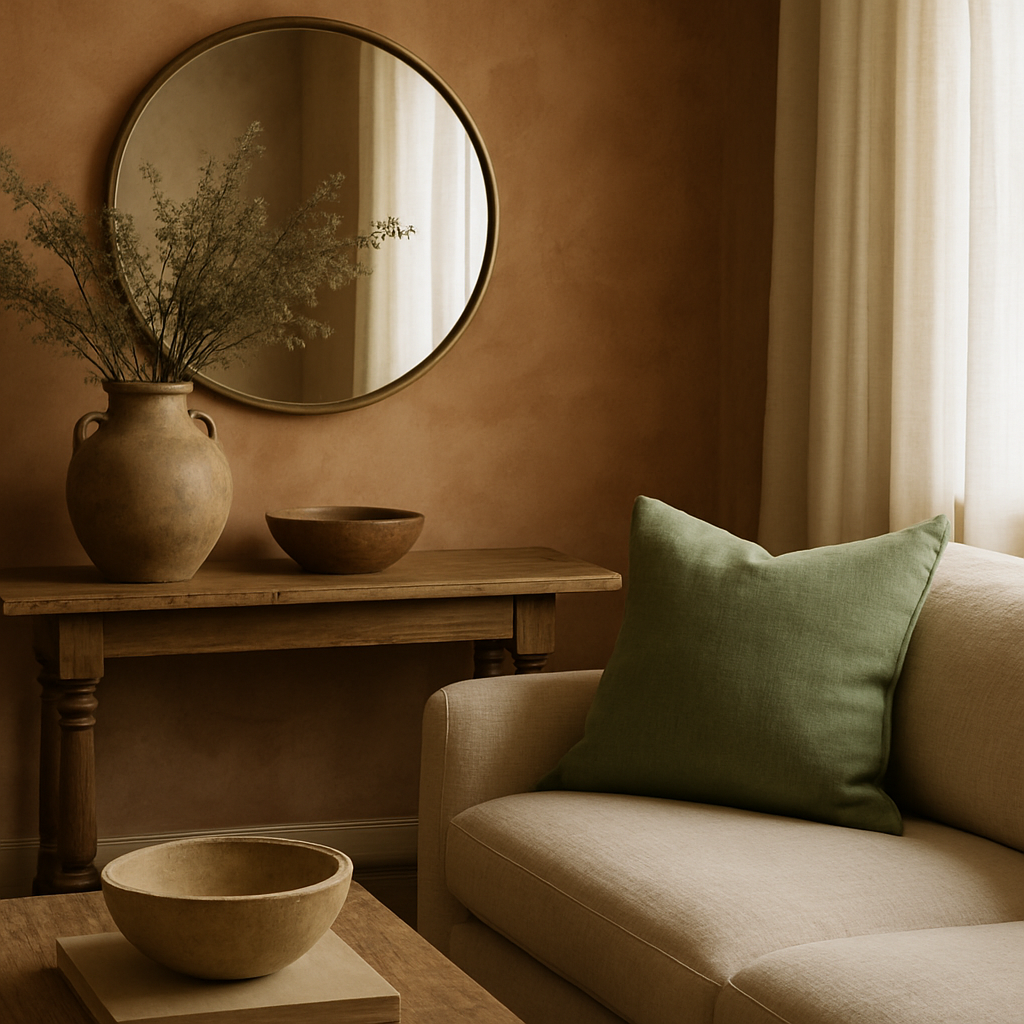
Many believe that luxury interior design is reserved for those with deep pockets, but what if opulence could be achieved without such a hefty price tag? According to a Houzz survey, 74% of homeowners prioritize style and comfort over cost when redesigning their homes. This statistic highlights a growing trend: the desire for a luxurious environment that doesn't break the bank. In this article, we'll explore foundational concepts of luxury design, delve into the data that supports cost-effective opulence, and outline actionable strategies to help you achieve a high-end look for less. We'll also dive into expert-level details and additional insights that will leave your home looking both expensive and stylish.
Understanding the Foundations of Luxury Design
Luxury interior design is often defined by its attention to detail, quality materials, and cohesive aesthetics. However, these elements can be achieved without an exorbitant budget. The first step is to focus on quality over quantity. Experienced professionals often note that investing in a few high-impact pieces, such as a statement chandelier or a designer chair, can elevate a space significantly. These items act as focal points, drawing attention and setting the tone for the room.
Another critical component of luxury design is the use of a sophisticated color palette. Rich, deep hues such as emerald green, navy blue, and charcoal gray can add a touch of elegance and sophistication. According to the American Society of Interior Designers (ASID), these colors are trending in 2026, embraced for their ability to create a calming yet opulent atmosphere. Beyond paint, consider incorporating these shades through textiles like velvet cushions or plush area rugs.
Lastly, the layout and organization of a space are paramount. Luxury interiors are characterized by their seamless flow and functionality. This means carefully considering the arrangement of furniture to ensure ease of movement and conversation. Are your rooms arranged to encourage interaction and comfort? Mapping out how you use each space can help you identify areas for improvement, leading to a more luxurious experience.
Analyzing Budget-Friendly Luxury: Data and Insights
Creating a luxury interior on a budget requires strategic planning backed by data. The National Council for Interior Design Qualification (NCIDQ) notes that many successful projects begin with a clear understanding of the client's vision and budget. This foundation allows designers to allocate resources effectively, choosing where to splurge and where to save. For instance, splurging on a high-quality sofa while saving on decor accessories can create a balanced, high-end look.
Data from Architectural Digest's AD PRO network indicates that well-designed interiors can increase a home's resale value by 5-15%. This statistic underscores the long-term financial benefits of investing in luxury design elements. By focusing on timeless and classic pieces, homeowners can achieve an opulent look that also serves as a smart investment. Have you considered how your design choices might impact your home's value?
Moreover, leveraging technology can be a cost-effective strategy. Modern tools like AR/VR room visualization software allow homeowners to experiment with different layouts and designs before making purchases. This technology reduces the risk of costly mistakes, ensuring that every dollar spent contributes to a cohesive and luxurious design.
Actionable Strategies for Achieving Luxury on a Budget
To create a luxury interior design without overspending, start by identifying key areas where you can make a significant impact. One effective strategy is to focus on enhancing natural light. This can be achieved by installing mirrors strategically to reflect light and create a sense of spaciousness. Additionally, opting for sheer window treatments can allow more sunlight to flow into your space, enhancing its opulence.
Another practical approach is to incorporate upscale textures and materials that mimic luxury. For example, faux finishes like marble or granite contact paper can be used on countertops or tabletops to give the illusion of expensive materials at a fraction of the cost. Similarly, high-quality laminates can replicate the look of expensive hardwood floors without the associated price tag.
Accessorizing with intention is crucial in budget-friendly luxury design. Choose accessories with metallic finishes such as gold or brass, which are both timeless and sophisticated. These accents can be introduced through light fixtures, picture frames, or vases. Have you considered how these small changes might elevate your space? By focusing on details, you can create a cohesive and luxurious aesthetic.
Expert-Level Insights for Opulent Interiors
When it comes to luxury interior design, experienced professionals often emphasize the importance of craftsmanship. This doesn't always mean handmade items; rather, it's about selecting pieces that exhibit quality construction and attention to detail. Look for furniture with fine stitching, solid wood frames, and high-quality fabric. These subtle details contribute to the overall perception of luxury.
Lighting is another element that can dramatically alter the ambiance of a room. Investing in layered lighting solutions, such as a combination of ambient, task, and accent lighting, can create depth and interest. According to the International Interior Design Association (IIDA), smart lighting systems are increasingly popular in luxury designs, allowing homeowners to adjust the mood and brightness with ease.
Consider the concept of biophilic design, which integrates natural elements into interiors. This trend, highlighted by the American Institute of Architects (AIA), emphasizes the use of natural materials, indoor plants, and a seamless flow between indoor and outdoor spaces. Incorporating these elements can add a sense of tranquility and luxury to your home, connecting you with nature while enhancing comfort and style.
Additional Depth: Leveraging Trends and Tools
Staying informed about current design trends can offer inspiration for creating a luxurious atmosphere. The Japandi style, a fusion of Japanese minimalism and Scandinavian warmth, is gaining traction in 2026. This style emphasizes clean lines, natural materials, and a neutral color palette, all of which contribute to a sophisticated yet understated elegance.
Additionally, sustainable and reclaimed materials are not only environmentally friendly but also add a unique character to interiors. Reclaimed wood, for instance, can be used for flooring or accent walls, offering a rustic yet refined look. These eco-conscious choices are not only budget-friendly but also align with the growing trend of sustainability in design.
For those looking to visualize their design ideas, platforms like Houzz and Pinterest offer a wealth of inspiration and practical resources. These platforms allow you to explore designer portfolios, save ideas, and even connect with professionals who can bring your vision to life. Have you explored these resources to refine your design style?
Final Perspectives on Budget-Friendly Luxury Design
Creating a luxurious interior design on a budget is undoubtedly a challenge, but with the right strategies and insights, it's entirely achievable. By focusing on quality, leveraging technology, and staying informed about industry trends, you can craft a space that feels both opulent and personal. Remember, luxury is not solely defined by price but by the thoughtfulness of design and the ambiance it creates.
Ultimately, it's about making intentional choices that reflect your style and preferences. Whether it's through strategic lighting, carefully selected accessories, or the integration of natural elements, every decision contributes to the overall luxury of your home. What steps will you take to transform your space?
Conclusion: Taking Action Toward Luxury Design
As we've explored, achieving a luxury interior design on a budget is a realistic goal with the right approach. By understanding foundational concepts, analyzing data, and applying actionable strategies, you can create a home that exudes opulence without overspending. The key is to focus on quality, embrace current trends, and utilize available tools to visualize your ideas.
Now it's time to take the first step. Start by browsing portfolios on Houzz or Pinterest this week - even 20 minutes of research will sharpen your eye for what you want. As you gather inspiration, remember that luxury is about creating a space that feels uniquely yours, where comfort and style coexist harmoniously.



Comments
Post a Comment