Sustainable Interior Design Ideas: Eco-Friendly Tips for Modern Living
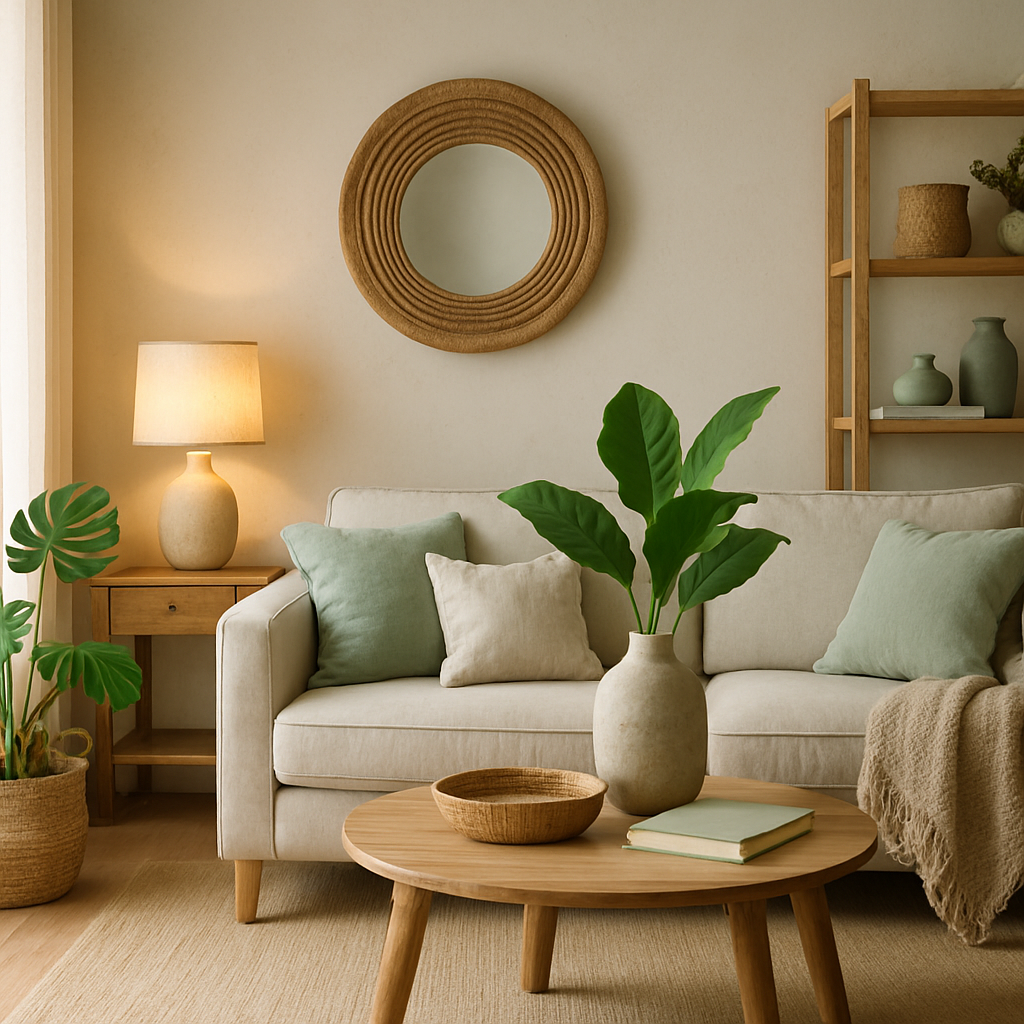
Imagine transforming your living space into a sanctuary that not only reflects your personal style but also contributes positively to the environment. According to a recent survey by Houzz, 70% of homeowners are increasingly interested in integrating sustainable solutions into their interiors. This shift towards eco-friendly design is not just a trend; it's a movement towards responsible living. In this article, we'll explore sustainable interior design ideas that marry aesthetics with environmental mindfulness. From foundational concepts to expert-level insights, you'll discover actionable strategies that can make your home more eco-friendly and stylish.
Understanding Sustainable Interior Design
To embark on the journey of sustainable interior design, it's crucial to grasp its core principles. At its heart, sustainable design focuses on creating spaces that are both environmentally responsible and resource-efficient. This approach considers the entire lifecycle of a product, from sourcing to disposal. For instance, choosing materials like bamboo, which grows rapidly and requires minimal pesticides, exemplifies an eco-friendly choice.
Another cornerstone of sustainable design is energy efficiency. Incorporating elements like LED lighting and energy-efficient appliances can drastically reduce a home's carbon footprint. According to the American Society of Interior Designers (ASID), energy-efficient design not only benefits the environment but can also lower utility bills by up to 30%. This dual benefit makes it an attractive option for many homeowners.
Moreover, sustainable interior design often involves rethinking traditional design philosophies. It encourages the use of reclaimed and recycled materials, which not only reduces waste but also adds unique character to a space. The use of vintage furniture, for example, is not only sustainable but also infuses a room with history and intrigue. As we delve deeper, consider how these foundational concepts can be applied to your own living space.
Why Sustainability Matters in Interior Design
The importance of sustainability in interior design extends beyond aesthetics and financial savings. It's about creating a healthier living environment. Poor indoor air quality, often exacerbated by volatile organic compounds (VOCs) emitted from certain paints and finishes, can pose significant health risks. Choosing low-VOC or VOC-free products is a simple yet effective way to improve air quality in your home.
Moreover, industry surveys suggest that homes designed with sustainability in mind tend to have higher resale values, often fetching 5-15% more than their conventional counterparts. This is a compelling reason for homeowners to invest in eco-friendly design elements. The National Association of Realtors highlights that potential buyers are increasingly prioritizing sustainable features in their home searches.
Embracing sustainability also aligns with a broader global movement towards environmental consciousness. As climate change remains a pressing issue, every small effort counts. By integrating sustainable practices into your home, you're contributing to a larger cause. This perspective not only enhances your personal living space but also supports global sustainability efforts. As we move forward, consider the tangible actions you can take to incorporate these elements into your design.
Actionable Strategies for Eco-Friendly Design
Are you ready to implement sustainable interior design in your home? Start by assessing the materials currently in use. Opt for natural materials like wood, stone, and cotton, which are not only sustainable but also durable. When purchasing new furniture, look for FSC-certified products, ensuring the wood comes from responsibly managed forests.
Another practical strategy is to embrace biophilic design, which integrates nature into interiors. This can be as simple as adding indoor plants, which improve air quality and add a touch of tranquility. Consider vertical gardens or living walls, which can be visually stunning while promoting biodiversity. Experienced professionals often note that these elements enhance both the aesthetic and psychological well-being of a space.
Don't overlook the power of technology in enhancing sustainability. Smart home devices can optimize energy usage, from lighting to climate control. Automated window treatments, for example, adjust based on the time of day to conserve energy. These devices not only improve efficiency but also offer a level of convenience that complements modern living. As you implement these strategies, think about how they can create a cohesive and sustainable home environment.
Expert Insights into Sustainable Design
For those seeking expert-level insights, consider collaborating with certified interior designers who specialize in sustainability. Professionals with credentials like the NCIDQ (National Council for Interior Design Qualification) have the expertise to design with environmental impact in mind. They can guide you through the process, from concept to execution, ensuring that your home embodies eco-friendly principles.
When working with a designer, discuss the phases of a typical project: concept development, design presentation, procurement, installation, and styling. Each phase offers opportunities to incorporate sustainable choices. For example, during procurement, prioritize local artisans and manufacturers to reduce transportation-related emissions and support the local economy.
Moreover, experts from platforms like Houzz and Architectural Digest's AD PRO network often emphasize the importance of blending sustainability with personal style. The goal is to create spaces that are not only environmentally friendly but also reflective of the homeowner's personality. As you explore these expert insights, consider how professional guidance can elevate your sustainable design journey.
Diving Deeper into Sustainable Choices
For those committed to deepening their sustainable design practices, consider the impact of color and texture. Use eco-friendly paints and finishes to minimize environmental harm while achieving the desired aesthetic. Additionally, textiles made from organic cotton or hemp can provide both comfort and sustainability.
Water efficiency is another crucial aspect. Install low-flow faucets and showerheads to conserve water without sacrificing functionality. According to the EPA, these fixtures can reduce water usage by up to 30%, making them a cost-effective and eco-friendly choice. Incorporating rainwater harvesting systems can further enhance water conservation efforts.
Finally, consider the lifecycle of products. Choose items that are designed for longevity and can be repurposed or recycled at the end of their life. This approach not only reduces waste but also encourages a circular economy. As you explore these additional avenues, think about how each choice contributes to a more sustainable lifestyle.
Reflections on Sustainable Interior Design
As we wrap up our exploration of sustainable interior design, it's clear that eco-friendly living is more than a design trend; it's a lifestyle choice. By making conscious decisions about materials, energy use, and design practices, you can create a home that is both beautiful and responsible. How can you take these ideas and apply them to your own space?
The journey towards sustainability in design is ongoing, with new innovations and insights continually emerging. Stay informed by engaging with industry resources like the International Interior Design Association (IIDA) and local AIA (American Institute of Architects) chapters. These organizations offer valuable information and networking opportunities for those passionate about sustainable design.
As you reflect on these concepts, consider what steps you can take today to begin transforming your home into an eco-friendly haven. Perhaps it's as simple as choosing a sustainable paint for your next room refresh or exploring local artisan markets for unique decor pieces. Whatever path you choose, remember that every small step counts towards a more sustainable future.
Conclusion: Begin Your Sustainable Design Journey
Incorporating sustainable interior design ideas into your home is a rewarding endeavor that benefits both the environment and your personal living space. By focusing on eco-friendly materials, energy efficiency, and thoughtful design, you can create a home that's as kind to the planet as it is to you. Are you ready to take the first step?
Start by browsing portfolios on Houzz this week - even 20 minutes of research will sharpen your eye for what you want. Explore the sustainable options available and consider how they might fit into your vision. With dedication and informed choices, your home can become a beacon of sustainability and style.



Comments
Post a Comment