How to Choose the Right Interior Designer for Your Home Makeover
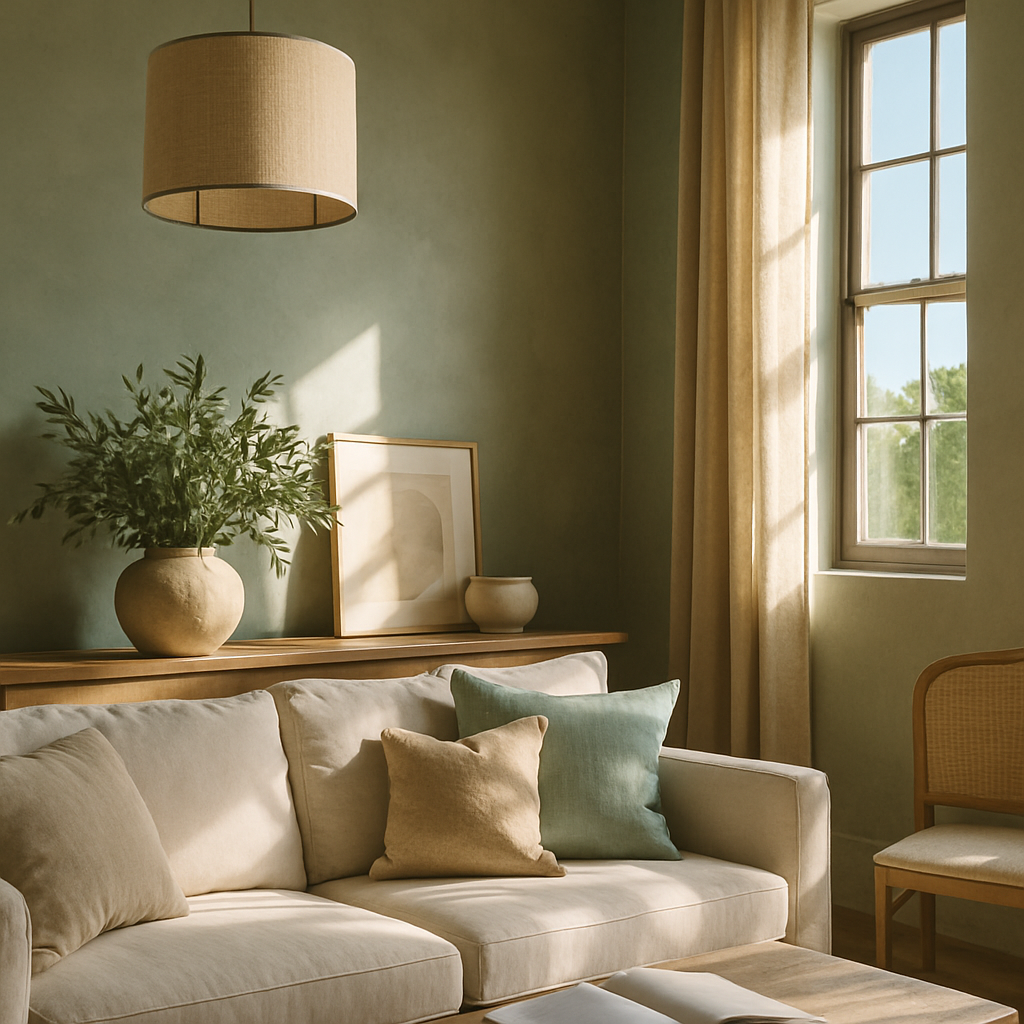
Imagine walking into your newly redesigned home, a space that perfectly marries aesthetics with functionality. Yet, achieving this dream often begins with a daunting decision: selecting the right interior designer. According to a Houzz survey, over 50% of homeowners express dissatisfaction with their initial attempts at interior design, primarily due to mismatched expectations. Choosing the right professional can transform this experience into a rewarding journey, ensuring your space reflects your vision and practical needs. This article will guide you through foundational concepts, provide in-depth analysis with data, offer actionable strategies, delve into expert-level details, and conclude with additional depth and final perspectives to help you make an informed choice.
Understanding the Role of an Interior Designer
Before diving into selection, it's crucial to understand what an interior designer does. A professional interior designer brings a blend of artistic vision and technical expertise to your project. They are trained to make spaces functional, safe, and beautiful by determining space requirements and selecting essential and decorative items, such as colors, lighting, and materials. Unlike decorators who may focus solely on aesthetics, designers often hold credentials such as the NCIDQ (National Council for Interior Design Qualification) certification, which attests to their proficiency in the field.
Interior designers play a pivotal role from concept development to the final styling of your space. They work closely with architects, contractors, and clients to ensure that the design meets building codes and is aligned with the client's needs. Their expertise extends beyond mere decoration and encompasses understanding structural requirements and compliance with safety standards. This comprehensive approach ensures a cohesive design process that aligns with your lifestyle and preferences.
Recognizing the distinction between certified designers and non-certified decorators is essential. Certified designers have completed rigorous training and are equipped to handle complex projects, including those that require structural changes. Engaging a certified professional provides peace of mind, knowing that your project will be handled with a high level of competence and creativity. This understanding lays the foundation for choosing a designer whose skills and approach align with your vision.
Assessing Your Needs and Setting a Budget
Before embarking on your search for an interior designer, it's essential to clearly define your needs and set a realistic budget. Consider the scope of your project: Are you looking to redesign a single room, or is it a full-home makeover? The scale of your project will significantly influence your choice of designer and the overall budget. For instance, a single room redesign can range from $5,000 to $15,000, whereas a full-home project can start at $50,000 and go upwards of $150,000.
Budgeting is not just about the total amount you're willing to spend; it's also about understanding the fee structures involved. Interior designers may charge a flat fee, an hourly rate ranging between $150 and $500, or a percentage of the total project cost, typically between 10% and 25%. Knowing this helps you compare the financial implications of different designers and choose one whose fee structure aligns with your financial plan. Do you have a clear understanding of your budget and financial flexibility?
Additionally, consider what elements of the project are non-negotiable and where you might be willing to compromise. This clarity not only helps in budgeting but also in communicating your expectations to potential designers. Many homeowners find it useful to prioritize their needs and desires, creating a list that can guide discussions with designers. With your needs and budget clearly defined, you can move forward with confidence in your designer search.
Researching and Shortlisting Potential Designers
With a clear understanding of your needs and budget, the next step is to research and shortlist potential designers. Start by exploring portfolios on platforms like Houzz and Instagram, where many designers showcase their work. Pay attention to projects that resonate with your style and needs. Additionally, refer to directories such as the ASID (American Society of Interior Designers) to find certified professionals within your area.
Another effective strategy is to attend local home shows or design events. These events often feature designers who are eager to share their portfolios and discuss their design philosophies. They also provide an opportunity to engage with designers in person, offering a chance to gauge their communication style and design approach. Have you considered attending any upcoming design fairs in your locality?
Once you've gathered enough information, create a shortlist of designers whose work and approach appeal to you. Aim to include a mix of styles and budgets. This shortlist will serve as the basis for deeper engagement, where you can explore how each designer's approach aligns with your vision and practical needs. Transitioning from research to engagement will refine your choices and bring you closer to finding the right designer.
Engaging with Designers: Questions to Ask
Now that you have a shortlist, it's time to engage directly with potential designers. Set up initial consultations to discuss your project and evaluate their suitability. During these meetings, ask about their experience with projects similar to yours, their design process, and how they handle challenges. Inquire about their timeline estimates and how they manage budgets. Understanding these aspects will give you insight into their working style and reliability.
It's also important to discuss their fee structure in detail. Ask for an estimate of the total cost and any potential additional expenses that may arise. Transparency in financial discussions is crucial to avoid surprises later in the project. Don't hesitate to ask for references or to speak with past clients about their experiences. What did they appreciate most about working with the designer? What challenges did they face?
Experienced professionals often note that the best projects are those where there is clear communication and mutual respect between the client and designer. Use these consultations to assess not just the designer's skills, but also their communication style and willingness to listen. This engagement phase is critical in ensuring that both parties have aligned expectations and that you feel comfortable entrusting your home makeover to the designer.
Evaluating Proposals and Making a Decision
After engaging with potential designers, you'll likely receive proposals detailing their approach, timelines, and costs. Evaluating these proposals involves more than just comparing numbers. Consider how well each proposal reflects your vision and whether the designer has demonstrated an understanding of your needs. Does their proposed timeline fit with your schedule, and are the estimated costs within your budget?
Think about the design styles presented in each proposal. Do they align with your aesthetic preferences? Designers might incorporate trends such as biophilic design or Japandi, but it's crucial that the overall concept resonates with your personal style. Take the time to visualize living in the spaces they propose. Would you feel at home in these designs?
Once you've thoroughly reviewed the proposals, trust your intuition alongside the facts. The right designer will not only meet your practical criteria but will also share your vision for the project. This decision point is where your research, engagement, and evaluation come together to inform a choice that sets the stage for a successful collaboration.
Finalizing the Contract and Starting the Project
With a decision made, the final step is to formalize the agreement with a contract. Ensure that the contract outlines all aspects of the project, including scope, costs, timelines, and payment schedules. It should also detail how changes will be handled and any contingencies for unexpected challenges. A clear and comprehensive contract protects both you and the designer, setting a solid foundation for the project.
As the project begins, maintain open lines of communication with your designer. Regular updates and feedback sessions will help keep the project on track and ensure that the final outcome aligns with your expectations. Remember, this is a collaborative process, and your involvement is crucial to its success. Are you ready to see your vision come to life?
Starting your project with a clear contract and proactive communication sets a positive tone. The effort invested in selecting the right designer will pay off as you watch your home transform into a space that truly reflects your style and needs. This final step marks the beginning of an exciting journey towards a beautifully designed home.
Conclusion: Begin Your Home Makeover Journey
Choosing the right interior designer is a pivotal decision in your home makeover journey. By understanding their role, assessing your needs, researching, engaging, and evaluating proposals, you set the stage for a successful partnership. Remember, the best designer for your project is one who not only meets your practical criteria but also connects with your vision on an emotional level.
Now, take the next step: start by browsing portfolios on Houzz or engaging with local designers at upcoming home shows. Even just 20 minutes of research can sharpen your eye for what you truly want. Are you ready to embark on this transformative journey? Your dream home is within reach, and the right designer can make it a reality.



Comments
Post a Comment