Revolutionize Your Space: How AI Interior Design Apps Are Changing Home Makeovers
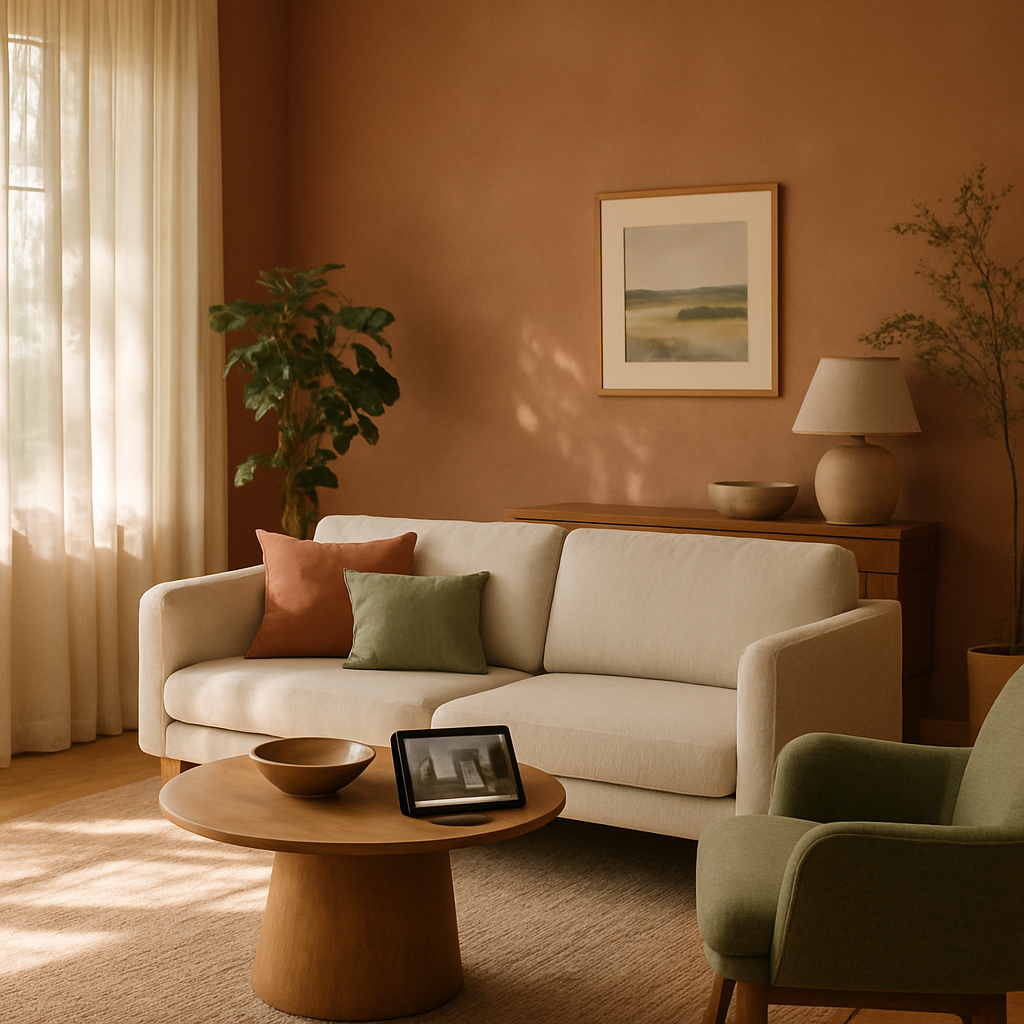
Imagine walking into a room and seeing not just your current setup but a vivid transformation of your space into your ideal vision. Thanks to AI interior design apps, this is no longer a distant dream. These cutting-edge tools are reshaping how homeowners and professionals alike approach home makeovers, offering unprecedented access to design expertise and visualization capabilities. In this article, we'll explore the foundational concepts of AI in interior design, provide a deeper analysis of how data is driving these innovations, share actionable strategies for using these apps, delve into expert-level details for maximizing their potential, and offer additional insights for a comprehensive understanding.
Understanding AI's Role in Interior Design
The integration of AI into interior design marks a significant milestone, transforming the way spaces are conceptualized and executed. At its core, AI technology leverages machine learning algorithms to analyze user preferences, spatial dynamics, and design trends, offering tailored solutions that enhance creativity and efficiency. This approach allows users to visualize potential changes in real-time, making design choices more informed and less speculative.
AI interior design apps utilize vast databases of design elements and user-generated data to recommend color schemes, furniture layouts, and decor styles that align with a client's personal taste. Applications such as Houzz and Pinterest have already begun incorporating AI features that suggest design ideas based on user interactions and saved preferences. This means that the more you interact with these platforms, the more refined and personalized the design suggestions become.
Furthermore, AI tools are enabling designers to create photorealistic renderings and virtual walkthroughs of proposed designs. This technology is not just for professionals; homeowners can now engage with design projects more directly, experimenting with different styles before committing to any changes. As AI continues to evolve, its role in interior design is expected to expand, offering even more sophisticated tools for creating personalized and functional spaces.
Data-Driven Design: How AI Learns and Innovates
AI's ability to revolutionize interior design stems from its capacity to process and learn from vast amounts of data. According to a recent survey by the American Society of Interior Designers (ASID), data-driven design is increasing client satisfaction rates by up to 30%. This efficiency is due to AI's ability to analyze trends and predict what design features will resonate most with users.
For instance, AI can assess color palettes that have historically been successful in similar living spaces or predict the popularity of certain design trends, such as biophilic design and quiet luxury, which are prominent in 2026. By evaluating these trends, AI provides insights that help designers make informed decisions that align with current market demands. AI's adaptability ensures that design recommendations are not only aesthetically pleasing but also practical and forward-thinking.
Moreover, AI technology is increasingly being used to optimize space utilization. For example, by analyzing a room's dimensions and existing furnishings, AI can suggest furniture arrangements that maximize space and functionality. This is particularly valuable in smaller homes or urban apartments where space constraints are a significant concern. Ultimately, AI-driven data analytics allows for a blend of creativity and efficiency, resulting in designs that are both innovative and practical.
Actionable Strategies for Leveraging AI Apps
How can you make the most of AI interior design apps in your next home makeover? Start by clearly defining your design goals and collecting inspiration. Platforms like Pinterest are excellent for curating visual ideas that resonate with your style. Once you have a clear vision, AI apps can help bring those ideas to life by offering suggestions that align with your preferences and spatial requirements.
Next, take advantage of AI's virtual reality capabilities. Tools such as AR/VR room visualization allow you to experience potential design changes in a 3D environment before any physical alterations are made. This feature not only saves time and resources but also ensures that the final outcome meets your expectations. Experimenting with different layouts and styles virtually can lead to unexpected but delightful design discoveries.
Finally, consider consulting with a certified interior designer who has experience using AI tools. Professionals with credentials from organizations like the NCIDQ (National Council for Interior Design Qualification) can provide valuable insights on integrating AI recommendations with traditional design principles. This collaboration ensures that technology enhances rather than overrides the nuanced expertise of human designers. Are you ready to explore how these apps can transform your space?
Expert Insights: Maximizing AI's Potential
Experienced professionals often note that while AI tools are powerful, their true potential is unlocked when combined with human creativity and industry knowledge. According to the International Interior Design Association (IIDA), designers who leverage AI alongside their expertise report higher client satisfaction and more efficient project timelines.
One key advantage of AI is its ability to streamline the concept development and design presentation phases of a project. By automating certain processes, designers can focus more on creative problem-solving and client interaction. This efficiency allows for more personalized service and the ability to take on additional projects without compromising quality.
Additionally, AI can assist with procurement and installation by offering insights into sustainable and cost-effective materials. As sustainability becomes increasingly important, AI's ability to identify and recommend eco-friendly options is invaluable. By integrating AI's analytical strengths with a designer's aesthetic vision, the result is a space that is not only visually appealing but also environmentally responsible. How might AI help you prioritize sustainability in your next design project?
Additional Insights: The Future of AI in Design
As we look to the future, the role of AI in interior design is set to expand even further. With advancements in smart home technology, AI is poised to integrate seamlessly with automated systems, offering holistic solutions that enhance both design and functionality. Imagine a home where lighting, climate control, and even window treatments are all optimized through AI-driven systems to complement your interior design.
Moreover, the use of AI in design education is likely to grow, with institutions incorporating AI tools into their curricula to prepare the next generation of designers. This integration will ensure that future professionals are adept at using technology to enhance their creative processes. The Architectural Digest's AD PRO network suggests that by embracing AI, designers can remain competitive in an industry that values innovation and adaptability.
Ultimately, AI's influence on interior design promises to make the process more accessible, efficient, and tailored to individual needs. As these tools become more sophisticated, they will continue to offer opportunities for creativity and customization that were previously unimaginable. Are you prepared to embrace the AI revolution in your design endeavors?
Final Thoughts on AI-Driven Design
In conclusion, AI interior design apps are revolutionizing the way we approach home makeovers, offering tools that enhance creativity, efficiency, and personalization. By understanding AI's capabilities and integrating them with traditional design expertise, homeowners and professionals can achieve spaces that are both functional and aesthetically pleasing.
The potential for AI in interior design is vast, with opportunities for continued growth and innovation. As these technologies advance, they will undoubtedly redefine the boundaries of what is possible in home design. To start your journey with AI-driven design, explore platforms like Houzz and Pinterest for inspiration, and consider consulting with a certified designer to bring your vision to life.
Start by browsing portfolios on Houzz this week-even 20 minutes of research will sharpen your eye for what you truly want. By embracing AI tools, you're not just redesigning a space; you're creating an environment that reflects your style and meets your needs with precision and flair.



Comments
Post a Comment