How to Create a Stunning Mood Board for Interior Design Success
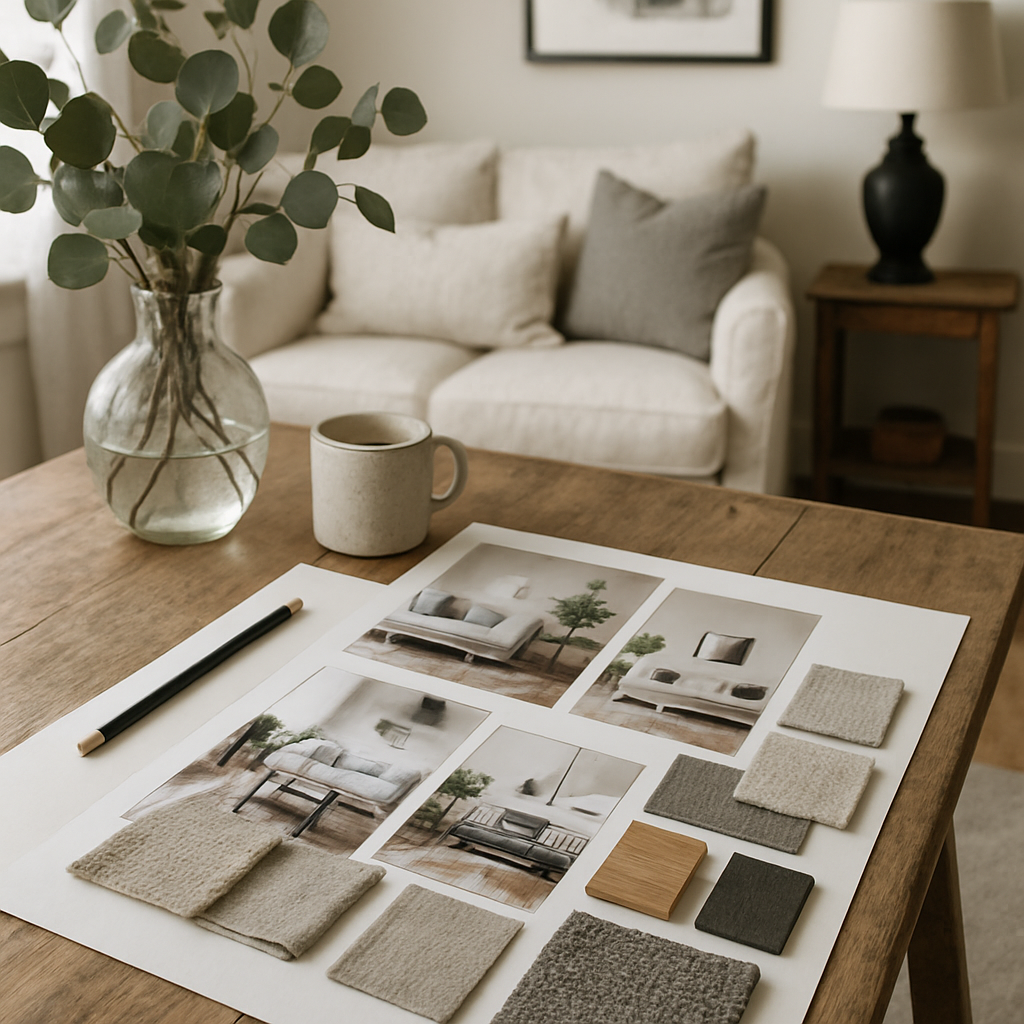
Have you ever felt overwhelmed by the sheer volume of interior design possibilities? Imagine this: You're standing in a furniture store, surrounded by endless options, yet you can't quite envision how everything will come together in your home. This is where a mood board can change everything. A well-crafted mood board acts as a visual guide, transforming ideas into a cohesive plan. In this article, we'll explore the key elements of creating a powerful mood board, delve into design theories, and provide actionable advice to ensure your interior design project is a resounding success.
Understanding the Foundation of a Mood Board
At its core, a mood board is a visual tool that helps you conceptualize and communicate your design vision. It consists of images, textures, colors, and materials that collectively capture the essence of your desired aesthetic. According to the American Society of Interior Designers (ASID), mood boards are not just about aesthetics; they also play a crucial role in aligning the designer's vision with the client's expectations. This alignment is essential for avoiding costly mistakes during the design process.
Creating an effective mood board begins with understanding your personal style and the goals of your space. Are you drawn to the clean lines of minimalism, the cozy allure of rustic design, or perhaps the eclectic mix of bohemian decor? By identifying these preferences early on, you set the stage for a more focused and intentional design process. The International Interior Design Association (IIDA) emphasizes the importance of this early stage in ensuring that the final outcome resonates with the client's lifestyle and functional needs.
Moreover, mood boards serve as an invaluable communication tool between designers and clients. They provide a tangible representation of abstract ideas, making it easier to convey concepts that might otherwise be lost in translation. This clarity is vital, especially when working with a team of professionals such as architects and contractors, who rely on precise visual cues to execute the design plan accurately. Transitioning to the next section, we will explore how data and analytics can further enhance the mood board creation process.
Leveraging Data for Mood Board Precision
Incorporating data into your mood board development isn't just a high-tech gimmick; it's a way to ground your vision in reality. According to Houzz's annual survey, more than 70% of homeowners reported that visualizing the end result helped them stay satisfied throughout the design process. This satisfaction is often linked to the realistic expectations set by data-driven mood boards.
One of the key data points to consider is the color palette. Color psychology plays a significant role in how a space feels and functions. For instance, blues and greens are known to promote a sense of calm, making them ideal for bedrooms and relaxation areas. On the other hand, vibrant colors like red and orange can energize a room, perfect for social spaces like kitchens and living rooms. Tools like Adobe Color can assist in selecting complementary colors that align with your design goals.
Another critical consideration is material selection, influenced by current design trends such as sustainable and reclaimed materials. Experienced professionals often note that clients are increasingly interested in the environmental impact of their design choices. By incorporating data on material durability and environmental sustainability, you can create a mood board that not only looks good but also aligns with modern values. This brings us to actionable strategies that will help you construct an effective mood board.
Actionable Strategies for Crafting Your Mood Board
Creating a mood board is as much about the process as it is about the outcome. To begin, collect a diverse range of inspiration sources. Platforms like Pinterest and Instagram are treasure troves of ideas; however, the key is to curate, not just collect. Aim to select images that truly resonate with your vision rather than overwhelming yourself with options. This is where being intentional pays off.
Once you've gathered your inspiration, the next step is to organize it effectively. Digital tools such as Canva or Milanote offer user-friendly interfaces for creating dynamic and interactive mood boards. These platforms allow you to easily drag and drop images, adjust layouts, and experiment with different compositions until you find one that feels right. Remember, the goal is to create a cohesive story, not just a collage of pretty pictures.
Finally, don't be afraid to iterate. Your first draft is just that-a draft. As you refine your mood board, continuously cross-reference it with your initial goals and design constraints, including budget and space limitations. This iterative process ensures that the final product is not only visually appealing but also practical and achievable. The next section will delve into expert-level insights that can elevate your mood board to professional standards.
Expert Insights for Elevating Your Mood Board
To take your mood board from amateur to professional, consider the perspective of seasoned designers. The National Council for Interior Design Qualification (NCIDQ) sets the standard for professional competence in the interior design industry. Certified designers often emphasize the importance of storytelling in mood boards. Every image, texture, and color should contribute to a coherent narrative that reflects the desired ambiance and functionality of the space.
Another expert tip involves the strategic use of white space. While it might be tempting to fill every corner of your board, leaving intentional gaps can help highlight key elements and prevent visual overload. This technique is particularly important if you plan to present your mood board to clients or stakeholders, as it allows them to focus on the most critical components without distraction.
Moreover, consider integrating cutting-edge technology. Augmented Reality (AR) and Virtual Reality (VR) tools are becoming increasingly popular for room visualization. These technologies allow you to simulate how your mood board elements will look in a real space, providing a more immersive experience. As we transition to additional layers of depth, let's explore the role of emotional connection in mood board creation.
Adding Emotional Depth to Your Mood Board
While technical precision is important, the emotional aspect of a mood board is what truly brings it to life. According to Architectural Digest's AD PRO network, successful mood boards evoke an emotional response that resonates with the viewer. This emotional connection is often what differentiates a good design from a great one.
To infuse emotion into your mood board, start by asking yourself what feelings you want the space to evoke. Should it feel cozy and inviting or sleek and modern? Your answer will guide your selection of images and materials. For example, incorporating natural elements like wood and greenery can create a sense of warmth and tranquility, aligning with the biophilic design trend that emphasizes the connection between nature and interiors.
Additionally, consider personal touches. Incorporating elements that hold personal significance, such as family heirlooms or local artisan pieces, can add a unique layer of depth to your mood board. These elements not only personalize the design but also ensure that the final space reflects the inhabitants' personalities and stories. As we approach the conclusion, we'll synthesize these insights into a cohesive understanding of mood board creation.
Final Perspectives on Mood Board Mastery
Creating a stunning mood board is both an art and a science. It requires a balance of creative vision and practical considerations. By understanding foundational concepts, leveraging data, and applying expert strategies, you can craft a mood board that serves as a powerful blueprint for your interior design project. The integration of emotional depth and technology further enhances this process, ensuring that your design not only looks beautiful but also functions seamlessly.
As you embark on your mood board journey, remember that this tool is a reflection of your design aspirations. Whether you're a seasoned designer or a homeowner tackling a DIY project, the principles outlined here will guide you toward success. Are you ready to create a mood board that captures your design dreams? The next step is to put these insights into practice.
Conclusion
In conclusion, a well-crafted mood board is an essential tool for achieving interior design success. It bridges the gap between inspiration and execution, serving as a visual roadmap for your project. By incorporating foundational principles, data-driven insights, and expert strategies, you can create a mood board that not only captures your vision but also ensures a cohesive and compelling final design.
Start by gathering inspiration from platforms like Houzz and Pinterest, and utilize tools like Canva to organize your ideas. As you refine your mood board, remember to consider both the technical and emotional aspects of your design. This holistic approach will enable you to create a space that is not only aesthetically pleasing but also deeply personal.
Ready to begin your mood board journey? Start by browsing designer portfolios on Houzz this week-spending even 20 minutes can sharpen your eye for what you want. The world of interior design is at your fingertips, so seize the opportunity to bring your vision to life.



Comments
Post a Comment