Gas Fireplace Log Set Ceramic Fiber Selection
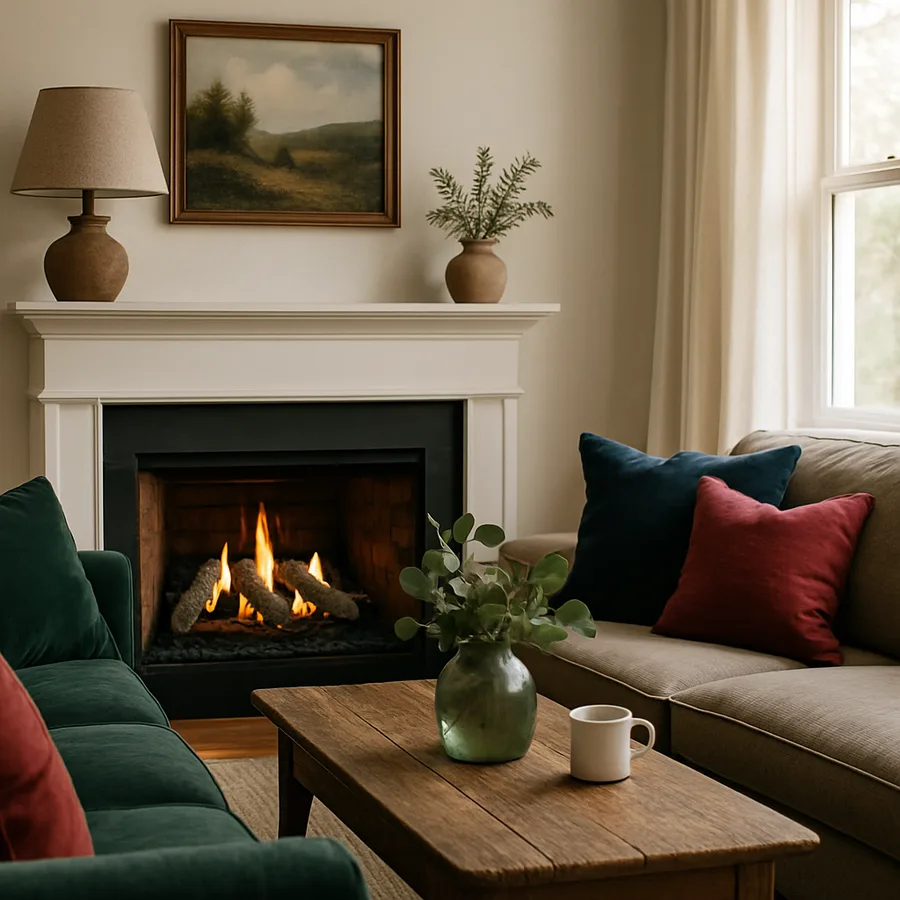
A modern ceramic fiber gas log set can radiate the visual warmth of a hardwood fire while consuming between 20,000 and 90,000 BTU per hour of natural gas or propane, and the differences between apparently similar sets are anything but cosmetic. Homeowners frequently choose a log set based on a showroom photograph, only to find that the flame pattern in their firebox looks flat, the logs discolor within a season, or the BTU rating exceeds what their chimney can safely vent. Ceramic fiber logs, sometimes called refractory ceramic fiber logs, use lightweight aluminosilicate materials that mimic the char, split, and glow of burning oak or birch with remarkable fidelity, but the selection process involves more variables than most buyers realize.
This article covers what ceramic fiber logs are actually made of, how they differ from older refractory cement designs, the vented and vent-free categories that dominate the market, BTU compatibility with existing fireboxes, the anatomy of realistic flame patterns, and the health and ventilation considerations that determine which category is appropriate for a given room. The technical details matter because a log set that looks perfect in the showroom may violate code in your municipality, exceed the safe capacity of your flue, or produce indoor air quality problems in a tightly sealed home. Choosing well requires reading past the marketing and understanding the material science underneath.
The Composition Of Modern Ceramic Fiber Logs
Refractory ceramic fiber, the base material of modern gas logs, is made from alumina and silica fibers combined with organic binders and cast in molds shaped from real wood originals. The resulting logs weigh a fraction of what solid concrete or refractory cement logs weigh, which allows them to reproduce fine surface details like bark texture, splitting patterns, and knot voids that heavier materials cannot capture. The low density also means less thermal mass, so the logs heat quickly and glow brightly at lower flame heights than their predecessors.
The specific ceramic fiber formulations used by leading manufacturers achieve service temperatures between 2,300 and 2,700 degrees Fahrenheit, which is well above the peak flame temperature of natural gas at atmospheric conditions. This margin means the logs do not degrade under normal operation, though they can be damaged by physical impact, water contact from downdraft rain, or improper burner alignment that concentrates flame on a single point.
Log surface treatments determine how convincing the finished product looks. Higher-end sets receive multiple layers of colored ceramic slurries that produce the ash gray, deep char black, and ember orange visible in a real wood fire. The paint layers must be ceramic-based, not organic, since organic paints would burn off within a few uses. Some manufacturers add glowing embers made of vermiculite or ceramic wool at the burner base to produce the shimmering red-orange glow that supplements the flame itself. These small details are the difference between a log set that looks convincing at 15 feet and one that looks convincing at 3 feet.
Construction Differences Between Refractory Cement And Ceramic Fiber
Two dominant log construction methods have shared the market for decades. Refractory cement logs are the older technology, made from a Portland cement matrix reinforced with steel fibers or wire mesh and cast in shaped molds. They are heavy, durable, and inexpensive, and they remain popular in commercial and vent-free applications where cost dominates the specification. Ceramic fiber logs are lighter, more detailed, and more expensive, and they are almost universal at the premium end of the market.
Refractory cement logs weigh three to five times what equivalent ceramic fiber logs weigh, which limits the surface detail and the visual realism achievable. The heavier logs also retain heat longer, which can be an advantage for radiant warmth after the burner shuts off but a disadvantage in fireplaces where the surrounding wall assembly cannot dissipate that stored heat safely.
The choice between them is often driven by the fireplace application rather than personal preference. A vented gas log set in a masonry fireplace can use either material and the difference is largely aesthetic and budgetary. A vent-free set almost always uses ceramic fiber because the lower thermal mass reduces the risk of the logs remaining hot enough to ignite dust or lint dropped into the firebox after the burner cuts off. Manufacturer specifications generally indicate which material is appropriate for a given installation, and the appliance labeling should match the log set category listed in the burner documentation.
Vented And Vent-Free Log Set Categories
The single most important classification for any gas log purchase is whether the set is vented, requiring an open flue for exhaust, or vent-free, which discharges combustion products into the room. Vented sets produce a taller and more realistic flame pattern, since they can operate with a fuel-rich mixture that generates the yellow flame characteristic of wood fires. They also produce more carbon monoxide and other combustion products, and they require the damper to remain fully open at all times during use, which limits their heat output efficiency.
Vent-free log sets operate with a leaner air-fuel mixture that produces cleaner combustion. They meet strict emissions standards set by ANSI Z21.11.2, the standard for gas-fired room heaters, which caps carbon monoxide emissions and requires oxygen depletion sensors that shut down the burner if room oxygen levels fall below safe thresholds. The tradeoff is a shorter, bluer flame pattern that many buyers find less visually convincing than a vented set.
Local code varies significantly on vent-free installations. Some jurisdictions prohibit them entirely, including California and Massachusetts and most Canadian provinces. Others allow them only in bedrooms below a certain BTU rating, or only when combined with mechanical ventilation. The American National Standards Institute maintains the current versions of the relevant standards, and manufacturers publish jurisdiction-specific installation guidance. Before purchasing any vent-free set, confirming that the installation is permitted at the specific address is essential, since retailers often stock units that cannot legally be installed in the buyer's state.
BTU Ratings And Firebox Compatibility
Gas log burner assemblies are rated in BTU per hour, and matching the rating to the firebox is critical for both performance and safety. A firebox that is too small for the BTU rating will experience excessive wall and lintel temperatures that can damage the masonry or ignite adjacent framing. A firebox that is too large for the burner will produce weak visual flames and poor heat output, since the combustion products will dissipate before reaching the throat and the radiant heat will not fill the visible flame area.
The general sizing guideline for vented gas logs is roughly 20,000 BTU per hour for a small 24-inch firebox, 30,000 BTU per hour for a medium 30-inch firebox, and 45,000 to 60,000 BTU per hour for a large 36-inch or 42-inch firebox. Very large fireboxes above 48 inches can accommodate 80,000 to 90,000 BTU burners, though few residential installations require that much output. Vent-free sets are typically limited to 40,000 BTU per hour by ANSI standard, since higher outputs produce more combustion products than a room can safely absorb without mechanical ventilation.
The following factors should guide the BTU selection:
- Firebox interior dimensions measured at the front opening and rear wall
- Flue size and height, which determine safe exhaust capacity for vented sets
- Room volume and available combustion air for vent-free sets
- Fuel type (natural gas or propane) and available supply line capacity
- Whether the fireplace will provide supplemental heat or serve as pure ambiance
- Local code limits on BTU output for the specific installation type
Undersized fuel supply lines are a common problem in retrofits. A gas log set at 60,000 BTU per hour on natural gas requires a 3/8-inch or larger supply line at the appropriate pressure, and older homes may have 1/4-inch lines that were adequate for a 20,000 BTU decorative burner but cannot deliver enough fuel for the new set. Verifying the supply line size before purchasing is a small step that prevents an expensive install-day surprise.
Realistic Flame Patterns And Log Placement Anatomy
The visual quality of a gas log fire depends on burner design, log arrangement, and burner-to-log spacing to a greater degree than most buyers realize. A well-designed set uses a burner pan with multiple jet ports arranged to produce flame ribbons that appear to emerge from between the logs rather than from below them, and the log placement includes ember bed material and ash accents that catch the flame light and glow in convincing ways.
Log placement is not decorative freedom. Every ceramic fiber log set ships with a placement diagram that specifies exact positions for the rear log, split logs, ember piece, and any decorative branches. Deviating from this arrangement often produces flame patterns that overlap the wrong log surfaces, creating black soot deposits on the front-facing sides and reducing the visual realism of the flame. It also risks flame impingement on burner components that should remain outside the flame envelope.
Ember beds deserve specific attention. Vermiculite chips, ceramic wool, and small glowing rocks are placed in defined patterns at the burner base to catch flame light and create the shimmering red-orange glow that mimics wood coals. These materials must be replaced periodically as they degrade, and manufacturers offer ember refresh kits for this purpose. Skipping this maintenance leaves the burner looking bare and reduces the visual richness that the set was designed to produce.
Health, Emissions And Ventilation Considerations
Every gas combustion process produces carbon dioxide, water vapor, small amounts of carbon monoxide, and trace nitrogen oxides. Vented log sets exhaust essentially all of these products up the flue, so indoor air quality impact is limited to whatever spillage occurs during startup or downdraft events. Vent-free log sets discharge everything into the room, which raises indoor humidity, CO2, and other pollutants to levels that can affect sensitive occupants.
Humidity is the most commonly overlooked effect. A vent-free log set at 30,000 BTU per hour produces roughly one pound of water vapor per hour of operation. In a tightly built home during winter, that moisture accumulates in the interior air, condenses on cold surfaces such as window frames, and can lead to mold or paint damage over a heating season. Homes built to modern energy codes with sealed air barriers are particularly susceptible, since the moisture cannot dissipate through infiltration losses the way it did in older leaky construction.
Carbon monoxide detection is non-negotiable in any room with a vent-free installation, and it is a sensible precaution even with vented sets. Detectors should be placed on each level of the home and near sleeping areas, per the guidance published by the Consumer Product Safety Commission. The oxygen depletion sensors built into vent-free burners are a last-resort safety device, not a substitute for permanent CO monitoring elsewhere in the house.
Getting The Long-Term Right
A ceramic fiber gas log set is a purchase that will live in the same room for 15 to 25 years. The decisions made at selection time echo through every winter evening for as long as the set remains in service. Homeowners who take the time to understand vented versus vent-free tradeoffs, match BTU output to firebox capacity, verify fuel supply adequacy, and confirm local code compliance end up with installations that perform as expected and require only occasional ember refresh and burner cleaning.
The visual quality of the set matters, but not more than its safety and code compliance. A stunning showroom example that violates the local prohibition on vent-free installations, or that exceeds the safe capacity of the existing flue, or that requires a fuel supply upgrade the homeowner did not budget for, will produce years of frustration. Working with a dealer who understands the specific local codes, and asking to see the manufacturer's installation manual before purchase rather than after, prevents the most common category of disappointment.
Maintenance planning should be part of the initial decision. Ceramic fiber logs are more delicate than they appear. They chip if bumped hard, discolor if flame impingement is misaligned, and require occasional repositioning as ember bed material settles. Setting a calendar reminder to inspect log placement and burner ports at the beginning of each heating season keeps the set looking as intended and catches small problems before they become expensive ones. When the set is well specified, well installed, and well maintained, it produces the atmospheric warmth that convinced the homeowner to buy a gas fireplace in the first place, with none of the wood handling, ash cleanup, or draft management that a wood-burning system demands.
More Articles You May Like



Comments
Post a Comment