
Leather Sofa Conditioning Schedule Cracking Prevention
Leather Sofa Conditioning Schedule Cracking Prevention
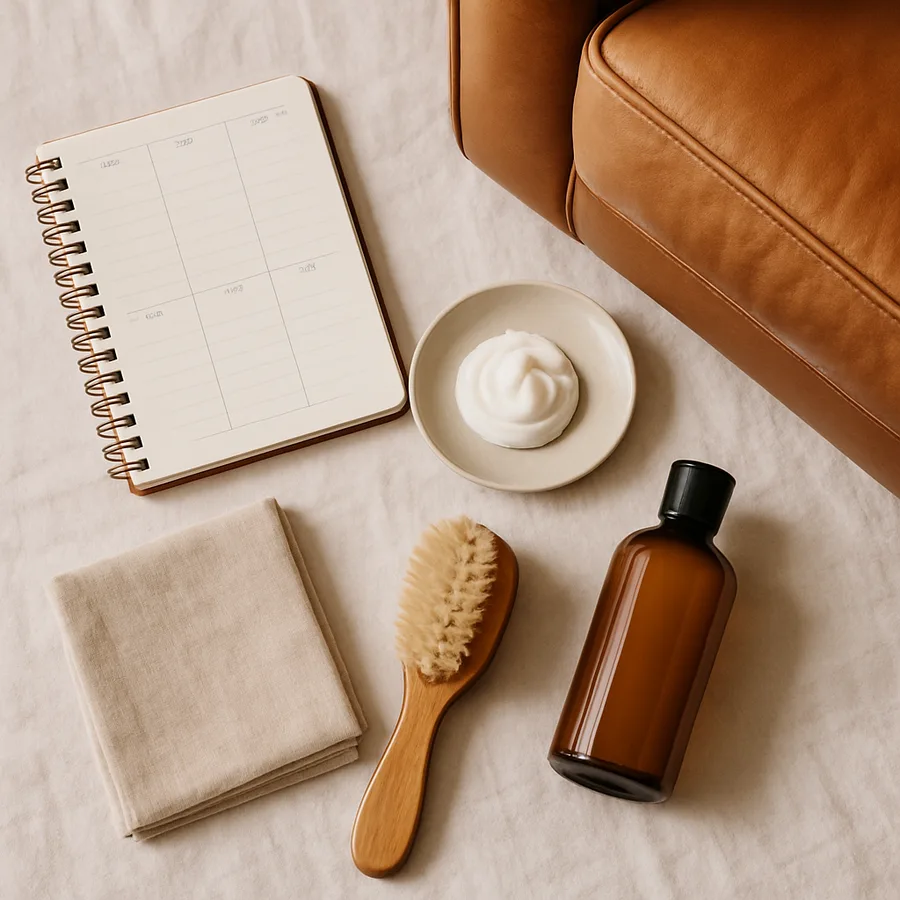
A high quality leather sofa is a significant household investment, often costing between 2,000 and 8,000 dollars and reasonably expected to last 15 to 25 years with proper care. Yet the most common reason these sofas reach the end of their useful lives prematurely is not damage from kids or pets, but slow dehydration of the leather itself, which causes the surface to harden, lose its suppleness, and eventually crack along stress lines at the seat, the arms, and the back cushion edges. The Leather Industries of America estimates that more than 40 percent of leather furniture replaced in the first decade of ownership shows damage that proper conditioning would have prevented, representing billions of dollars annually in avoidable replacement spending.
What is the right conditioning schedule for a leather sofa, and how does it vary by leather type, by climate, and by use intensity? Which products work and which are marketing-driven impulse purchases? When is leather beyond saving and when can it be revived from cracks that have already appeared? This guide walks through the science of leather aging, the practical schedule that prevents cracking, and the conditioning techniques used by professional leather restoration shops.
Why Leather Dries Out
Leather is animal hide that has been chemically transformed through tanning to remain stable and pliable rather than rotting or stiffening. The flexibility of leather depends on a network of natural oils and fats within the hide structure, which keep the collagen fibers lubricated and able to slide past each other when the leather flexes. As these oils slowly migrate to the surface and evaporate, or are absorbed by clothing and contact, the leather progressively loses its suppleness.
Environmental factors accelerate the drying process. Low humidity, especially during winter heating season, draws moisture from leather along with the oils. Direct sunlight breaks down the oils through ultraviolet damage and bleaches the surface dyes. Heat sources such as fireplaces, heating vents, and radiators cause accelerated migration and evaporation. Body oils, while initially absorbed by leather, eventually degrade the natural oils and may leave acidic residues that further compromise the surface.
The American Leather Chemists Association publishes technical data showing that untreated quality leather typically loses 30 to 50 percent of its natural oils within the first five years of normal residential use, with the rate of loss varying substantially by climate, humidity control, and use intensity. By ten years, leather that has never been conditioned often retains less than 30 percent of its original oil content, at which point cracking becomes likely with any significant flexion. Architectural Digest features on leather furniture longevity consistently cite conditioning frequency as the single largest factor distinguishing pieces that last decades from pieces that fail in under ten years.
Identifying Your Leather Type
Different leather types require different conditioning approaches, and using the wrong product can damage the finish or leave the surface looking blotchy. The four common categories on residential furniture each call for slightly different treatment.
Aniline leather is the highest grade, dyed with soluble dyes that show the natural grain and that absorb conditioners readily. It feels soft and warm to the touch and shows clear color variation from hide to hide. Aniline accepts a wide range of conditioners but is also the most prone to water spotting and color transfer, requiring careful product selection.
Semi-aniline leather has a light protective coating over aniline dyeing, balancing the natural appearance of aniline with improved stain resistance. It conditions well but absorbs more slowly than pure aniline and may need multiple light applications rather than a single heavy one.
Pigmented or protected leather has a polymer coating that hides natural variation and resists stains, common on family-oriented sofas where durability matters more than feel. The coating limits conditioner absorption, so conditioning is partly about maintaining the surface coating's flexibility rather than penetrating to the leather underneath. Specialized water-based conditioners formulated for coated leather work best here.
Nubuck and suede are sanded surfaces with a velvety nap, and they require entirely different care than smooth leather. Standard leather conditioners will mat the nap and stain the surface. These materials need brush cleaning, specialized nubuck protectants, and generally hold up best when sprayed rather than wiped.
Building A Conditioning Schedule
The basic schedule for most leather sofas in most homes is twice yearly conditioning, with timing keyed to seasonal humidity changes. A thorough conditioning in early fall, before heating season begins, prepares the leather for the dry winter months. A second conditioning in late spring, after heating season ends, restores any oils lost during the dry period and prepares the leather for summer use.
This baseline schedule should be adjusted upward in several situations. Arid climates with average humidity below 30 percent justify three or four conditionings per year. High use sofas in households where someone sits on the leather daily for several hours need more frequent attention than guest room pieces that sit unused most of the time. Sofas exposed to direct sunlight for part of each day need quarterly conditioning at minimum, plus consideration of window treatment changes to reduce UV exposure.
The schedule should be adjusted downward in some cases. A vacation home that sits empty for most of the year may need only annual conditioning, ideally just before extended periods of use. A sofa in a tightly humidity-controlled environment around 50 percent relative humidity year-round will need less frequent conditioning than the same sofa in a home where humidity swings widely. According to This Old House features on furniture care, whole house humidification during winter is one of the most cost effective long term investments for protecting leather furniture, often paying for itself within a few years through reduced replacement needs across all leather pieces in the home.
Selecting A Conditioner
The leather conditioner market includes products ranging from 10 dollars to more than 80 dollars for similar quantities, with quality varying widely and not always correlating with price. Several formulation categories cover most quality products.
Lanolin-based conditioners use a waxy substance derived from sheep wool, which closely resembles the natural oils in leather. Lanolin penetrates well and provides long-lasting conditioning. Many traditional leather care products, including saddle soap blends and Bick 4 leather conditioner, use lanolin as a primary active ingredient.
Neatsfoot oil is a traditional leather conditioner made from cattle hooves and shin bones. Pure neatsfoot oil penetrates aggressively and is excellent for very dry leather, but it can darken some leathers significantly and may compromise the appearance of lighter colored pieces. Reserve neatsfoot for revival of seriously dehydrated leather rather than routine maintenance.
Modern emulsion conditioners combine water, oils, and surfactants in formulations designed for specific leather types. Lexol Leather Conditioner is widely available and works well on most smooth leathers. Leather Honey is a popular premium option that uses natural oils and provides long-lasting conditioning. Chamberlain's Leather Milk offers several formulations matched to different leather types.
Avoid silicone-based conditioners, which create a temporary shine but seal the leather surface against future conditioning. Avoid conditioners containing harsh solvents, which strip oils rather than replacing them. Avoid household products like olive oil, coconut oil, or mink oil, which sound natural but may go rancid in the leather over time. The Leather Industries of America maintains lists of recommended professional and consumer conditioners that have been tested for long term safety on leather, and consulting these lists before purchase saves money and avoids damage.
The Application Process
Begin with thorough cleaning. Conditioning over dirt, body oils, or product residue traps these contaminants against the leather and may cause discoloration or accelerated breakdown. Use a leather cleaner formulated for your leather type, applied with a soft cloth in small circular motions, then wiped clean with a second damp cloth. Allow the leather to dry completely, usually 30 to 60 minutes, before applying conditioner.
Apply conditioner in thin, even coats rather than a single heavy application. A small amount on a soft cloth, worked into the leather in small circles, allows the leather to absorb the conditioner properly without leaving a greasy surface residue. Work systematically across the entire piece, including areas that look fine; uniform application prevents the patchy appearance that results from conditioning only the visibly dry sections.
Pay particular attention to high stress areas: the seat cushion crease, the front edge of the seat, the arm rests where elbows rest, and the back cushion edges where bodies press against them. These areas dry first and crack first, and they need more frequent and more thorough conditioning than less stressed areas.
Allow the conditioner to absorb for the time recommended by the product, usually 15 minutes to several hours. Buff lightly with a soft cloth to remove any surface residue, then leave the sofa unused for several hours to allow full absorption. The American Society of Interior Designers guidelines for leather furniture maintenance specifically recommend completing conditioning in the evening so the leather can absorb overnight without immediate use, which improves penetration and reduces surface streaking. Practical demonstrations of the technique are available through Smithsonian Institution conservation education resources, which include video walkthroughs covering many of the same principles used by museum textile and leather departments.
Reviving Already Damaged Leather
Leather that has begun to show surface cracking is not necessarily lost. Light surface cracks, the kind that appear as a network of fine lines in stressed areas but do not penetrate through the leather, can often be substantially improved through aggressive rehydration. Apply conditioner more frequently, every two to four weeks, for several months, allowing each application to fully absorb. The leather will gradually regain suppleness, and the surface cracks will become less visible as the surrounding leather softens.
Deeper cracks that have penetrated the leather and reveal lighter colored material underneath require professional restoration. A leather restoration specialist can fill cracks with color-matched leather repair compound, then re-dye and re-finish the surface to blend with the surrounding area. Costs typically run 200 to 800 dollars for sofa restoration of this type, depending on the extent of damage, which is often justified for pieces of significant initial value.
Leather that has hardened to the point of feeling like cardboard, with widespread deep cracking and surface flaking, has generally lost too much of its underlying structure to revive convincingly. Restoration is possible but the result will look restored rather than original, and homeowners should consider whether replacement is the more practical choice. Catching damage early, when conditioning can still reverse it, is dramatically more cost effective than restoration of advanced damage.
Conclusion
A leather sofa conditioning schedule is one of the highest return household maintenance practices, requiring perhaps an hour of work twice a year and extending the useful life of an expensive piece of furniture by a decade or more. The schedule itself is simple: thorough cleaning, careful conditioner selection, thin even application focused on stress points, and adjustment of frequency for your climate and use patterns. What separates owners whose sofas last 25 years from owners whose sofas crack within ten is rarely product selection and almost always consistency of the routine.
If you have not conditioned your leather sofa within the past year, this weekend is a good time to start. Identify your leather type, select an appropriate conditioner from a reputable manufacturer, set aside two hours for thorough cleaning and conditioning, and add the next session to your calendar six months out. Treat the schedule as a non-negotiable part of household care, like changing furnace filters or cleaning gutters, and your leather furniture will reward you with decades of continued service. The investment you made when you bought the piece deserves the small ongoing effort that preserves it.


Comments
Post a Comment