Unlocking the Secrets: What Is Interior Design and Why It Matters
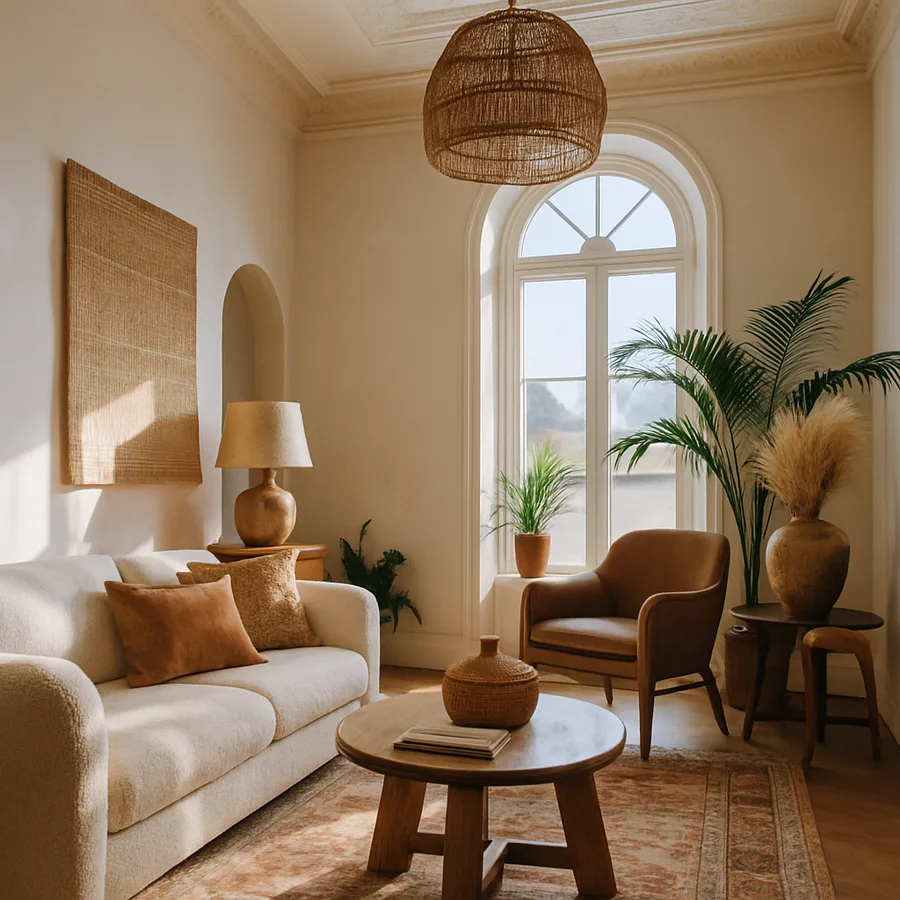
Have you ever walked into a room and immediately felt at ease, inspired, or energized? The magic behind such experiences often lies in the art and science of interior design. According to a survey by the American Society of Interior Designers (ASID), well-executed interior design can increase a property's resale value by 5-15%. But what exactly is interior design, and why does it hold such power? This article will demystify interior design by exploring its current landscape, identifying key drivers of change, examining research findings, and offering practical implications for your own spaces. We'll also delve into expert perspectives and look toward the future to understand how interior design continues to evolve.
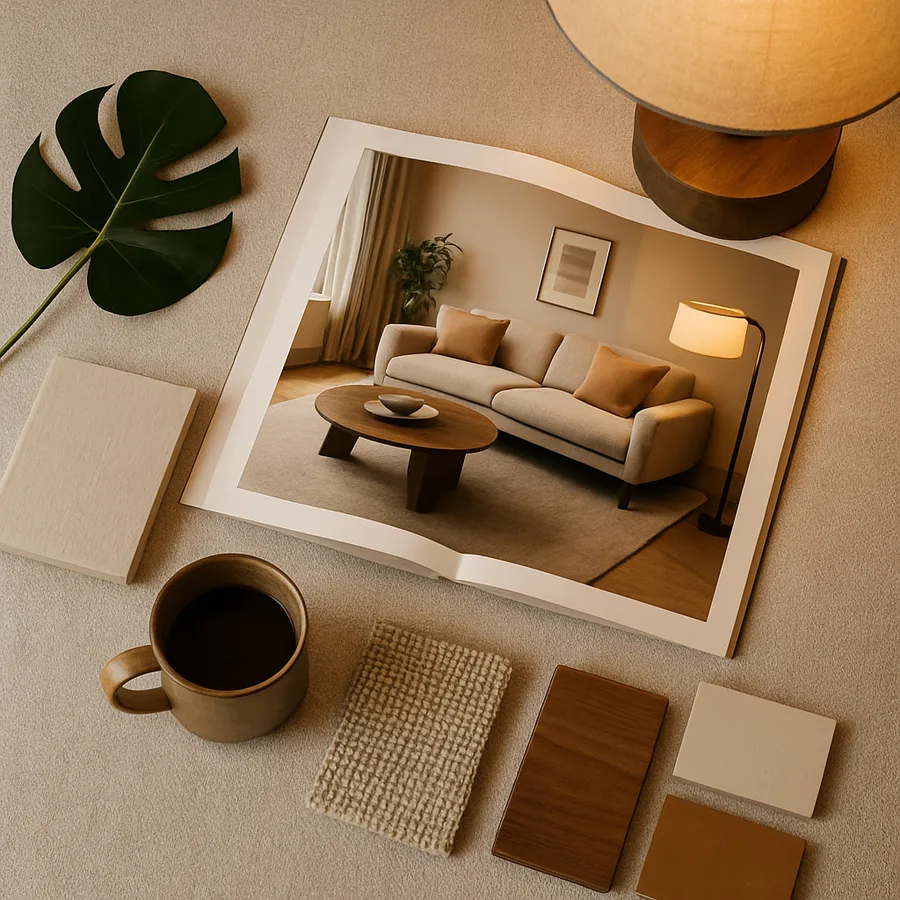
The Current Landscape
Interior design today encompasses far more than just aesthetics; it's about creating functional spaces that enhance the quality of life. This discipline merges creativity with technical knowledge to optimize the way space is used. Designers must consider everything from ergonomics and lighting to acoustics and sustainability. The National Council for Interior Design Qualification (NCIDQ) sets the gold standard for certification, ensuring that professionals are equipped to meet these complex demands.
Trends like biophilic design, which emphasizes natural materials and indoor-outdoor flow, are gaining traction. This approach not only boosts aesthetic appeal but also promotes well-being by connecting inhabitants with nature. The Houzz annual survey indicates a growing preference for sustainable and eco-friendly materials, reflecting a broader societal shift towards environmental responsibility.
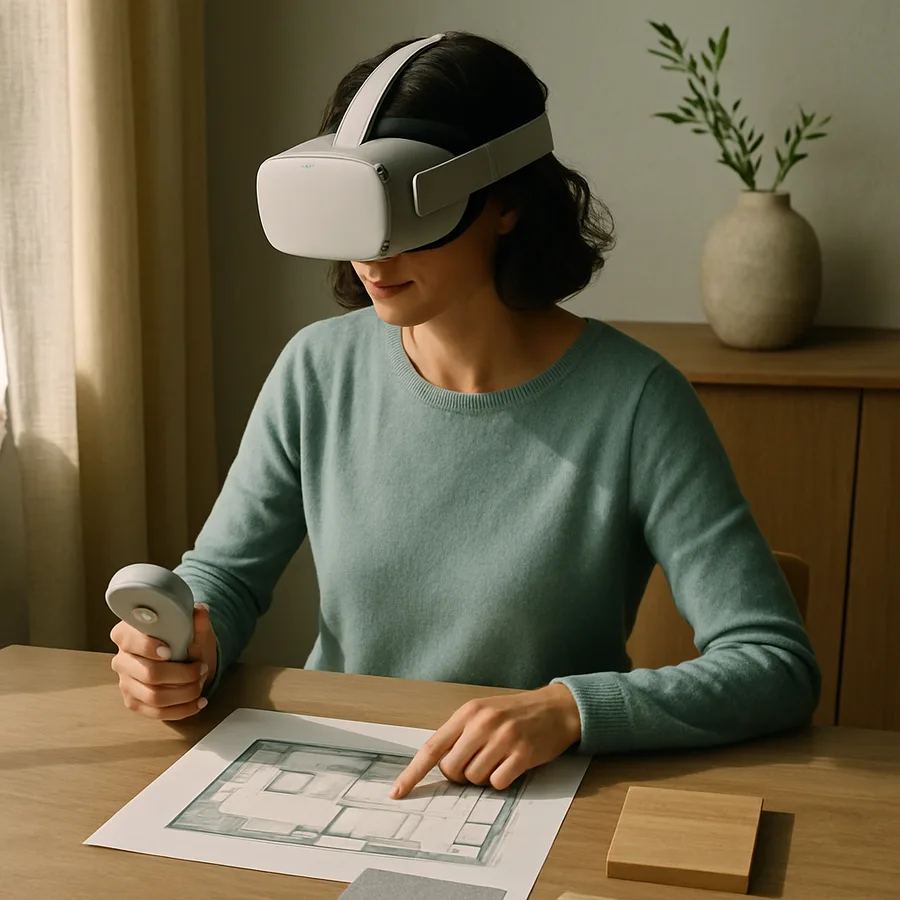
The integration of technology is another hallmark of modern interior design. Smart home features, such as automated lighting and climate control, are increasingly popular. Designers are now harnessing AR/VR room visualization tools to present clients with immersive previews of potential designs. As we navigate this landscape, it's clear that interior design is evolving to meet both aesthetic desires and practical needs.
Key Factors Driving Change
The world of interior design is being reshaped by several key factors. The increasing demand for personalized spaces is one such driver. Homeowners are no longer satisfied with cookie-cutter designs; they want environments that reflect their unique personalities and lifestyles. This shift is evident in the rise of Japandi style, a fusion of Japanese minimalism and Scandinavian warmth, which offers simplicity without sacrificing comfort.
Economic considerations also play a significant role. As housing costs rise, people are opting for downsized living spaces, necessitating creative solutions for maximizing functionality. Experienced professionals often note that this trend has led to a surge in popularity for multipurpose furniture and space-saving innovations. These changes are not just about fitting into smaller footprints but optimizing every square inch for both utility and style.
Moreover, the global push for sustainability is influencing design choices. According to research from the International Interior Design Association (IIDA), there's a marked increase in the use of reclaimed materials and energy-efficient systems. This shift towards sustainability isn't just a trend; it's a necessity as consumers become more conscious of their environmental impact. As these factors continue to drive change, the interior design industry must adapt and innovate to stay relevant.
What the Research Shows
Research in interior design consistently underscores its impact on human experience and behavior. Studies reveal that well-designed spaces can significantly improve mental health and productivity. For instance, a study by the American Institute of Architects (AIA) found that natural light and open layouts can boost productivity by up to 20%. This suggests that design choices are not merely about visual appeal but also about enhancing performance and well-being.
The Houzz survey data further illustrates the financial benefits of interior design. Homeowners who invested in professional design services reported higher satisfaction levels and increased property values. The data reveals that on average, a single-room redesign ranges from $5,000 to $15,000, while full-home projects can exceed $150,000. Despite these costs, the return on investment often justifies the expenditure, particularly when considering long-term benefits such as increased resale value.
Moreover, research highlights the importance of certified professionals. Credentials like NCIDQ ensure that designers possess the necessary skills and knowledge to handle diverse projects. Certification also reassures clients of the designer's competence, which is crucial given the complexities involved in modern design projects. With such compelling evidence, it's clear that interior design is a strategic investment in both quality of life and property value.
Practical Implications for You
How can you apply these insights to your own space? Start by identifying the functions and emotions you want your space to support. Think about where you relax, entertain, or work. Mapping out these zones will help you prioritize design elements that align with your lifestyle. Consider hiring certified professionals to guide this process; their expertise can transform your vision into reality.
Budgeting is another critical step. Understanding that costs can range from a few thousand to over a hundred thousand dollars, depending on the scope, will help set realistic expectations. Determine which areas are worth the investment and where you might save. For instance, splurging on high-quality, sustainable materials might pay off in the long run through durability and resale value.
Finally, leverage technology to visualize potential designs. Many designers offer AR/VR consultations, providing a virtual walkthrough of your future space. This technology can help you make informed decisions about layouts and finishes before committing financially. By understanding and applying these practical implications, you can create a space that not only looks beautiful but also enhances your daily life.
Expert Perspectives
Industry experts emphasize the importance of aligning design choices with lifestyle needs. According to seasoned designers, the best projects begin with a thorough understanding of the client's habits and preferences. This client-centric approach ensures that the final design is not only aesthetically pleasing but also functional and personalized.
Experts also highlight the significance of staying informed about current trends and technologies. The rapid pace of innovation means that tools and materials are constantly evolving. Experienced professionals recommend regularly consulting resources like Architectural Digest's AD PRO or attending design expos to keep abreast of the latest developments. Such proactive engagement can provide fresh inspiration and technical solutions for challenging projects.
Finally, networking with other professionals through organizations like ASID or IIDA can be invaluable. These networks offer access to a wealth of knowledge and industry best practices, fostering a collaborative environment where designers can learn and grow. By heeding expert advice, both seasoned designers and newcomers can refine their craft and deliver exceptional results.
Looking Ahead
The future of interior design is poised to be even more dynamic and innovative. As technology continues to advance, we can expect more sophisticated tools that enhance both the design process and the client experience. From virtual reality consultations to AI-driven design tools, the possibilities are expanding rapidly.
Additionally, the focus on sustainability is likely to intensify. With environmental concerns at the forefront, the demand for eco-friendly designs and materials will only grow. This trend not only reflects a commitment to the planet but also meets the increasing consumer demand for responsible choices.
As we look ahead, it's clear that interior design will continue to play a pivotal role in shaping how we live and interact with our environments. The key will be balancing innovation with timeless principles of design to create spaces that are both beautiful and functional.
Conclusion
In conclusion, interior design is much more than arranging furniture or choosing color palettes. It's a comprehensive discipline that impacts our well-being, productivity, and property value. By understanding the current landscape, key drivers of change, and expert perspectives, you are better equipped to make informed decisions about your own spaces. So why not start today? Explore resources like Houzz for inspiration, or reach out to a certified professional to begin your design journey. Start by browsing portfolios on Houzz this week - even 20 minutes of research will sharpen your eye for what you want.
More Articles You May Like



Comments
Post a Comment