Window Seat Storage Benches for Bay and Bow Windows
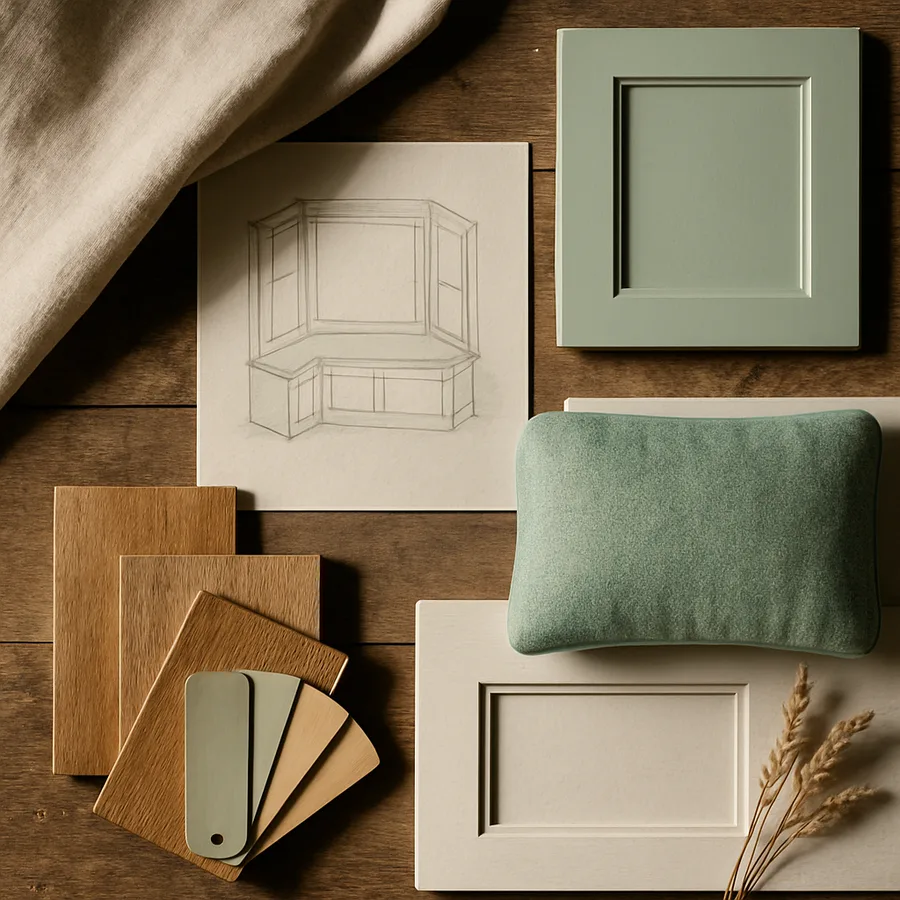
The Problem: Wasted Space Beneath Beautiful Windows
Bay and bow windows are among the most architecturally distinctive features a home can possess. Their projecting geometry floods rooms with natural light and creates a sense of expanded space that flat walls cannot match. Yet in thousands of homes across the country, the alcove beneath these windows sits empty or cluttered with mismatched furniture that neither fits the space properly nor takes advantage of its potential. This is a missed opportunity of significant proportions, both aesthetically and functionally.
The space beneath a bay or bow window is typically between 18 and 24 inches deep and spans three to eight feet in width, depending on the window configuration. That represents anywhere from six to sixteen cubic feet of usable storage volume that most homeowners simply ignore. In an era when the average American home contains an estimated 300,000 items according to the National Association of Professional Organizers (NAPO), finding hidden storage that does not consume additional floor space is a genuinely valuable proposition. A window seat storage bench solves both the aesthetic and organizational challenges simultaneously.
The concept is straightforward: a built-in bench fills the window alcove, its top surface providing comfortable seating while the enclosed interior conceals storage. But the execution involves important decisions about structure, access, dimensions, and finishing that determine whether the result feels like a custom architectural feature or a clumsy afterthought. The difference between a window seat that becomes the favorite spot in the house and one that goes unused often comes down to getting the proportions and details right during the planning phase.
Have you ever sat in a window seat that felt perfectly right, where the height, depth, and cushion thickness all conspired to make you want to linger with a book and a cup of tea? That sense of comfort is not accidental. It results from careful dimensional planning that respects both human ergonomics and the specific geometry of the window opening. The sections that follow walk through every consideration that goes into creating that kind of magnetic, sit-down-and-stay quality in your own bay or bow window seat.
Structural Planning and Dimensional Guidelines
The ideal seat height for a window storage bench falls between 17 and 19 inches from the finished floor to the top of the cushion. This range accommodates the average adult comfortably, allowing feet to rest flat on the floor while sitting. The bench structure itself should be built to a height of 14 to 16 inches, with the remaining height coming from a three- to four-inch thick seat cushion. Building too high creates a perching sensation that quickly becomes uncomfortable, while building too low makes getting up and down unnecessarily difficult.
Seat depth is governed by the depth of the window alcove, but the target range is 18 to 24 inches from the front edge of the bench to the wall or window sill behind. A depth of less than 18 inches feels narrow and precarious, while anything beyond 24 inches requires back cushions or bolsters to provide lumbar support, since most people cannot sit comfortably on a seat that deep without something supporting their back. The Architectural Digest custom furniture guidelines suggest 20 inches as the optimal depth for window seats used primarily for sitting rather than lounging.
The structural frame should be built from three-quarter-inch plywood or medium-density fiberboard (MDF) for the panels, with two-by-four lumber framing providing the structural skeleton. The top panel that serves as the seat base must be particularly robust because it bears the weight of anyone sitting on the bench. A double layer of three-quarter-inch plywood with cross-bracing supports underneath provides adequate strength for daily use by adults. Skimping on the seat panel is a common mistake that leads to sagging and eventually cracking under repeated loading.
For bay windows, the bench typically follows the window's angular geometry, creating a multi-faceted seat that wraps around the alcove. Each angled section should be framed independently and joined at the corners using wood glue and pocket screws for clean, strong connections. Bow windows present a curved geometry that is more challenging to build around. Most builders approximate the bow's curve with a series of short straight segments, typically four to six depending on the window's radius. A truly curved bench face requires either steam-bent plywood or a series of narrow vertical staves joined together, both of which add significant cost and complexity.
Storage Access: Hinged Tops, Drawers, and Hybrid Designs
The method of accessing your window seat's interior storage has a dramatic impact on usability. The simplest and most common approach is a hinged-top design where the entire seat lifts up on piano hinges to reveal the storage cavity below. This provides maximum storage volume and unobstructed access to the entire interior. The drawback is that everything sitting on the seat, including the cushion, pillows, and anything else, must be removed before you can open the lid. For items you access rarely, such as seasonal decorations, extra bedding, or rarely used kitchen equipment, this inconvenience is acceptable.
Drawer-based storage offers far more convenient access at the cost of reduced interior volume. Front-facing pull-out drawers installed in the bench face allow you to retrieve stored items without disturbing the seat surface at all. Full-extension drawer slides rated for at least 75 pounds ensure that drawers pull all the way out for complete access to their contents. The trade-off is that drawer construction consumes interior space for the drawer boxes, slides, and face frames, typically reducing usable storage by 20 to 30 percent compared to a hinged-top design.
The hybrid approach combines both methods: a hinged top section for deep, bulk storage and two or three drawers in the front face for frequently accessed items. This design is more complex to build but delivers the greatest overall functionality. The National Kitchen and Bath Association (NKBA) has identified hybrid storage solutions as a leading trend in built-in furniture design, with homeowners increasingly expecting furniture to work as hard as dedicated cabinetry. A well-designed hybrid window seat bench can store an impressive volume of household items while keeping everyday essentials within arm's reach.
Side-access doors are a less common but sometimes practical fourth option, particularly for window seats in narrow alcoves where front-facing drawers would project into a traffic path. Hinged cabinet doors on the short ends of the bench provide lateral access to the storage interior. This approach works best when the bench terminates against perpendicular walls or built-in bookcases that would otherwise block side access. Each storage method can be combined with the others to create a custom solution that matches how you actually use the space, which is always more effective than forcing your habits to fit a predetermined design.
Materials, Finishes, and Integration with Room Architecture
A window seat storage bench should look like it was always part of the room rather than something that was added later. Achieving this integrated appearance requires matching the bench's material palette to the room's existing architectural trim. If your baseboards, window casings, and crown molding are painted white, the bench exterior should follow suit. If the room features stained wood trim, the bench should use the same wood species and stain color. This material continuity transforms the bench from a piece of furniture into an architectural feature.
Panel detailing on the bench face adds visual interest and helps the structure blend with traditional interior architecture. Raised-panel or recessed-panel details that echo the style of the room's doors and cabinetry create coherence. In more contemporary settings, flat-panel or slab faces with minimal reveals provide the clean lines that modern architecture demands. According to a Houzz Kitchen and Bath Trends Study, 73 percent of homeowners who added built-in seating during a renovation chose panel detailing that matched their existing cabinetry, confirming that visual integration is a priority for most people undertaking this kind of project.
The bench top surface material depends on whether you plan to use a cushion full-time or want the option of an uncovered seat. For cushioned benches, a smooth plywood or MDF top is sufficient because it will be hidden. For dual-purpose benches where the cushion is sometimes removed to create a display surface, consider a finished hardwood top or a plywood top covered with the same laminate as your countertops. Some homeowners install a waterproof surface on the bench top as a precaution against spills seeping into the storage cavity below, which is a sensible measure for kitchen or bathroom window seats.
Ventilation inside the storage cavity is an often-overlooked detail that affects stored items' condition. Enclosed storage can trap moisture, leading to musty odors and potential mildew on fabrics stored inside. Drilling a series of small ventilation holes in the bench back, where they are hidden against the wall, allows air circulation that prevents moisture buildup. In humid climates or for benches storing textiles, adding a small silica gel packet inside the cavity provides additional moisture protection. These minor measures prevent the unpleasant surprise of opening your window seat months later to find damaged contents.
Cushions, Upholstery, and Comfort Details
The cushion is what transforms a wooden bench from a hard surface you perch on into a seat you settle into for hours. High-density foam with a density of at least 1.8 pounds per cubic foot provides the firm-but-yielding support that makes extended sitting comfortable. Lower-density foam compresses quickly and develops permanent indentations within months of regular use. A thickness of three to four inches is ideal for window seat cushions: thick enough for genuine comfort but not so thick that it raises the total seat height beyond the ergonomic sweet spot.
Fabric selection for the cushion cover should balance aesthetics with practicality. Performance fabrics engineered for stain resistance and durability are the wise choice for window seats in family rooms, kitchens, and children's rooms. Brands like Sunbrella, Crypton, and Revolution offer fabrics that resist spills, clean easily, and maintain their appearance through years of use. For more formal living rooms where the window seat serves a decorative role, natural fabrics like linen, velvet, or wool add luxury and texture. Regardless of fabric choice, a zippered cover that can be removed for cleaning or replacement extends the cushion's useful life significantly.
Bolster and lumbar pillows complete the seating comfort equation for window seats deeper than 20 inches. A pair of cylindrical bolster pillows placed along the back wall provides lumbar support that encourages longer sitting sessions. These bolsters also add a decorative layer that makes the window seat look inviting even when unoccupied. Sizing the bolsters at six to eight inches in diameter provides effective back support without consuming excessive seat depth. Matching or coordinating the bolster fabric with the seat cushion creates visual cohesion, while contrasting fabrics add personality.
Do you plan to use the window seat as a reading nook? If so, consider the lighting conditions carefully. Bay and bow windows provide abundant natural light during the day, but reading after dark requires supplementary lighting. A wall-mounted swing-arm sconce installed within arm's reach of the seated position provides adjustable, focused reading light without requiring a table lamp that would consume precious seat surface. The Better Homes & Gardens lighting guides recommend a minimum of 450 lumens for comfortable reading, which most sconces provide easily with an appropriate bulb.
Maximizing Storage Capacity with Smart Organization
The raw storage volume inside a window seat bench is only useful if the contents are organized for easy access. Without internal organization, the cavity becomes a dark pit where items get buried and forgotten, which is not storage so much as a hiding place. Simple organizational inserts transform this raw space into a functional system. Fabric bins that fit the cavity dimensions allow you to categorize items and pull individual bins out for access without rummaging through the entire compartment.
For hinged-top window seats, dividers installed perpendicular to the seat length create separate compartments for different categories of items. A six-foot window seat might be divided into three two-foot sections: one for board games, one for throw blankets, and one for seasonal cushion covers. Labeling each section prevents the entropy that causes organized spaces to deteriorate into chaos over time. These dividers can be permanently installed or removable, depending on whether you want fixed organization or flexibility to reconfigure as your storage needs change.
Drawer-based window seats benefit from the same organizational principles applied to kitchen drawers. Adjustable drawer dividers, drawer liners that prevent items from sliding, and shallow trays for small items maximize the utility of each drawer. For window seats in entryways or mudrooms, dedicated drawers for gloves, scarves, hats, and other seasonal accessories create a landing zone that keeps these items organized and accessible. The American Institute of Architects (AIA) has found that built-in storage with visible organizational systems is used 40 percent more consistently than equivalent storage without organization, underscoring the importance of this step.
Consider what you actually need to store before finalizing your bench design. Make a list of specific items that will live inside the window seat, measure their dimensions, and ensure that the bench interior accommodates them. A bench designed to store a specific set of board games, for example, might need internal height adjusted by an inch or two to fit the boxes. This item-specific approach to design prevents the frustrating discovery that your carefully built window seat is two inches too shallow for the blankets you intended to store in it. Planning storage around actual items rather than abstract volume is the difference between a bench that serves your life and one that just takes up space.
Conclusion: Building the Seat Your Window Deserves
A bay or bow window is an architectural gift that deserves more than an empty alcove or a mismatched piece of furniture pushed into the gap. A custom window seat storage bench honors the window's geometry, captures valuable hidden storage, and creates a seating destination that draws people in with its promise of natural light, comfort, and a room with a view. The investment in proper planning, quality materials, and thoughtful finishing details pays returns every day in both function and beauty.
The technical decisions, from seat height and depth to storage access method and cushion specification, all serve the same goal: creating a built-in feature that feels inevitable, as if the room was always meant to include it. By matching materials to your existing trim, choosing storage access methods that suit your daily routines, and providing genuine cushion comfort, you create a window seat that family members and guests naturally gravitate toward. That magnetic quality is the hallmark of built-in furniture done right.
Whether you approach this as a weekend project with solid carpentry skills or engage a professional carpenter for a polished result, the window seat storage bench is one of the highest-impact improvements you can make to a room with a bay or bow window. Start by measuring your window alcove, deciding which storage access method suits your household, and sketching a basic design that integrates with your room's architectural character. From there, the path to your new favorite seat in the house is clear.
Request a free consultation with our recommended built-in furniture specialists to discuss your bay or bow window seat project, and take the first step toward transforming wasted space into the most inviting corner of your home.
More Articles You May Like



Comments
Post a Comment