Top 5 Interior Design AI Tools to Transform Your Living Space
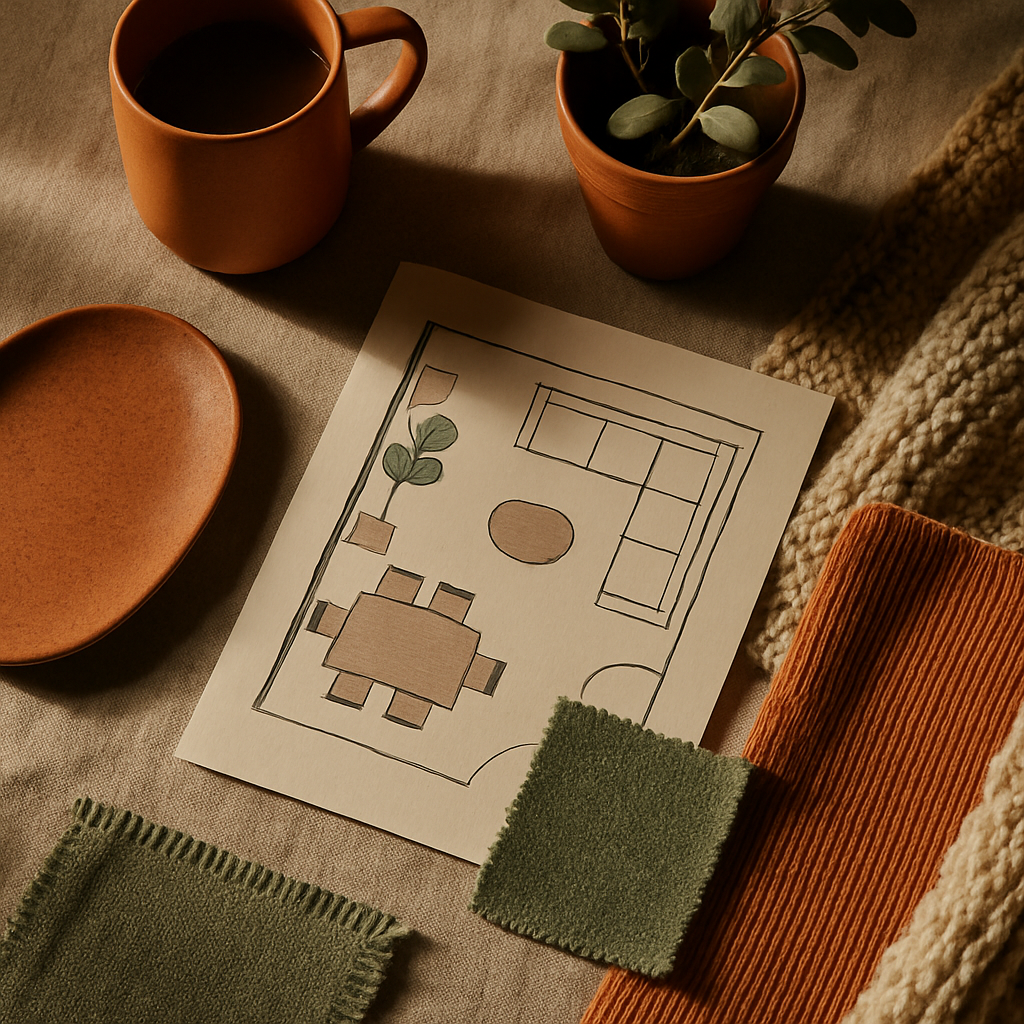
Imagine walking into a room where the lighting adjusts automatically to your mood, the furniture is optimally arranged for both aesthetics and functionality, and the color scheme is perfectly balanced. With the advent of new technologies, this isn't just a dream. According to a recent Houzz survey, over 50% of homeowners are now leveraging technology in their design projects. This shift is largely driven by the rise of AI tools in interior design, offering unprecedented personalization and efficiency. In this article, we'll explore five leading AI tools that can transform your living space, delve into the underlying technology, and provide practical strategies for integrating these innovations into your home.
Understanding the Role of AI in Interior Design
The intersection of artificial intelligence and interior design is reshaping how we approach home aesthetics. AI tools can analyze vast amounts of data to suggest design options that align with your personal style and functional needs. This technology is not about replacing human creativity but enhancing it. By processing preferences and spatial data, AI provides designers with a foundation to build upon. This capability enables a more tailored and efficient design process.
One of the primary advantages of AI in interior design is its ability to simulate real-life scenarios. Tools like Modsy utilize AI algorithms to create 3D renderings of your space, allowing you to visualize potential changes before making any physical adjustments. This not only saves time but also reduces the risk of costly design mistakes. As a result, homeowners can experiment with different styles and layouts without any commitment.
Furthermore, AI-driven design platforms often incorporate user feedback loops that continuously refine their suggestions. This means that as you interact with these tools, they learn more about your preferences, becoming increasingly adept at making recommendations. Experienced professionals often note that such adaptability is invaluable, especially in projects with evolving requirements.
Analyzing the Impact of AI Tools with Real Data
Recent data highlights the growing influence of AI in the interior design sector. A report by the American Society of Interior Designers (ASID) indicates that nearly 40% of interior designers currently use AI tools to enhance their projects. This adoption is driven by the tangible benefits these tools offer, such as improved client satisfaction and project efficiency. Notably, projects incorporating AI are reported to have a 20% higher success rate in meeting client expectations.
One prime example is the use of AI in optimizing space utilization. Tools like Planner 5D analyze floor plans and suggest the best furniture arrangements to maximize both space and comfort. By examining various configurations, homeowners and designers can find solutions that they might not have initially considered. This data-driven approach ensures that no corner of a room is wasted, enhancing functionality and flow.
AI tools also contribute to cost management in interior design. According to industry surveys, leveraging AI can reduce project costs by up to 30% by minimizing errors and streamlining decision-making processes. For instance, AI can predict material needs and suggest budget-friendly alternatives, ensuring that design aspirations align with financial constraints. As we move into a more tech-driven era, understanding these impacts is crucial for anyone looking to revamp their living space effectively.
Strategies for Integrating AI Tools into Your Design Process
Integrating AI into your interior design process requires a strategic approach. The first step is to assess the specific needs and goals of your space. Are you aiming for a complete redesign, or do you need assistance with specific elements like lighting or furniture layout? Once you've identified your objectives, selecting the right AI tool becomes easier. For instance, if visualization is your priority, platforms like Roomstyler offer user-friendly interfaces for crafting virtual designs.
Another strategy involves using AI tools for collaborative design. Many platforms now allow multiple users to contribute to a project, making it easier for families or design teams to work together. This collaborative approach ensures that diverse perspectives are considered, leading to more comprehensive design solutions. Think about how your household uses each room daily and encourage input from all family members during the design phase.
Finally, it's essential to keep an open mind and be willing to experiment. AI tools provide a wealth of options, some of which may initially seem unconventional. However, by exploring these suggestions, you might discover innovative solutions that transform your space in unexpected ways. Remember, the goal is to create an environment that reflects your personality and meets your practical needs. Are you ready to explore the possibilities AI has to offer?
Expert Insights on AI-Driven Interior Design
For those new to AI in interior design, it can be helpful to look to industry experts for guidance. According to the International Interior Design Association (IIDA), designers who embrace AI technologies often report enhanced creativity and productivity. This is because AI handles data-heavy tasks, freeing up designers to focus on the artistic aspects of their work.
AI tools are also invaluable for staying abreast of current design trends. Platforms that integrate AI, such as DecorMatters, constantly update their databases with the latest styles and materials. This ensures that your design choices are not only personalized but also contemporary. Experienced designers know that keeping up with trends is essential for creating spaces that feel fresh and relevant.
Moreover, AI can assist in achieving sustainable design solutions, which is increasingly important in today's eco-conscious world. Tools that evaluate the environmental impact of materials and suggest sustainable alternatives are becoming more popular. This aligns with the growing demand for biophilic design and the use of reclaimed materials. As sustainability becomes a focal point in interior design, AI's role in facilitating this transition cannot be overstated.
Diving Deeper: The Future of AI in Interior Design
Looking ahead, the integration of AI in interior design is poised to become even more sophisticated. The advent of augmented reality (AR) and virtual reality (VR) technologies is set to revolutionize how we visualize and interact with design projects. Imagine walking through a virtual model of your redesigned living room before any physical changes occur. This level of immersion will make the design process more interactive and engaging.
Moreover, AI's capabilities in personalization are expected to advance. Future tools will likely offer even more tailored design suggestions by analyzing a broader range of data, including lifestyle habits and preferences. This could lead to homes that are not only aesthetically pleasing but also uniquely suited to their inhabitants' daily routines.
Finally, as AI continues to evolve, its integration with smart home technologies will deepen. Automated systems for lighting, climate control, and security can be seamlessly incorporated into design plans, offering both convenience and energy efficiency. As these innovations unfold, staying informed about AI developments will be crucial for anyone looking to maintain a modern and cutting-edge living space.
Final Thoughts on AI Tools and Interior Design
As we conclude our exploration of AI tools in interior design, it's clear that these technologies offer significant benefits in terms of efficiency, personalization, and creativity. By embracing AI, homeowners and designers can achieve remarkable transformations in living spaces, making them more functional and aesthetically pleasing. As you consider incorporating AI into your design plans, reflect on how these tools can align with your personal style and project goals.
The potential of AI in interior design is vast, and its applications are expanding rapidly. Whether you're a professional designer or a homeowner embarking on a redesign project, staying informed about the latest AI developments can provide a competitive edge. How will you leverage these tools to enhance your living environment?
In conclusion, start by exploring AI design platforms like Modsy and Roomstyler. Spend some time experimenting with their features to see how they can elevate your space. By doing so, you'll not only gain a deeper understanding of your design preferences but also discover innovative solutions you hadn't considered before. Begin your journey into the future of interior design today.
More Articles You May Like



Comments
Post a Comment