Maximize Small Spaces: Innovative Interior Design Ideas for Compact Living
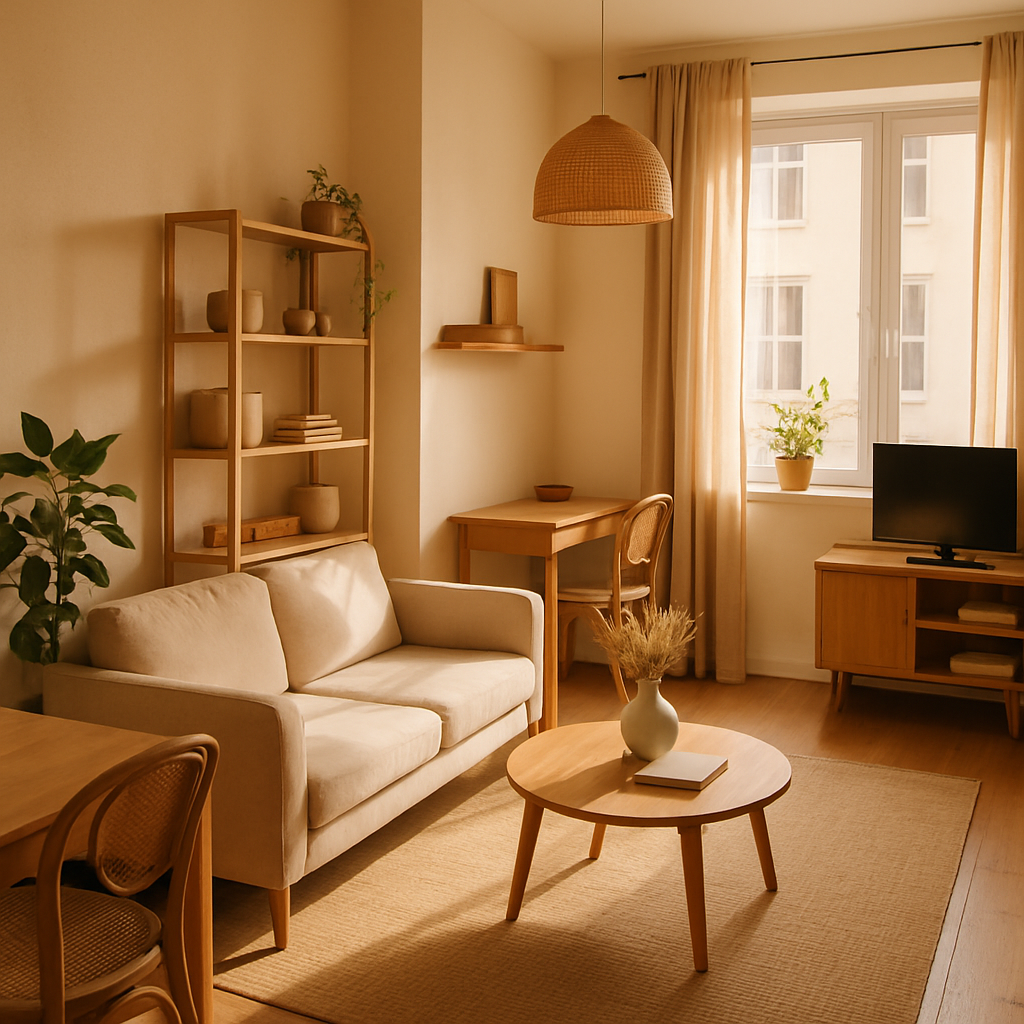
Imagine walking into a room that feels twice its size, even though it fits neatly into your small apartment. The magic of maximizing small spaces isn't just about clever furniture placement-it's an art form combining psychology, design, and a dash of creativity. According to a 2023 Houzz survey, nearly 60% of urban dwellers feel their spaces are cramped, highlighting the pervasive challenge of compact living. This article will explore foundational concepts, analyze relevant data, provide actionable strategies, and delve into expert-level details to transform your compact space into a functional and aesthetically pleasing haven.
Understanding the Foundational Concepts of Small Space Design
When you're working with limited square footage, understanding the foundational principles of small space design is crucial. At the heart of this is the concept of multifunctionality. Furniture that serves multiple purposes-such as a sofa bed or a dining table that doubles as a workspace-can significantly enhance utility without sacrificing style. Experts from the International Interior Design Association (IIDA) emphasize the importance of selecting items that blend seamlessly with the room's aesthetic, thus maintaining the visual flow.
Another key principle is the use of vertical space. Often overlooked, walls provide ample opportunities for storage and decoration. Shelving units, hanging plants, and wall-mounted lighting fixtures can free up floor space while adding character. The National Council for Interior Design Qualification (NCIDQ) certified designers often incorporate vertical elements to draw the eye upward, creating the illusion of height and spaciousness.
Lighting is another foundational element. Natural light can make a room feel larger and more open, while strategically placed mirrors can amplify this effect. According to ASID (American Society of Interior Designers), light-colored walls and ceilings can reflect light, making spaces feel brighter and more inviting. By mastering these foundational concepts, you can set the stage for a more expansive living area.
Deeper Analysis: The Role of Data in Compact Living Design
Data-driven design has become increasingly pivotal in addressing the challenges of compact living. According to recent research by Houzz, homeowners in urban areas with limited space tend to prioritize functionality over form, with 74% opting for furniture that offers storage solutions. This preference reflects a broader trend towards practicality in design choices, driven by the constraints of urban living.
Moreover, industry surveys suggest that well-designed interiors can enhance property values by 5% to 15%. This statistic underscores the financial benefits of investing in quality design, even in small spaces. By maximizing functionality and aesthetics, you not only improve daily living conditions but also potentially increase your property's market value.
Smart technology integration is another growing trend. Homeowners are increasingly incorporating smart lighting, climate control, and automated window treatments into their designs. These elements not only enhance convenience but also contribute to energy efficiency, a critical consideration for environmentally conscious consumers. Understanding these data-driven trends can inform your design decisions, ensuring your compact space is both functional and future-proof.
Actionable Strategies for Optimizing Small Spaces
Now that we've explored the foundational concepts and analyzed relevant data, let's dive into actionable strategies you can implement today. Start by decluttering-eliminate or store items you rarely use to create an open and organized environment. Experienced professionals often note that a minimalistic approach can make even the smallest spaces feel more expansive.
Consider investing in modular furniture. Pieces like sectional sofas or expandable dining tables can adapt to your changing needs, offering flexibility without compromising on style. The use of furniture with hidden storage compartments-such as ottomans or beds with built-in drawers-can further enhance functionality. Have you considered how much space your current furniture consumes? Reassessing these choices can open up new possibilities.
Another effective strategy is to define zones within a single room. Use area rugs or different lighting fixtures to visually separate the living, dining, and working spaces. This technique not only organizes the room but also adds depth and dimension. By implementing these strategies, you can create a more functional and aesthetically appealing living area.
Expert-Level Insights: Innovative Design Ideas
For those seeking expert-level insights, consider integrating biophilic design principles. This approach, which incorporates natural elements like plants, natural materials, and outdoor views, can enhance well-being and make small spaces feel more inviting. Incorporating greenery through vertical gardens or window plants can bring life into your home without occupying valuable floor space.
Another cutting-edge idea is the use of AR/VR tools for room visualization. These technologies allow you to experiment with different layouts and design elements before making any physical changes. Platforms like Pinterest and Houzz offer tools that can help visualize how new furniture or decor will fit into your space, reducing the risk of costly mistakes.
Japandi style, which combines Japanese minimalism with Scandinavian warmth, is also gaining popularity in compact living. This design approach focuses on simplicity, functionality, and natural elements, creating tranquil and harmonious environments. By adopting these expert-level insights, you can elevate your small space to new heights of innovation and style.
Additional Depth: Budgeting and Planning for Compact Spaces
Effective budgeting and planning are essential components of successful small space design. According to the ASID, redesigning a single room can cost anywhere from $5,000 to $15,000, depending on the scope and materials used. It's crucial to set a realistic budget and prioritize key elements that will have the most significant impact on your space.
Consider consulting with a certified interior designer who holds NCIDQ credentials. These professionals possess the expertise to navigate complex design challenges and can offer tailored solutions that align with your budget. Their fee structures typically include flat fees, hourly rates, or a percentage of the total project cost, providing flexibility depending on your needs.
Finally, procurement is a phase where costs can escalate quickly. To manage expenses, research multiple vendors, and consider sustainable or reclaimed materials that offer both aesthetic appeal and environmental benefits. By planning meticulously and leveraging professional expertise, you can achieve your design goals without overspending.
Final Perspectives: Embracing the Challenges of Compact Living
Embracing the challenges of compact living requires a shift in mindset. Rather than viewing small spaces as limitations, consider them opportunities for creativity and innovation. By applying the concepts and strategies discussed in this article, you can transform your home into a functional and stylish sanctuary.
Remember that the design process is iterative. As your needs and tastes evolve, so too can your space. Regularly reassessing your living area and making adjustments as necessary will ensure it continues to meet your lifestyle requirements. What small changes can you make today that will have a lasting impact on your living space?
Conclusion
Maximizing small spaces is an art that combines the principles of design, the insights of data, and the creativity of innovation. By understanding foundational concepts, analyzing relevant data, and implementing actionable strategies, you can unlock the potential of your compact living environment. Consider consulting with certified interior designers and exploring new design technologies to refine your approach further.
Your next step? Start by browsing designer portfolios on Houzz or Pinterest this week-just 20 minutes of research will sharpen your eye for what you want. By taking this small step, you'll be well on your way to creating a space that is not only functional but also a reflection of your personal style and needs.



Comments
Post a Comment