The Future of Interior Design: How Online Tools Are Revolutionizing Home Decor
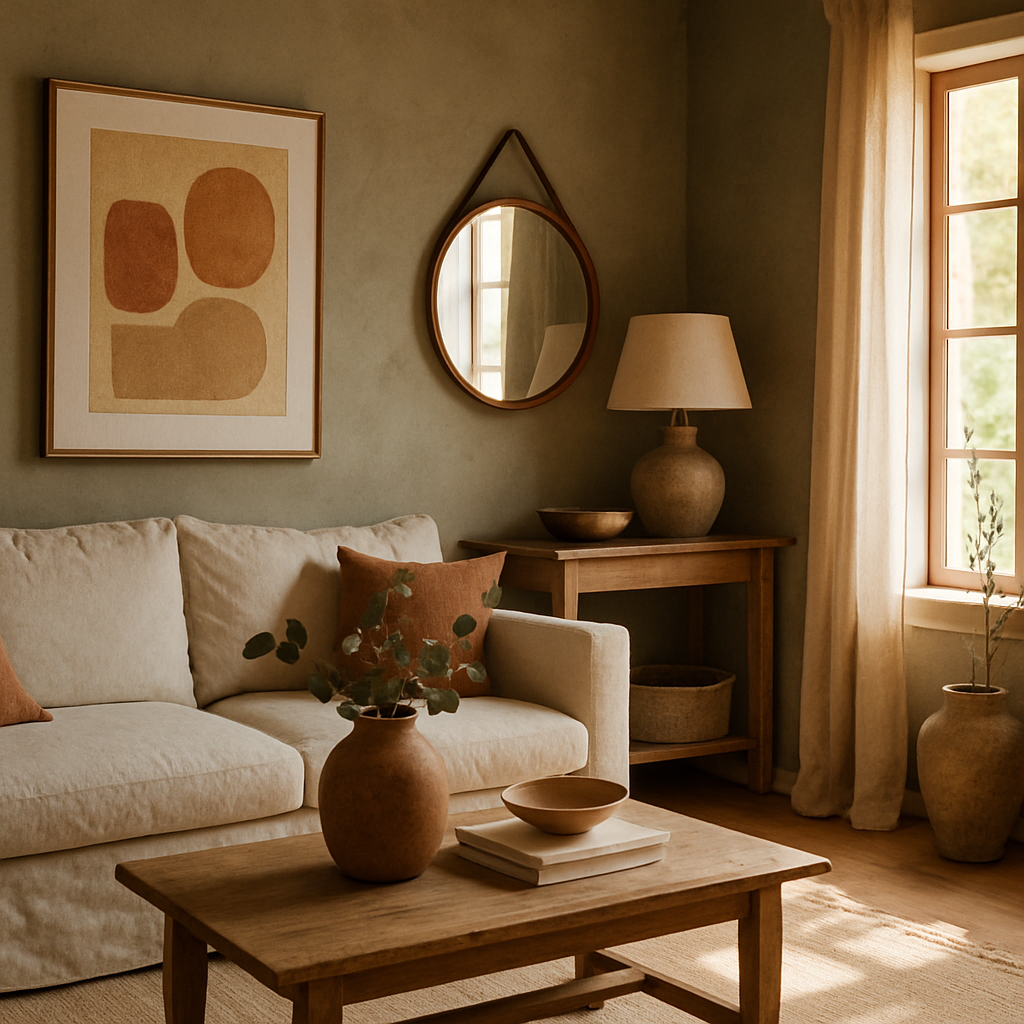
Imagine walking through your newly designed home without leaving your couch. Thanks to advanced online tools, this is no longer a fantasy but a growing reality in the world of interior design. Recent industry surveys suggest that over 60% of homeowners are now using online platforms to plan their home renovations, leveraging technology to visualize and execute their design aspirations. In this article, we will explore how these online tools are revolutionizing home decor, offering both professionals and DIY enthusiasts unprecedented access to design resources. From virtual room planners to interactive mood boards, we delve into the transformative power of digital tools in the interior design industry.
Understanding the Rise of Digital Design Tools
The digital revolution has touched nearly every aspect of our lives, and interior design is no exception. The rise of online design tools can be attributed to their accessibility and the sheer variety of options they offer. Platforms like Houzz and Pinterest have become go-to resources for inspiration, allowing users to curate ideas and visualize potential outcomes. Houzz, in particular, offers a comprehensive platform where users can not only find inspiration but also connect with professionals and purchase products directly. This integration streamlines the design process, making it more accessible to a wider audience.
Another key factor in the popularity of these tools is their ability to democratize design expertise. Where once hiring a professional interior designer was a luxury, now anyone with an internet connection can access design advice and resources. Tools such as SketchUp and Roomstyler provide users with the ability to create detailed 3D models of their spaces, allowing for precise planning and visualization. The result is a more informed and engaged consumer, capable of making design decisions with confidence.
But what does this mean for the traditional role of interior designers? While some may fear that technology is replacing human expertise, the reality is quite the opposite. Experienced professionals often note that these tools enhance their ability to communicate ideas and collaborate with clients. By using digital visualization tools, designers can present their concepts in a tangible way, bridging the gap between imagination and reality. This synergy between technology and professional expertise is setting new standards in the design industry.
The next section will delve deeper into the impact of these tools on the design process, examining how they are reshaping industry practices and client expectations.
The Impact of Online Tools on the Design Process
Online tools have fundamentally altered the design process, introducing efficiencies and capabilities that were previously unimaginable. According to the American Society of Interior Designers (ASID), these tools are helping designers cut project timelines by up to 30%, a significant improvement in an industry where time is often equated with money. By allowing designers to quickly iterate on ideas and make real-time adjustments based on client feedback, digital tools have streamlined the creative process.
Moreover, the integration of Augmented Reality (AR) and Virtual Reality (VR) technologies is pushing the boundaries of what is possible in interior design. Platforms like Modsy and Decorilla enable users to virtually walk through their redesigned spaces, providing a level of immersion that traditional sketches and mood boards simply cannot match. This capability not only enhances client satisfaction but also reduces costly mistakes, as clients can see exactly how their choices will look in their homes before any purchases are made.
Data from the International Interior Design Association (IIDA) highlights another significant advantage: improved client-designer collaboration. With tools that facilitate continuous communication and feedback, clients are more involved than ever in the design process. This involvement fosters a collaborative environment where designers can tailor their services to better meet client needs, ultimately leading to higher rates of project satisfaction. As we move forward, it becomes clear that the intersection of technology and design is not just a trend but a fundamental shift in how interior spaces are conceived and created.
Next, we will explore actionable strategies for incorporating these tools into your own design projects, whether you're a professional or a DIY enthusiast.
Actionable Strategies for Using Online Design Tools
For those looking to harness the power of online design tools, the first step is to familiarize yourself with the platforms available. Start by exploring free tools like SketchUp and Floorplanner, which offer robust features for creating 3D models of your spaces. These tools are particularly useful for visualizing layout changes and experimenting with different design elements. As you become more comfortable, consider investing in more advanced software like AutoCAD or Revit, which provide professional-grade capabilities for detailed design work.
Another effective strategy is to use mood board platforms such as Canva or Milanote to curate your design inspiration. These tools allow you to organize images, color palettes, and textures in one place, making it easier to see how different elements will work together. By creating a cohesive vision board, you can communicate your ideas more clearly, whether you're working with a designer or tackling the project on your own. This approach not only streamlines the planning process but also helps ensure that your final design aligns with your initial vision.
It's also important to leverage social media for inspiration and feedback. Platforms like Instagram and Pinterest are treasure troves of design ideas, where you can follow industry leaders and stay updated on the latest trends. Additionally, many designers are using social media to offer virtual consultations and share insights, providing another avenue for incorporating professional expertise into your project. By engaging with the design community online, you can gain valuable perspectives and keep your creativity flowing.
With these strategies in mind, the next section will delve into expert insights on maximizing the effectiveness of these tools.
Expert Insights on Maximizing Digital Design Tools
Experienced designers emphasize the importance of integrating online tools with traditional design practices to achieve the best results. While digital platforms offer unparalleled convenience and visualization capabilities, they should complement rather than replace foundational design principles. Understanding the basics of space planning, color theory, and material selection remains crucial, as these elements form the backbone of any successful design.
One area where online tools excel is in the realm of sustainable design. By using platforms that offer detailed product information, designers can make more informed choices about materials and furnishings, prioritizing sustainability and eco-friendliness. This aligns with the growing trend of biophilic design, which emphasizes natural materials and a connection to the outdoors. Tools that highlight sustainable options enable designers to create spaces that are not only beautiful but also environmentally responsible.
Furthermore, professionals often recommend continuous learning and adaptation to keep pace with technological advancements. As new tools and features are constantly being developed, staying informed about the latest innovations is key to maintaining a competitive edge. Attending webinars, taking online courses, and participating in industry forums are excellent ways to expand your knowledge and refine your skills. By embracing a mindset of lifelong learning, designers can leverage digital tools to their fullest potential, enhancing both their creativity and efficiency.
As we move into the next section, we'll explore additional layers of depth that digital tools bring to the design process.
Exploring Additional Layers of Depth with Digital Tools
One of the most exciting possibilities offered by online design tools is the ability to experiment with multiple design iterations quickly and efficiently. This capability enables users to explore different styles and configurations without committing to any single option prematurely. The ability to visualize various scenarios can be particularly beneficial for clients who are unsure of their aesthetic preferences or who want to see how different designs might impact their space.
Another layer of depth that digital tools provide is access to a global marketplace of products and materials. Websites like Wayfair and Overstock offer extensive catalogs that can be integrated into digital design software, allowing users to see how specific pieces will look in their virtual rooms. This not only aids in decision-making but also opens up a world of possibilities for sourcing unique and diverse furnishings that might not be available locally.
Finally, the integration of smart home technology into design tools is paving the way for highly personalized and functional living spaces. By incorporating features such as automated lighting and climate control into digital designs, users can create environments that are tailored to their lifestyle needs. This level of customization is becoming increasingly important as people seek to create homes that are not only beautiful but also highly livable and efficient.
The next section will offer final perspectives on the future of interior design and the evolving role of digital tools.
Final Perspectives on the Future of Interior Design
As we look ahead, it's clear that online tools will continue to play a pivotal role in shaping the future of interior design. They offer a unique blend of creativity and practicality, empowering both professionals and amateurs to bring their design visions to life with greater precision and ease. The ongoing development of these tools promises to expand their capabilities even further, offering new ways to engage with and transform our living spaces.
However, the human element remains irreplaceable. While technology can enhance and facilitate the design process, the nuanced understanding of aesthetics and human experience that a skilled designer brings is invaluable. The future of interior design will likely see a harmonious blend of digital innovation and traditional expertise, creating spaces that are both cutting-edge and deeply personal.
In closing, as you embark on your own design journey, consider how these tools can complement your creative process. Whether you're a seasoned professional or a passionate DIYer, the resources at your disposal are more powerful and diverse than ever before. Embrace this technological revolution and see how it can transform your approach to creating beautiful, functional spaces.
To put these insights into action, start by browsing portfolios on Instagram and Houzz this week. Even just 20 minutes of research will sharpen your eye for what you want and how you can achieve it using digital tools.



Comments
Post a Comment